Adopting a British Shorthair From Rescue
It's a common dream to welcome a magnificent British Shorthair into your home. With their plush coats, round faces, and calm demeanor, they capture hearts easily. However, the sticker shock of purchasing a kitten from a reputable breeder can be a major hurdle for many families, leading them to feel like this wonderful breed is out of reach. But what if I told you there's another path, one that offers a loving home to a deserving cat while potentially easing the financial strain? This comprehensive guide will walk you through everything you need to know about adopting a British Shorthair from a rescue, from understanding why they end up there to navigating the adoption process and preparing for their long-term care.
The Allure of a British Shorthair in Rescue
The idea of a purebred cat like a British Shorthair ending up in a rescue might seem counterintuitive. After all, they are highly sought-after and often come with a significant price tag. Yet, life happens, and these beautiful felines find themselves in need of a new beginning more often than you might think. Embracing the rescue route not only provides a second chance for a cat but also offers a unique set of benefits for the adopter.
Why British Shorthairs End Up in Rescue
It’s crucial to understand that a British Shorthair ending up in a rescue is almost never a reflection of the cat itself. These are typically adaptable, loving, and relatively low-maintenance cats in terms of their personality, but external circumstances often dictate their fate. One common reason we see them in rescue is due to sudden lifestyle changes for their original owners. Imagine a family relocating internationally, or facing a divorce, or a new baby arriving with unexpected allergies. These situations can force difficult decisions, and sometimes, surrendering a beloved pet becomes the only perceived option. The grief for the previous owner is real, and for the cat, it's a confusing and unsettling transition.
Another significant factor can be health issues. While British Shorthairs are generally considered a healthy breed, they are not immune to genetic predispositions or age-related ailments. Conditions like hypertrophic cardiomyopathy (HCM) or polycystic kidney disease (PKD), or even just the onset of Arthritis in an Older British Shorthair, can incur substantial veterinary bills that some owners simply cannot afford. When faced with the choice between expensive, ongoing medical treatment and finding a new home that can provide that care, rescue can unfortunately be the outcome. Sadly, some owners also underestimate the long-term commitment and the financial implications of owning a purebred cat, leading to surrender when the reality of What a British Shorthair Costs Over Its Lifetime sets in. It's a heartbreaking situation for everyone involved, but it underscores the vital role rescues play.
Finally, while British Shorthairs are known for their calm and placid temperament, some individuals might develop behavioral quirks that challenge their owners. This could be anything from inappropriate urination, often linked to stress or an unsuitable litter box setup, to a perceived lack of affection that disappoints owners expecting a constant lap cat. These issues, while often solvable with patience and professional guidance, can overwhelm owners who aren't prepared or lack the resources to address them. Understanding Why an Owner Gives Up a British Shorthair helps us appreciate that these cats are victims of circumstance, and they deserve a fresh start.
The Advantages of Adopting an Adult British Shorthair
Adopting an adult British Shorthair from a rescue comes with a host of advantages that are often overlooked when compared to the allure of a tiny kitten. One of the most significant benefits is knowing exactly what you're getting in terms of personality. Kittens are adorable, but their personalities are still developing, and their adult temperament can be a surprise. With an adult cat, especially one that has been in a foster home, the rescue can usually provide a detailed profile of their likes, dislikes, energy levels, and how they interact with children, other pets, or strangers. This transparency can be invaluable for finding a truly compatible match for your household.
Furthermore, most adult rescue cats are already well-versed in the basics of feline etiquette. They've usually been litterbox trained for years, saving you from the challenging and sometimes messy process of teaching a kitten good habits. They've also likely been spayed or neutered, and are up-to-date on their vaccinations, which means fewer immediate veterinary appointments and costs for you right after adoption. This is a considerable financial saving, as these procedures can be quite expensive when done independently. Rescues absorb these initial costs as part of their mission, making the adoption fee a true investment in a healthy, well-started pet.
Beyond the practical benefits, there's an immense satisfaction in giving a loving home to a cat that truly needs it. These cats have often experienced upheaval, and watching them blossom in a stable, caring environment is incredibly rewarding. An adult British Shorthair, even if initially shy, often forms a deep bond with their new family, appreciating the security and affection you provide. It's a chance to offer a gentle giant a quiet, safe haven where they can truly be themselves, and the gratitude they show can be profoundly moving.
Setting Realistic Expectations for a Rescue British Shorthair
While adopting a rescue British Shorthair is a wonderful experience, it’s vital to approach it with realistic expectations. These aren't blank slates; they come with a history, and sometimes that history means a longer adjustment period. The cat might have experienced trauma, neglect, or simply the stress of being uprooted from their familiar environment. This can manifest in initial shyness, hiding, or even a temporary reluctance to engage. Patience is your most important virtue during this transition. You might have visions of immediate cuddles and playful antics, but some cats need weeks, or even months, to truly decompress and feel safe enough to show their true colors.
It's also important to remember that not every rescue British Shorthair will be a picture of perfect health or textbook behavior. While reputable rescues do their best to assess and address health and behavioral issues, some things may not become apparent until the cat has settled into a new home. They might have a predisposed condition, perhaps related to Polycystic Kidney Disease Came Into the British Shorthair With the Persians or HCM in a British Shorthair Has No DNA Test that requires ongoing management. Or, they might have subtle behavioral habits that were missed in a shelter environment. Being prepared for these possibilities, and understanding that ongoing care might be needed, is part of being a responsible adopter.
Finally, managing expectations also means understanding that the cat you adopt might not look exactly like the "ideal" British Shorthair you see in photos. They might be older, have a slightly different coat color than you imagined, or have unique features that set them apart from the show ring standard. The beauty of rescue is embracing these wonderful individual differences and loving the cat for who they are, rather than for a preconceived notion of perfection. The reward lies in the unique bond you build with a cat who chose you, and whom you chose, imperfections and all.
Finding a Reputable British Shorthair Rescue
Once you've decided that adopting a British Shorthair from rescue is the right path for you, the next crucial step is finding the right organization. This isn't just about finding any cat; it's about finding a reputable rescue that prioritizes the welfare of their animals and ensures a good match between cat and adopter. Taking the time to research and connect with the right group will set you up for success.
Specialized Breed Rescues vs. General Shelters
When searching for a British Shorthair, you'll generally encounter two main types of organizations: specialized breed rescues and general animal shelters. Each has its own benefits and drawbacks.
Specialized British Shorthair Rescues: These organizations focus exclusively on one breed, which in this case would be British Shorthairs. The huge advantage here is that the volunteers and staff are often deeply knowledgeable about the breed's specific temperament, health predispositions, and care requirements. They are usually excellent at identifying true British Shorthairs, sometimes even having pedigree information if the cat was surrendered from a breeder or knowledgeable owner. This breed-specific expertise can be invaluable. For instance, they might be more attuned to the subtle signs of Signs a British Shorthair Has Heart Disease or the early indicators of obesity, which is a common concern for the breed. They can also offer breed-specific advice on grooming for their dense coats or encouraging activity in their typically sedate nature. Many specialized rescues operate through a network of foster homes, which means the cats live in a family environment, allowing their foster parents to get to know their personalities intimately and provide detailed insights to potential adopters. This intimate knowledge helps ensure a better match for both cat and family.
General Animal Shelters: These shelters take in all types of animals, including mixed breeds and purebreds like British Shorthairs. While they might not have the same breed-specific expertise as a dedicated rescue, they often have a larger volume of animals and a faster turnover. You might find a British Shorthair at a general shelter, sometimes even one that's been surrendered by an owner or found as a stray. The challenge here is that identifying a purebred can be more difficult; sometimes a cat that looks like a British Shorthair might actually be a mix. Also, the staff may have less in-depth knowledge about the nuances of the breed's health and behavior. However, many general shelters still do excellent work in providing basic veterinary care, vaccinations, and spay/neuter services for all their animals. They can be a great option if you're open to a cat that might be a British Shorthair mix or if you're just looking to give any deserving cat a home, regardless of breed purity. Often, they have good adoption counselors who can help you assess a cat's general temperament, even if they don't know the specifics of the breed.
Red Flags and Green Lights in the Search Process
Navigating the world of animal rescue requires a discerning eye. Unfortunately, not all organizations operate with the same high standards. Knowing what to look for – and what to avoid – is crucial for a positive adoption experience and for the well-being of the cat.
Red Flags: Be wary of any rescue that seems too eager to pass a cat off without a thorough screening process. A major red flag is if they don't require an application form or a home visit (or virtual home visit). Reputable rescues want to ensure their cats are going to safe, loving, and appropriate environments. If a rescue is vague about the cat's health history, or claims to have no records, this should also raise concern. While some cats arrive without a known background, a good rescue will have at least done initial vetting, including vaccinations and spay/neuter. Any rescue that seems to be rushing the adoption process, or that asks for an unusually high "adoption fee" without clear justification of what it covers, could also be problematic. Avoid any situation where the cat is not spayed or neutered prior to adoption, unless there's a specific, documented medical reason agreed upon by a vet. Finally, if the rescue discourages questions or seems annoyed by your due diligence, it's probably best to look elsewhere.
Green Lights: A reputable British Shorthair rescue will have a clear, comprehensive application process. This often includes questions about your living situation, your experience with cats, your household members (including children and other pets), and references, typically from your veterinarian. They will conduct a thorough interview, either in person or virtually, and may require a home visit to ensure your home is safe and suitable for a cat. They should provide transparent and detailed health records for the cat, including vaccination history, spay/neuter certificate, microchip information, and any known medical conditions or treatments. Many will even disclose results from breed-specific screenings like echocardiograms for HCM. The adoption fee should be clearly stated and explained, showing how it contributes to the care of the animals. They will usually require an adoption contract that outlines responsibilities and sometimes includes a clause for the cat to be returned to the rescue if it doesn't work out. A true "green light" rescue will also be supportive and communicative throughout the process, offering advice and resources for settling your new cat in. This level of diligence ensures the cat's best interests are at heart and helps prevent future surrenders. Understanding Whether a Rescue British Shorthair Has Been Screened is key here, as transparency is a hallmark of good practice.
Online Resources and Networking for Adoption
In today's connected world, finding a rescue British Shorthair often starts online. There are numerous platforms and communities that can help you in your search, but knowing where to focus your efforts can save you time and frustration.
Start with large national adoption websites like Petfinder or Adoptapet. These sites aggregate listings from thousands of shelters and rescues across the country. You can set up specific breed alerts for "British Shorthair" or "British Blue" (a common colloquialism) and filter by location. This is often the quickest way to see available cats in your area or even in neighboring states if you're willing to travel. These platforms provide profiles, photos, and contact information for the rescue organizations, allowing you to reach out directly.
Beyond the major aggregators, delve into the world of breed-specific online communities. Facebook groups dedicated to British Shorthair enthusiasts, owners, and breeders often serve as informal networks for rehoming or identifying cats in need. While not formal rescues themselves, members often share information about cats available through legitimate rescues or directly from owners who need to rehome their pet. Be cautious when interacting with individuals directly, always ensuring a legitimate rescue or a detailed rehoming process is involved, but these groups can be a fantastic resource for leads and advice from experienced owners. Many British Shorthair breeders also maintain relationships with rescue organizations and may even take back cats they bred if an owner needs to surrender them, so contacting reputable breeders in your area could also yield leads on adult cats in need of placement.
Finally, don't underestimate the power of local connections. Call your local animal shelters directly, even if they don't specialize in purebreds. Let them know you're specifically interested in a British Shorthair; sometimes they keep a waiting list. Networking with local veterinarians can also be helpful, as they often know which rescues are active in the area or if any clients need to rehome a cat. The more avenues you explore, the better your chances of finding that perfect British Shorthair waiting for a loving home.
Understanding the Adoption Process and Costs
Adopting a British Shorthair from a rescue is a structured process designed to ensure the best outcome for the cat and the adopting family. It involves more than just picking out a cute face; it's about making a commitment, understanding the financial implications, and preparing your home for a new family member.
The Application and Interview Stage
When you find a British Shorthair through a rescue that catches your eye, the first step is almost always to complete an adoption application. Think of this as a preliminary screening to ensure you meet the basic requirements for adoption and that your lifestyle aligns with the needs of a British Shorthair. These applications are thorough and ask a wide range of questions about your living situation (do you rent or own, is your landlord pet-friendly?), your experience with cats, how many people are in your household, and if you have other pets. They'll want to know about your work schedule, how much time the cat would be alone, and what your plan is for veterinary care. Some might even ask what your intentions are if the cat develops a chronic illness.
Following a successful application review, you'll typically be invited for an interview. This might be in person, over the phone, or increasingly, via video call. This isn't an interrogation; it's a conversation. The rescue wants to get to know you, understand your motivations for adopting, and clarify any answers from your application. They'll use this opportunity to discuss the specific cat you're interested in, sharing details about their personality, known history, and any special needs. This is also your chance to ask questions! Don't be shy. Inquire about the cat's behavior with other animals, their litterbox habits, their favorite toys, and anything else that's important to you. They may even ask for vet references if you've owned pets before, as this helps them confirm you're a responsible pet owner who provides regular care. It might feel intrusive, but remember, the rescue's ultimate goal is to find the most suitable, permanent home for their cats, and a thorough screening process is how they achieve that.
Typical Adoption Fees and What They Cover
One of the most common questions adopters have is about the cost of a rescue cat. While you won't be paying the breeder prices of a British Shorthair kitten, there is an adoption fee, and it's important to understand why. Adoption fees for British Shorthairs can vary quite a bit, often depending on the specific rescue organization, the cat's age, and its health status. You might find fees lower for older or special needs cats, and slightly higher for younger, healthy adults. However, these fees are not profit-driven. They are essential contributions that help the rescue cover the extensive costs associated with taking in, caring for, and rehoming animals.
What do these fees typically cover? A substantial portion goes towards essential veterinary care. This almost always includes a comprehensive physical exam, vaccinations (like rabies and distemper), deworming, and microchipping. Crucially, it covers the cost of spaying or neutering, which is a significant expense if done privately. Many rescues also conduct basic blood work, and for purebred cats like British Shorthairs, some might even perform initial screenings for common breed-specific issues. Beyond medical care, the fee helps cover daily operational expenses such as food, litter, enrichment toys, cleaning supplies, and facility maintenance. It also supports the salaries of staff, if applicable, or the myriad costs incurred by dedicated volunteers. The fee essentially allows the rescue to continue its vital work, saving more lives. It's a stark contrast to the upfront cost of a kitten from a breeder, where those initial vet costs become your responsibility immediately. For a detailed breakdown, you can learn more about What Adopting an Adult British Shorthair Costs.
Beyond the Adoption Fee: Initial Setup Costs
While the adoption fee covers many immediate needs, it's just the beginning of your financial commitment to your new British Shorthair. Before your new family member even steps paw into your home, you'll need to invest in a range of essential supplies to ensure their comfort, safety, and well-being. Thinking ahead about these initial setup costs can prevent surprises down the line and help your British Shorthair settle in smoothly.
First on the list are basics like food and water bowls. Stainless steel or ceramic are often recommended for hygiene and durability. Then there's the food itself – ask the rescue what they've been feeding the cat to ensure a smooth transition and prevent stomach upset. A new litter box, or perhaps several, is also a must. Given the British Shorthair's substantial size and dense build, a spacious, easily accessible litter box is paramount. A good rule of thumb is to have one more litter box than you have cats in the household. You can find more information on What a Wide Litter Box Costs a British Shorthair Owner to help you budget. You'll also need a supply of your chosen litter.
Beyond the essentials, consider enrichment. While British Shorthairs are generally calm, they still need mental and physical stimulation. A sturdy cat tree or climbing structure, especially one with wide platforms, is ideal for a heavier cat who might not be as agile as other breeds. Scratching posts or pads are crucial to protect your furniture and allow them to express natural scratching behaviors. Don't forget a variety of toys – wand toys, interactive feeders, and soft plush toys can all provide entertainment. Finally, a secure carrier is non-negotiable for safe transport to and from vet appointments. While these costs might seem like a lot upfront, they are investments in your British Shorthair's long-term happiness and health, ensuring they have everything they need to thrive in their new home. You can find many of these items conveniently from online retailers like Chewy, which offers a wide selection of pet supplies delivered right to your door.
Health Considerations for Your Rescue British Shorthair
When you open your heart and home to a rescue British Shorthair, you're embracing their entire history, and that includes their health. While rescues do their absolute best to provide comprehensive care and information, it's crucial for you as the adopter to be proactive and understand the potential health landscape of your new feline friend.
The Importance of Available Health Records
One of the most significant pieces of information you can obtain when adopting a rescue British Shorthair is their health records. A reputable rescue will always strive to provide as much documentation as possible, especially if the cat was surrendered by a previous owner who kept good records. These records should include a detailed vaccination history, outlining when and what vaccines were administered. This helps you and your veterinarian establish a proper ongoing preventative care schedule. You should also receive proof of spaying or neutering, typically a certificate from the veterinary clinic that performed the procedure.
Beyond these basics, look for documentation of any previous illnesses, injuries, or chronic conditions. Has the cat been treated for dental disease? Do they have a history of allergies or urinary issues? Were they ever screened for breed-specific conditions like Polycystic Kidney Disease Came Into the British Shorthair With the Persians or HCM in a British Shorthair Has No DNA Test? While it’s rare for a rescue to have extensive records for every cat, especially if they were strays, a good rescue will at least perform an initial health check and note any obvious concerns. This transparency is vital. For example, if a cat has a known heart murmur, the rescue should disclose that and any relevant diagnostic tests. Knowing this information upfront allows you to make an informed decision and prepare for potential future veterinary needs. Conversely, a lack of verifiable health history can be a warning sign of a less scrupulous operation, and may result in unforeseen expenses later on. More on this topic can be found in What an Unscreened Rescue British Shorthair Costs.
Common Health Issues to Be Aware Of
While British Shorthairs are generally robust, like all purebreds, they do have certain predispositions. Being aware of these can help you better care for your rescue cat and work with your vet on preventative strategies. One of the most serious concerns for the breed is Hypertrophic Cardiomyopathy (HCM), a thickening of the heart muscle. Although there's no DNA test for HCM in British Shorthairs, reputable breeders screen annually with echocardiograms. A rescue cat might not have this history. Understanding What HCM Does to a British Shorthair's Heart is vital, and a rescue should inform you if a murmur or any signs of heart disease have been noted during their initial health checks. Early detection and management, though not a cure, can improve quality of life.
Another important health consideration is Polycystic Kidney Disease (PKD). This is an inherited condition where cysts form in the kidneys, eventually leading to kidney failure. Thankfully, there is a DNA test for PKD1, and many rescues will try to test for it if resources allow, or if there's a known family history. If your rescue British Shorthair has not been tested, it's a conversation to have with your vet during their first check-up. More detailed information about What Polycystic Kidney Disease Does to a British Shorthair can help you understand the implications. Beyond genetic conditions, British Shorthairs are notoriously prone to obesity due to their calm nature and love of food. Obesity Is the British Shorthair's Real Disease, and it can lead to a host of secondary problems like diabetes, arthritis, and liver issues. You'll need to be diligent about portion control and encouraging gentle play to keep them at a healthy weight.
Finally, dental disease is incredibly common in cats, including British Shorthairs. Many rescue cats, especially older ones, arrive with varying degrees of gingivitis, tartar buildup, or even painful tooth resorption. This will often require a professional dental cleaning under anesthesia. Other general feline health issues like urinary tract problems (especially in males) or hyperthyroidism in older cats can also arise. While these sound daunting, being informed allows you to partner with your vet to address them proactively, ensuring your rescue British Shorthair lives the healthiest, happiest life possible.
Post-Adoption Vet Visit and Preventative Care
Congratulations, your new British Shorthair is home! While the rescue has undoubtedly done their best to ensure their health, the very first thing you should do once they've had a day or two to settle in is schedule a comprehensive vet visit. This initial appointment is incredibly important, even if the rescue provided extensive health records. Your veterinarian will perform a full physical exam, checking everything from nose to tail. They'll listen to the heart and lungs, check teeth and gums, examine ears and eyes, and palpate the abdomen. This allows them to establish a baseline of health for your cat in your care.
During this visit, your vet can verify the rescue's health records, administer any necessary booster vaccinations, and discuss a personalized preventative care plan. This plan might include recommendations for parasite control (fleas, ticks, and internal worms), nutrition tailored to your cat's age and activity level, and suggestions for dental care. They can also advise on any breed-specific screenings that might be appropriate, such as regular echocardiograms if a heart murmur was detected or if there's any concern for HCM. Your vet will also be able to answer any questions you have about your British Shorthair's behavior or adjustment to your home, offering valuable insights and resources. Knowing How Often a British Shorthair Needs a Wellness Exam will help you plan for ongoing care.
This initial vet visit is also the perfect time to discuss pet insurance. Unexpected illnesses or accidents can lead to significant veterinary bills, and having a good pet insurance policy can provide immense peace of mind. Companies like Healthy Paws offer comprehensive coverage that can help mitigate the financial impact of major medical events. While pet insurance typically doesn't cover pre-existing conditions, it can be invaluable for any new illnesses or injuries that arise after enrollment. Investing in preventative care and considering pet insurance is a responsible way to ensure your rescue British Shorthair receives the best possible medical attention throughout their lifetime, regardless of what surprises their past might hold.
Settling Your British Shorthair Into Their New Home
Bringing a rescue cat home is an exciting time, but it can also be a little overwhelming for the cat. British Shorthairs, with their generally calm demeanor, still thrive on routine and stability. A smooth transition is key to helping them feel secure and truly become a part of your family. Patience, preparation, and understanding their needs will make all the difference.
Creating a Safe and Calm Environment
When your new British Shorthair arrives home, resist the urge to immediately let them explore the entire house. Instead, designate a "safe room" for their initial introduction. This could be a spare bedroom, a quiet bathroom, or even a large laundry room. This room should be equipped with all their essentials: a litter box, food and water bowls, a comfortable bed or hiding spot, and a few toys. This confined space allows them to decompress and adjust to new sights, sounds, and smells without feeling overwhelmed by a large, unfamiliar territory. It's their sanctuary where they can feel safe and secure.
For the first few days, spend quiet time in this room with your cat. Read a book, talk softly, or simply sit calmly. Avoid loud noises, sudden movements, or trying to force interaction. Let your British Shorthair approach you on their own terms. Offering gentle treats or engaging in quiet play with a wand toy can build positive associations. If you have other pets or children, keep them separate during this initial period. Allow them to get used to each other's scents under the door before any face-to-face introductions. Slow and steady wins the race when it comes to introductions, ensuring everyone feels safe and respected. Remember, your British Shorthair might be hiding initially, which is a normal response to stress. Give them space and time, and they will eventually emerge when they feel ready.
Once your cat seems comfortable in their safe room, you can slowly begin to introduce them to other areas of the house, one room at a time. Supervise these explorations and always ensure they have a clear path back to their safe room if they feel overwhelmed. Maintain consistent feeding and litterbox routines, as predictability helps reduce anxiety. Remember, British Shorthairs generally appreciate a calm household, so creating a peaceful environment from the start will go a long way in helping them settle into their new forever home.
Nutrition and Dietary Transitions
When it comes to feeding your rescue British Shorthair, a thoughtful approach to nutrition is crucial, especially during the initial transition period. The first step is to find out exactly what the rescue was feeding your cat. Switching foods abruptly can cause digestive upset, leading to vomiting or diarrhea, which is the last thing you want for a newly adopted cat. If you plan to change their diet, do so gradually over 7-10 days, mixing increasing amounts of the new food with decreasing amounts of the old food. This allows their digestive system to adjust slowly.
British Shorthairs are known for their love of food and their tendency to gain weight, so portion control is non-negotiable. Free-feeding, where food is left out all day, is generally not recommended for this breed unless under strict veterinary guidance. Instead, measure out their daily caloric intake and divide it into two or three meals. Your veterinarian can help you determine the appropriate amount based on your cat's age, weight, and activity level. As for the type of food, a high-quality commercial cat food that is complete and balanced for their life stage is essential. Many owners find success with a combination of wet and dry food. Wet food can be beneficial for hydration and can sometimes aid in weight management. For more specific guidance, you can consult articles like Which Food Suits a British Shorthair.
Consider consulting with your vet about the best dietary choices, especially if your British Shorthair has any known health issues. Some cats might benefit from specific prescription diets or fresh food options. For those interested in exploring beyond traditional kibble, fresh cat food is another option. While a bit pricier, fresh food can be highly palatable and nutritious, potentially benefiting overall health, though always discuss any significant dietary changes with your vet first. Remember, good nutrition is a cornerstone of a healthy life, and for a British Shorthair prone to obesity, managing their diet is one of your most important jobs as an owner.
Behavior and Socialization After Rescue
A rescue British Shorthair, regardless of their past, will need time and understanding to fully adjust to their new home and family. Their behavior in the first few days or weeks might not be indicative of their true personality. Some cats are outgoing from day one, while others may hide, be withdrawn, or even a bit grumpy. Patience is truly key here. Avoid forcing interactions. Instead, allow them to set the pace. Offer gentle reassurance with a soft voice and slow blinks, and let them approach you for petting. It takes time for a cat to build trust, especially if they've experienced previous abandonment or stress.
Socialization for an adult rescue cat often means re-establishing positive associations with humans and their environment. Consistent routines, like feeding times and play sessions, provide a sense of security. Short, positive play sessions, especially with interactive wand toys, can help them burn off energy, build confidence, and bond with you. Many British Shorthairs appreciate being near their people but might not be traditional lap cats. Respect their personal space; a gentle head scratch might be preferred over a full cuddle. Observing their body language – a relaxed tail, soft eyes, purring – will tell you when they're comfortable and open to interaction. You might find that How Long a British Shorthair Takes to Warm to a Visitor varies greatly from cat to cat, some taking weeks, others months.
If you have other pets, introductions should be slow and carefully managed, often over several days or even weeks. Scent swapping, feeding on opposite sides of a closed door, and brief supervised interactions are crucial steps to prevent stress or aggression. The same applies to children; teach them to be gentle, quiet, and respectful of the cat's space. A safe, elevated perch or a cat tree can give your British Shorthair a retreat when they need a break. Remember, you're building a new foundation of trust and love. With consistent positive reinforcement and a calm, predictable environment, your rescue British Shorthair will eventually settle in and reveal their full, affectionate personality.
Long-Term Care and Financial Planning
Adopting a British Shorthair from rescue is not a short-term commitment; it's a pledge for their entire lifespan, which can be quite long. This means planning for ongoing care, potential health challenges that come with age, and the overall financial responsibility of pet ownership. Being prepared for the long haul ensures your beloved British Shorthair receives the best possible quality of life.
Ongoing Veterinary Care and Screenings
Once your rescue British Shorthair has settled in and had their initial vet check, ongoing veterinary care becomes a cornerstone of their long-term health. For adult cats, an annual wellness exam is generally recommended. During these visits, your vet will perform a thorough physical, assess weight and body condition, update any necessary vaccinations, and discuss preventative measures like parasite control. Regular dental check-ups are also crucial, as dental disease is rampant in cats and can lead to more serious health issues if left untreated. Your vet will advise on home dental care, like brushing, and recommend professional cleanings as needed.
As your British Shorthair ages, typically entering their senior years around age 7-10, their veterinary needs will likely increase. At this stage, your vet might recommend more frequent check-ups, perhaps twice a year, and suggest routine bloodwork, urine tests, and blood pressure monitoring. These screenings are vital for detecting age-related conditions early, such as kidney disease, hyperthyroidism, or diabetes, before they become advanced and more difficult to manage. British Shorthairs can live The Twelve to Seventeen Years a British Shorthair Gets, and sometimes even longer, so planning for many years of proactive care is essential. Regular vet visits allow for early intervention, which can significantly improve their quality of life and potentially extend their healthy years. It's a continuous partnership between you and your vet to keep your British Shorthair thriving.
Managing Potential Age-Related or Chronic Conditions
One of the realities of pet ownership, especially with an older rescue British Shorthair, is the potential for age-related or chronic health conditions to emerge. While no one wants to think about their pet getting sick, being prepared can make a significant difference in their care and your peace of mind. As British Shorthairs get older, conditions like Arthritis in an Older British Shorthair become common. This can manifest as stiffness, reluctance to jump, or difficulty using the litter box. Management often involves pain medication, joint supplements, weight management, and environmental modifications like ramps to help them access favorite spots.
Other chronic conditions that are often seen in senior British Shorthairs include kidney disease, which requires a special diet and sometimes medication, and hyperthyroidism, which can be managed with medication, dietary changes, or other treatments. Diabetes, especially if they have struggled with obesity, is another possibility, which may require insulin injections and careful dietary control. These conditions are not only challenging emotionally but can also be quite expensive to manage long-term. Medications, prescription diets, and frequent veterinary visits can add up quickly.
This is where having a financial cushion, whether through pet insurance or a dedicated savings fund, becomes invaluable. Understanding that a rescue cat, particularly an adult, might come with a predisposition or a developing condition, allows you to plan ahead. Work closely with your veterinarian to develop a management plan that is both effective for your cat's health and sustainable for your budget. The goal is always to provide the best possible care for your British Shorthair throughout their life, ensuring comfort and dignity even as they face health challenges.
Budgeting for a British Shorthair's Lifetime Needs
Bringing a British Shorthair into your home is a decision that extends far beyond the initial adoption fee. It’s a lifetime commitment that requires careful financial planning. From the moment they arrive, your cat will have ongoing needs that translate into expenses, and understanding these costs upfront will help you avoid financial stress down the line.
The most consistent expenses will be food and litter. As discussed, British Shorthairs need high-quality, portion-controlled food to maintain a healthy weight. The type of food you choose (dry, wet, fresh) will impact the cost, but consistency is key. Litter costs will depend on the type of litter you use and how frequently you clean the boxes. Beyond these consumables, routine veterinary care is a non-negotiable expense. This includes annual check-ups, necessary vaccinations, and preventative parasite control. Don't forget the potential for dental cleanings, which can be several hundred dollars per procedure, and your British Shorthair may need several throughout their life.
Then there are the less predictable, but equally important, expenses. Toys, scratching posts, beds, and carriers will need to be replaced over time. There's also the cost of pet sitting or boarding if you travel. Most importantly, you need to budget for emergencies and potential chronic health conditions. Even with pet insurance, there will be deductibles and co-pays. Without it, a sudden illness or accident can easily run into thousands of dollars. Creating a dedicated savings account for pet emergencies or investing in a robust pet insurance plan can make a significant difference. Many resources exist to help you estimate What a British Shorthair Costs Over Its Lifetime, but a rough figure could easily run into several tens of thousands of dollars over 15 years. While it may seem daunting, viewing these costs as an investment in a beloved family member makes it a worthwhile endeavor. Every rescue British Shorthair deserves a financially secure home where they can thrive without their care being compromised by unexpected expenses.
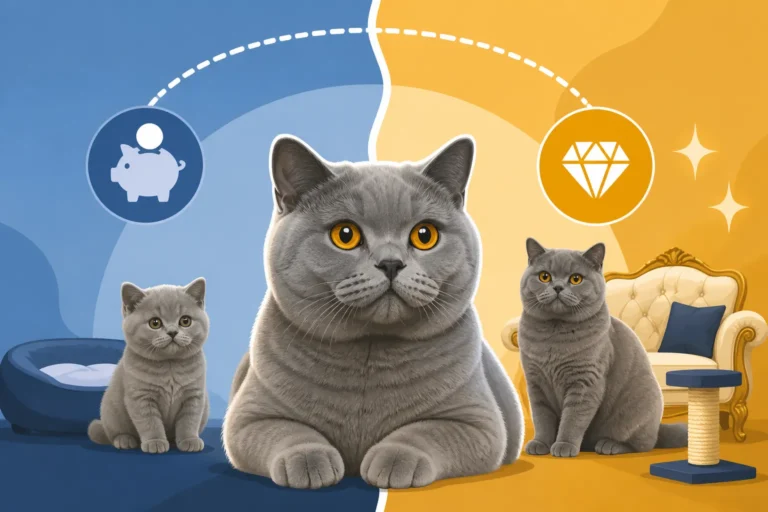
British Shorthair Adoption: Breeder vs. Rescue Comparison
To help clarify the differences between acquiring a British Shorthair from a reputable breeder versus adopting from a rescue, here's a comparative table outlining key aspects.
| Feature | Breeder Kitten | Adult Rescue British Shorthair |
|---|---|---|
| Initial Cost | High purchase price (often thousands), plus initial vet costs. | Lower adoption fee (typically hundreds), often includes initial vetting. |
| Age | Kitten (usually 12-16 weeks old). | Adult (any age, often 1+ years old); may be senior. |
| Known Personality | Developing; breeder can describe parent temperaments. | Often well-established; rescue can provide detailed personality profile. |
| Health History | Parents' genetic screening results (e.g., HCM echo, PKD DNA). | Varies; rescue provides available records; may be unknown for strays. |
| Spay/Neuter Status | Often part of the purchase contract; performed before leaving breeder. | Typically already spayed/neutered by the rescue. |
| Vaccinations | Initial kitten shots; further boosters needed by owner. | Usually up-to-date on core vaccinations. |
| Litter Training | Begins with breeder; owner completes training. | Almost always fully litter-trained. |
| Behavioral History | None, but learning period for new home. | May have past experiences (positive or negative) requiring patience. |
| "Teddy Bear" Look | Guaranteed purebred, adheres to breed standard. | Likely purebred or purebred mix, appearance can vary. |
| Sense of Purpose | Fulfilling a dream of owning a purebred kitten. | Giving a deserving cat a second chance at a loving home. |
Disclaimer
This article is for general informational purposes only and does not constitute professional advice. Laws, prices and regulations vary by location and change over time. Consult a qualified professional for guidance on your specific situation.