Whether a Rescue British Shorthair Has Been Tested
One of the most heartwarming aspirations for any cat lover is to open their home to a British Shorthair in need, perhaps through a rescue organization. But as you start to explore that possibility, a common worry quickly surfaces: has this beautiful rescue cat had the extensive health testing that British Shorthairs often require, especially for breed-specific conditions? It's a valid concern, and the truth is, the answer is often more complex than a simple yes or no. This guide will walk you through what to realistically expect when considering a rescue British Shorthair, particularly concerning their health background and what steps you might need to take yourself.
The Reality of Rescue Health Testing for British Shorthairs
It’s completely understandable to hope that a rescue British Shorthair would come with a full dossier of health clearances, just like you might expect from a reputable breeder. After all, you want to give a loving home to a healthy cat. However, the operational realities of most rescue organizations mean that comprehensive, breed-specific health testing, especially those expensive screenings, are rarely available.
Initial Vet Checks Versus Breed-Specific Screening
When a British Shorthair enters a rescue, the primary focus is always on its immediate well-being. This means they'll receive a thorough general veterinary examination to check for obvious illnesses, injuries, parasites, and ensure they are generally stable. They'll be brought up to date on vaccinations, dewormed, and almost certainly spayed or neutered before adoption. This is crucial initial care, and rescues do an incredible job of providing it.
However, this initial care is very different from the breed-specific screenings that are so vital for British Shorthairs. We're talking about things like regular echocardiograms to screen for Hypertrophic Cardiomyopathy (HCM), which is a prevalent heart condition in the breed, or DNA tests for Polycystic Kidney Disease (PKD) if the cat's lineage is unknown. These are specialized tests that require specific equipment and veterinary expertise, often from specialists like veterinary cardiologists. A rescue's general vet check, while thorough for general health, typically doesn't include these in-depth screenings unless a problem is already overtly apparent. For example, a vet might detect a heart murmur during a routine check, which would then prompt further investigation, but they wouldn't perform an echo on every incoming British Shorthair as a preventative measure. It's a critical distinction, and one that often catches prospective adopters off guard.
Resource Constraints of Rescue Organizations
Rescue organizations operate on incredibly tight budgets, relying heavily on donations, fundraising, and the tireless work of volunteers. Every dollar they receive is stretched to cover immediate medical needs, food, shelter, and rehoming efforts for countless animals. Imagine the cost if every British Shorthair passing through their doors needed a yearly echo that replaces a British Shorthair gene test, or specialized genetic panels. The expense would be astronomical and unsustainable.
Their priority has to be saving lives and providing basic, essential care to as many animals as possible. This means that while they desperately want every cat to be perfectly healthy, allocating thousands of dollars for preventative, breed-specific screening on an animal whose full history is often unknown is simply not feasible. They have to make tough choices about where their limited resources can do the most good, and that's usually focused on treating acute illnesses, injuries, and ensuring basic health and welfare.
Urgent Care Versus Preventative Screening
Consider the typical journey of a rescue British Shorthair. They might come from a home where the owner could no longer care for them, from an accidental litter, or even from a less-than-ideal breeding situation. Their history is often murky or entirely unknown. In such cases, the rescue's immediate concern is to stabilize any existing health crises – whether it's an upper respiratory infection, dental issues, or malnutrition. Once these immediate threats are addressed, they focus on finding the cat a suitable forever home.
Preventative screening, like the kind a responsible breeder would undertake, such as considering what a British Shorthair breeder should have tested, aims to catch potential hereditary conditions before they become symptomatic or severe. While incredibly important for the long-term health of the breed and individual cats, this type of proactive screening often falls outside the scope of what a general rescue can realistically provide given their mission and limited funds. They are often reactive to existing problems rather than proactive in preventing potential future ones that are not immediately evident.
What You Can Expect from a Rescue British Shorthair
Even if extensive breed-specific health testing isn't usually part of the rescue package, a reputable rescue will still provide valuable information and ensure your potential British Shorthair companion is ready for a new home in many other crucial ways.
Basic Medical History and Treatments
A good rescue organization will always be transparent about the known medical history of the British Shorthair you're considering. This typically includes:
- Vaccination Records: Proof that the cat is up-to-date on core vaccines (like rabies and feline distemper).
- Spay/Neuter Certificate: Confirmation that the cat has been sterilized, which is a standard practice for responsible rescues.
- Deworming and Flea Treatment: Information on when the cat last received parasite prevention.
- Any Treated Conditions: Details of any illnesses or injuries the cat sustained while in the rescue's care, and how they were treated. For instance, if the cat had an ear infection or a minor wound, they should provide records of its diagnosis and treatment.
- Medication History: If the cat is on any ongoing medication for a chronic but managed condition, this will be clearly communicated.
While this isn't breed-specific genetic screening, it's a solid foundation of care and ensures the cat isn't bringing any easily communicable diseases or untreated immediate health concerns into your home. This information helps you and your own veterinarian establish a baseline for future care.
Observable Health and Behavioral Assessments
Rescues spend a lot of time with the cats in their care. They'll notice things that a brief vet check might miss. They observe daily habits, personality traits, and any subtle signs of discomfort or illness. This includes:
- Appetite and Thirst: Whether the cat is eating and drinking normally.
- Litter Box Habits: Any issues with inappropriate urination or defecation.
- Energy Levels: Is the cat lethargic, or is it appropriately calm and playful for a British Shorthair? This can be a subtle indicator; for example, signs a British Shorthair is breathing hard could be missed if not for diligent observation.
- Coat Condition and Grooming: Whether the cat is self-grooming adequately (an overweight British Shorthair might struggle with this).
- Temperament: How the cat interacts with people, other cats, and potentially dogs, children, or strangers. While not a 'health test,' understanding A British Shorthair's Temperament Is Really Like can help you determine if they'll fit into your home environment. This behavioral assessment is invaluable, as it helps match the right cat with the right family, preventing future rehoming.
These observations, while not formal tests, can provide significant insights into a cat's overall health and well-being. A British Shorthair who is consistently hiding, not eating, or showing signs of discomfort would certainly prompt further investigation by the rescue's veterinary team.
Asking the Right Questions
When you're considering adopting a rescue British Shorthair, don't be shy about asking questions! A transparent rescue will appreciate your thoroughness. Here’s a little table to help you compare what to ask:
| Area of Inquiry | What a Rescue Might Provide | What a Reputable Breeder Should Provide | Your Role Post-Adoption |
|---|---|---|---|
| General Health | Vaccination records, spay/neuter certs, deworming, known treatments for general illness/injury | All of the above, plus proof of parents' health statuses | Schedule a comprehensive vet check immediately. |
| Heart Health (HCM) | Notation of any heart murmur detected, if present. | Annual echocardiogram results for both parents, clear documentation, possibly going back generations. | Budget for and arrange The Age a British Shorthair Should Start Screening and regular echoes. |
| Kidney Health (PKD) | Notation if kidney issues were identified or treated. | PKD1 DNA test results for both parents, confirming negative status. | Consider a Whether a British Shorthair Should Be PKD Tested test if lineage unknown. |
| Blood Type | Typically not screened unless an emergency transfusion is needed. | Blood type documentation for queen and stud, especially if Type B. | Discuss Whether a Pet British Shorthair Needs Blood Typing with your vet, especially if planning to breed (though unlikely with rescue). |
| Behavior | Detailed notes on personality, interactions, litter habits. | Insights into typical breed temperament, socialization efforts. | Continue socialization, provide enriching environment. |
| History | As much as they know – often limited. | Full pedigree, health history of lines. | Be prepared for unknowns and potential surprises. |
This conversation is your chance to understand the cat's known background and the rescue's assessment of its health and personality. If you're specific about your concerns regarding British Shorthair health issues, they may be able to provide more targeted information or even recommend tests you could pursue after adoption.
Taking Matters into Your Own Hands: Post-Adoption Health Strategy
So, you've decided to welcome a beautiful British Shorthair from rescue into your family, knowing that extensive breed-specific testing might not have been performed. This is where you, as their new guardian, step in. You’ll become their health advocate, and there are very clear steps you can take to ensure they receive the best possible care going forward.
Prioritizing a Comprehensive Vet Visit
The absolute first thing you should do after adopting a rescue British Shorthair, ideally within the first few days, is to schedule a comprehensive visit with your own trusted veterinarian. This isn't just a quick check-up; it's an opportunity for your vet to establish a baseline for your new cat's health.
During this visit, be completely open with your vet about the cat's rescue background and your concerns about potential breed-specific conditions. Your vet can perform a thorough physical exam, review any records provided by the rescue, and discuss a proactive health plan tailored to the British Shorthair breed. They can check for signs of common British Shorthair ailments like Gingivitis in a British Shorthair or assess their body condition score, especially since Obesity Is the British Shorthair's Real Disease. This initial visit is crucial for catching anything that might have been missed or for identifying early warning signs. It's about setting your new family member up for a lifetime of health and happiness.
Essential Breed-Specific Screenings to Consider
While the rescue may not have performed these tests, you absolutely can and should consider them for your British Shorthair. Budgeting for these proactively is a smart move.
- Hypertrophic Cardiomyopathy (HCM) Screening: This is probably the most critical test for British Shorthairs. Since there's no DNA test for HCM in British Shorthairs, annual echocardiograms are the gold standard for monitoring heart health. Talk to your vet about scheduling the cat's first echo with a board-certified veterinary cardiologist. Even if a British Shorthair shows no outward signs, HCM can progress silently. Knowing what a British Shorthair's echo costs can help you plan financially.
- Polycystic Kidney Disease (PKD) Screening: Many British Shorthairs carry the PKD1 gene, which can lead to kidney cysts. If the rescue cannot provide documentation of a DNA test for PKD, your vet can recommend one. A simple cheek swab or blood sample can determine if your cat carries the gene. An ultrasound can also screen for existing cysts, particularly as The Age PKD Shows in a British Shorthair can vary.
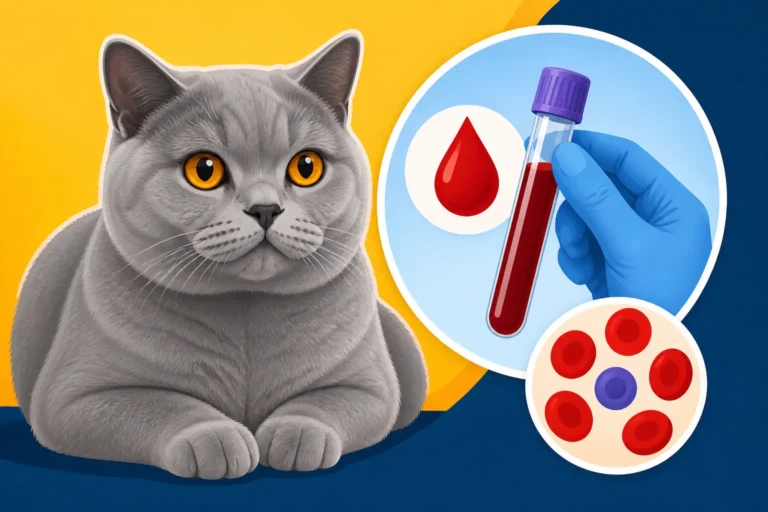
- Blood Typing: While perhaps not an immediate concern for a pet cat, knowing your British Shorthair's blood type can be incredibly important in an emergency situation requiring a blood transfusion. British Shorthairs have a higher incidence of Blood Type B and the British Shorthair Kittens It Kills than some other breeds, which is a key factor if you're ever in a situation where a blood transfusion might be necessary, and Why Blood Type Matters for a British Shorthair Transfusion. It's a relatively inexpensive test and provides invaluable information for emergency preparedness.
- Regular Dental Checks: British Shorthairs can be prone to dental issues. Regular vet checks will include an assessment of dental health, but your vet may recommend specific dental cleanings as needed.
Remember, early detection of many conditions can lead to better management and a higher quality of life for your cat. Don't shy away from these conversations with your vet.
Financial Planning for Potential Health Needs
Adopting a rescue British Shorthair is an incredibly rewarding experience, but it’s essential to be realistic about the financial commitment, especially when their health history is unknown. Those breed-specific tests, potential treatments, and ongoing care add up.
- Emergency Fund: It's always wise to have an emergency fund set aside for any pet. For a British Shorthair, this might be even more critical due to the potential for conditions like HCM, which can sometimes lead to sudden, expensive emergencies, such as What Saddle Thrombus Does to a British Shorthair.
- Pet Insurance: This is where a company like Healthy Paws can truly be a lifesaver. Pet insurance can help offset the costs of unexpected illnesses, accidents, and even some diagnostic tests. While it may not cover pre-existing conditions (another reason to get a vet check and insurance early!), it can provide peace of mind for future health concerns that might arise. Researching plans and understanding what they cover (and exclude) is crucial.
- Budget for Preventative Care: Factor in the costs of annual vet visits, recommended screenings like those yearly echoes, vaccinations, and quality nutrition. Thinking about What a British Shorthair Costs Over Its Lifetime helps put these individual expenses into perspective. A British Shorthair's long lifespan, often The Twelve to Seventeen Years a British Shorthair Gets, means a long-term commitment to their well-being.
By being prepared financially, you ensure that you can provide the best possible care for your British Shorthair, regardless of their past.
The Value of a Rescue British Shorthair (Even Without Tests)
Even with the uncertainties regarding health testing, adopting a British Shorthair from a rescue is an incredibly noble and fulfilling path. These cats are just as deserving of love, warmth, and a forever home as any other.
Giving a Second Chance
Every rescue cat has a story, and often, it's not a happy one. Whether they were surrendered, abandoned, or came from a difficult situation, giving a British Shorthair a second chance at a loving home is one of the most generous things you can do. You’re not just adopting a cat; you’re offering stability, security, and a future they might not otherwise have had.
These cats often bloom in their new environments, revealing personalities that were perhaps suppressed by stress or neglect. The bond you form with a rescue cat can be incredibly profound, built on trust and the unspoken understanding that you saved them. Many British Shorthair owners attest to the deep affection and gratitude their rescue cats show.
Understanding Their Journey
Part of embracing a rescue British Shorthair is understanding that their journey to you might have been complex and opaque. Their background might be a mystery, which is why the health testing often isn't available. You might never know who their parents were, or if they came from a reputable British Shorthair breeder, but you can give them a future.
This means accepting that there might be unknowns, and committing to addressing any health or behavioral issues that arise with patience and love. It's a different kind of commitment than bringing home a kitten with a full pedigree and health clearances, but it's equally, if not more, rewarding in its own way. You are writing the next chapter of their story, and that's a truly special privilege.
Ultimately, while a rescue British Shorthair might not arrive with a stack of health certificates, the opportunity to provide a loving home to a cat in need is immeasurable. With a proactive approach to their veterinary care, a deep understanding of the breed's needs, and a commitment to their well-being, you can ensure your rescue British Shorthair thrives for many happy years to come.
Disclaimer
This article is for general informational purposes only and does not constitute professional advice. Laws, prices and regulations vary by location and change over time. Consult a qualified professional for guidance on your specific situation.