Whether a Type B British Shorthair Queen Can Be Bred Safely
Bringing new British Shorthair kittens into the world is an incredibly exciting prospect, but for breeders working with a Type B queen, it also comes with a unique set of serious challenges. The worry about whether those precious newborns will even survive their first few days is a heavy burden, and it’s a valid concern rooted in feline genetics. This guide will walk you through everything you need to know about safely breeding a Type B British Shorthair queen, from understanding the science to implementing critical preventative measures.
Understanding British Shorthair Blood Types and the Risks of Type B
When you're dealing with the intricate world of feline breeding, blood types aren't just something vets worry about for transfusions. For British Shorthairs, specifically, blood type can be a matter of life or death for newborn kittens, and understanding why is the very first step in responsible breeding.
The Basics of Feline Blood Types in British Shorthairs
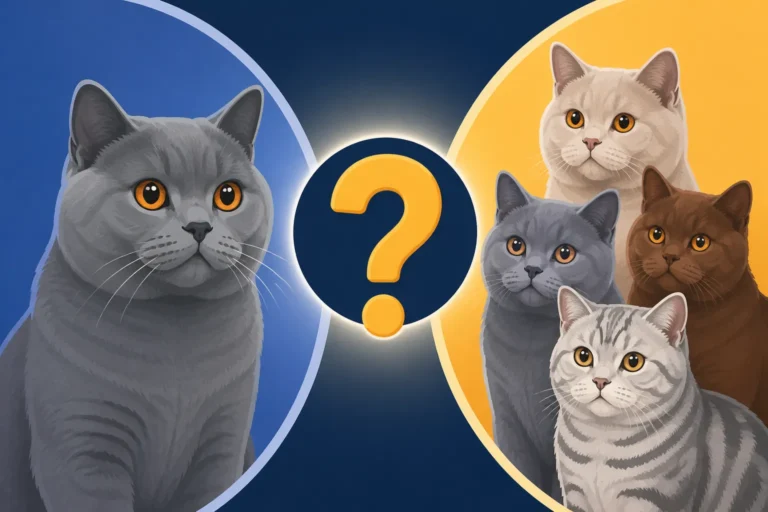
Just like humans, cats have different blood types, though the system is a bit simpler. The most common feline blood group system is the AB system, which includes Type A, Type B, and the very rare Type AB. For British Shorthairs, this is particularly important because the breed has a notably high incidence of Type B blood. In fact, British Shorthairs, along with some other breeds like Devon Rex and Cornish Rex, are known for having a significant portion of their population carrying or expressing the Type B allele. This isn't just a fun fact; it's a fundamental genetic reality that dictates safe breeding practices.
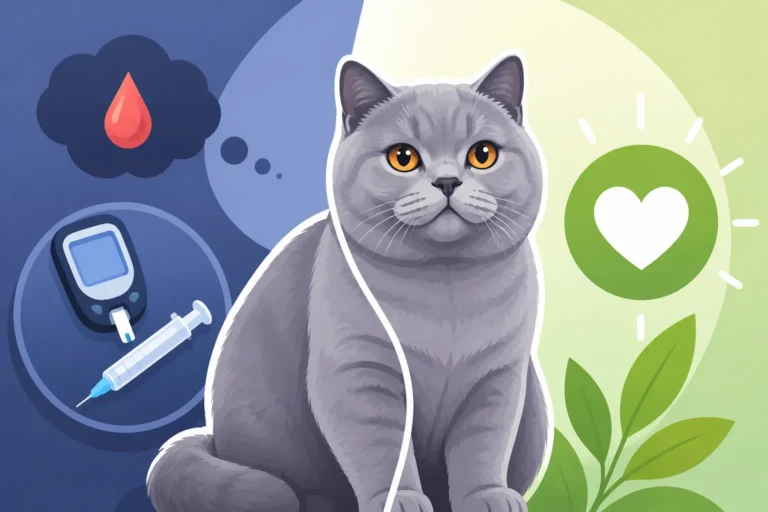
Type A is the most common blood type in the general cat population, and cats with Type A blood have naturally occurring low levels of anti-B antibodies. Type B cats, however, are a different story. They have strong, naturally occurring anti-A antibodies in their plasma, which are present from birth. These antibodies are crucial to understanding the risks involved in breeding. Type AB is extremely rare and behaves somewhat like Type A, but cats with this type have no or very weak anti-A or anti-B antibodies. Knowing Which Blood Types a British Shorthair Can Have is vital, as is understanding Why Type B Is So Common in British Shorthairs, which directly impacts breeding strategies and outcomes within the breed.
The Dangers of Neonatal Isoerythrolysis NI
The presence of those strong anti-A antibodies in a Type B queen is precisely why breeding her carries such significant risks if not managed correctly. The primary danger is a condition called Neonatal Isoerythrolysis, often abbreviated as NI. This happens when a Type B queen is bred to a Type A tom, and the resulting kittens inherit Type A blood from their father. When these Type A kittens nurse from their Type B mother, they ingest her colostrum – the antibody-rich first milk. Because the queen is Type B, her colostrum contains high concentrations of potent anti-A antibodies.
These maternal anti-A antibodies are absorbed through the kittens' gut lining during their first 24-48 hours of life, directly attacking the Type A red blood cells in their bloodstream. The consequences are devastating: the kittens' red blood cells are destroyed, leading to severe anemia, jaundice, and kidney failure. Without immediate intervention, which isn't always successful, this condition is almost invariably fatal. It’s a heartbreaking scenario that responsible breeders must prevent at all costs. What Neonatal Isoerythrolysis Does to a British Shorthair Kitten is a stark reality that illustrates the importance of meticulous planning, and it's a critical reason Why a Type B British Shorthair Queen Kills Type A Kittens if proper precautions aren't taken.
Safe Breeding Practices for Type B British Shorthair Queens
Ensuring the health and survival of a litter from a Type B British Shorthair queen hinges entirely on meticulous planning and adherence to specific breeding protocols. This isn't a situation where you can guess or hope for the best; it requires definite action.
The Importance of Blood Typing Both Parents
The cornerstone of safe breeding for any Type B queen is comprehensive blood typing of both potential parents before any mating takes place. This isn't just a recommendation; it's a non-negotiable step. Without knowing the blood types of the queen and the prospective tom, you are essentially gambling with the lives of an entire litter. Imagine the distress of realizing, too late, that your queen's colostrum is poisoning her own kittens. It's a scenario no responsible breeder ever wants to face.
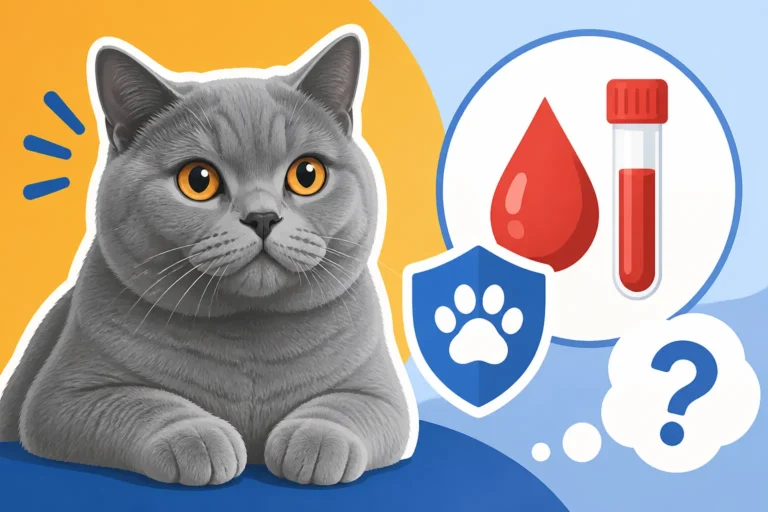
There are a couple of common methods for blood typing cats. One involves a quick card test, which can be done in many veterinary clinics and provides results within minutes. While convenient, these are best verified by a more comprehensive lab test, especially for breeding animals. The other, and arguably more reliable, method is a DNA-based test. This often involves sending a cheek swab or blood sample to a specialized veterinary genetics laboratory. These DNA tests can not only confirm the cat's phenotypic blood type (what they express) but also identify if they carry the recessive 'b' allele, even if they express Type A. This depth of information is invaluable for making informed breeding decisions and for future generations. Understanding How a British Shorthair Is Blood Typed and being aware of Whether a British Shorthair Blood Type Test Uses DNA or a Card can help you choose the most accurate and reliable method for your breeding program. Many breeders also find that having pet insurance like Healthy Paws, even for their breeding animals, offers peace of mind for unforeseen veterinary needs, although routine blood typing is generally an out-of-pocket expense.
Selecting the Right Stud for a Type B Queen
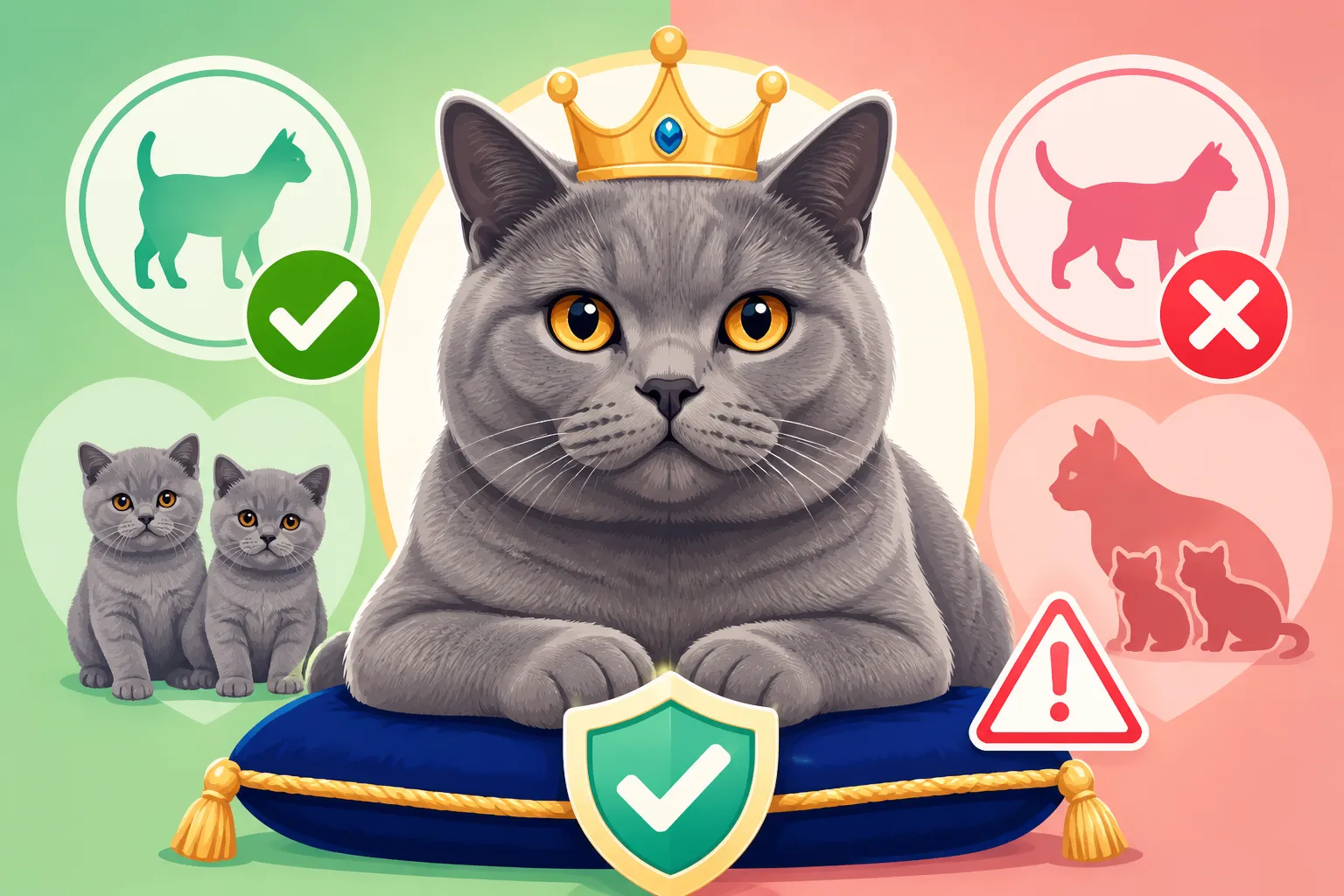
This is where the rubber meets the road. Once you've established that your queen is Type B, your choice of tom becomes critically important. To absolutely prevent Neonatal Isoerythrolysis, a Type B British Shorthair queen must only be bred to a Type B tom. Let me repeat that for emphasis: only breed a Type B queen to a Type B tom.
If you breed a Type B queen to a Type A tom, there’s a high probability that some or all of the kittens will inherit Type A blood. Even if the Type A tom carries the recessive 'b' allele (making him A/b), there's still a 50% chance each kitten will be Type A. As we discussed, these Type A kittens will ingest the queen's anti-A antibodies, leading to NI. If you were to breed to a very rare Type AB tom, the outcome would be similarly disastrous, as any Type A kittens produced would still be at risk. This precise genetic incompatibility is the reason Which British Shorthair Pairing Causes Neonatal Isoerythrolysis is so strictly defined, and why selecting Which Tom a Type B British Shorthair Should Be Bred To is a decision that demands absolute certainty through prior blood typing. It's not about preference or convenience; it's about the fundamental safety of the litter.
Here's a quick overview of blood type pairings and their risks:
| Queen's Blood Type | Tom's Blood Type | Potential Kitten Blood Types | Risk of Neonatal Isoerythrolysis (NI) |
|---|---|---|---|
| Type A | Type A | Type A | None |
| Type A | Type B | Type A (if tom is pure b) | None (queen has low anti-B) |
| Type A | Type AB | Type A, Type AB | None |
| Type B | Type B | Type B | None (Safest for Type B queen) |
| Type B | Type A | Type A, Type B (50% chance of A) | HIGH (Severe for Type A kittens) |
| Type B | Type AB | Type A, Type B, Type AB | HIGH (Severe for Type A kittens) |
| Type AB | Any | Varies | Low (Type AB cats have weak antibodies) |
Managing a Type B Queen's Litter: Preventing and Addressing NI
Even with the most careful planning, sometimes things don't go exactly as expected, or a breeder might be working with a rescue cat whose history isn't fully known. This makes proactive management and quick action absolutely critical once kittens arrive.
Preventing NI in Mixed Litters
If, for any reason, a Type B queen has been bred to a Type A tom, or if you're unsure of the tom's blood type and need to be absolutely safe, preventing NI becomes a race against time. The crucial period for antibody absorption in kittens is the first 24 to 48 hours after birth. During this window, the kittens' intestinal lining is permeable, allowing large antibody molecules from the colostrum to pass directly into their bloodstream. After this period, the gut closes, and antibodies can no longer be absorbed in significant amounts.
Therefore, the primary preventative measure is to prevent Type A or Type AB kittens from ingesting their Type B mother's colostrum during this critical window. This means identifying and removing any at-risk kittens immediately after birth. This is usually done by blood typing each kitten at birth (often using a quick card test on umbilical cord blood) and then hand-rearing the Type A or Type AB kittens with a milk replacer or, ideally, with colostrum from a Type A queen who has recently given birth. For the first 24-48 hours, these kittens must be kept completely separate from their biological mother, ensuring they do not nurse even once. Some breeders may even muzzle the queen if there's no other way to ensure separation. Why the First Day of Colostrum Matters to a British Shorthair cannot be overstated in this context; it's the period of highest risk. After 48 hours, once their gut permeability has significantly decreased, the Type A kittens can usually be safely returned to their mother to nurse, as they will no longer absorb the harmful antibodies. However, they will still need careful monitoring. Learning How British Shorthair Kittens Are Hand Reared to Survive is a skill every British Shorthair breeder should possess, especially when managing potentially mixed-blood-type litters.
Recognizing and Responding to Signs of NI
Despite all preventative efforts, sometimes NI can still occur, or a kitten might show signs before intervention is possible. Recognizing the symptoms early is paramount for any chance of survival, though the prognosis is often grim once symptoms appear. Kittens suffering from NI can rapidly fade. They might appear weak and lethargic, not nursing effectively, or separating from the rest of the litter. Their urine might turn dark brown or reddish due to the breakdown of red blood cells. Jaundice, a yellowing of the skin and mucous membranes, can also become apparent as the liver struggles to process the cellular debris.
If you observe any of these Signs a Newborn British Shorthair Kitten Is Fading, immediate veterinary intervention is required. Time is of the essence, as How Fast Isoerythrolysis Kills a British Shorthair Kitten can be shockingly rapid, sometimes within hours of ingesting colostrum. A vet may attempt supportive care, which could include fluid therapy, oxygen, warmth, and potentially even a blood transfusion using Type B blood. However, even with prompt and aggressive treatment, the survival rate for symptomatic NI kittens is distressingly low. This underscores the critical importance of prevention through careful blood typing and breeding choices, and the diligence required in kitten management during those initial crucial days. This is where having comprehensive pet insurance like Healthy Paws could theoretically assist with emergency veterinary costs, though preventative measures are always the best first line of defense.
Ethical Considerations and Long-Term Implications for Type B Breeding
Breeding is a profound responsibility, and when dealing with Type B British Shorthair queens, these ethical considerations take on an even sharper edge. It's not just about producing beautiful kittens, but about ensuring their health and well-being from the very start.
The Responsibility of the Breeder
The ethical responsibility for a British Shorthair breeder with a Type B queen is immense. It starts with the absolute commitment to blood type all breeding animals. To knowingly breed a Type B queen to a Type A tom, or to simply "hope for the best" without pre-screening, is to disregard the well-being of the kittens. This negligence can lead to immense suffering and loss, and it reflects poorly on the entire breeding community. A truly responsible breeder goes above and beyond, not only by ensuring compatible pairings but also by being prepared for the demanding task of hand-rearing should an accidental or unknown pairing occur.
Furthermore, transparency is key. When selling kittens, especially if there was any risk of NI or if a kitten had to be hand-reared due to potential blood type incompatibility, this information should be fully disclosed to the new owners. This allows them to be aware of any potential residual health concerns, though typically if a kitten survives NI, it does not suffer long-term effects. This commitment extends to ongoing health screenings for the entire breeding program, ensuring not only blood type compatibility but also general genetic health. A comprehensive approach, like ensuring What a British Shorthair Breeder Should Have Tested for their breeding cats, reflects a deep ethical commitment to the breed's future.
Health and Lifespan of Kittens Born to a Type B Queen
If a Type B queen is bred safely to a Type B tom, all resulting kittens will be Type B, and there is no risk of Neonatal Isoerythrolysis. These kittens are typically healthy and will develop normally, just like any other well-bred British Shorthair. Their lifespan and overall health profile should be consistent with the breed standard, assuming good general health management and genetic screening practices.
However, if NI does occur in a litter and kittens manage to survive – either through intensive veterinary intervention or because they only absorbed a small amount of antibodies – there can be long-term implications. Kittens that have experienced severe NI and survived might have lingering health issues such as chronic anemia, kidney damage, or liver problems. While some may recover completely, others might face a reduced quality of life or a shortened lifespan due to the initial damage. This makes the preventative measures even more critical. The goal should always be to prevent NI entirely, ensuring every kitten born has the best possible start in life without battling a preventable immune reaction from their own mother's milk. Good health insurance, like from Healthy Paws, can be invaluable for owners who take on a rescue cat with an unknown past, or for any unexpected health challenges that may arise throughout a British Shorthair's life, though preventing NI is ultimately the breeder's responsibility.
Disclaimer
The information provided in this article is for educational purposes only and is not intended to be a substitute for professional veterinary advice. Always consult with a qualified veterinarian regarding your British Shorthair's health and any breeding decisions.