Whether a British Shorthair Breeder Shows Echo Results
Bringing a British Shorthair into your home is an exciting prospect, filled with dreams of a calm, cuddly companion. However, the path to finding a healthy kitten can feel like navigating a minefield, especially when trying to understand complex health screenings. One of the biggest concerns for this beloved breed is Hypertrophic Cardiomyopathy (HCM), a serious heart condition. It’s completely natural to wonder what exactly a breeder should be showing you to prove their cats are healthy, particularly regarding echocardiogram (echo) results. This guide will thoroughly explain why these results are critical and what a responsible British Shorthair breeder will readily provide.
Understanding British Shorthair Cardiac Health Screening
When you’re looking for a British Shorthair, you’re not just looking for a cute face; you’re looking for a healthy family member who will be with you for years to come. The reality is, some breeds, including our chunky British Shorthair friends, are predisposed to certain health conditions that dedicated breeders work hard to minimize. HCM is at the top of that list for many prospective owners, and rightly so.
Why HCM is a Concern for British Shorthairs
Hypertrophic Cardiomyopathy (HCM) is a heartbreaking disease in which the walls of a cat's heart thicken, making it harder for the heart to pump blood effectively. Imagine trying to squeeze water through a straw that's getting narrower and narrower – that's essentially what happens with HCM. For British Shorthairs, HCM is a significant concern because it's one of the most common heart diseases found in cats, and unfortunately, British Shorthairs are considered a breed at higher risk. Unlike some other breeds, such as the Maine Coon, there isn't a widely accepted, reliable DNA test for HCM in British Shorthairs. This means breeders cannot simply take a cheek swab and declare their breeding cats clear of the genetic predisposition. This lack of a DNA shortcut makes other screening methods even more vital.
The insidious nature of HCM is that it often progresses silently, with no outward symptoms until the disease is quite advanced, or worse, until a catastrophic event like sudden cardiac death or arterial thromboembolism (saddle thrombus) occurs. As a British Shorthair owner, you might not notice any issues until your beloved cat starts showing signs of labored breathing, lethargy, or loss of appetite. By this point, the disease is usually quite advanced, and management becomes a challenge. Understanding What HCM Does to a British Shorthair's Heart can truly underscore why diligent screening is so important for the breed's well-being and longevity. Because there's no single gene test for this condition in British Shorthairs, breeders and owners alike must rely on more direct diagnostic methods to monitor heart health.
The Role of Echocardiograms in Screening
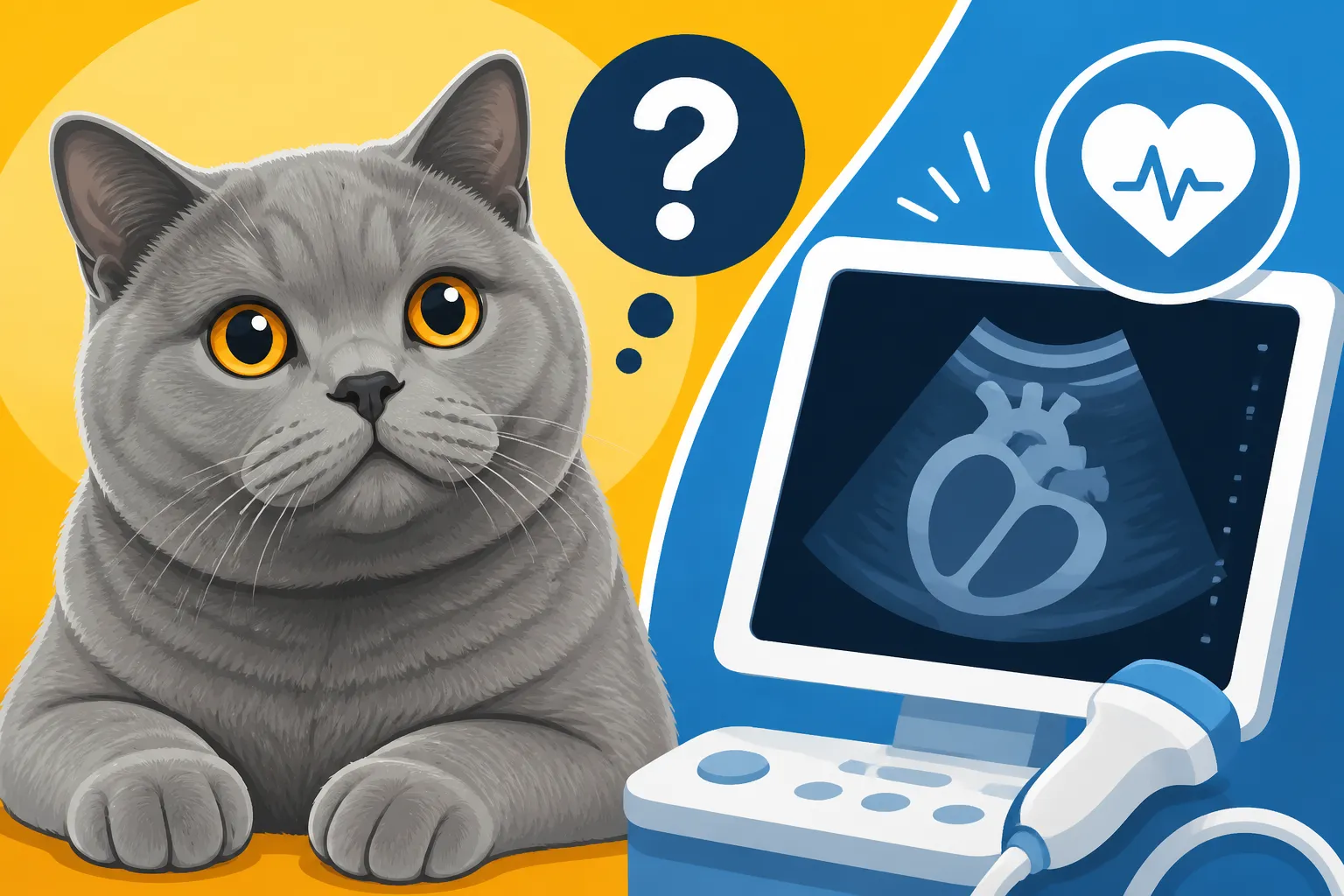
Given the absence of a specific DNA test for HCM in British Shorthairs, the echocardiogram (often just called an "echo") becomes the cornerstone of responsible breeding practices. An echocardiogram is essentially an ultrasound of the heart. It's a non-invasive, painless procedure where a veterinary cardiologist uses sound waves to create a real-time image of the heart's structure and function. Think of it like a highly detailed video of your cat's heart beating, allowing the specialist to measure the thickness of the heart walls, assess the size of the chambers, and observe how well the valves are working and how blood is flowing.
During an echo, your British Shorthair will typically lie comfortably on a table, often purring, while a technician or cardiologist gently shaves a small patch of fur on their chest to ensure good contact with the ultrasound probe. Sedation is usually not required, which is a huge relief for many owners. The images captured provide crucial information about the heart muscle, detecting any abnormal thickening characteristic of HCM. This specialized diagnostic tool is truly the gold standard for diagnosing HCM in living cats and for screening breeding animals. For more detail on the process, you might find it helpful to learn How a British Shorthair's Echo Is Performed. Because HCM can develop at various ages, it's not a one-and-done test. Regular, ongoing screening is essential, which is why The Yearly Echo That Replaces a British Shorthair Gene Test is such a critical part of a responsible breeder's protocol.
Breeder Transparency and Health Guarantees
When you’re investing your time, emotions, and money into a British Shorthair, you deserve complete honesty and verifiable proof of their health. A breeder’s transparency about health screening, especially concerning echocardiogram results, is a non-negotiable sign of their commitment to the breed and to you. This isn't just about good intentions; it's about demonstrated action.
What Reputable Breeders Should Provide
A truly reputable British Shorthair breeder will not only screen their breeding cats for HCM using echocardiograms but will also be completely open and eager to share those results with you. When you inquire about a kitten, they should be able to provide clear documentation of the parents' (sire and dam) most recent HCM screenings. This isn't just a verbal assurance; it should be actual paperwork or digital records. These records should include:
- The date of the echocardiogram: This is crucial because HCM can develop over time, meaning a clear scan from two years ago isn't sufficient for a currently breeding cat. Annual screening is the standard.
- The name of the veterinary cardiologist: The scan should always be performed by a board-certified veterinary cardiologist, not a general practice vet. Cardiologists have specialized training and equipment to accurately interpret these complex images.
- The results of the scan: This should explicitly state "normal" or "clear" for HCM. If there are any findings, the breeder should be transparent about them and explain their implications.
Asking Which Questions to Ask a British Shorthair Breeder is essential, and specifically asking to see echo results for both parents should be at the top of your list. A breeder who truly prioritizes health will have these documents organized and ready to share, understanding that it provides peace of mind for their kitten buyers. This level of detail confirms What a British Shorthair Breeder Should Have Tested to maintain the health of their lines. If a breeder hedges, says the records are "at home," or implies it's not necessary, that's a significant red flag.
Interpreting Echo Results and Red Flags
Once a breeder provides the echo results, knowing what you're looking at and what to expect can be empowering. Ideally, you want to see a report from a board-certified veterinary cardiologist stating that the cat's heart is "normal" or "clear" for HCM. The report should typically list specific measurements of the heart's chambers and wall thickness, along with the cardiologist's final assessment. Remember, a clear echo is typically considered valid for about one year, which is why annual screenings are so important for breeding cats. How Long a Clear British Shorthair Echo Is Good For is a common question, and understanding this timeframe helps you assess the recency and relevance of the results presented.
Here's a quick guide to what to look for and what might signal a problem:
| Reputable Breeder Practices | Warning Signs (Red Flags) |
|---|---|
| Provides detailed, dated reports from a board-certified veterinary cardiologist for both parents. | Hesitates or makes excuses when asked for documentation, saying things like "The vet just told me it's fine," or "I forgot to bring the papers." |
| Shows annual screening results, demonstrating consistent monitoring of their breeding cats over time. | Presents outdated results (e.g., a single scan from years ago for a cat still breeding) or only offers screening for one parent. |
| Explains the screening process and the importance of HCM awareness for the breed. | Claims HCM isn't an issue in their lines or with British Shorthairs in general, or states that general vet check-ups are sufficient. |
| Offers a health guarantee in their contract, often specifically mentioning hereditary conditions like HCM, sometimes with provisions for future screening costs. | Lacks a written contract or offers a contract that doesn't mention health guarantees for hereditary conditions, or places unreasonable demands on the buyer to prove a condition's origin. |
| Encourages you to talk to their vet or look up the certifying cardiologist's credentials. | Discourages questions about health or becomes defensive, making you feel uncomfortable for asking about such fundamental aspects of a kitten's well-being. |
| Provides a clear protocol for what happens if a kitten develops a hereditary condition like HCM within the guarantee period. | Offers a kitten at a significantly lower price than other reputable breeders in your area, which often indicates corners were cut on health testing or quality. For example, a British Shorthair sold under a thousand might signal a lack of proper health screening and care, which will cost you more in the long run. |
Don't be afraid to ask for these details. You are doing your due diligence as a responsible pet owner. While a healthy kitten from screened parents is the goal, it's also wise to consider options like pet insurance from providers such as Healthy Paws. Even with the best screening, no breeder can guarantee a kitten will never develop a health issue, and a good insurance policy can be a lifesaver if the unexpected happens.
Why This Transparency Matters to You
Choosing a British Shorthair kitten is an emotional decision, but it's also a long-term commitment that has significant implications for your family, your finances, and most importantly, your new companion's well-being. The breeder's transparency, or lack thereof, directly impacts all of these aspects.
Protecting Your Future Companion's Health
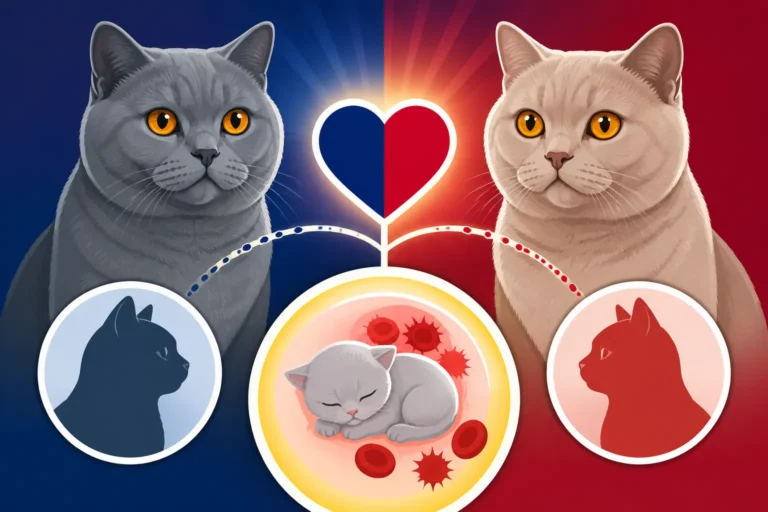
The most obvious reason to demand to see echo results is to maximize the chances of bringing home a healthy kitten. While screening parents doesn't guarantee a kitten will never develop HCM – genetics are complex, and the disease can sometimes manifest despite clear parental scans – it significantly reduces the risk. By choosing a kitten from parents with documented, annual clear echocardiograms by a board-certified cardiologist, you are choosing a kitten from a line where the breeder is actively working to eliminate this devastating disease. This proactive approach gives your future companion the best possible start in life and increases the likelihood they will live a long, happy life free from the burden of chronic heart disease.
Consider the alternative: purchasing a kitten from a breeder who can't or won't provide these crucial health records. You'd be bringing home a kitten with an unknown genetic predisposition, essentially playing Russian roulette with their heart health. Imagine forming an unbreakable bond with your British Shorthair, only for them to be diagnosed with HCM at a young age, leading to a drastically shortened life span or a life filled with medications and veterinary visits. Understanding How Long a British Shorthair Lives After an HCM Diagnosis can be sobering and highlights the importance of prevention. Being proactive and choosing a breeder who demonstrates transparent health screening practices is the most loving thing you can do for your future feline friend.
Financial Implications and Peace of Mind
Beyond the emotional toll, there are significant financial implications to consider. A British Shorthair kitten from a reputable breeder who performs all necessary health screenings might have a higher upfront cost. This higher price reflects the significant investment the breeder makes in veterinary care, quality nutrition, and ethical breeding practices. However, this initial investment is often dwarfed by the potential costs of managing a serious genetic disease like HCM. Treating HCM can be incredibly expensive, involving ongoing medications, repeat cardiology visits, specialized diets, and potentially emergency care if a clot forms or heart failure progresses. These costs can quickly run into thousands of dollars annually.
For example, What Yearly Echoes Cost a British Shorthair Owner Without a DNA Shortcut for a single cat can be hundreds of dollars, and multiplying that by several breeding cats annually represents a significant expense for a breeder. These are costs you want the breeder to absorb, not you, because they are part of producing a healthy animal. Having a pet insurance policy, such as one from Healthy Paws, can provide an invaluable safety net. While insurance won't cover pre-existing conditions, if your British Shorthair develops an unforeseen illness, having coverage can save you from making agonizing financial decisions about their care. This financial preparedness, coupled with choosing a kitten from thoroughly screened parents, gives you immense peace of mind. Knowing that you've done everything you can to ensure your British Shorthair's health, and that you're prepared for the unexpected, allows you to simply enjoy the wonderful companionship they offer without constant worry. Understanding What a British Shorthair's Heart Failure Costs at the End is a harsh reality that can be mitigated by choosing responsibly and planning ahead with financial safeguards like pet insurance.
Choosing a British Shorthair should be a joyous occasion, not a gamble. By insisting on seeing documented echocardiogram results from a board-certified veterinary cardiologist for both parents, you are making an informed decision that prioritizes your future cat's health and your own peace of mind. A reputable breeder will welcome your questions and readily provide this crucial information, demonstrating their commitment to the British Shorthair breed and to the families who adopt their kittens. Don't settle for less; your British Shorthair deserves the best possible start.
Disclaimer
This article is for general informational purposes only and does not constitute professional advice. Laws, prices and regulations vary by location and change over time. Consult a qualified professional for guidance on your specific situation.