Gingivitis in a British Shorthair
One of the most insidious problems for British Shorthair owners is dental disease, especially gingivitis. Our sweet, stoic companions are masters at hiding discomfort, and by the time you notice something is truly wrong, the issue might be advanced and far more painful than you realize. This comprehensive guide is here to walk you through everything you need to know about gingivitis in your British Shorthair, from spotting the earliest, subtle signs to effective prevention and treatment strategies.
Understanding Gingivitis in British Shorthairs
It’s easy to overlook what’s happening inside your cat’s mouth, but dental health is a cornerstone of their overall well-being. Gingivitis is a common, yet often silent, adversary for many cats, including our beloved British Shorthairs.
What Exactly is Gingivitis?
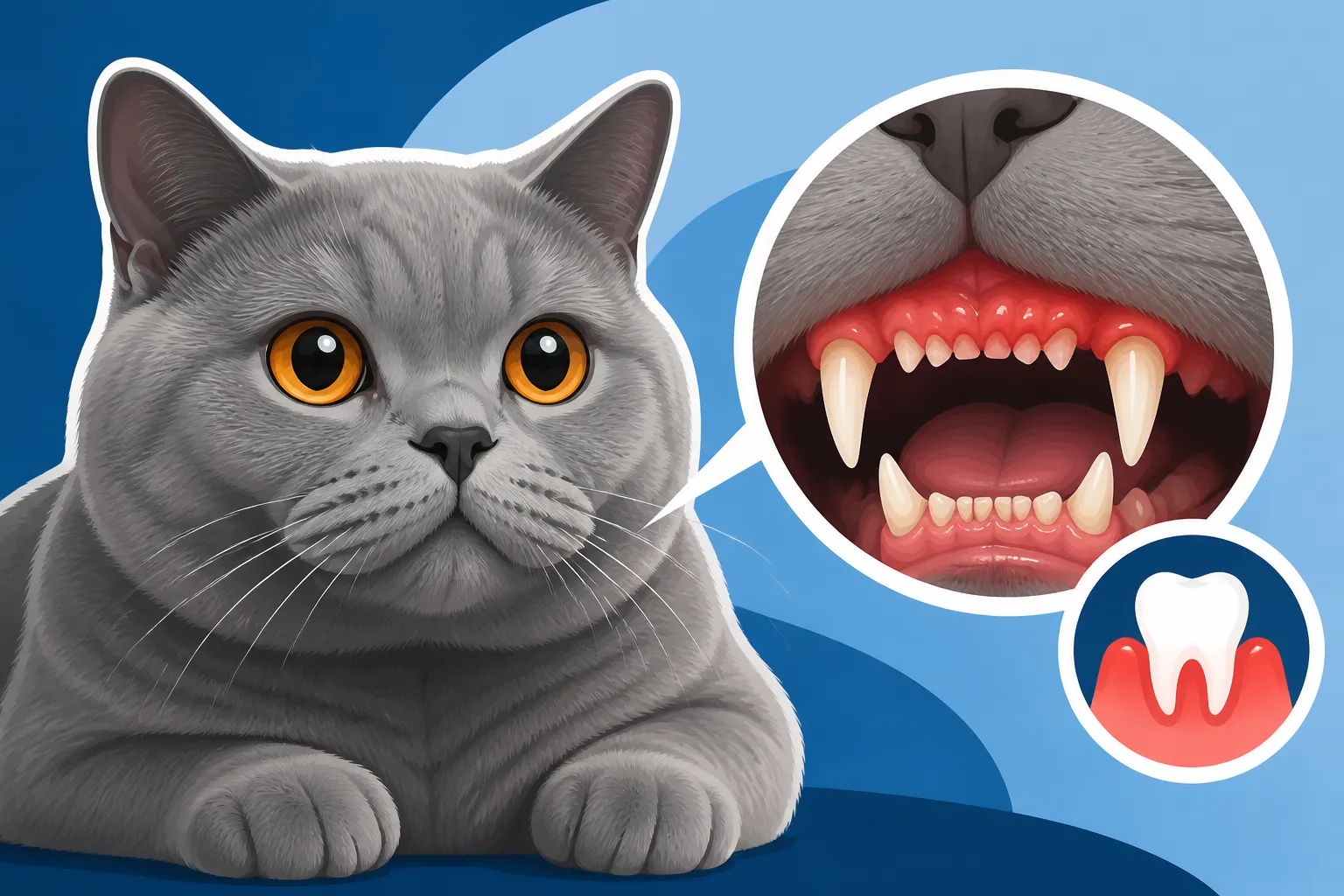
At its simplest, gingivitis is the inflammation of the gingiva, which are the gum tissues surrounding your cat's teeth. It's primarily caused by the buildup of plaque – a sticky film of bacteria, food particles, and saliva – on the tooth surfaces, especially near the gum line. If this plaque isn't regularly removed, it hardifies into tartar (calculus), a rough, porous substance that provides an even better surface for more plaque to accumulate. This bacterial proliferation irritates the gums, leading to the characteristic redness, swelling, and sometimes bleeding that defines gingivitis.
The good news about gingivitis is that, in its early stages, it’s reversible. With proper care and a professional cleaning, the inflammation can subside, and the gums can return to a healthy state. This is a critical distinction, because if left untreated, gingivitis inevitably progresses to a more severe and irreversible condition called periodontitis, which involves the destruction of the supporting structures of the teeth, including the bone. Catching and addressing gingivitis early can save your British Shorthair from immense pain, tooth loss, and more serious systemic health issues down the road.
Why British Shorthairs Are Particularly Prone
While no cat breed is entirely immune to dental disease, British Shorthairs can have certain characteristics that make them somewhat more susceptible or, at the very least, make detecting the problem more challenging. Their naturally broad, round heads and somewhat shortened muzzles, while adorable and a hallmark of the breed, can sometimes contribute to tooth crowding. When teeth are packed closely together, it creates more nooks and crannies where food particles and plaque can hide, making effective cleaning, whether by the cat itself or by an owner, much more difficult.
Beyond their unique facial structure, the British Shorthair's famously calm and rather stoic temperament, while a cherished trait, can also be a disadvantage when it comes to health issues. They are not typically vocal or outwardly dramatic about discomfort, which means they might endure significant dental pain without showing obvious signs until the problem is quite advanced. This can lead to owners missing the early indicators of gingivitis, allowing it to progress further than it would in a more demonstrative breed. Their often less active lifestyle, compared to some other breeds, might also play a subtle role in overall health, though direct links to dental health here are less clear. However, a less active cat might consume a more consistent, softer diet, which can be a factor.
Recognizing the Subtle Signs of Gingivitis
Spotting gingivitis early in your British Shorthair can be tricky, precisely because they are so adept at masking pain. It takes a keen eye and a proactive approach to catch the subtle clues before they escalate.
Early Indicators You Might Miss
Often, the very first sign of dental problems that owners notice is bad breath, medically known as halitosis. Now, let's be honest, no cat's breath smells like a bed of roses, but a distinctly foul, strong odor that wasn't there before is a major red flag. It’s caused by the bacteria accumulating in the mouth and should never be dismissed as just "cat breath." If you get a whiff of something unusually pungent when your British Shorthair yawns or gives you a head-butt, it’s time to investigate further.
Beyond the smell, you might start to notice very slight physical changes. Gently lift your cat’s lips and examine their gums. Are they a healthy salmon pink, or do you see areas of subtle redness or swelling, especially along the gum line where the tooth meets the gum? This mild inflammation is classic early gingivitis. Your British Shorthair might also become a bit more particular about their food. Instead of diving right in, they might approach their bowl with more hesitation, or start chewing only on one side of their mouth. You might even observe them dropping bits of kibble. These small changes in eating habits can be an early indicator of mouth pain. Another thing to watch for is a subtle shift in their demeanor; a cat in chronic low-grade pain might become slightly more irritable, less tolerant of being handled, or just generally "off." If you notice your British Shorthair is behaving in a way that’s just not quite right, remember that a painful mouth could be the culprit. You can learn more about general warning signs in our article, Signs a British Shorthair Is Unwell.
Advanced Symptoms and When to Seek Urgent Care
When gingivitis progresses without intervention, the signs become much more pronounced and distressing. The gums will likely be noticeably red, swollen, and may even bleed easily, particularly if you try to examine them or if your cat eats harder foods. You might see a distinct line of dark red or even purple where the gums meet the teeth. The plaque will have likely turned into a hard, yellow or brown crust of tartar, visible on the tooth surface, often quite heavy near the gum line.
At this stage, your British Shorthair will likely be experiencing significant pain. This can manifest as more obvious difficulties eating – they might refuse dry food altogether, dropping pieces, or salivating excessively. You may notice them pawing at their mouth or rubbing their face more frequently. Sometimes, cats will become withdrawn, hiding more than usual, or showing increased aggression if you try to touch their face. In severe cases, they might start to lose weight due to the chronic pain preventing them from eating adequately. Excessive drooling, especially if tinged with blood, is another serious indicator. If you observe any of these advanced symptoms, it's crucial to seek veterinary attention immediately. These are not just signs of gingivitis anymore; they likely indicate the progression to periodontitis, which can be incredibly painful and carry serious systemic risks. While not a direct dental issue, if your British Shorthair is overweight, you might also notice them struggling with grooming their back, which can sometimes lead to an owner missing visual cues that would otherwise be noticed during regular grooming sessions. This is something covered in Why an Overweight British Shorthair Stops Grooming Its Back.
Causes and Contributing Factors to British Shorthair Dental Disease
Understanding why gingivitis develops is key to both preventing and managing it in your British Shorthair. It’s often a multifaceted problem, influenced by diet, age, and even genetics.
The Role of Diet and Chewing Habits
One of the most significant factors contributing to plaque and tartar buildup is diet. While many of us feed our British Shorthairs delicious wet food or even raw diets, these softer options, while excellent for hydration and potentially palatable, offer very little abrasive action to help clean the teeth. When a cat primarily eats soft food, plaque accumulates undisturbed, quickly leading to gingivitis. Imagine never brushing your teeth and only eating soft foods – the outcome would be similar!
On the other hand, some dry kibbles are specifically formulated with larger, more abrasive kibble shapes or special coatings designed to scrub the teeth as your cat chews. However, not all dry food is created equal in this regard. Many standard dry foods are simply too small or too quickly swallowed to provide significant dental benefit. When considering your British Shorthair’s diet, it's important to look beyond just nutritional completeness to its impact on oral hygiene. While some believe dry food is inherently better for dental health, the reality is more nuanced. We explore this further in Whether a British Shorthair Should Eat Dry Food. A diet that encourages minimal chewing or offers no dental friction allows bacteria to flourish unchallenged, setting the stage for gingivitis and beyond.
Age, Genetics, and Other Health Concerns
Unfortunately, like many health issues, the risk of dental disease tends to increase with age. As our British Shorthairs grow older, their immune systems can become a little less robust, and years of plaque accumulation start to take their toll. It’s just a natural part of aging, but it doesn't mean it's inevitable or untreatable. For senior British Shorthairs, dental care becomes even more critical, and regular veterinary check-ups are paramount. This is a vital aspect of Caring for a British Shorthair Past Ten.
While there isn't a specific "gingivitis gene" identified for British Shorthairs, general genetic predispositions can certainly play a role. Some cats naturally have better dental health than others, regardless of diet or care, suggesting a genetic component to their oral microbiome or immune response. Additionally, the unique brachycephalic (short-nosed) features common in British Shorthairs, while endearing, can sometimes lead to tooth misalignment or overcrowding, as we discussed earlier. This anatomical feature alone can make teeth harder to clean and more prone to plaque accumulation.
Furthermore, systemic health issues can also impact dental health. Conditions like diabetes, kidney disease, or even FIV/FeLV can suppress the immune system, making a cat more vulnerable to infections, including those in the mouth. For instance, cats with chronic kidney disease might experience changes in their saliva composition, which can affect plaque formation. Keeping an eye on your British Shorthair's overall health and addressing any underlying conditions promptly is an important part of preventing exacerbated dental issues. Having a robust pet insurance plan like one from Healthy Paws can really ease the financial burden of managing these interconnected health challenges, ensuring you can provide the best care without undue stress. For insights into the general aging process in British Shorthairs, you might also find our guide The Age a British Shorthair Is Considered Senior helpful.
The Progression of Dental Disease and Its Risks
Gingivitis is often just the beginning. If left untreated, it can quickly escalate into more serious conditions, causing immense pain and potentially affecting your British Shorthair's entire body. Understanding this progression is crucial for appreciating the urgency of early intervention.
From Gingivitis to Periodontitis
As we've touched upon, the biggest danger of untreated gingivitis is its progression to periodontitis. When the inflammation of the gums is allowed to persist, the bacteria begin to attack not just the gum tissue, but also the deeper supporting structures of the tooth: the periodontal ligament and the alveolar bone. The body's immune response, trying to fight off the infection, can actually contribute to the destruction of these tissues.
This process starts subtly. The gum pockets around the teeth deepen, allowing more bacteria and debris to accumulate below the gum line where you can't see them. As the infection takes hold, the ligament that holds the tooth in place begins to break down, and the bone surrounding the tooth starts to resorb. This leads to tooth mobility – the teeth become loose in their sockets. Eventually, if the process continues unchecked, the teeth will fall out. Beyond tooth loss, periodontitis is excruciatingly painful. Cats may develop abscesses at the roots of their teeth, which are pockets of pus that can cause swelling, fever, and severe discomfort. The chronic infection and inflammation can severely impact your British Shorthair's quality of life, making eating, playing, and even resting a constant struggle.
Systemic Health Implications of Poor Dental Health
The mouth is not an isolated system; it's intricately connected to the rest of the body. When severe dental disease, particularly periodontitis, is present, the chronic inflammation and bacterial infection in the mouth can have far-reaching systemic consequences. The constant presence of bacteria below the gum line means these microorganisms can easily enter the bloodstream through the damaged tissues.
Once in the bloodstream, these bacteria can travel to vital organs, establishing secondary infections or exacerbating existing conditions. The most commonly affected organs include the heart, kidneys, and liver. For instance, bacteria can colonize heart valves, leading to endocarditis – a serious and potentially fatal heart infection. Similarly, chronic inflammation and bacterial load can place an extra strain on the kidneys and liver, potentially worsening conditions like chronic kidney disease or liver dysfunction. For a British Shorthair already predisposed to certain health conditions, like the heart issues often discussed, such as What HCM Does to a British Shorthair's Heart, or kidney concerns like What Polycystic Kidney Disease Does to a British Shorthair, uncontrolled dental disease adds another layer of risk and stress to their system. Maintaining excellent oral hygiene isn't just about fresh breath; it's a critical component of safeguarding your British Shorthair's overall health and longevity.
Effective Prevention Strategies for British Shorthairs
Preventing gingivitis is always better than treating it, both for your British Shorthair's comfort and your wallet. A multi-pronged approach combining home care and professional veterinary intervention is the most effective strategy.
At-Home Dental Care Routines
The gold standard for preventing plaque buildup at home is daily tooth brushing. Yes, it sounds daunting, especially with a cat, but it's genuinely the most effective way to mechanically remove plaque before it hardens into tartar. Start slowly and with immense patience. Introduce a cat-specific toothbrush (these are often smaller or finger brushes) and an enzymatic cat toothpaste (never use human toothpaste, as it contains ingredients toxic to cats, like xylitol). Begin by simply letting your British Shorthair lick the toothpaste off your finger, then slowly progress to touching their gums, and eventually, brief brushing sessions. Focus on the outside surfaces of the upper teeth, as this is where plaque tends to accumulate most. Consistency is key, even if you can only manage a few seconds each day. Getting them accustomed to it from a young age, as discussed in How Young to Start Brushing a British Shorthair's Teeth, makes a huge difference.
Beyond brushing, other at-home dental aids can offer some benefit, though they are generally less effective than brushing. Dental wipes, for example, can help physically remove some plaque from the outer surfaces of teeth. Water additives, which contain ingredients that reduce bacteria or help break down plaque, can be easily added to your cat's drinking water, but their effectiveness can vary and they are not a substitute for mechanical cleaning. Dental diets, as mentioned earlier, can also contribute, but should be chosen in consultation with your vet. Remember, these are adjuncts; they don't replace the benefits of direct brushing or professional cleanings. Our article Whether Dental Treats Help a British Shorthair provides a deeper dive into these options.
The Crucial Role of Professional Veterinary Care
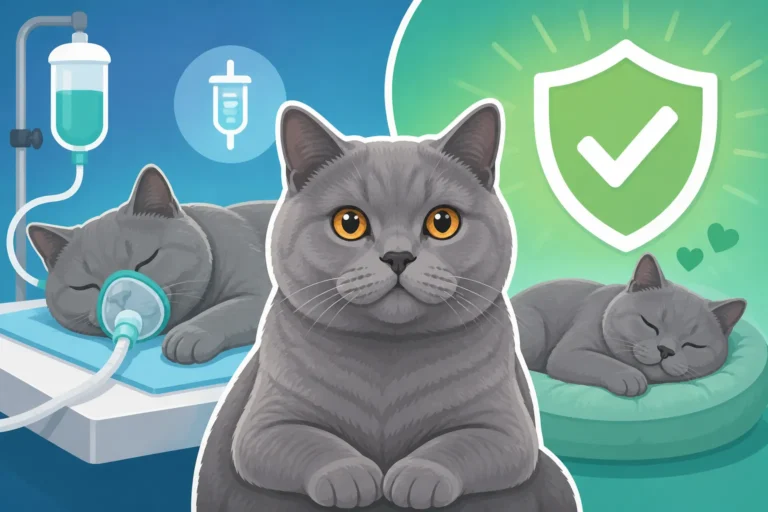
No matter how diligently you brush your British Shorthair's teeth at home, regular professional veterinary dental cleanings are usually necessary. Think of it like your own dental hygiene: you brush and floss daily, but you still see the dentist for a professional cleaning. Cats are no different. These cleanings, performed under general anesthesia, allow the vet to thoroughly scale away plaque and tartar, not just above the gum line where you can see it, but also crucially below the gum line, where much of the damage and infection occurs.
During these procedures, your vet will also perform a comprehensive oral examination and often take full-mouth dental X-rays to assess the health of the tooth roots and surrounding bone, identifying issues that are hidden from plain sight. Because anesthesia is involved, it's natural for owners to have concerns. However, modern veterinary anesthesia is very safe, especially with appropriate pre-anesthetic bloodwork (to assess organ function) and diligent monitoring during the procedure. Your vet will discuss these safety protocols with you.
The cost of these professional cleanings can be a concern for many owners, but it's an investment in your British Shorthair's long-term health and comfort. Pet insurance, such as a plan from Healthy Paws, can be incredibly helpful in covering a significant portion of these costs, making it easier to prioritize essential dental care without financial strain. It’s important to understand the typical frequency and costs involved, which we delve into in How Often a British Shorthair Needs a Dental and What a British Shorthair's First Dental Costs. By combining consistent home care with regular professional cleanings, you give your British Shorthair the best chance at a healthy, pain-free mouth for years to come.
Treatment Options for Established Gingivitis
Once gingivitis has taken hold, at-home care alone isn't enough. Professional veterinary intervention is required to reverse the inflammation and prevent further progression. Knowing what to expect during this process can help ease any anxieties you might have.
The Veterinary Dental Procedure Explained
When your British Shorthair's gingivitis requires professional treatment, it typically involves a comprehensive dental cleaning performed under general anesthesia. The process begins with a thorough pre-anesthetic evaluation, which includes a physical exam and blood work to ensure your cat is healthy enough for anesthesia. This step is non-negotiable for their safety.
Once safely under anesthesia, the real work begins. The veterinary team will meticulously monitor your cat's vital signs throughout the procedure. The first step is scaling the teeth. This is done using specialized ultrasonic scalers and hand instruments to remove all plaque and hardened tartar from the tooth surfaces, both above and, critically, below the gum line. Removing the subgingival (below the gum line) plaque is paramount because that's where the most damaging bacteria reside, fueling the inflammation and progression to periodontitis. After scaling, the teeth are polished to smooth out any microscopic etches left by the scaling process, which helps prevent future plaque accumulation.
Perhaps the most crucial, yet often overlooked, part of a thorough dental procedure is the use of dental X-rays. Just like in human dentistry, X-rays allow the vet to visualize the tooth roots, bone structure, and other hidden areas beneath the gum line. This helps identify problems like bone loss, root resorption, abscesses, or unerupted teeth that wouldn't be visible to the naked eye. If significant periodontitis or other issues are found, tooth extractions may be necessary. This might sound drastic, but removing a diseased, painful tooth is often the kindest thing to do for your British Shorthair's long-term comfort and health.
Post-Procedure Care and Long-Term Management
After the dental procedure, your British Shorthair will be carefully recovered from anesthesia and monitored as they wake up. Your vet will likely send them home with pain medication, and possibly antibiotics, depending on the severity of the infection or if extractions were performed. It’s normal for your cat to be a little groggy for the first 24 hours. You'll usually be advised to feed soft food for a few days, especially if there were extractions, to allow the gums to heal.
The key to long-term success, however, is implementing a rigorous home care routine immediately after the cleaning. This is your chance to start fresh with healthy gums! Re-introduce tooth brushing slowly, aiming for daily sessions. Your vet might also recommend a specific dental diet, which can help reduce plaque and tartar accumulation through its unique kibble shape or ingredients. Regular follow-up appointments with your vet are also important, especially if gingivitis was severe or if your British Shorthair is older or has underlying health conditions. Your vet can help you tailor the best preventive plan moving forward.
Remember, gingivitis can recur if preventive measures aren't consistently maintained. Investing in preventive care and being vigilant about your British Shorthair's oral health will significantly improve their quality of life and potentially extend their lifespan. Don't forget that if you have pet insurance, a plan from a provider like Healthy Paws can also assist with the costs of follow-up care or any future dental treatments that might arise.
At-Home Dental Care Method Comparison
To help you decide which at-home dental care methods might work best for your British Shorthair, here’s a quick comparison of common options:
| Method | Effectiveness (Plaque Removal) | Ease of Application | Typical Cost | Notes |
|---|---|---|---|---|
| Daily Tooth Brushing | High (Gold Standard) | Low (Requires training) | Low (Toothpaste/brush) | Most effective mechanical removal. Best introduced when young. Requires patience and consistency. |
| Dental Wipes | Moderate | Medium | Low-Moderate | Helps remove surface plaque. Less thorough than brushing, especially subgingival. |
| Dental Treats/Chews | Low-Moderate (Variable) | High | Moderate | Some brands are more effective than others (look for VOHC seal). Often high in calories. |
| Water Additives | Low-Moderate | High | Moderate | Convenient. Reduces bacteria in water, but doesn't mechanically remove plaque/tartar. May affect water taste. |
| Dental Diets | Moderate | High | High | Specially formulated kibble to scrub teeth. Consult vet for appropriate diet. |
Disclaimer
Please remember that the information provided in this guide is for general educational purposes only and should not be considered a substitute for professional veterinary advice. Always consult with a qualified veterinarian for any health concerns or before making any decisions about your British Shorthair's care. Your vet can provide accurate diagnoses and personalized treatment plans based on your cat's specific needs and medical history.