Why a British Shorthair Gains Weight So Easily
It's a common, heartbreaking frustration for British Shorthair owners: you look at your beloved furball, all round and plush, and despite your best efforts, the vet gently (or not-so-gently) tells you your cat is overweight. You might feel like you're doing everything right, carefully measuring food and trying to encourage play, yet the scales keep creeping up. The truth is, British Shorthairs are particularly prone to packing on the pounds, and it's not always because you're spoiling them. This comprehensive guide will delve deep into the unique reasons why these charming, round-faced companions gain weight so easily and, more importantly, what you can do about it.
The British Shorthair's Predisposition to Weight Gain
Let's be honest, part of the British Shorthair's immense appeal is their teddy bear-like appearance. That dense, plush coat and wonderfully round physique are what draw us in. But these very characteristics, which make them so endearing, also make them incredibly susceptible to weight gain and, often, mask the problem until it's quite advanced. It's a cruel trick of nature and breeding that their inherent beauty can be a signpost to potential health issues if not carefully managed.
Genetic and Breed-Specific Factors
From the moment they're born, British Shorthairs are built differently. They are what we call a "cobby" breed, meaning they have a stocky, muscular build with a broad chest, short, thick legs, and a dense, well-padded body. This isn't fat; this is their natural conformation, a genetic blueprint that evolved over centuries. Historically, their ancestors were sturdy working cats, excellent mousers who needed that robust build to thrive in the often harsh British climate and on farms. They expended a lot of energy hunting and surviving outdoors.
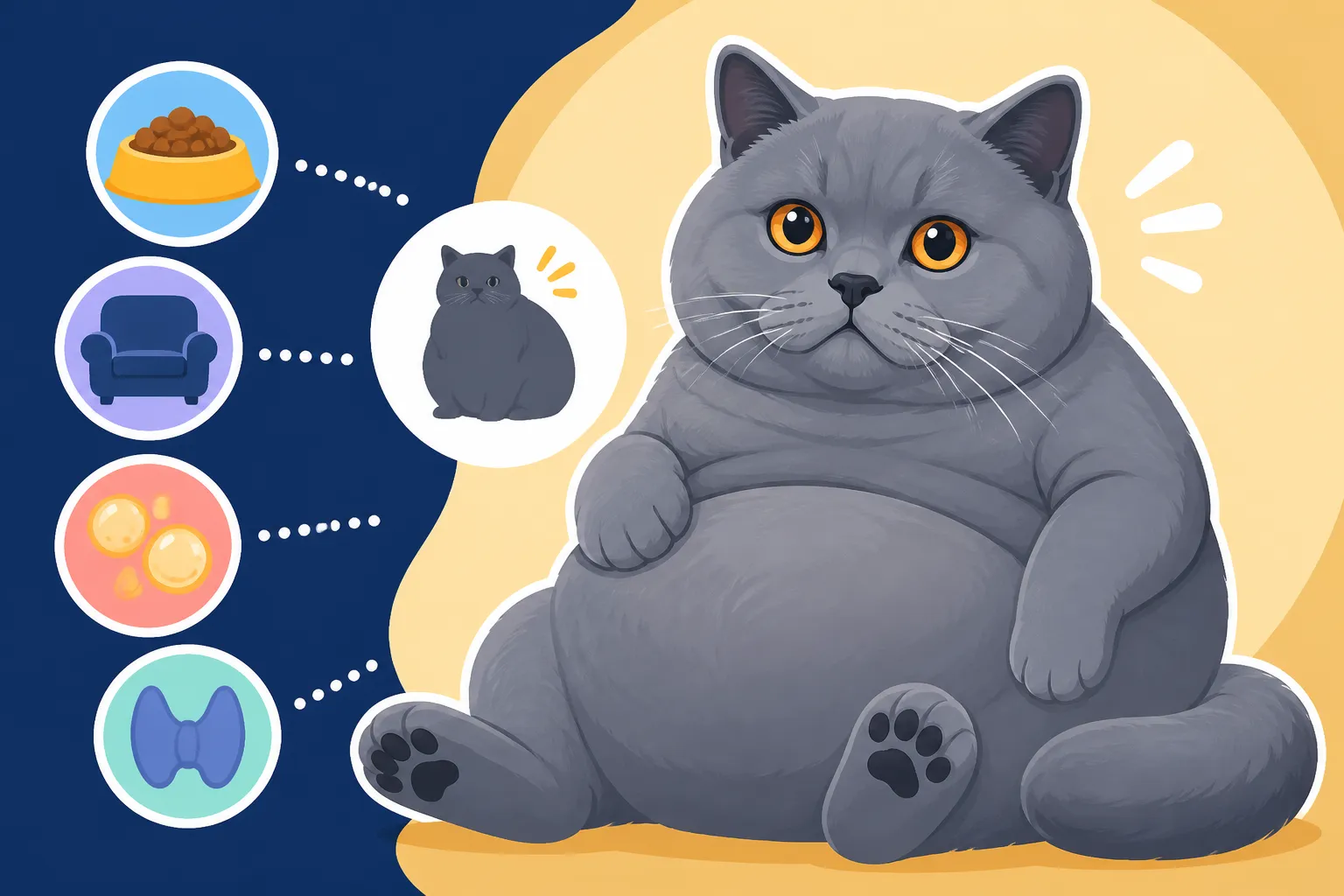
Fast forward to today, and most British Shorthairs live pampered indoor lives, a stark contrast to their working lineage. Their metabolism, however, hasn't caught up. They still retain that efficient metabolism designed to store energy, making them incredibly good at turning calories into reserves. This means they simply don't need as many calories as a more agile or less "cobby" breed, even if they appear to be of similar size. You might think your cat is just chunky, but often, that natural heft can hide a significant amount of excess adipose tissue. Understanding Why a British Shorthair Is Built to Look Heavy is the first step in recognizing the difference between a naturally robust cat and an overweight one.
The 'Teddy Bear' Trap
It’s impossible to deny the allure of a British Shorthair’s face. Those wide, innocent eyes and perpetually "grumpy" yet adorable expression, combined with their dense fur, create an irresistible teddy bear image. This visual can be a significant stumbling block for owners. When you see such a cuddly, round form, your brain automatically registers it as cute, healthy, and deserving of an extra treat or a full bowl.
This perception can lead to a dangerous cycle. Owners might genuinely believe their cat is a healthy weight because their sturdy build and thick coat make them look substantial, even when they are indeed carrying too much fat. It's challenging to accurately assess a British Shorthair's body condition just by looking, especially with that wonderful, plush double coat. A cat that might be considered obviously overweight in another breed might just look "extra fluffy" or "big-boned" in a British Shorthair. This makes it crucial to learn How to Tell a Chunky British Shorthair From a Fat One by feeling their ribs and checking their waistline, not just by visual cues.
Activity Levels: A Sedentary Lifestyle
One of the most beloved traits of the British Shorthair is their calm and placid demeanor. They're not typically the type of cat to zoom around the house like a rocket or scale your bookshelves to the ceiling. This low-key personality, while wonderful for a peaceful home, is a major contributor to their propensity for weight gain.
Naturally Calm and Less Active Disposition
British Shorthairs are often described as "mellow" or "couch potatoes," and it’s largely true. They much prefer a cozy nap in a sunny spot or a quiet perch to an energetic play session. They are not known for their high-octane bursts of energy or their relentless pursuit of toys. While every cat has an individual personality, as a breed, they tend to have significantly lower activity levels than, say, an Abyssinian or a Siamese.
This inherent calmness means they burn fewer calories throughout the day. If their caloric intake isn't adjusted to match this lower energy expenditure, weight gain is inevitable. It's a simple energy balance equation: calories in versus calories out. For a British Shorthair, the "calories out" side of that equation is naturally much lower. This is why it's so important to be proactive about their exercise, even if they seem reluctant. As discussed in Why a British Shorthair Will Not Exercise Itself, encouraging movement is largely up to us, their human companions.
The Indoor Cat Conundrum
The vast majority of British Shorthairs today live exclusively indoors, and for good reason. Keeping cats inside protects them from traffic, predators, diseases, and getting lost. However, an indoor-only lifestyle, especially for a breed already inclined to be sedentary, significantly reduces opportunities for physical activity.
Without the natural stimulation of chasing prey, climbing trees, or exploring a large territory, an indoor British Shorthair relies entirely on its human companions for enrichment and exercise. If they aren't provided with engaging playtime, puzzle toys, or interactive opportunities, their days can become incredibly monotonous and sedentary. Imagine yourself spending most of your day lounging and eating — you'd likely gain weight too! The lack of environmental challenges means fewer calories are burned, and boredom can even lead to more frequent trips to the food bowl out of sheer lack of anything else to do.
Dietary Habits and Owner Misconceptions
The way we feed our British Shorthairs, and even our understanding of their hunger cues, can inadvertently contribute to their weight problems. It's easy to fall into habits that, while well-intentioned, pile on the pounds.
The "Always Hungry" British Shorthair
Many British Shorthairs are incredibly food motivated. They might greet you at the door with a plaintive meow, follow you into the kitchen, or even stare intently at their food bowl as if they haven't eaten in days. Their sheer persistence can be endearing, and it often leads owners to believe their cat is genuinely starving, prompting them to add a little extra to the bowl or offer more frequent meals.
The problem is, cats, like humans, can be opportunistic eaters. If food is available, they will often eat it, regardless of whether they're truly hungry or just enjoying the sensory experience. This constant "performance" of hunger is a survival instinct from their wild ancestors, where food was scarce, and eating whenever possible was crucial. In a domestic setting with readily available food, this instinct can quickly lead to overeating. You might be surprised to learn How Many Calories a British Shorthair Needs compared to what you're actually feeding them, especially if you're going by their pleas.
Calorie-Dense Foods and Treats
The convenience of modern pet food means we often choose diets that are highly palatable and calorie-dense. While these foods are nutritionally complete, their high caloric content, coupled with the British Shorthair's lower metabolic needs, can be a recipe for disaster. A small deviation from the recommended portion size can have a big impact over time.
Think about how many treats you give throughout the day. A few here for good behavior, a few there for affection, maybe a lick of yogurt or some tuna water. These small additions add up exponentially. Many owners don't account for the calories in treats or human food scraps when calculating their cat's daily intake. A handful of treats might seem insignificant to us, but for a small cat, it can be equivalent to a human eating an entire extra meal. The impact of these "hidden" calories is substantial. This is why Why Free Feeding Ruins a British Shorthair is such a critical topic, as it completely removes portion control, making it impossible to manage caloric intake effectively.
Portion Control: The Ultimate Challenge
This brings us to the core issue: portion control. For a British Shorthair, strict portion control isn't just a suggestion; it's practically the entire job of weight management. Their tendency to be food-motivated, coupled with their low activity and efficient metabolism, means that every calorie truly counts.
It's so easy to be just a little bit generous. A scoop that's "mostly full," or rounding up on the measurement, or simply adding a little extra "just in case they're still hungry." Over weeks and months, these small, seemingly insignificant excesses accumulate, leading to gradual but persistent weight gain. Precision is paramount: using a kitchen scale to measure food by weight (grams) rather than volume (cups) is the most accurate way to ensure your British Shorthair is getting exactly the right amount of calories. This tiny change alone can make a huge difference in managing their weight effectively.
Hormonal Changes Post-Neutering
One of the most significant, yet often overlooked, factors contributing to weight gain in British Shorthairs is neutering. While essential for population control and preventing certain health issues, the procedure has a profound impact on a cat's metabolism and appetite.
Metabolism Slowdown After Spay/Neuter
When a male British Shorthair is neutered or a female is spayed, their sex hormone production drastically decreases. These hormones, such as testosterone in males and estrogen in females, play a crucial role in regulating metabolism and energy expenditure. With their reduction, a cat's metabolic rate slows down significantly. This means they naturally require fewer calories to maintain their body weight.
Compounding this metabolic shift is an often-observed increase in appetite post-neutering. The hormonal changes can lead to cats feeling hungrier more often, even though their energy needs have decreased. This double-whammy – a slower metabolism and an increased desire for food – makes neutered British Shorthairs incredibly vulnerable to weight gain. It's a common story: a cat goes in for surgery, comes out a bit more relaxed, and within a few months, their weight has noticeably climbed. This phenomenon is why Why a Neutered British Shorthair Gains Faster is a crucial point for every owner to understand.
The Importance of Early Dietary Adjustment
Given the metabolic and appetite changes, failing to adjust a British Shorthair's diet immediately after neutering is one of the biggest pitfalls owners face. Many continue to feed the same amount of food they did before the surgery, inadvertently leading to a caloric surplus every single day. Over time, this surplus inevitably translates into excess fat.
Ideally, dietary adjustments should begin shortly after the healing period from surgery. Vets often recommend switching to a "weight control" or "neutered cat" formula, which typically has fewer calories per serving, or simply reducing the portion size of their regular food. Monitoring their weight closely in the months following neutering is vital. If your British Shorthair starts to gain, even a little, it's a clear signal that their caloric intake needs to be reduced further. Proactive management during this period can prevent a lifetime of struggle with obesity and the myriad health problems it brings. Many pet insurance providers, like Healthy Paws, emphasize the importance of preventative care, as chronic conditions stemming from obesity can lead to significant veterinary expenses down the line.
Environmental and Lifestyle Factors
Beyond genetics and diet, the environment your British Shorthair lives in and the lifestyle they lead also play a crucial role in their weight management. A lack of engagement and structured routine can easily contribute to an expanding waistline.
Lack of Mental and Physical Enrichment
Imagine living in a house where you have nothing much to do all day. No challenging puzzles, no stimulating activities, just eating and sleeping. For a British Shorthair, especially an indoor-only one, this can become their reality if owners aren't intentional about providing enrichment. Boredom, surprisingly, can lead to weight gain.
When a cat is bored, they might seek out the most readily available form of "entertainment": food. Eating can become a comforting habit, a way to pass the time, or a response to mild stress. Without mental stimulation from interactive toys, regular play sessions, or opportunities to "hunt" for their food (e.g., using puzzle feeders), British Shorthairs are more likely to spend their days lounging and, consequently, gain weight. Providing a stimulating environment with cat trees, window perches, and regular engagement with feather wands or laser pointers can make a huge difference in encouraging activity and preventing boredom-related eating. Learning How to Get a British Shorthair to Move is vital for their long-term health.
Multiple-Cat Households and Food Competition
For owners with multiple cats, managing a British Shorthair's weight can become even more complex. In a multi-cat household, it's not uncommon for one cat to be a faster eater or a food "bully," consuming their own portion quickly and then moving on to graze from another cat's bowl. Given a British Shorthair's food motivation, they can easily be the culprit or the victim in this scenario.
If your British Shorthair is sharing a food bowl or being free-fed in a multi-cat home, it's nearly impossible to accurately track how much each cat is actually eating. This often leads to the British Shorthair, who might be the most persistent and food-driven, consuming far more calories than they need, while a more timid cat might not get enough. This situation necessitates strict, supervised mealtimes, or even microchip-activated feeders that only open for the designated cat. Ensuring each cat has their own designated, quiet feeding area can alleviate stress and prevent overconsumption by the more dominant or food-hungry feline.
Here’s a summary of key factors contributing to weight gain in British Shorthairs:
| Factor | Description | Impact on Weight Gain |
|---|---|---|
| Cobby Body Type | Naturally stocky, muscular build with a broad chest and dense coat. | Often hides excess fat, making it difficult for owners to recognize obesity. |
| Slow Metabolism | Inherited from working ancestors, efficient at storing energy, but now paired with a sedentary lifestyle. | Requires fewer calories than average, leading to weight gain if intake isn't strictly controlled. |
| Sedentary Nature | Generally calm, placid, and prefer lounging over vigorous play; less active than many other breeds. | Burns significantly fewer calories daily, necessitating lower caloric intake to maintain a healthy weight. |
| Indoor Lifestyle | Most British Shorthairs live exclusively indoors, reducing natural opportunities for exercise and stimulation. | Further lowers daily energy expenditure and can lead to boredom-induced eating. |
| High Food Motivation | Many British Shorthairs will constantly seek food and appear hungry, even if they aren't. | Leads owners to overfeed due to perceived hunger cues and begging behavior. |
| Calorie-Dense Diets & Treats | Commercial cat foods and treats are often high in calories; treats are frequently overlooked in daily calorie counts. | Small portion errors or frequent treats quickly add up to a caloric surplus. |
| Post-Neutering Changes | Significant drop in sex hormones after spay/neuter leads to a slower metabolism and often an increased appetite. | Cats require fewer calories but desire more food, making weight gain highly likely if diet isn't adjusted. |
| Lack of Enrichment | Insufficient mental and physical stimulation from toys, playtime, or interactive feeding. | Boredom can lead to eating as a coping mechanism or simply to pass the time. |
| Multi-Cat Households | Competition for food or one cat grazing from another's bowl in shared or free-fed environments. | Difficult to monitor individual intake, often resulting in one cat overeating. |
The Long-Term Health Consequences of Excess Weight
It’s easy to dismiss a little extra weight as harmless, especially when your British Shorthair looks so adorably plump. However, just like in humans, obesity in cats is a serious health issue that can drastically shorten their lifespan and diminish their quality of life. The charming chubbiness quickly gives way to a host of medical problems that are difficult and expensive to manage.
Increased Risk of Chronic Diseases
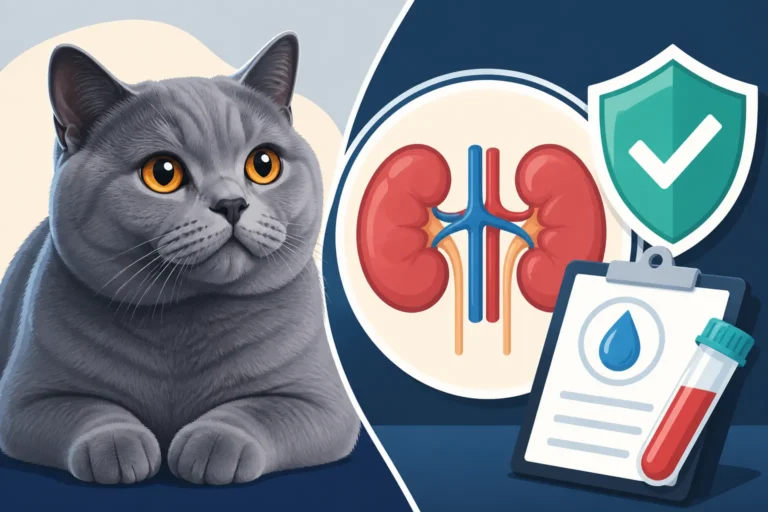
Obesity isn't just about appearance; it's a disease in itself that predisposes your British Shorthair to numerous other chronic conditions. One of the most prevalent and devastating is Diabetes in a British Shorthair. Excess fat cells interfere with the body's ability to use insulin effectively, leading to insulin resistance and ultimately diabetes. Managing a diabetic cat involves daily insulin injections, special diets, and frequent veterinary check-ups, which can be a significant financial and emotional burden.
Beyond diabetes, overweight British Shorthairs are at a much higher risk for a variety of other serious health issues. This includes certain types of cancer, heart disease (which is particularly concerning for a breed already prone to conditions like HCM, even if HCM in a British Shorthair Has No DNA Test), and urinary tract problems. Their compact, heavy build already puts stress on their joints, and adding excess weight only exacerbates this, leading to conditions like Arthritis in an Older British Shorthair much earlier in life. This can be heartbreaking to watch your once-agile companion struggle with simple movements.
Reduced Mobility and Quality of Life
An overweight British Shorthair often struggles with basic activities that a healthy cat performs effortlessly. They might find it difficult to jump onto furniture, play, or even groom themselves properly. Their heavy frame makes movement uncomfortable, leading to a vicious cycle: they move less because it hurts, and moving less causes them to gain more weight. You might notice them having trouble reaching their back or tail area, leading to a dull, greasy coat and potential skin infections.
This reduced mobility significantly impacts their overall quality of life. A cat that can no longer comfortably explore, play, or even get to their favorite sleeping spots is a cat whose happiness is compromised. Their natural instincts, like climbing and stretching, are inhibited, leading to frustration and a sedentary existence. It's not just about a few extra pounds; it's about giving them the best chance to live their full The Twelve to Seventeen Years a British Shorthair Gets in comfort and joy. Proactive solutions, like those covered by a comprehensive pet insurance plan from Healthy Paws, can help manage the costs associated with these debilitating conditions, making it easier to provide the necessary care.
Strategies for Healthy Weight Management
Recognizing the problem is the first step; taking action is the next. Successfully managing your British Shorthair's weight requires a multi-faceted approach, combining careful dietary control with consistent, engaging activity. It's a commitment, but one that pays dividends in their health and happiness.
Caloric Restriction and Portion Control
The cornerstone of weight management for any British Shorthair is strict caloric control. This means moving away from free-feeding entirely and implementing measured meal times. Consult your veterinarian to determine the ideal healthy weight for your cat and the precise number of calories they need daily to reach or maintain that weight. This often involves reducing their current intake by 10-20% initially.
Using a kitchen scale to weigh out their food by grams is far more accurate than using scoops, which can vary wildly. Many vets will recommend a prescription weight-loss diet, as these foods are formulated to be lower in calories but still provide essential nutrients, helping your cat feel fuller on less food. Brands like Royal Canin Satiety Support or Hill's Prescription Diet Metabolic are often prescribed. It’s also crucial to eliminate or severely limit treats, or choose very low-calorie options, ensuring they are accounted for in the daily caloric budget. If you are struggling with this, refer to How to Put a British Shorthair on a Diet for detailed steps.
Increasing Activity and Enrichment
While diet is critical, exercise plays a vital role in increasing caloric expenditure and improving muscle tone. Given their naturally calm disposition, you might need to get creative to motivate your British Shorthair.
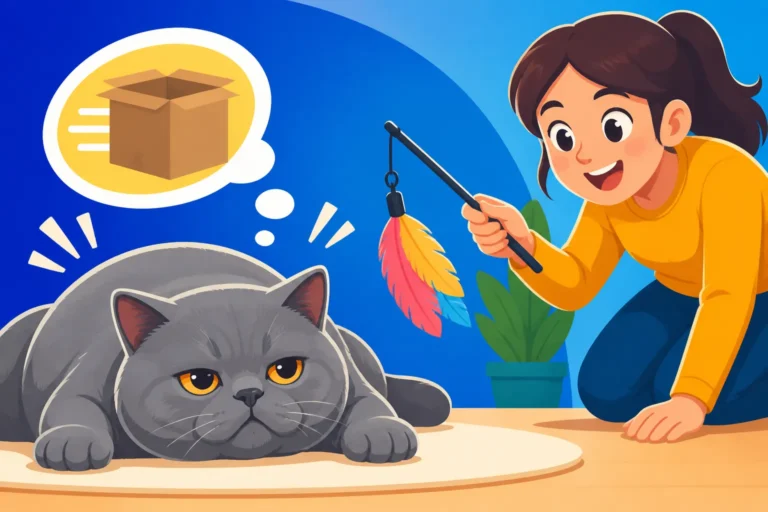
- Interactive Play: Dedicate 10-15 minutes, two to three times a day, to active play. Use wand toys, feather teasers, or laser pointers to encourage chasing, pouncing, and jumping. Observe what kind of toys they respond to best. Some British Shorthairs love a simple crinkle ball, others are captivated by a moving toy mouse.
- Puzzle Feeders: Turn mealtime into a game by using puzzle feeders. This slows down eating, provides mental stimulation, and makes them "work" for their food, burning a few extra calories.
- Vertical Space: Provide cat trees, shelves, or window perches to encourage climbing and exploring different vantage points. Even if they don't scale them vigorously, simply moving up and down these structures provides some exercise.
- Leash Training: For some British Shorthairs, leash training can offer controlled outdoor exposure and more varied exercise. Start slowly and make it a positive experience.
- Regular Play Routine: Establish a consistent playtime routine. Cats thrive on routine, and knowing when to expect play can make them more receptive.
Remember, even small increases in activity can make a difference over time. The goal isn't to turn them into an Olympic athlete, but to gently encourage more movement throughout their day.
Disclaimer
This article is intended for informational purposes only and does not constitute veterinary advice. Always consult with a qualified veterinarian regarding your British Shorthair's health, diet, and exercise needs. Weight management should always be supervised by a professional to ensure your cat loses weight safely and effectively.