When a British Shorthair Should Have Its First Echo
Bringing a British Shorthair into your home is an absolute joy, but it also comes with a unique set of responsibilities, especially when it comes to their health. One of the most heartbreaking issues many British Shorthair owners worry about is heart disease, particularly Hypertrophic Cardiomyopathy (HCM). It's a silent condition that can creep up without obvious warning, leaving you feeling helpless. This guide is here to walk you through the essential timeline for your British Shorthair's first echocardiogram, helping you understand why and when this crucial screening should happen to protect your beloved feline friend.
Understanding HCM in British Shorthairs and Why Early Detection Matters
It’s truly a crushing feeling to know that our beloved British Shorthairs, with their sweet, placid natures and teddy bear looks, are predisposed to a serious heart condition that often shows no outward signs until it's far advanced. This silent threat, Hypertrophic Cardiomyopathy (HCM), is something every British Shorthair owner needs to be aware of, and proactive about.
The Silent Threat of Feline HCM
Hypertrophic Cardiomyopathy (HCM) is the most common heart disease in cats, and unfortunately, British Shorthairs are notoriously susceptible. What exactly is it? In simple terms, HCM causes the muscular walls of the heart, particularly the left ventricle, to thicken abnormally. Imagine your heart muscle getting too bulky, making it harder for the heart to relax and fill with blood properly. This reduces the amount of blood pumped out to the body, and over time, it can lead to serious complications like congestive heart failure, blood clots, and even sudden death.
The frustrating part is that HCM often goes completely unnoticed by owners in its early stages. Cats are masters at hiding illness, and a British Shorthair's naturally calm demeanor can make it even harder to spot subtle changes. They might appear perfectly healthy and happy, purring away on the sofa, while their heart is silently struggling. This is precisely why regular, proactive screening is so incredibly vital for this breed. While some breeds, like the Maine Coon, have a DNA test for a specific mutation linked to HCM, we sadly don't have that luxury for our British Shorthairs. The unfortunate reality is that HCM in a British Shorthair Has No DNA Test, which means relying on physical examinations and specialized diagnostics like echocardiograms is our only true defense.
Why British Shorthairs Are Prone to HCM
It's not entirely clear why British Shorthairs are so much more prone to HCM than many other breeds, but genetic predisposition is undoubtedly a major factor. It's believed that certain genetic markers within the breed contribute to this thickening of the heart muscle. Over generations, despite breeders' best efforts, this trait has unfortunately become embedded in some lines. This isn't a fault of poor breeding practices necessarily, but rather a complex genetic issue that requires diligent screening to manage.
The impact of HCM on a British Shorthair can be devastating. As the heart walls thicken, the heart has to work much harder to pump blood. This increased strain can lead to fluid accumulation in the lungs (congestive heart failure), making breathing difficult. It can also lead to the formation of blood clots, which can then travel to other parts of the body, causing paralysis (often in the hind legs, known as saddle thrombus) or even stroke. Understanding What HCM Does to a British Shorthair's Heart is the first step in appreciating the urgency of early detection. Without it, you might not know anything is wrong until your cat is in critical condition, requiring emergency care that could have potentially been mitigated with earlier intervention.
The Recommended Age for a British Shorthair's First Echocardiogram
So, you understand the why, but now comes the crucial when. It’s a question that weighs heavily on the minds of responsible British Shorthair owners. There's a general consensus among veterinary cardiologists regarding the optimal window for that initial heart scan, but it's also important to remember that every cat is an individual.
The 'Sweet Spot' for Initial Screening
For British Shorthairs, the widely recommended age for their first baseline echocardiogram typically falls between 12 to 24 months of age, or one to two years old. This age range is considered the "sweet spot" because it's often when the earliest signs of HCM might begin to manifest structurally in the heart, even if they aren't causing any clinical symptoms yet. Screening too early, say at 6 months, might result in a "false clear" as the disease simply hasn't had time to develop. The heart walls may still be within normal parameters, only to show thickening a year or two later.
Conversely, waiting too long means missing that crucial window for early detection. If you wait until a cat is 3 or 4 years old, the disease might already be moderately to severely progressed, potentially limiting management options and quality of life. The goal of this initial screening is to establish a baseline. It gives your veterinarian, and more specifically, a veterinary cardiologist, a snapshot of your cat's heart health before any major issues arise. If the heart looks healthy at this point, it provides a comforting piece of mind, although it’s definitely not a guarantee for life, as we’ll discuss later.
Breeder Practices and Early Screening
Reputable British Shorthair breeders play a monumental role in minimizing the incidence of HCM within the breed. A responsible breeder will meticulously screen their breeding cats, often conducting annual echocardiograms on both the queen and the stud. They understand the profound importance of only breeding cats with clear heart health records. When you're looking for a kitten, asking for documentation of the parents' most recent echocardiogram results is not just a good idea, it's absolutely essential. If a breeder is hesitant or unable to provide these records, it should be a significant red flag. You deserve to know that your kitten comes from a lineage with documented heart health. Many dedicated breeders will openly provide health certificates and a full history of their cats' screenings, understanding that this transparency builds trust and helps educate future owners. It’s vital to inquire Whether a British Shorthair Breeder Shows Echo Results before committing to a kitten.
While the standard recommendation for a pet British Shorthair's first echo is 1-2 years, some breeders might opt for an earlier screening if there's a strong, concerning history of HCM in a specific line. This is less common for pet kittens and more typical for breeding cats being evaluated for future programs. For the average pet owner, sticking to the 1-2 year window for the initial scan is appropriate, assuming the kitten comes from health-tested parents. Remember, a "clear" echo on a young kitten isn't nearly as definitive as a clear echo on an adult cat, which is why the 1-2 year mark is generally preferred for the baseline.
What an Echocardiogram Entails for Your British Shorthair
The word "echo" might sound intimidating, conjuring images of complex medical procedures. But for your British Shorthair, an echocardiogram is a surprisingly straightforward and non-invasive experience that is well tolerated by most cats. Knowing what to expect can ease your mind and help you prepare your furry companion.
The Non-Invasive Nature of the Procedure
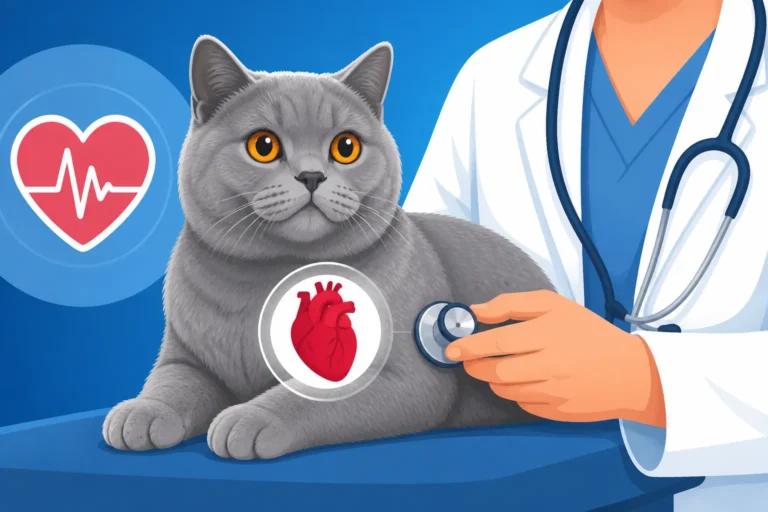
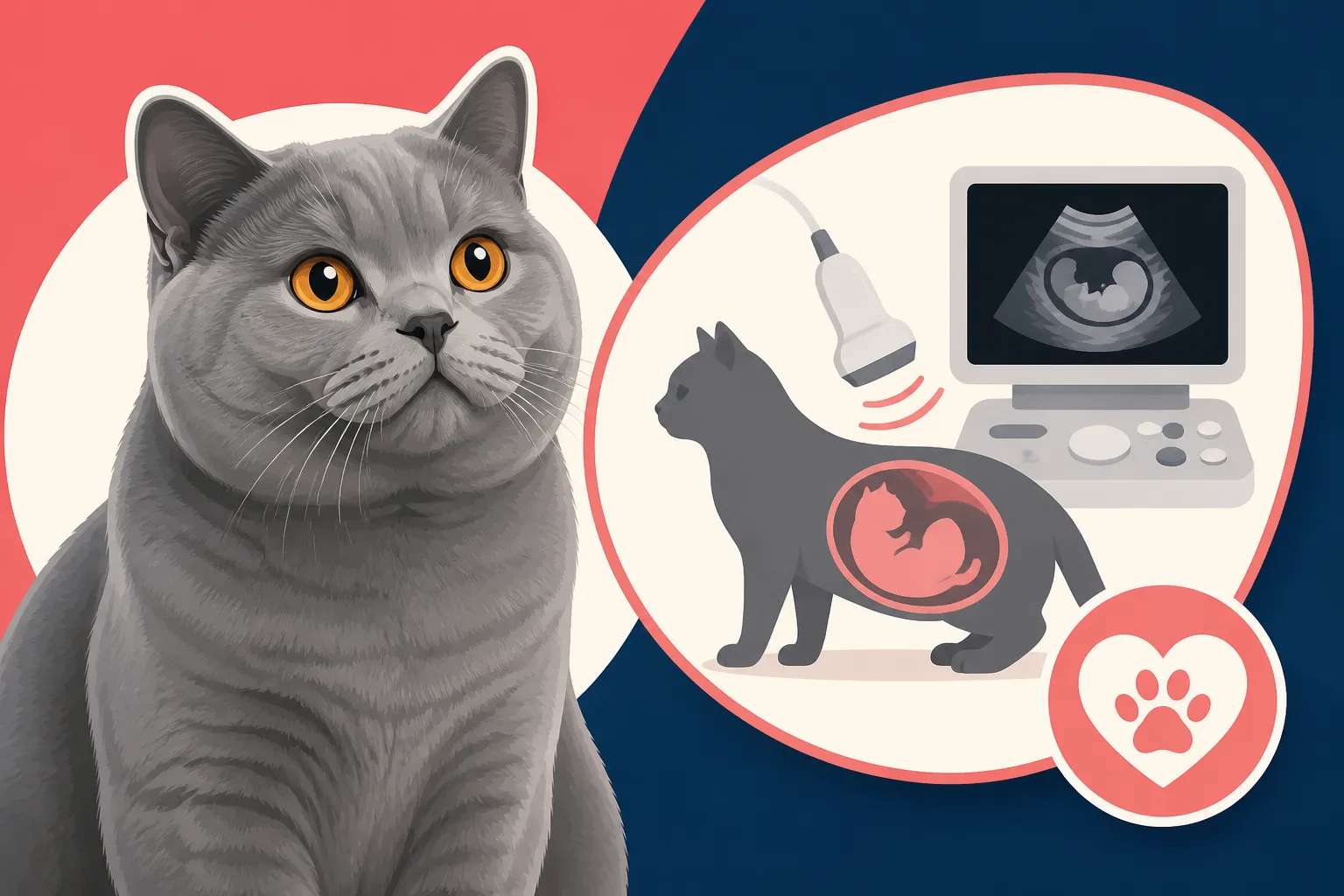
An echocardiogram is essentially an ultrasound of the heart. It uses sound waves to create a real-time moving image of your cat's heart, allowing the veterinarian to visualize its structure and function. The best part? It's generally non-invasive and doesn't require sedation for most cats. Your British Shorthair will typically lie comfortably on their side, often with you gently supporting them, while a qualified technician or veterinarian shaves a small patch of fur from their chest (to ensure good contact for the ultrasound probe) and applies a special gel.
During the procedure, the vet or cardiologist will move a handheld probe over your cat's chest, capturing various angles of the heart. They'll be looking at everything from the thickness of the heart walls and the size of the chambers to how well the valves are working and the speed and direction of blood flow. It’s like getting an intimate peek inside their little chest, observing the rhythm and strength of their heartbeats. Most British Shorthairs, with their inherently calm dispositions, handle the procedure very well. It usually takes about 20-30 minutes, and throughout, you can usually stay by their side, offering reassuring strokes and whispers. For a detailed breakdown of the process, you might find it helpful to learn How a British Shorthair's Echo Is Performed.
Interpreting the Results and Next Steps
Once the echocardiogram is complete, the cardiologist will analyze the images and measurements. A "clear" result means that, at the time of the scan, no evidence of HCM or other structural heart disease was detected. This is fantastic news, providing immense peace of mind! However, it's crucial to understand that a clear echo is not a lifetime guarantee. HCM is a progressive disease, meaning it can develop later in life. Therefore, a clear echo is typically considered valid for 12-18 months, after which follow-up screenings are recommended. To fully understand the implications, read up on How Long a Clear British Shorthair Echo Is Good For.
If the echo reveals abnormalities, such as thickening of the heart walls or other structural changes consistent with HCM, the cardiologist will discuss the findings with you. They will explain the severity of the disease, any immediate concerns, and formulate a management plan. This plan might include medication to help the heart function more efficiently, prevent blood clots, or manage symptoms like fluid buildup. While an HCM diagnosis is certainly worrying, early detection allows for proactive management, which can significantly slow the progression of the disease and improve your cat's quality of life for many years. Regular follow-up echoes will then become part of your cat's routine care to monitor the progression and adjust treatment as needed.
The Importance of Regular Follow-Up Screenings
Getting that first clear echo is a huge relief, and it’s natural to want to put worries about heart disease aside. However, for a British Shorthair, it's never truly a one-and-done situation. HCM is a cunning opponent, and consistent monitoring is key to staying ahead of it.
HCM is a Progressive Disease
The biggest misconception many owners have after a clear initial echo is that their cat is in the clear for good. Sadly, that's not how HCM works, especially in a predisposed breed like the British Shorthair. HCM is a progressive disease. This means that even if your cat's heart looks perfectly normal at one year of age, thickening could begin to develop months or even years down the line. It's a bit like screening for certain human health conditions – a clear test today doesn't mean you'll never develop the issue later.
That's why veterinary cardiologists strongly recommend ongoing, regular echocardiogram screenings for British Shorthairs, even if their previous scans were clear. The general recommendation is a repeat echo every 12 to 18 months. This consistent monitoring allows for the earliest possible detection of any changes, giving you and your vet the best chance to intervene before the disease progresses significantly. It might seem like a lot, but this vigilance is a cornerstone of responsible British Shorthair ownership and is vital for their long-term health. Knowing How Often a British Shorthair Needs an Echo is crucial for planning your cat's healthcare journey.
When to Consider Earlier or More Frequent Echos
While the 12-18 month interval is a good general guideline for re-screening, there are definite situations where your British Shorthair might need an echo sooner or more frequently. One of the most common scenarios is the detection of a heart murmur during a routine veterinary check-up. While not all murmurs indicate HCM, any murmur in a British Shorthair warrants an immediate referral for an echocardiogram to investigate the cause. It's simply not worth waiting.
Another critical factor is family history. If you discover that a sibling, parent, or close relative of your British Shorthair was diagnosed with HCM, you should absolutely discuss a more aggressive screening schedule with your vet, possibly annually regardless of previous clear results. Finally, if your cat starts showing any subtle clinical signs that might point to heart disease – such as increased lethargy, decreased appetite, hiding more than usual, coughing, or any changes in breathing (even slight panting after minimal exertion) – do not wait for the next scheduled echo. Get them to the vet for an immediate evaluation. These signs could indicate developing heart disease, and ignoring them could lead to critical situations. Learn to recognize Signs a British Shorthair Has Heart Disease to empower yourself as their advocate. Companies like Healthy Paws understand the importance of early diagnosis and may require a documented history of screenings or a clear bill of health before coverage for pre-existing conditions related to HCM.
| Risk Factor / Symptom | Recommended First Echo Age | Follow-up Frequency (Clear) | Action for Symptoms |
|---|---|---|---|
| No known risk factors | 12-24 months | Every 12-18 months | Consult vet immediately |
| Known family history of HCM | 9-12 months (or earlier, consult cardiologist) | Every 6-12 months | Consult vet immediately |
| New heart murmur detected | Immediately | As advised by cardiologist | Immediately |
| Subtle signs of illness | Immediately | As advised by cardiologist | Immediately |
Managing the Costs and Finding Qualified Professionals
Let's be real – talking about specialized veterinary care means talking about money, and it can be a significant concern for many pet owners. The cost of an echocardiogram, especially with repeat screenings, is a valid worry, but understanding what you're paying for and who you should see can help you navigate this aspect of your British Shorthair's health journey.
The Realities of Echo Costs
An echocardiogram is not a cheap procedure, and it's certainly one of the higher-ticket items in a British Shorthair's preventative care budget. The cost can vary significantly depending on your geographic location, the veterinary clinic, and whether the procedure is performed by a general practitioner with advanced training or a board-certified veterinary cardiologist. Generally, you can expect the cost for a feline echocardiogram to range anywhere from $300 to $700 or more in the United States. In major metropolitan areas, or if additional diagnostics (like an ECG or blood pressure) are included, it could even exceed this.
It's a financial commitment, especially when you consider that these scans are recommended every 12-18 months for the lifetime of your cat. However, when you compare this to the potential costs of emergency treatment for advanced heart failure or a saddle thrombus, which can easily run into thousands of dollars, preventative screening starts to look like a very wise investment. Some veterinary practices, particularly those associated with breeding communities, might offer "screening days" where echoes are performed by a cardiologist at a slightly reduced rate, similar to a community clinic. It’s always worth asking your vet or breeder if such opportunities exist in your area. To get a more precise idea of what you might face, research What a British Shorthair Echo Costs in your specific region.
Why a Cardiologist is Often Best
While some general practice veterinarians have gained considerable experience and training in performing echocardiograms, for a breed with a specific predisposition like the British Shorthair, it is highly recommended to seek out a board-certified veterinary cardiologist. Why? Because they possess a level of specialized expertise that a general vet simply can't match. They have undergone extensive additional training, fellowships, and rigorous examinations to become experts in heart conditions. They are intimately familiar with the subtle nuances of feline hearts, particularly how HCM manifests in different breeds.
A cardiologist is not just performing the scan; they are interpreting highly detailed images, taking precise measurements, and using their vast knowledge to accurately diagnose, stage, and recommend the best possible management plan. This specialized attention can make all the difference in detecting HCM early and guiding the most effective treatment. If you're going to invest in an echo, investing in the best possible interpretation is paramount. Finding out Why a Cardiologist Should Scan a British Shorthair will underscore this recommendation. Furthermore, this is where pet insurance can be an absolute lifesaver. Comprehensive plans from providers like Healthy Paws are designed to help cover these specialized diagnostic costs, making it much more feasible to provide your British Shorthair with the expert cardiac care they need throughout their life, easing the financial strain that often comes with advanced veterinary medicine.
Beyond the Echo: Holistic Heart Health for Your British Shorthair
While regular echocardiograms are the gold standard for monitoring your British Shorthair's heart health, it's just one piece of the puzzle. A truly holistic approach involves paying attention to their overall lifestyle and being acutely aware of their subtle cues. You are their primary caregiver and advocate, and your daily observations are incredibly valuable.
Lifestyle Factors for Heart Health
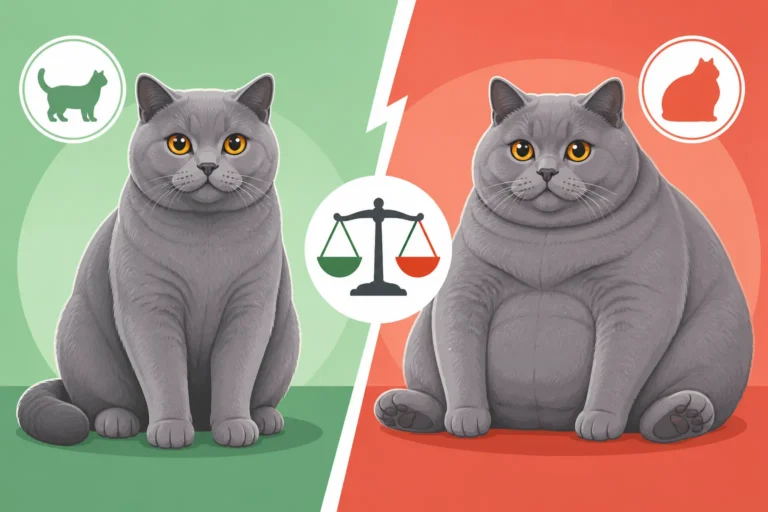
Preventative care extends far beyond just scheduling vet appointments. What you do at home every day plays a massive role in your British Shorthair's overall well-being, and by extension, their heart health. One of the biggest challenges for British Shorthair owners is managing their cat's weight. These cats are built to look sturdy, with a naturally broad, cobby build and a luxurious dense coat that can easily hide excess pounds. They also tend to be quite sedentary. This combination makes them highly prone to obesity.
Obesity is a major risk factor for many health issues, and it can significantly exacerbate existing heart conditions or contribute to their development. An overweight cat's heart has to work harder to pump blood throughout a larger body, putting additional strain on an already potentially compromised organ. It's truly a silent enemy, and Obesity Is the British Shorthair's Real Disease for many in the breed. Therefore, maintaining a healthy weight through carefully portioned meals and a balanced, high-quality diet is paramount. Beyond diet, encouraging regular, gentle play is vital. While British Shorthairs aren't known for being acrobatic, finding ways to engage their natural hunting instincts with feather wands, laser pointers (used carefully to avoid frustration), or interactive toys can keep them moving. It’s about being creative to get Getting a Low Energy British Shorthair to Move regularly, even if it's just for 10-15 minutes a day. This helps keep their circulatory system healthy and their muscles toned.
Recognizing Subtle Symptoms
Even with regular echoes, you, as the owner, are on the front lines of detecting any changes in your British Shorthair. Cats are notoriously stoic, and British Shorthairs, in particular, can be masters of disguise when it comes to pain or illness. Early signs of heart disease or progressing heart failure are often very subtle and can be easily missed if you're not paying close attention. It’s not usually a dramatic collapse out of nowhere; it’s a gradual shift.
Look for changes in their normal routine or behavior. Are they sleeping more than usual? Are they less interested in food or play? Have they started hiding more? One of the most critical symptoms to watch for is any change in their breathing. This could include breathing faster when at rest or asleep (count breaths when they're truly relaxed), panting (cats rarely pant like dogs do, so this is a serious red flag), or any audible crackling or wheezing. If you notice your British Shorthair struggling with Signs a British Shorthair Is Breathing Hard, don't hesitate – contact your vet immediately. Other signs might include coughing (which is uncommon in cats and can indicate heart or lung issues), weakness, or even a sudden lameness (which could be a symptom of a blood clot). Trust your gut; if something feels "off" with your cat, it's always best to have them checked out by your veterinarian. Routine annual or bi-annual wellness exams with your primary vet are also crucial, as they can spot other indicators like weight changes, coat quality issues, or even a newly developed heart murmur that warrants further investigation.
Disclaimer
This article is intended for informational purposes only and does not constitute medical advice. Always consult with a qualified veterinarian or a board-certified veterinary cardiologist regarding any health concerns or before making any decisions about your British Shorthair's medical care. Individual needs and conditions may vary.