Whether a Colorpoint British Shorthair Is Standard
It can be incredibly confusing when you’re looking into specific British Shorthair colors and patterns, especially when you hear terms like "standard" or "non-standard." Many prospective owners fall in love with a particular look, like the stunning Colorpoint British Shorthair, only to wonder if it's considered "correct" by official breed standards. This guide will walk you through exactly what makes a British Shorthair "standard" and where the beautiful Colorpoint pattern fits into that picture, clearing up any bewilderment you might feel.
Understanding the British Shorthair Breed Standard
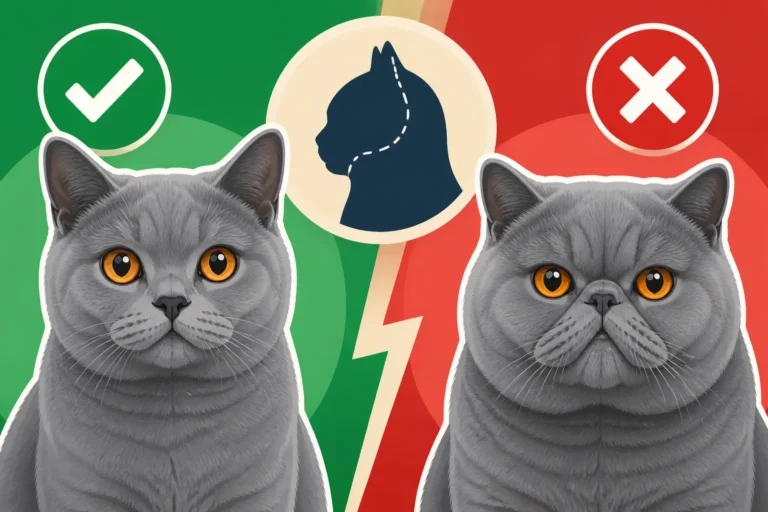
When we talk about a "breed standard" in the cat world, we're not just discussing how a cat looks in a general sense. We're referring to a detailed written description that outlines the ideal physical characteristics, temperament, and overall appearance of a specific breed. This standard is created and maintained by major cat registries and associations, and it serves as the benchmark against which cats are judged in competitive shows. It’s essentially the blueprint for what a perfect example of the breed should be.
Defining "Standard" in Cat Breeding
For a cat to be considered "standard," it means it conforms to this written ideal. Every aspect, from the shape of its head and ears to the texture and color of its coat, the color of its eyes, and even its overall body structure, is carefully evaluated. Breeders strive to produce cats that adhere as closely as possible to these standards, aiming for genetic lines that consistently produce these traits. For a British Shorthair, this has traditionally meant a very specific set of characteristics that emphasize their robust, cobby build and plush, dense coat.
But "standard" isn't just about beauty pageants. It’s also about preserving the unique traits that define a breed and differentiate it from others. When a trait is considered "non-standard," it doesn't necessarily mean there's anything inherently wrong with the cat itself. It just means that particular trait doesn't align with the accepted ideal for the breed as set by the governing bodies. This is where a lot of the nuance and occasional frustration comes in, especially for those who adore variations like the Colorpoint.
Key Features of a Traditional British Shorthair
Let's quickly recap what typically defines a traditional British Shorthair that conforms to the historical and widely accepted standards. Imagine the iconic "Cheshire Cat" from Alice in Wonderland – that's often the image that comes to mind, and it's a great starting point for the breed's ideal.
First, you have that distinctive round head with full, chubby cheeks, especially noticeable in males, which gives them that endearing "teddy bear" look. Their eyes are large, round, and usually a deep copper or gold, radiating a calm, intelligent expression. Their ears are small and widely set, blending smoothly into the round contours of their head.
Then there's the body: robust, cobby, and powerful. They have broad chests, strong legs, and a thick tail that tapers to a rounded tip. But perhaps the most defining feature is their coat: short, very dense, and plush, often described as "crisp" to the touch because of its springiness. It stands away from the body, almost like a thick velvet pile. While the British Blue is the most famous color, the breed comes in a vast array of colors and patterns, including solid, tabby, bi-color, and tortie, among others. A British Shorthair Comes in More Colors Than You Think explores this variety in more detail.
The Intriguing World of Colorpoint Cats
Now, let's dive into the fascinating world of Colorpoint cats. This pattern is truly striking and often captures the hearts of cat lovers with its elegant contrast and beautiful blue eyes. It's a genetic marvel that creates a very distinct look, one that you might recognize from breeds like the Siamese or Himalayan.
What Is the Colorpoint Gene?
The Colorpoint pattern is the result of a specific genetic mutation that affects pigment production in the cat's fur. It's a form of partial albinism, where the enzyme responsible for producing pigment is temperature-sensitive. This means that pigment only develops in the cooler parts of the cat's body, which are typically the "points": the face, ears, paws, and tail. The warmer parts of the body, like the torso, remain lighter in color, usually cream, ivory, or white.
This temperature-sensitive gene is recessive, meaning a cat needs to inherit two copies of it (one from each parent) to display the Colorpoint pattern. If a cat only inherits one copy, they will be a carrier of the gene but will not show the Colorpoint pattern themselves. This is why sometimes, two seemingly traditionally colored British Shorthairs can surprise a breeder with a litter of Colorpoint kittens, assuming both parents carry the recessive gene.
How Colorpoint Affects Appearance
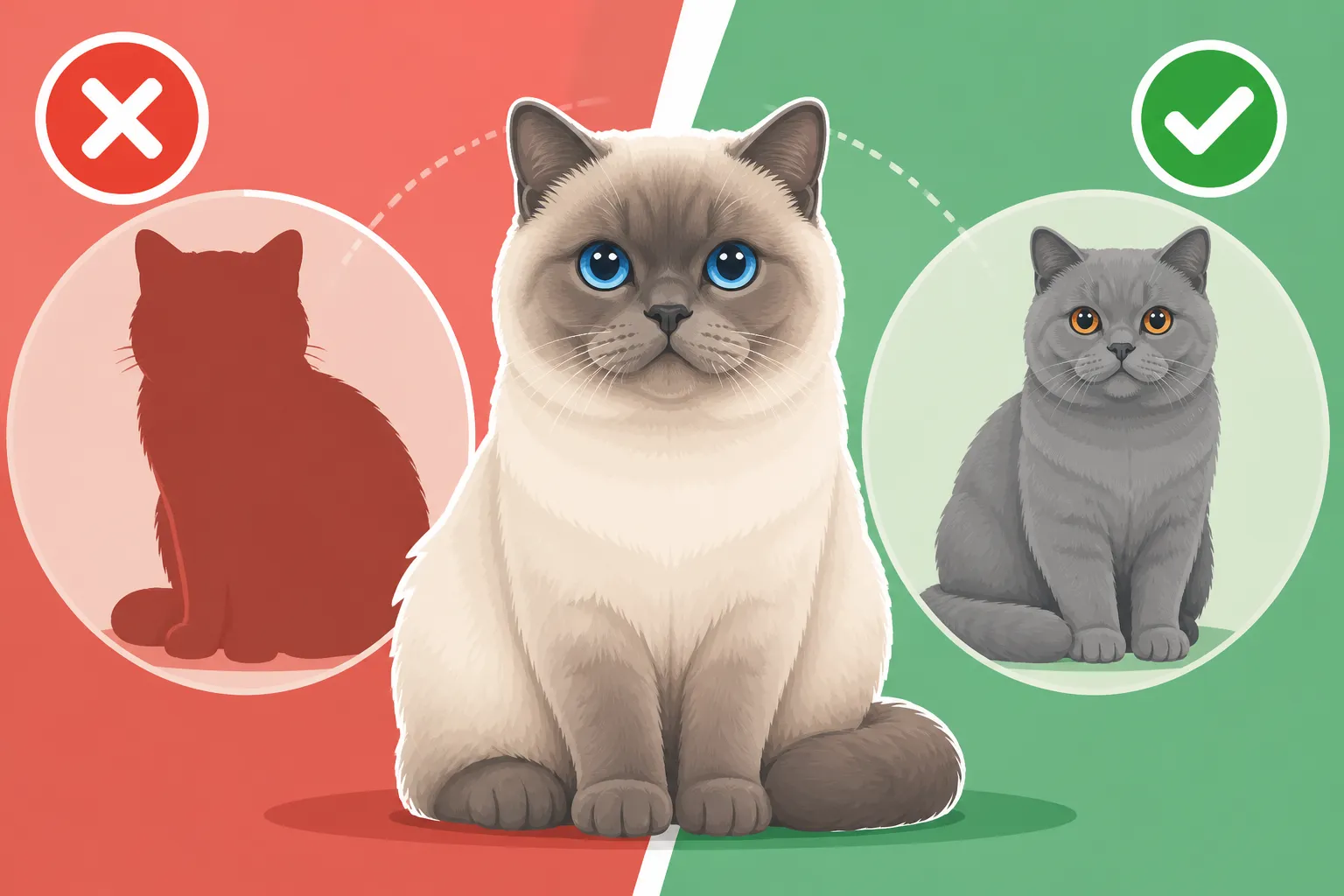
The visual impact of the Colorpoint gene is undeniable. Instead of the uniformly colored coat you see on a solid blue British Shorthair, for instance, a Colorpoint British Shorthair will have a much lighter body, contrasted sharply by darker "points."
The specific color of the points depends on the cat's underlying genetic color. For example:
- Seal Point: This is the most classic Colorpoint. The points are a dark, rich brown, contrasting beautifully with a cream or fawn body.
- Blue Point: The points are a slate grey-blue, with a cool ivory or white body. This is a particularly popular variation in British Shorthairs.
- Chocolate Point: Warm, milky chocolate points against an ivory body.
- Lilac Point: Pinkish-grey points with a frosty white body, giving a very delicate appearance.
- Red (Flame) Point: Orange-red points on a creamy white body.
- Cream Point: Muted, pale cream points against an even lighter, almost white body.
- Tortie Point: A mix of red/cream and another color (like seal, blue, chocolate, or lilac) on the points, creating a mottled effect.
- Lynx (Tabby) Point: The points display a tabby pattern, with stripes and markings clearly visible on the face, ears, and legs.
Beyond the coat, another defining characteristic of Colorpoint cats is their eye color. This gene is also linked to blue eyes, so all true Colorpoint British Shorthairs will have captivating blue eyes, ranging from a pale sky blue to a deep sapphire. This is a stark contrast to the traditional copper or gold eyes of most British Shorthairs.
The History of Colorpoint in British Shorthairs
The story of how the Colorpoint pattern found its way into the British Shorthair breed is a tale of post-war breeding efforts and the complexities of genetic inheritance. It wasn't always a feature of the breed, and its introduction sparked considerable debate among breeders and cat fancy associations.
The Persian Connection
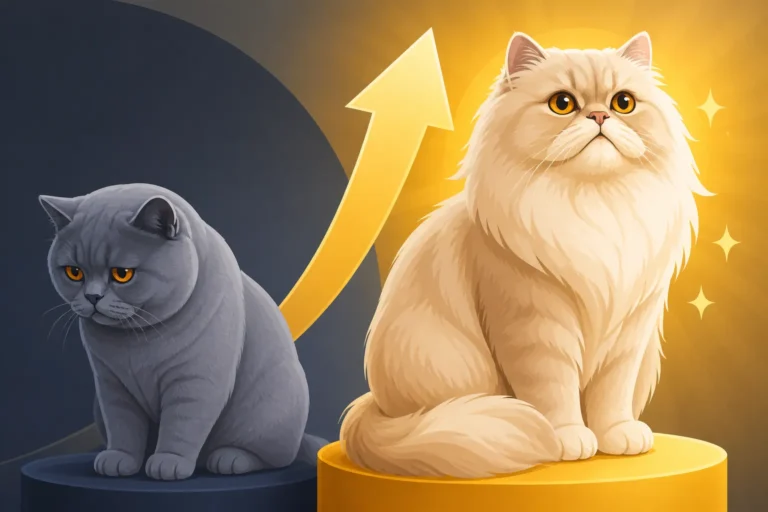
Following the devastating impact of World War I and II on cat populations, many breeds, including the British Shorthair, faced critically low numbers. To rebuild the breed and broaden the genetic pool, reputable breeders had to make tough decisions, which included carefully outcrossing to other breeds. The Persian cat was one of the breeds used in these rebuilding efforts. The Persians That Rebuilt the British Shorthair After the War delves into this crucial period in the breed's history.
The Persian cat, particularly the Himalayan (a Colorpoint Persian), carried the recessive Colorpoint gene. When these Persian outcrosses were bred back to British Shorthairs, the Colorpoint gene was quietly introduced into the British Shorthair gene pool. For many generations, this gene could remain hidden, only appearing if two carriers were bred together. This is a classic example of how genetic diversity is managed in purebred lines, sometimes with unexpected but beautiful results.
Early Reception and Evolution
Initially, when Colorpoint British Shorthairs began to appear in litters, they were met with mixed reactions. Many traditionalists viewed them as a deviation from the established British Shorthair standard, which called for solid, tabby, or bi-color patterns with copper or gold eyes. The blue eyes and pointed pattern were seen as traits of other breeds, not the British Shorthair.
As a result, for a long time, Colorpoint British Shorthairs were often disqualified from competitive shows under the primary British Shorthair standard. Some breeders chose to focus on these cats, developing them as separate varieties or even new breeds. However, over time, their unique beauty and the increasing demand from pet owners led to a gradual re-evaluation. The breed associations had to contend with the reality that these cats were British Shorthairs in every other aspect — body type, coat texture (aside from the color itself), and temperament. They were just carrying a different color gene.
This led to a fascinating evolution where some registries eventually recognized the Colorpoint pattern within the British Shorthair breed, often under specific divisions or as separate varieties. This recognition was a testament to the persistent work of breeders who saw the value and beauty in these cats, and the evolving nature of breed standards themselves. You can learn more about how genetics play a role in breed traits in articles like How a Longhair Gene Hides in a British Shorthair Litter, which discusses another gene that sometimes pops up unexpectedly.
Breed Registry Perspectives on Colorpoint British Shorthairs
This is where the rubber meets the road when it comes to whether a Colorpoint British Shorthair is "standard." The answer isn't a simple yes or no; it largely depends on which cat registry you're talking about and what their specific guidelines are. Each major registry has its own unique interpretation of breed standards, influenced by history, tradition, and the current consensus among its breeders.
Major Registries and Their Stance
Globally, several prominent cat registries govern the breeding and showing of purebred cats. Let's look at a few and their general approach to Colorpoint British Shorthairs:
- The Cat Fanciers' Association (CFA): In the United States, the CFA is one of the largest and most influential registries. For a long time, the CFA did not accept Colorpoint British Shorthairs within their championship classes for the British Shorthair breed. They considered the Colorpoint pattern and blue eye color a distinguishing feature of other breeds, particularly the Himalayan. However, standards evolve! As of more recent times, CFA does accept Colorpoint British Shorthairs for championship status, but they are often shown under specific color classes that denote their pattern, like "Colorpoint & White." This shows a significant shift in recognizing the genetic reality within the breed.
- The International Cat Association (TICA): TICA is known for being a bit more progressive and inclusive with its breed standards. TICA recognizes a wide array of colors and patterns for the British Shorthair, including Colorpoint, for championship status. They embrace the diversity that has naturally occurred within the breed's genetic makeup.
- The Governing Council of the Cat Fancy (GCCF): Based in the UK, the GCCF is the primary registry where the British Shorthair breed originated. Historically, the GCCF has been more conservative regarding color variations. While they do register Colorpoint British Shorthairs, they often categorize them under separate sections or may not allow them to compete in the traditional British Shorthair championship classes depending on specific rules at the time. Their focus has long been on maintaining the historically "correct" appearance.
It's crucial for anyone interested in showing a Colorpoint British Shorthair to check the specific, current standards and show rules of the registry they plan to compete under. These rules can sometimes change, reflecting ongoing discussions and advancements in feline genetics and breeding practices.
Registration Versus Show Standard
Here's a common point of confusion: just because a cat can be registered as a British Shorthair doesn't automatically mean it meets show standard for that breed.
- Registration: This simply means the cat's lineage can be traced back to purebred British Shorthair parents within the registry's records. A Colorpoint British Shorthair, if its parents are registered British Shorthairs and carry the gene, can certainly be registered as a British Shorthair. This is generally not an issue for most registries.
- Show Standard: This is the much stricter criteria. For a cat to compete and win in a championship show ring as a British Shorthair, it must perfectly embody all the characteristics outlined in the breed's written standard. For registries that historically excluded Colorpoints, even a registered Colorpoint British Shorthair wouldn't have been eligible for championship titles in the "British Shorthair" category. Even with newer acceptance, they might still be in a separate color division.
This distinction is vital for breeders who aim to produce show-quality cats versus those who simply want to produce healthy, well-socialized pets. A Colorpoint British Shorthair can make a magnificent pet and be a perfectly healthy, purebred British Shorthair, even if it doesn't fit every strict criterion for "Best in Show" under every single registry.
Colorpoint and the British Shorthair Standard
So, to directly answer the question: is a Colorpoint British Shorthair standard?
The most accurate answer is: it depends on the specific cat registry's current rules. Many modern registries, particularly those with a more flexible approach like TICA, do accept Colorpoint British Shorthairs as part of the recognized breed standard for championship competition. Other, more traditional registries like the GCCF might recognize and register them but have specific limitations on their show eligibility within the main British Shorthair classes, often placing them in an "Any Other Variety" (AOV) category or a separate color group.
For the average pet owner, this distinction primarily affects competitive showing. If you're looking for a beloved companion, whether your British Shorthair is "show standard" in terms of its color point status is largely irrelevant. What matters most is that you're acquiring a healthy, well-adjusted kitten from a responsible breeder. Always verify the breeder's claims and the specific registration status with the relevant cat association.
| Registry | General Stance on Colorpoint British Shorthairs | Show Status in British Shorthair Classes |
|---|---|---|
| CFA | Recognizes and registers | Accepted for Championship (often in specific color classes) |
| TICA | Recognizes and registers | Fully accepted for Championship |
| GCCF | Recognizes and registers | May be restricted to AOV or specific color divisions, sometimes not Championship status for traditional BSH classes |
The Appeal and Challenges of Colorpoint British Shorthairs
It's clear that the journey of the Colorpoint British Shorthair into general acceptance has been a winding one. But regardless of their "standard" status in every show ring, these cats hold a unique appeal for many, while also presenting some specific considerations for both owners and breeders.
The Unique Beauty of Colorpoints
There's no denying the striking appearance of a Colorpoint British Shorthair. Their lighter bodies contrasting with darker points, combined with those mesmerizing blue eyes, create a truly elegant and captivating look. For many cat enthusiasts, this combination is simply irresistible. They offer a delightful blend of the British Shorthair's beloved "teddy bear" physique and placid temperament with the exotic allure of the Colorpoint pattern.
Imagine a solid, round British Shorthair with a plush, short coat, but instead of the typical uniform blue or cream, its body is a pale ivory, gradually deepening to seal or blue on its ears, face mask, paws, and tail. And those eyes! They are always a vivid blue, a trait genetically tied to the Colorpoint pattern, adding another layer of charm. This unique aesthetic appeals to those who want a British Shorthair that stands out from the crowd while retaining all the classic British Shorthair traits they adore. They often feel like a beautiful compromise for those who appreciate both traditional British lines and the visual drama of point coloration.
Considerations for Owners and Breeders
While their beauty is undeniable, there are a few things that prospective owners and dedicated breeders should keep in mind about Colorpoint British Shorthairs.
For owners, the primary consideration is often the cost and availability. Because they were historically less accepted and can be more challenging to find from reputable breeders, Colorpoint British Shorthairs might sometimes command a higher price or involve a longer waitlist. It's vital to ensure you're working with a breeder who understands the genetics involved and prioritizes health above all else. What a British Shorthair Costs to Buy in 2026 can give you a general idea of breed pricing, but remember, specific colors and rarity can influence this.
For breeders, the introduction and acceptance of the Colorpoint gene present both opportunities and responsibilities. While it expands the genetic diversity and aesthetic options within the breed, it also means carefully managing genetic lines. Breeders must be diligent in health screening their cats, regardless of color. What a British Shorthair Breeder Should Have Tested is essential reading for any serious breeder or prospective buyer. It's important to remember that the Colorpoint gene itself is just a color modifier and doesn't inherently carry health risks unique to British Shorthairs, but responsible breeding practices remain paramount for the overall health of the cat. Some breeders also need to consider how the longhair gene might occasionally appear, even in shorthair litters, as discussed in How a British Longhair Comes Out of a British Shorthair Litter.
Moreover, the temperament of Colorpoint British Shorthairs remains consistent with the breed's reputation. They are generally calm, affectionate without being overly demanding, and quite adaptable. What a British Shorthair's Temperament Is Really Like will assure you that their color doesn't change their sweet nature. You're still getting that wonderful, quiet companion you expect from a British Shorthair.
Finding a Reputable British Shorthair Breeder
Whether you're looking for a traditional British Shorthair or a stunning Colorpoint, the process of finding a reputable breeder is absolutely paramount. This single decision will have the biggest impact on the health, temperament, and overall well-being of your future feline family member. Don't rush this step, and be prepared to ask a lot of questions.
What to Look for in a Breeder
A truly reputable breeder prioritizes the health and welfare of their cats above all else, not just profits or show wins. Here are some key indicators and questions to consider when you're on the hunt:
- Health Testing: This is non-negotiable. British Shorthairs, like any breed, have certain predispositions. Look for breeders who screen for conditions such as HCM (Hypertrophic Cardiomyopathy) via regular echocardiograms and PKD (Polycystic Kidney Disease) via DNA tests. They should be transparent and willing to provide documentation of these tests for both parent cats. Don't be shy about asking to see the results. What a British Shorthair Breeder Should Have Tested provides a comprehensive list of what to expect.
- Transparency and Communication: A good breeder will be open, honest, and happy to answer all your questions, no matter how many you have. They'll ask you questions too, wanting to ensure their kittens go to good homes. They should be communicative throughout the process, from initial inquiry to bringing your kitten home.
- Living Conditions: While you might not always be able to visit in person, a breeder should be able to share photos or videos of their cattery (home environment). The cats should appear well-cared for, clean, and socialized. They should not be housed in cages.
- Contracts and Guarantees: Reputable breeders will have a clear contract that outlines health guarantees, spay/neuter requirements (often kittens are rehomed already spayed/neutered), and what happens if unforeseen issues arise.
- Pedigree and Registration: They should provide pedigree papers and registration with a recognized cat association (like CFA, TICA, or GCCF). This verifies the purebred status of the kitten.
- Post-Sale Support: A responsible breeder remains a resource for the lifetime of your cat. They should be available to answer questions and offer advice as your kitten grows.
- Waitlists: Be wary of breeders who always have kittens available. Good breeders often have waitlists, especially for popular colors or specific traits. Whether a British Shorthair Is Worth the Wait is a good read if you're wondering about patience.
Don't ever feel pressured to make a quick decision. Take your time, do your research, and trust your gut.
Supporting Your British Shorthair's Health
Once you bring your British Shorthair home, whether it's a Colorpoint or a traditional blue, providing excellent care is key to their long, healthy life. This involves thoughtful nutrition, regular vet check-ups, and a stimulating home environment.
For nutrition, British Shorthairs are prone to weight gain, so portion control and a high-quality diet are essential. Look for foods specifically formulated for adult cats, with good protein sources. Brands available on platforms like Chewy often provide a wide selection of reputable cat foods. You might even consider wet food, which can help with hydration and feeling full, keeping weight in check. Portion Control Is the Whole Job With a British Shorthair emphasizes this critical aspect of their care.
Veterinary care is vital. Regular wellness exams, vaccinations, and parasite prevention are basic necessities. Even if your cat seems perfectly healthy, yearly check-ups allow your vet to catch potential issues early. For older cats, this becomes even more important. Caring for a British Shorthair Past Ten outlines what to expect as your beloved companion ages.
Finally, an enriching home environment is crucial for mental and physical well-being. Even though British Shorthairs are generally calm and less active, they still need opportunities for play and exploration. Provide sturdy cat trees (they are heavy cats!), scratching posts, and interactive toys. While they might not be the most energetic players, a few short play sessions daily can make a big difference in preventing obesity and keeping them engaged. Look for durable, interactive toys on Chewy that cater to their typically lower energy levels, like feather wands or puzzle feeders. Ensure they have a sufficiently large litter box, too – these are not small cats! Litter and Boxes for a Cat as Wide as a British Shorthair provides great insights into their specific needs.
Disclaimer
This article is for general informational purposes only and does not constitute professional advice. Laws, prices and regulations vary by location and change over time. Consult a qualified professional for guidance on your specific situation.