Whether a Short Faced British Shorthair Is Correct
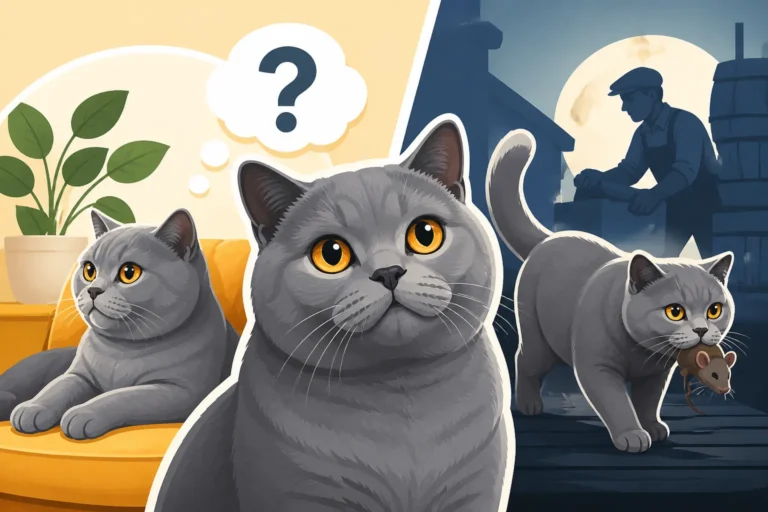
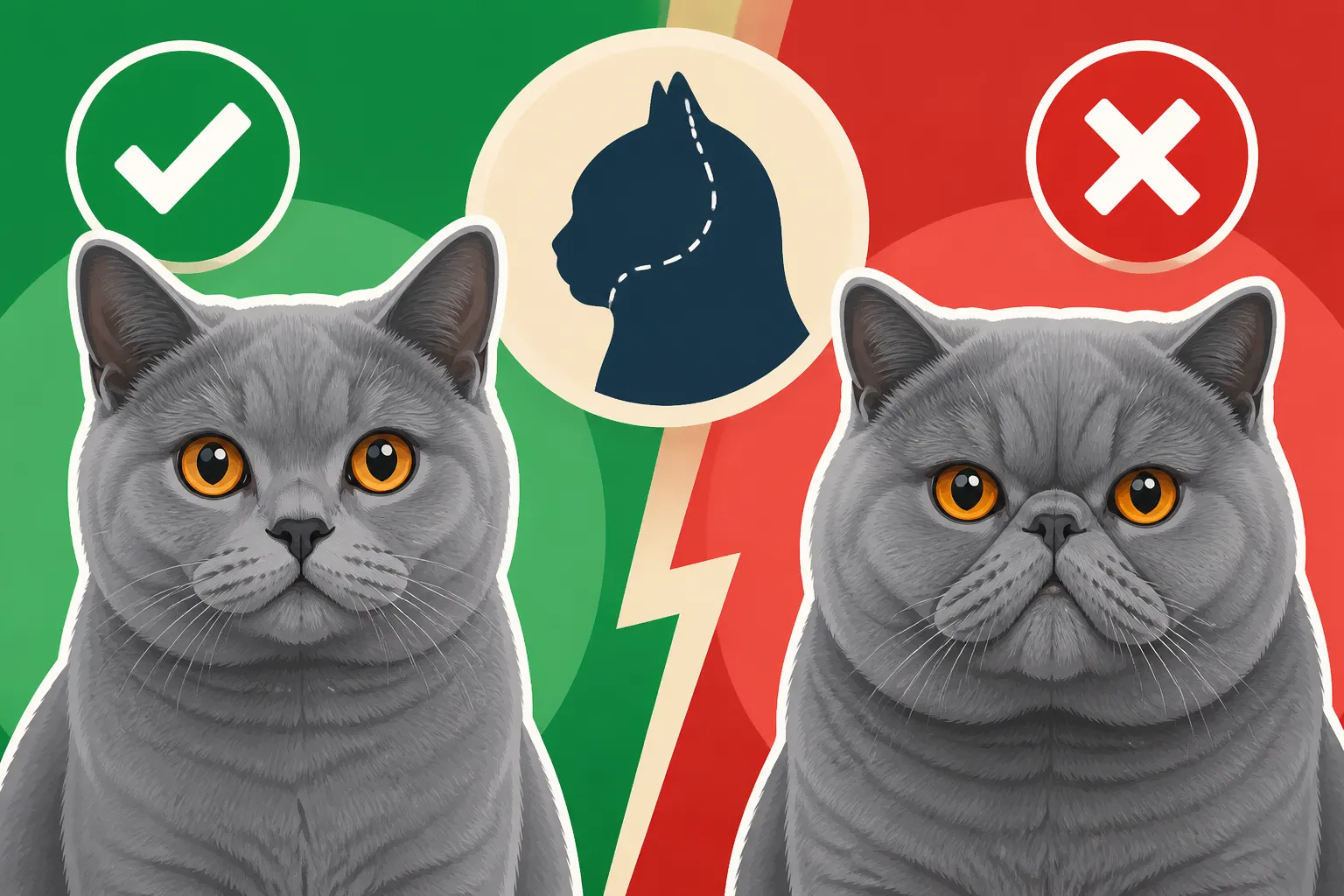
A British Shorthair’s round head and plush cheeks can make its face look unusually short, but a flat, pinched muzzle is not the goal. This guide explains what a correct British Shorthair profile looks like, how to distinguish a naturally compact face from an exaggerated one, and what facial features may warrant closer attention.
What a Correct British Shorthair Face Looks Like
A short muzzle is not the same as a flat face
The British Shorthair is meant to have a broad, rounded head, full cheeks and a short, broad nose. Seen from the front, the face should look balanced and substantial rather than narrow or pointed. From the side, the nose is short, but it should not look crushed into the face.
That distinction matters because “short-faced” can mean two different things. Someone might use it casually to describe a British Shorthair’s compact muzzle and round head. But if the phrase means an extremely flattened face, with a deep stop between the forehead and nose or a muzzle that appears pushed back, that is not the characteristic look to aim for.
A well-shaped British Shorthair has a short, broad, generally straight nose, with a gentle change in profile sometimes permitted by the particular breed standard being used. It should not have the pronounced indentation or flattened profile associated with more extreme brachycephalic types. For a broader overview of the profile, see What Shape a British Shorthair's Head Should Be.
The face should look balanced from the front and side
The breed’s round appearance comes from several features working together: a broad skull, full cheeks, a firm chin and a short muzzle. No single feature should dominate so much that the face looks pinched, distorted or out of proportion. The cheeks should contribute to a rounded outline without hiding the nose and mouth.
A useful way to assess the face is to look at it from more than one angle. From the front, ask whether the eyes, nose and muzzle sit comfortably within the broad, rounded head. From the side, check whether the nose still has a visible, natural shape rather than appearing pressed against the forehead. A photograph taken straight on can make almost any round-faced cat look flatter than it is, so side views and relaxed, natural poses are helpful.
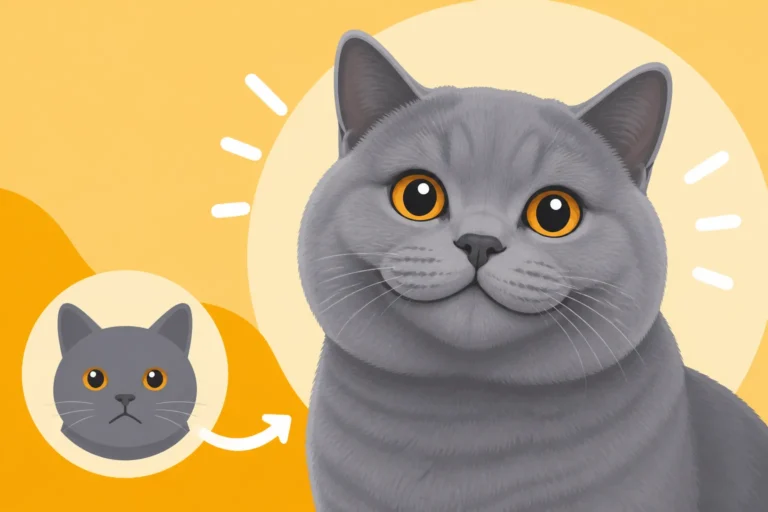
The British Shorthair’s expression can also be misleading. Its large, round eyes and full cheeks often create a sweet, slightly smiling look, but that impression does not mean the cat has a flat face. The cheek shape and muzzle structure are separate features. Why a British Shorthair Looks Like It Is Smiling explains how those facial details create the familiar expression.
Why the British Shorthair Looks Short-Faced
Round cheeks and a broad skull change the impression
British Shorthairs are compact, sturdy cats, and their heads reflect that overall build. A broad skull and full cheeks make the visible muzzle seem shorter than it might on a narrow-faced cat. Their dense coat can add to the effect, especially when the fur around the cheeks makes the outline appear even rounder.
This is why it helps to judge structure rather than rely on a quick impression. A cat can have a short muzzle that fits the breed’s general look while still having a defined nose and comfortable facial proportions. Conversely, a very full coat or a front-facing photo can make the face appear flatter than it actually is.
The round head is a defining feature, but roundness is not the same as extreme shortening. If you want to understand how the skull contributes to the breed’s appearance, Why a British Shorthair's Head Is So Round offers useful context. The cheeks matter too, but they should frame the face rather than overwhelm its other features; What Full Cheeks Mean on a British Shorthair explores that detail.
Breed standards are guides, not a reason to pursue extremes
Cat registries describe the desired features of a breed, and wording can vary between organizations. Standards commonly call for a short, broad nose and a rounded head, while allowing a natural transition in the profile. The precise language and judging emphasis may differ, so breeders and show exhibitors should consult the rules of the registry they follow.
A standard describes the overall type, not a requirement to exaggerate one feature as far as possible. “Short nose” does not mean “as flat as possible,” just as “full cheeks” does not mean cheeks so pronounced that they distort the outline of the muzzle. A sound interpretation keeps the whole face in proportion.
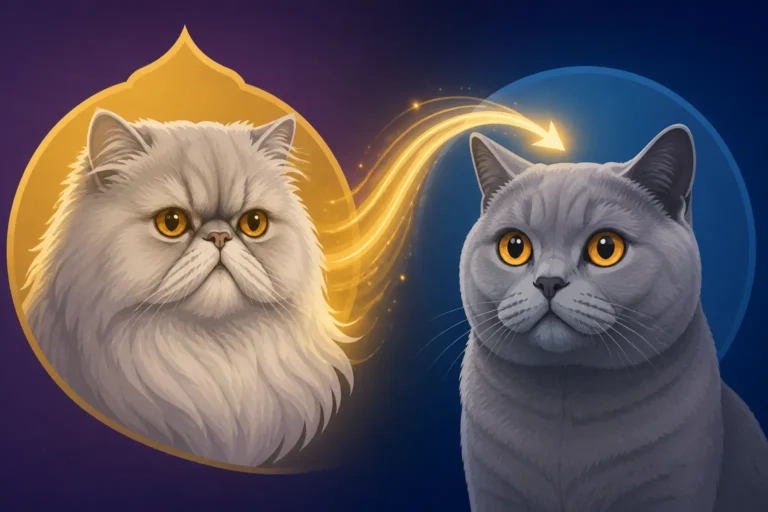
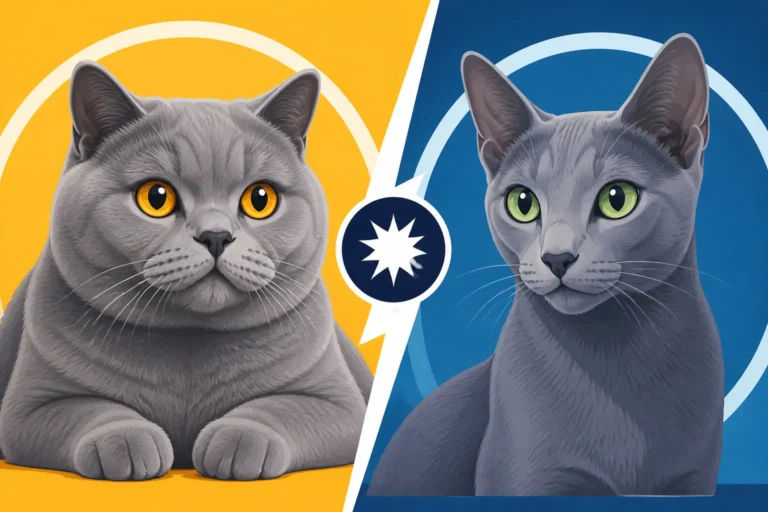
If you are comparing a British Shorthair with another round-faced breed, remember that similar-looking features do not make the breeds interchangeable. How a British Shorthair Differs From an Exotic Shorthair is especially relevant because the Exotic Shorthair is associated with a noticeably flatter facial profile.
When a Short Face May Be a Concern
Look at comfort and function, not appearance alone
A short muzzle is not, by itself, proof of a health problem. The more important question is whether the cat appears comfortable and can breathe, eat, groom and rest normally. Facial structure can be one piece of the picture, but an owner should not diagnose a problem from a photograph or breed label alone.
Pay attention to persistent noisy breathing, effortful breathing, open-mouth breathing when the cat is resting, repeated distress during activity, or difficulty eating. A cat that struggles to breathe or suddenly appears in respiratory distress needs urgent veterinary attention. If you are trying to distinguish ordinary quietness from a breathing problem, Signs a British Shorthair Is Breathing Hard covers warning signs to watch for.
Also notice whether the cat can close its mouth comfortably and whether its eyes and nose appear clean and free from ongoing irritation. A single sneeze or a brief snuffle is not enough to identify a structural issue. Repeated symptoms, a change in breathing, or difficulty with everyday activities are reasons to speak with a veterinarian.
Extreme features deserve careful questions
If you are choosing a kitten, ask to see the parents in person or in clear, natural photographs from the front and side. Look for a face that appears broad and rounded without an obviously crushed nose or a deep facial indentation. Ask the breeder how they assess breathing and general health, and whether a veterinarian has examined the kitten.
Be cautious if promotional language celebrates an unusually flat face as the main selling point. A dramatic look in a close-up image can be appealing, but it does not tell you whether the cat is comfortable or whether the profile is consistent with a balanced British Shorthair. Ask for candid views, not only carefully posed portraits.
A responsible breeder should be able to discuss the breed’s features without suggesting that more extreme facial shortening is automatically better. If the cat already shows breathing difficulty, persistent eye or nose discharge, or problems eating, arrange a veterinary assessment rather than treating those signs as part of its appearance. For a wider view of breed health considerations, see Whether the British Shorthair Is a Healthy Breed.
| Feature | Typical British Shorthair look | What may merit a closer look |
|---|---|---|
| Nose | Short and broad, with a visible, natural profile | Appears crushed, pinched or deeply indented |
| Head | Broad and rounded | Narrow or visibly out of proportion |
| Cheeks | Full and rounded, balanced with the muzzle | So pronounced they obscure or distort the muzzle |
| Breathing | Quiet and comfortable at rest | Persistent noise, effort, or open-mouth breathing at rest |
| Overall expression | Round and compact without looking flattened | Facial features appear pushed back or uncomfortable |
How to Judge a British Shorthair’s Profile
Use a simple front-and-side check
Start with a relaxed view of the cat, rather than a close-up taken with a wide-angle phone camera. Close camera angles can distort proportions, making the nose look smaller and the head look larger. A natural side view is particularly useful for judging whether the nose has a visible shape and whether the forehead-to-nose transition looks gentle rather than abruptly flattened.
Then look from the front. The head should read as broad and rounded, with cheeks that fit the rest of the face. The muzzle should not appear squeezed between the eyes or swallowed by the cheeks. If possible, compare several images of the same cat in neutral positions rather than relying on one highly posed shot.
For kittens, remember that faces change as they grow. A young cat may not yet have the adult fullness of cheek and head shape, and coat density can also affect how the face looks. Avoid making a firm judgment about an adult profile from one baby photograph.
Ask practical questions when choosing a kitten
If you are speaking with a breeder, keep your questions specific and focused on the cat’s wellbeing as well as its appearance:
- Can I see clear front and side views of the kitten and its parents?
- Has the kitten been examined by a veterinarian?
- Have you noticed noisy or effortful breathing, difficulty eating, or persistent eye or nose discharge?
- How do you describe the nose and profile in relation to the breed standard you follow?
- Can you explain what health screening and care have been provided?
Listen for clear, straightforward answers. A breeder does not need to promise that a kitten will have a particular show profile, and no photograph can guarantee how an adult cat will look. What matters is that the breeder can talk thoughtfully about proportion, health and the kitten’s everyday comfort—not only how round or short its face appears.
Keep appearance in perspective
A British Shorthair does not need an extremely flat face to look unmistakably like the breed. Its broad head, round outline, full cheeks and sturdy build create the recognizable expression together. A naturally short muzzle can be entirely consistent with that look when the face remains balanced and the cat is comfortable.
If you are unsure whether a particular cat’s profile is simply compact or unusually flattened, consider the whole picture: the nose from the side, the muzzle from the front, and the cat’s breathing and eating. When there are symptoms or a clear change in comfort, a veterinarian is the right person to assess them. Breed appearance is useful context, but it should never replace attention to how the individual cat functions.
Disclaimer
This article is for general informational purposes only and does not constitute professional advice. Laws, prices and regulations vary by location and change over time. Consult a qualified professional for guidance on your specific situation.