How Long a British Shorthair Lives on Average
It’s a thought that crosses every cat parent’s mind: just how long do I get with this wonderful creature? When you welcome a British Shorthair into your home, with their charming round faces and placid personalities, you’re not just getting a pet; you’re gaining a beloved family member. Naturally, you want to know what to expect in terms of their longevity. This guide aims to give you a realistic and comprehensive understanding of the average lifespan of a British Shorthair, delving into the factors that can significantly influence how many precious years you’ll share.
The General Lifespan of a British Shorthair
When you’re doing your research, you’ll find a lot of numbers floating around about how long British Shorthairs typically live. It can be a bit overwhelming, trying to figure out what’s truly realistic for your own furry friend. The truth is, it’s rarely a hard and fast number, but rather a range influenced by a multitude of factors.
The Average Range: What to Expect
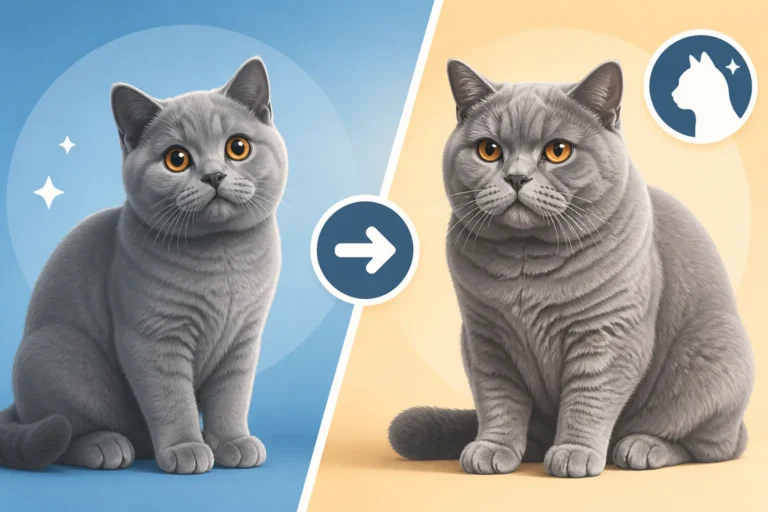
On average, a well-cared-for British Shorthair can be expected to live anywhere from 12 to 17 years. This is a pretty solid lifespan for a cat, putting them right in line with or slightly above many other popular domestic breeds. Of course, some exceptional individuals defy these averages, living well into their late teens or even reaching the grand old age of 20, but these are generally the outliers. Think of 12-17 as the sweet spot, the most common window you can anticipate.
It’s important to understand why this is a range rather than a single digit. Like humans, cats are individuals. Their genetic makeup plays a huge role, but so does their environment, their diet, the quality of their veterinary care, and even their stress levels. A British Shorthair living a pampered, low-stress indoor life with excellent nutrition and regular vet check-ups is naturally going to have a better shot at hitting the higher end of that spectrum than one who might face more challenges or receive less consistent care. Comparing them to other breeds, you'll find that breeds like the Maine Coon typically have a similar range, while some smaller breeds might lean slightly shorter, and some less common breeds might have even longer average lifespans. The British Shorthair's robust, cobby build often contributes to their general hardiness.
Factors Influencing Initial Longevity Estimates
Even before your British Shorthair settles into their forever home, certain foundational elements can already begin to paint a picture of their potential longevity. It's not just about what happens once they're with you, but also the crucial start they get in life.
One of the most significant initial factors is the quality of their genetics, which directly stems from responsible breeding practices. A reputable breeder isn’t just focused on pretty faces; they’re deeply invested in the health and well-being of their lines. This means extensive health testing of the parent cats to screen for hereditary conditions that could drastically shorten a kitten’s life. For instance, reputable breeders will perform specific tests to ensure their breeding cats are as healthy as possible. If you’re curious about the essential checks, you might want to look into What a British Shorthair Breeder Should Have Tested. Skipping these vital steps can introduce genetic predispositions to serious diseases, potentially truncating a kitten’s life before it even truly begins.
Beyond genetics, a kitten’s early life care sets the stage for their future health. This includes optimal nutrition during the crucial developmental months, ensuring they receive all necessary vaccinations to build a strong immune system against common feline illnesses, and being protected from parasites. Kittens who suffer from poor nutrition or repeated illnesses early on can face lifelong health challenges that chip away at their overall vitality and, consequently, their lifespan. A healthy start, free from significant medical setbacks, gives them a much stronger foundation for a long, healthy life.
Major Health Considerations That Impact Longevity
While British Shorthairs are generally considered a healthy, robust breed, they do have predispositions to certain genetic or breed-specific conditions that can significantly impact their lifespan if not properly managed or screened for. Understanding these challenges is key to proactive care.
Heart Health: The Shadow of HCM
One of the most significant health concerns for the British Shorthair, and indeed many purebred cats, is Hypertrophic Cardiomyopathy (HCM). This is a disease where the walls of the heart’s main pumping chamber (the left ventricle) become abnormally thickened. This thickening makes it harder for the heart to pump blood effectively, leading to a cascade of problems including fluid in the lungs, blood clots, and ultimately heart failure. It's a progressive disease, meaning it tends to worsen over time, and sadly, it can appear in cats of all ages, sometimes even in seemingly healthy young adults.
The frustrating reality for British Shorthair owners and breeders is that there is currently no DNA test specific to the British Shorthair for HCM, unlike in some other breeds like the Maine Coon. This means we rely heavily on physical examinations and, most critically, echocardiograms (ultrasounds of the heart) to diagnose the condition. Regular screening through echocardiograms is the gold standard for monitoring heart health in British Shorthairs. It's a proactive measure that can catch changes early, giving your vet the best chance to manage the condition and potentially extend your cat's quality of life. For more on this essential screening, you can read about The Yearly Echo That Replaces a British Shorthair Gene Test. Early diagnosis doesn't cure HCM, but it allows for medical management with medications that can slow progression, alleviate symptoms, and prevent complications like fatal blood clots, thereby giving your beloved British Shorthair more time.
Kidney Health: The Legacy of PKD
Another serious, genetically inherited condition that British Shorthairs can be prone to is Polycystic Kidney Disease (PKD). This disease causes fluid-filled cysts to form in the kidneys, gradually enlarging and multiplying over time, ultimately leading to kidney failure. The frustrating part about PKD is its insidious nature; cats can live for many years with these cysts before any noticeable symptoms of kidney dysfunction appear. By the time signs like increased thirst, weight loss, or vomiting manifest, the kidney damage is often extensive.
The reason PKD is a concern in British Shorthairs dates back to the breed's history. After the World Wars, the British Shorthair gene pool was severely depleted, and outcrossing with other breeds, notably Persians, was necessary to rebuild the population. Unfortunately, the PKD gene was inadvertently introduced into the British Shorthair lines through these Persian crosses. This historical connection is quite a story; you can learn more about how Polycystic Kidney Disease Came Into the British Shorthair With the Persians. Thankfully, unlike HCM, there is a reliable DNA test for PKD. This simple genetic test can determine whether a cat is clear, a carrier, or affected by the disease. Responsible breeders rigorously test their breeding cats to ensure they are clear of the PKD gene, preventing its transmission to future generations. If you adopt a kitten, ensure the breeder provides proof of PKD testing for the parents. For an adult cat whose history is unknown, particularly if it's a rescue, a DNA test can offer invaluable peace of mind or prepare you for potential future health challenges, allowing for early dietary and medical management should cysts be present and progressing.
Weight Management: The Silent Killer
Perhaps one of the most pervasive and often overlooked health challenges for British Shorthairs is their propensity for weight gain. Their naturally cobby, robust build, combined with their generally calm and less active demeanor, makes them prime candidates for obesity. It’s easy to look at that plush, round face and think "chunky is charming," but excess weight in a British Shorthair is far from benign; it’s a silent killer that can drastically shorten their lifespan and diminish their quality of life.
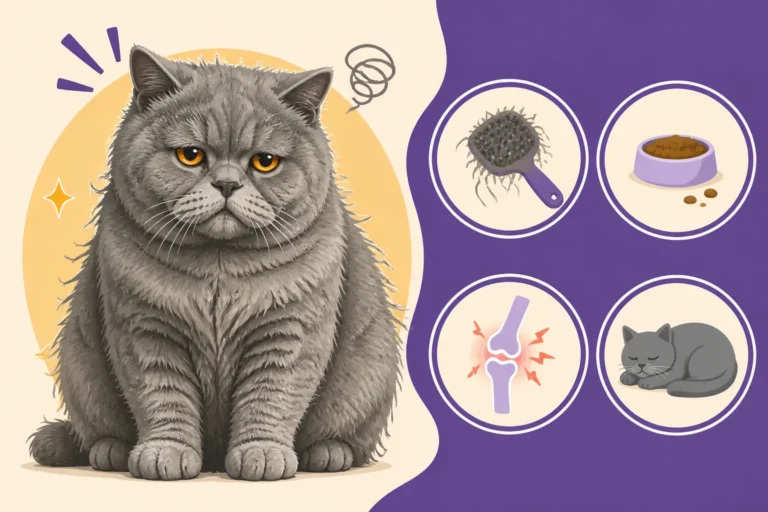
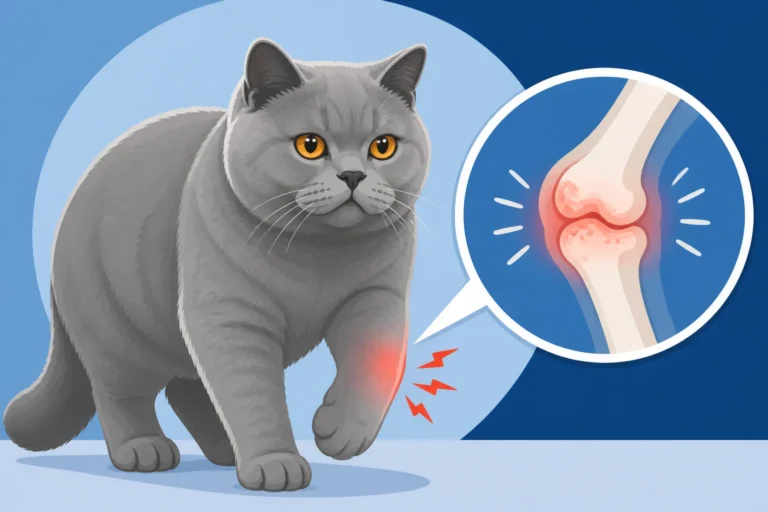
The ease with which a British Shorthair can pack on the pounds is truly remarkable, and it’s a constant battle for many owners. If you've ever wondered why your BSH seems to gain weight just by looking at food, our article Why a British Shorthair Gains Weight So Easily delves into the reasons behind this common struggle. This isn't just about aesthetics; obesity in cats, just like in humans, leads to a cascade of serious health problems. Overweight British Shorthairs are at a significantly higher risk for developing debilitating conditions such as diabetes mellitus, which often requires daily insulin injections. They are also prone to severe arthritis, as their heavy bodies put undue stress on their joints, making movement painful and reducing their willingness to play and exercise. Beyond this, obesity increases the risk of urinary tract issues, skin problems due to difficulty grooming, and even certain types of cancer.
One particularly dangerous complication of feline obesity is hepatic lipidosis, or fatty liver disease, a life-threatening condition where the liver becomes overwhelmed with fat. This is a critical risk for overweight cats, especially if they stop eating for even a short period due to stress or illness. The impact of obesity on this vital organ is profound, as detailed in What Obesity Does to a British Shorthair's Liver. Maintaining a healthy weight through careful portion control and encouraging regular, albeit gentle, exercise is one of the single most impactful things you can do to ensure your British Shorthair enjoys a long, healthy, and comfortable life. It truly is a cornerstone of preventative care.
Lifestyle and Environmental Factors for a Longer Life
Beyond genetics and specific breed predispositions, the day-to-day care and environment you provide for your British Shorthair play an enormous role in their overall health and how long they thrive. It’s about creating a holistic approach to their well-being.
Nutrition: Fueling a Long and Healthy Life
What you put in your British Shorthair's bowl is paramount. Good nutrition isn't just about preventing obesity; it's about providing the building blocks for every cell, organ, and system in their body to function optimally throughout their entire life. Given their propensity for weight gain, a high-quality, portion-controlled diet is absolutely essential for British Shorthairs. This means choosing a cat food that is rich in animal protein, moderate in fat, and low in carbohydrates, mimicking what a cat would naturally eat in the wild. Avoid foods with excessive fillers, artificial colors, or by-products.
The concept of "free feeding," where food is left out all day for a cat to graze, is a recipe for disaster with a British Shorthair. They often lack an internal "off switch" and will happily overeat, leading directly to weight gain. Instead, carefully measure out their daily food allowance and divide it into two or three meals. This approach, where Portion Control Is the Whole Job With a British Shorthair, allows you to monitor their intake and adjust as needed to maintain a healthy weight. Many owners find wet food beneficial, as its higher moisture content contributes to better hydration and can help a cat feel fuller on fewer calories. While dry kibble can be convenient, ensure your British Shorthair is drinking enough water if that's their primary food source, as cats naturally derive much of their hydration from their prey (or wet food). Consider introducing a water fountain, as many cats are enticed to drink more from moving water.
Exercise and Enrichment: Keeping Them Active
Let's be honest, British Shorthairs are not known for their Olympic-level athleticism. They are generally calm, laid-back cats who prefer napping in a sunbeam to scaling the curtains. While this placid nature is one of their most endearing qualities, it also means owners need to be proactive about encouraging activity to prevent them from becoming sedentary and overweight. Simply assuming your British Shorthair will "play when they want to" often isn't enough, especially as they get older.
Finding ways to engage a low-energy British Shorthair can feel like a puzzle. If you're struggling with this, our guide Getting a Low Energy British Shorthair to Move offers some fantastic, creative strategies. Interactive toys, like wand toys with feathers or soft lures, are often more appealing than solitary toys. Short, frequent play sessions, even just 5-10 minutes a few times a day, can make a huge difference. Puzzle feeders are excellent for engaging their minds and making them "work" for their food, adding a mental and physical challenge. Environmental enrichment, such as tall cat trees (even if they don't climb them regularly, having the option for vertical space is important) or window perches for bird-watching, can stimulate their senses and encourage some movement. Regular exercise is crucial not only for weight management but also for maintaining muscle tone, joint health, and mental stimulation, all of which contribute to a longer, happier life.
Veterinary Care: Regular Check-ups and Early Intervention
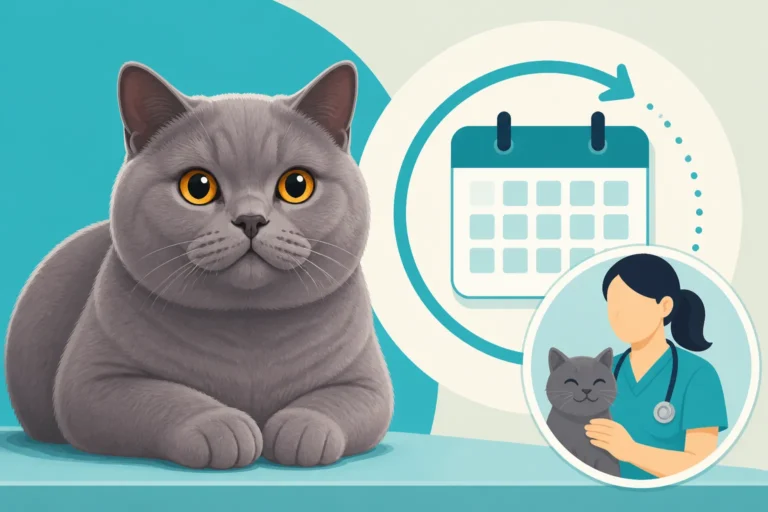
One of the cornerstones of ensuring a long and healthy life for your British Shorthair is consistent, high-quality veterinary care. It’s not just about rushing to the vet when something is wrong; it’s about proactive, preventative health maintenance. Just like we have annual physicals, your British Shorthair needs regular check-ups, ideally once a year when they’re young adults, and more frequently (biannually) as they enter their senior years.
These routine veterinary visits are vital for several reasons. Firstly, they allow your vet to perform a thorough physical examination, checking for subtle changes in weight, coat condition, teeth, ears, and overall demeanor that might indicate an underlying issue before it becomes serious. Secondly, they’re an opportunity for necessary vaccinations and parasite control. Thirdly, and perhaps most importantly, they allow for early detection of age-related conditions. As British Shorthairs get older, they are prone to issues like arthritis, kidney disease, hyperthyroidism, and dental problems. Regular bloodwork, urine analysis, and blood pressure checks become increasingly important as they age. For owners who have adopted older British Shorthairs or whose cherished companions are entering their golden years, understanding the nuances of Caring for a British Shorthair Past Ten becomes especially relevant, as their needs change significantly.
Investing in preventative care now can save significant emotional and financial stress down the road. Pet insurance, like that offered by Healthy Paws, can be an invaluable tool here, helping to cover the costs of unexpected illnesses or ongoing treatment for chronic conditions that might arise. Knowing you have that financial buffer can empower you to pursue the best possible care without hesitation, which directly impacts your cat’s longevity and quality of life. Regular dental cleanings under anesthesia, for example, can prevent painful infections and tooth loss, which can have systemic effects on other organs if left untreated. Catching conditions like early kidney disease through routine bloodwork allows for dietary and medical interventions that can slow its progression and give your cat many more comfortable years.
The Role of Responsible Breeding and Early Testing
The journey to a long-lived British Shorthair often begins long before they even arrive in your home. The choices made by breeders, and the subsequent health screening protocols, lay a critical foundation for a kitten's potential for a full and healthy life.
Choosing a Reputable Breeder
When you're looking for a British Shorthair kitten, the breeder you choose is arguably one of the most critical decisions you'll make regarding your future companion's health and longevity. A reputable breeder isn't just someone who has kittens available; they are a guardian of the breed's health, temperament, and genetic integrity. They invest significant time, effort, and money into ensuring their breeding cats are sound, and their kittens are raised in a healthy, stimulating environment.
What should you look for? Transparency is key. A responsible breeder will be open and honest about their cattery practices, their breeding philosophy, and most importantly, the health testing they conduct on their breeding stock. They should be eager to share detailed health records and certifications for both the parents of your kitten. This isn't just about seeing a piece of paper; it's about understanding the rigorous process they undertake to minimize the risk of hereditary diseases. For instance, they should provide proof of regular echocardiograms for HCM screening, and DNA test results for PKD, among other relevant tests. Our article Which Health Results a British Shorthair Breeder Must Show provides an exhaustive list of what to expect and demand from a responsible breeder. Avoid any breeder who downplays the importance of these tests, offers kittens at suspiciously low prices without health guarantees, or doesn't allow you to visit their cattery and meet the parent cats. While it might seem like a longer, more expensive route initially, choosing a reputable breeder is an investment in your British Shorthair's future health and dramatically increases their chances of a long life free from preventable hereditary conditions.
Health Screening: Non-Negotiable for Lifespan
The importance of comprehensive health screening cannot be overstated when it comes to British Shorthairs. For breeders, this is a non-negotiable ethical responsibility. For prospective owners, it’s your best defense against heartbreaking and often costly health issues down the line. The goal of screening is to identify genetic predispositions or early signs of disease in breeding cats, thereby preventing the transmission of these conditions to their offspring.
As discussed, screening for HCM through regular echocardiograms of all breeding cats is vital, even though there's no DNA test for the British Shorthair. Similarly, DNA testing for PKD in all breeding animals is a straightforward and crucial step to eradicate this debilitating kidney disease from a lineage. Blood typing of breeding cats is also essential, particularly to prevent life-threatening neonatal isoerythrolysis in kittens, a condition where a type B queen produces antibodies against type A kittens, causing them to fade and die shortly after birth. When breeders diligently screen their cats, they significantly reduce the prevalence of these serious conditions within the breed, contributing to healthier, longer-lived cats for everyone. This proactive approach saves countless kittens from suffering and ensures that the British Shorthair breed continues to thrive with robust health. While the initial cost of purchasing a kitten from a health-tested line might be higher, it’s a tiny fraction of what you could potentially spend on treating preventable illnesses throughout your cat’s life. Thinking ahead with tools like pet insurance, for example with Healthy Paws, can also provide financial safety nets for any unforeseen health challenges, reinforcing the value of preventative measures.
Understanding Common Causes of Mortality
Even with the best care, genetics, and environment, all living creatures eventually reach the end of their lives. For British Shorthairs, understanding the most common causes of mortality can help owners recognize warning signs, provide palliative care, and make informed decisions as their beloved cats age.
Age-Related Diseases
As British Shorthairs transition into their senior years, typically around the age of 10-12, they become more susceptible to a range of age-related diseases that are also common in older cats of all breeds. These chronic conditions often progress slowly, and while they can be managed, they are generally not curable and ultimately contribute to a decline in health and quality of life.
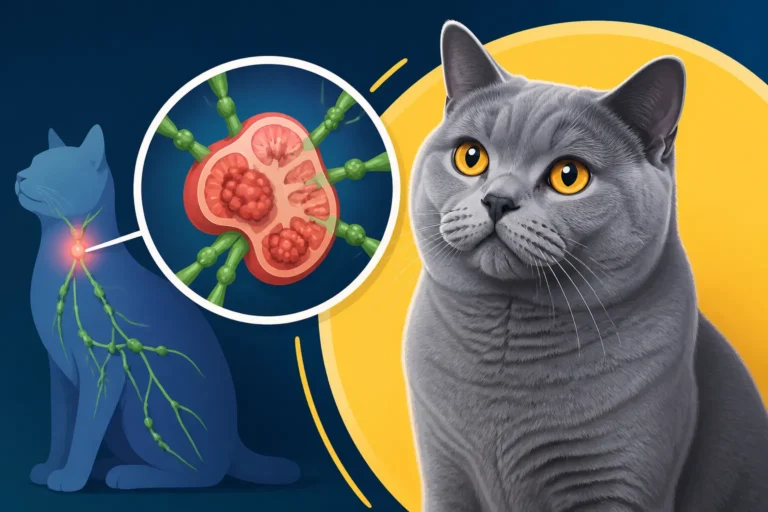
One of the most frequent causes of death in older cats, including British Shorthairs, is chronic kidney disease. The kidneys gradually lose their ability to filter waste products from the blood, leading to a buildup of toxins. Symptoms like increased thirst, frequent urination, weight loss, and poor appetite are common. While a British Shorthair might succumb to kidney disease, it’s often managed for years with special diets, fluid therapy, and medications. Another prevalent condition is hyperthyroidism, where the thyroid gland overproduces hormones, leading to weight loss despite a good appetite, hyperactivity, and heart problems. This can also be managed with medication, diet, or radioactive iodine therapy. Cancers also become more common with age, with lymphoma being a particular concern. The challenges of these conditions can be compounded, and understanding What Most British Shorthairs Die Of can help you prepare for the realities of senior cat care. Managing multiple age-related conditions requires dedicated veterinary care, careful monitoring at home, and a commitment to maintaining your cat's comfort and dignity, even with the support of pet insurance like Healthy Paws.
Acute Health Crises
While many British Shorthairs pass away peacefully from age-related chronic illnesses, some may unfortunately face sudden, acute health crises that can lead to a rapid decline or immediate euthanasia. These events are often unexpected and can be incredibly distressing for owners.
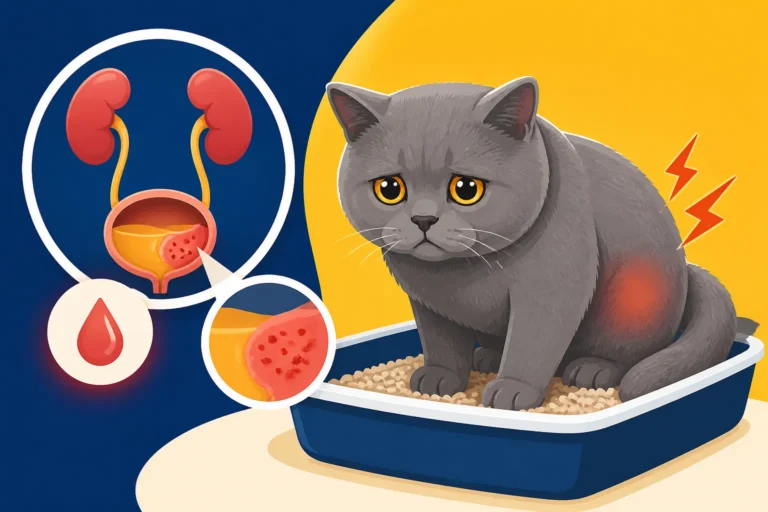
One of the most devastating acute complications, particularly in British Shorthairs affected by undiagnosed or advanced HCM, is a condition known as Feline Aortic Thromboembolism (FATE), often referred to as "saddle thrombus." This occurs when a blood clot, which can form in the enlarged heart chamber due to turbulent blood flow, breaks off and travels down the aorta, lodging at the bifurcation (where the aorta splits to supply blood to the hind legs). This event is incredibly painful and causes sudden paralysis and coldness in the hind limbs. It's a severe emergency with a poor prognosis, and our article How a British Shorthair Throws a Clot explains this harrowing experience in more detail. Another acute crisis, particularly common in male cats, is a urinary blockage. This occurs when the urethra (the tube carrying urine from the bladder) becomes obstructed by stones, crystals, or inflammatory material, preventing the cat from urinating. If left untreated, a blocked bladder quickly becomes life-threatening, leading to kidney failure and electrolyte imbalances within hours. Signs include straining in the litter box without producing urine, frequent attempts to urinate, and pain. These acute conditions underscore the importance of immediate veterinary attention if you notice any sudden, severe changes in your British Shorthair's health.
Key Factors Influencing British Shorthair Lifespan
To bring it all together, here’s a summary of the critical elements that contribute to how long your British Shorthair might live. These factors are interconnected, and excelling in one area can often positively influence others, creating a virtuous cycle for a healthy, long life.
| Factor | Positive Impact on Lifespan | Negative Impact on Lifespan |
|---|---|---|
| Genetics | Ancestry from health-tested lines; absence of genetic diseases (HCM, PKD, etc.) | Hereditary conditions (e.g., undiagnosed HCM, PKD carriers) passed down |
| Nutrition | High-quality, portion-controlled, species-appropriate diet (wet food encouraged) | Free-feeding, low-quality food, excessive treats, obesity |
| Environment | Indoor-only living, safe & stimulating environment, low stress | Outdoor access (accidents, disease), high-stress household, boredom |
| Exercise & Enrichment | Regular interactive play, puzzle feeders, vertical space, mental stimulation | Sedentary lifestyle, obesity, lack of mental engagement |
| Veterinary Care | Annual check-ups, regular screenings (echo, bloodwork), prompt treatment | Irregular vet visits, delayed treatment, lack of preventative care |
| Weight Management | Ideal body condition score, lean muscle mass | Obesity, diabetes, arthritis, hepatic lipidosis, reduced mobility |
| Dental Health | Regular dental care (brushing, professional cleanings) | Untreated dental disease (pain, infection, systemic inflammation) |
Disclaimer
The information provided in this article is intended for general informational purposes only and does not constitute veterinary advice. Always consult with a qualified veterinarian for any health concerns or before making any decisions related to your pet's health and treatment.