The Round Head and Copper Eye a British Shorthair Is Judged On
Many aspiring British Shorthair owners, and even some who have already welcomed these delightful felines into their homes, often grapple with truly understanding what makes a "classic" British Shorthair. It's not just about a blue coat, believe it or not! The real magic, the very essence of the breed's charm and distinction, lies in the precise, almost sculpted features of its head and the captivating intensity of its eyes. This guide will take a deep dive into these iconic traits, exploring what makes the British Shorthair's round head and striking copper eyes so sought after and how they are judged against the exacting breed standards.
The Iconic "Cobby" Body and Overall Impression
When you first lay eyes on a British Shorthair, your immediate impression is one of solid, undeniable presence. They aren't delicate or ethereal cats; they are robust, substantial, and utterly charming. This isn't just about their weight, though they certainly can be hefty; it's about a specific type of physique known as "cobby." Understanding this foundational body type is key to appreciating how the head and eyes fit into the whole picture.
More Than Just "Chunky": Understanding the British Shorthair's Build
The term "cobby" describes a cat with a short, compact, well-rounded, and muscular body. Think of a dense, brick-like build, but with elegant curves. A British Shorthair should possess a broad chest, strong shoulders, and a powerful, level back. Their legs are relatively short and thick, ending in round, firm paws. This isn't a long, lithe, or slender cat by any stretch; it's a cat built for strength and stability. When you pick one up, you should feel a surprising amount of weight and solidity, a real heft that speaks to their muscular structure, not just a soft layer of fat. It's a common misconception that their substantial appearance simply means they are overweight; in fact, a truly well-conditioned British Shorthair is powerfully built. Their bone structure is heavy, and their muscles are well-developed, contributing to that distinctive "cobby" feel. This robust framework is crucial, as it provides the perfect pedestal for their signature round head. You can learn more about their size in What a British Shorthair Weighs and How Big It Gets.
The Importance of Balance and Proportions
While each individual feature is important, judges and experienced breeders also look for how all these elements come together to create a harmonious and balanced cat. The cobby body should flow seamlessly into a short, thick neck, which then supports the massive, round head. Nothing should appear out of proportion; a tiny head on a huge body, or spindly legs, would be a serious fault in the show ring. The cat should look substantial but not at all clumsy or awkward. There’s an elegance to their power, a certain grace in their robust build. When observed in motion, they should move with a quiet confidence, their solid frame carrying them with ease. This overall impression of power, balance, and roundedness is what truly captures the essence of the British Shorthair and distinguishes it from other breeds. Every curve, every muscle, every bone is designed to contribute to this unmistakable silhouette, creating a living embodiment of the "teddy bear" cat.
The Magnificent Round Head: A Defining Feature
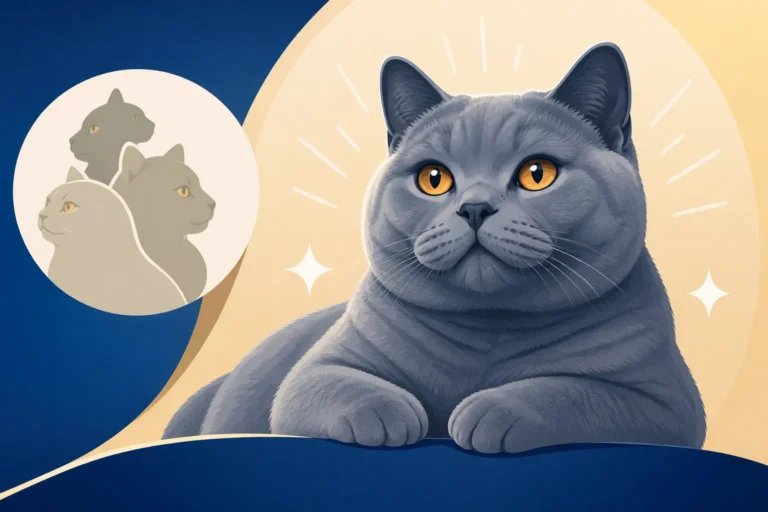
If the British Shorthair's body is its foundation, then its head is truly its crowning glory. This feature is arguably the most iconic, giving the breed its universally recognized "teddy bear" or "owl-like" expression. It’s a feature so central to the breed that it often defines perceptions and desires among potential owners.
The Perfect Circle: Shape and Structure
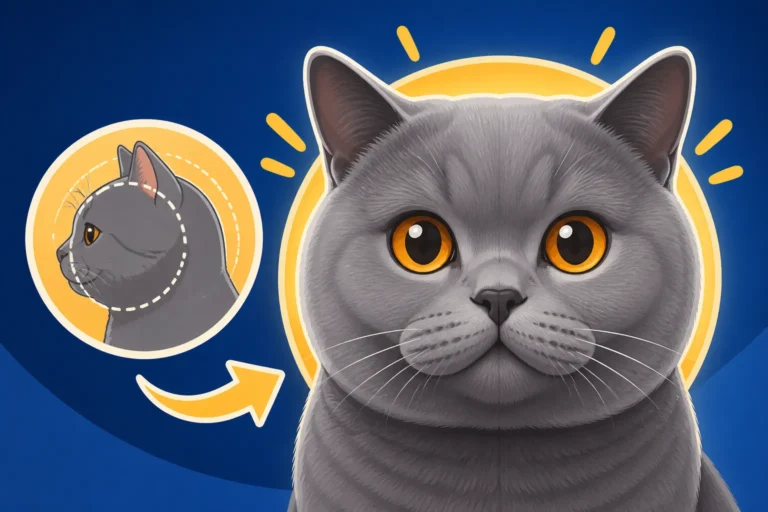
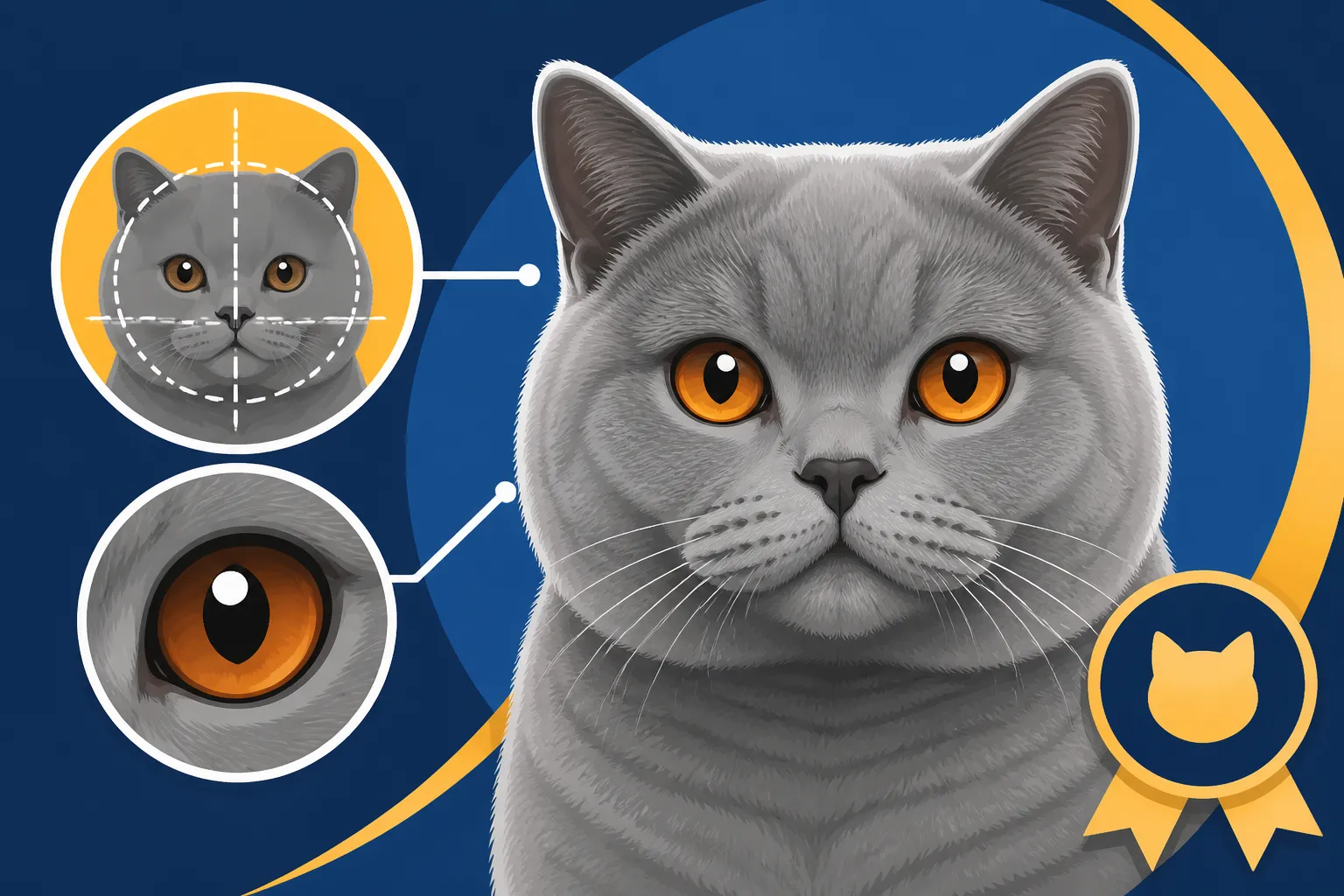
The British Shorthair’s head should be remarkably broad and round, almost perfectly spherical when viewed from the front. This roundness extends to every part: the skull, the cheeks, and even the base of the ears. There should be a generous amount of bone structure, contributing to this substantial appearance. For males, this roundness is further enhanced by the development of prominent jowls, which can make their faces appear even wider and more impressive as they mature. These jowls are a hallmark of the mature male British Shorthair, giving them a wonderfully masculine and full-cheeked look that simply melts your heart. The neck should be short and very thick, firmly connecting this impressive head to the powerful, cobby body without appearing elongated or delicate. This short, strong neck is essential for maintaining the overall impression of a compact, well-built cat. The transition from the head to the body should be smooth and muscular, reinforcing the solid construction of the breed. It's this combination of broadness, roundness, and robust musculature that truly defines the head as a cornerstone of the British Shorthair's appeal. For more on jowls, see What Jowls Are on a Male British Shorthair.
A British Shorthair's Nose and Muzzle
Complementing the broad, round head is a short, broad nose. The profile should exhibit a gentle dip, a slight curve rather than a flat plane, but crucially, it should not have a "stop" or "break" that you might see in some Persian lines. The nose itself should be straight from the bridge to the tip. The muzzle, or whisker pads, are also firm and round, contributing to the overall roundness of the face. These well-developed whisker pads push out the whiskers, further enhancing the cherubic, almost smiling expression. When you look at their face, there's a certain sweet disposition that comes from these features. The chin should be firm and well-developed, neither receding nor protruding, completing the strong, round outline of the head. All these components work together to ensure that the British Shorthair’s face remains consistently broad and full, avoiding any suggestion of narrowness or a pointed appearance, which would be considered a deviation from the ideal standard.
Ear Placement and Size
The ears of a British Shorthair are another key component of their distinctive head. They should be relatively small in size, with rounded tips, fitting perfectly into the rounded contour of the skull. Critically, they are set wide apart, contributing to the broadness of the head rather than drawing attention upwards. If the ears were large, pointed, or set too close together, they would disrupt the smooth, circular aesthetic of the head, making the cat look less like the beloved "teddy bear" and more like other breeds. The wide placement also enhances the impression of a low, substantial skull. When a judge evaluates a British Shorthair, they are looking for how these small, well-placed ears blend almost seamlessly with the head, enhancing its roundness rather than detracting from it. They should not appear prominent or disproportionate, instead acting as subtle complements to the overall spherical form. This careful consideration of ear size and placement is a testament to the meticulous detail involved in defining the British Shorthair's unique breed type.
The Piercing Copper Eyes: A Standard of Beauty
Once you've admired the impressive round head, your gaze inevitably falls to the eyes – and for the classic British Shorthair, these are typically nothing short of mesmerizing. The eye color and shape are not just pretty; they are fundamental to the breed's standard and contribute significantly to that soulful, intelligent expression.
Color and Intensity: What "Copper" Really Means
For the vast majority of British Shorthairs, particularly the solid blue, black, cream, or red varieties, the breed standard calls for eyes of a deep, rich copper or gold color. This isn't just a light yellow; it's a profound, intense hue, often described as a vibrant orange-gold, that seems to glow from within. The deeper and more uniform the color, the more highly prized it is. Imagine the warm glow of a freshly minted copper coin or the brilliant depths of a sunset – that's the intensity breeders strive for. This vivid eye color creates a stunning contrast against their dense, typically muted coats, drawing you in and completing the quintessential British Shorthair look. The vibrancy of the copper eyes is a critical indicator of type and is heavily weighted in judging, as it is a characteristic that distinguishes them from many other breeds. Fading or dull eye color would be considered a significant fault, as it diminishes the striking beauty that this trait brings to the breed. Curious about the value placed on this trait? Read Whether a Copper Eyed British Shorthair Costs More.
Shape and Placement: Enhancing the Roundness
Beyond color, the shape and placement of the eyes are equally vital. British Shorthair eyes should be large, round, and open, giving them an innocent, wide-eyed look. They are set wide apart on the broad head, further emphasizing the head's width and roundness. This wide setting prevents them from appearing too close together or giving the cat a narrow-faced appearance. Crucially, the eyes should not be almond-shaped, slanting, or deep-set; they should be full and expressive, contributing to that endearing "teddy bear" gaze. The expression should be sweet and gentle, yet intelligent and alert. When a British Shorthair looks at you with those big, round, copper eyes, it's an experience that really captures their calm and affectionate nature. The rounded shape helps to complete the overall circular aesthetic of the head, ensuring that the eyes are in perfect harmony with the other facial features.
Eye Color Exceptions: When Copper Isn't the Rule
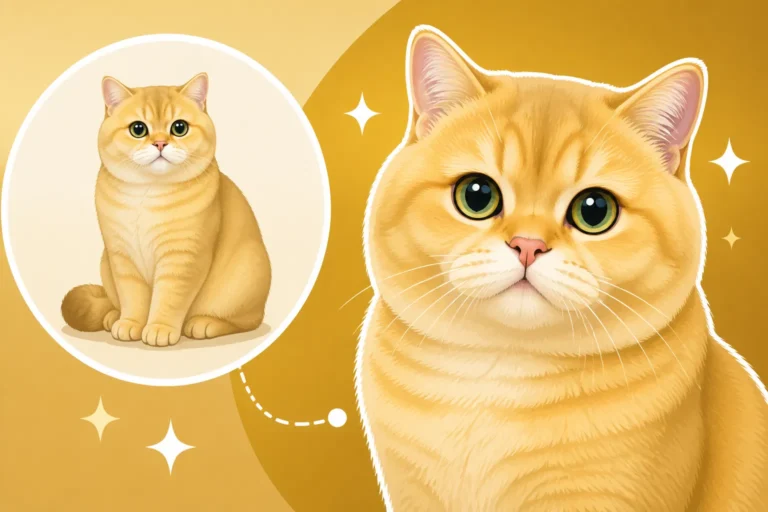
While copper or gold eyes are the ideal for many British Shorthairs, it's important to remember that the breed comes in a stunning array of colors and patterns, and with some of these, different eye colors are not only acceptable but required by the breed standard. For example, British Shorthairs with colorpoint patterns (like a British Shorthair lynx point or seal point) will always have blue eyes, mirroring their Siamese ancestors. Silver tabbies or shaded British Shorthairs often have green or hazel eyes, which complement their cool-toned coats beautifully. White British Shorthairs can have blue eyes, green eyes, or even be "odd-eyed" with one blue and one copper/gold eye. Therefore, while copper eyes are iconic for the solid-colored British Shorthair, understanding the full spectrum of coat and eye color combinations is part of appreciating the breed's diversity. It's a fascinating aspect of British Shorthair genetics that allows for a wide range of stunning looks while still adhering to specific standards for each type. To delve deeper into the different eye colors the breed can display, consult Which Eye Colors a British Shorthair Has.
The Plush, Dense Coat: Adding to the Teddy Bear Appeal
The British Shorthair's coat is another defining characteristic that contributes significantly to its soft, plush, "teddy bear" appeal. It's not just any fur; it has a very specific texture, density, and length that sets it apart.
Texture and Density: The "Crisp" Feel
The coat of a British Shorthair is famously short, dense, and plush, almost like a thick pile carpet. When you run your hand against the grain, it should feel firm, not soft or silky, and it should "stand away from the body." This unique texture is often described as "crisp" or "wooly," indicating a resilient springiness rather than a flat, sleek lie. This is due to the presence of a double coat, with a thick, soft undercoat providing the density and resilience that pushes the outer guard hairs away from the body. It’s this exceptional density that gives the British Shorthair its unmistakable robust outline and its resistance to matting, a feature many owners appreciate. The crispness is a tactile signature of the breed, a physical sensation that confirms you are stroking a genuine British Shorthair. If the coat is too soft, too long, or too sparse, it signals a departure from the ideal breed standard, impacting the overall "teddy bear" look. Discover more about this unique texture in Why a British Shorthair's Coat Feels Crisp.
Coat Length and Maintenance
The breed name itself, "British Shorthair," emphasizes the crucial aspect of coat length: it must be short. Any cat with a visibly long coat, even if it has British Shorthair parentage, would not be considered a true British Shorthair in the show ring and would typically be registered as a British Longhair if it meets that standard. This short length, combined with the extreme density, means that while grooming isn't overly complex, it does require the right tools. A simple brush might not penetrate the dense undercoat effectively, so a good quality metal comb is often recommended to remove loose hairs and prevent the coat from becoming impacted.
Despite its density, the British Shorthair's coat is relatively low maintenance compared to long-haired breeds. Regular combing, perhaps once or twice a week, is usually sufficient to keep it in excellent condition, remove shedding hair, and prevent hairballs. During seasonal shedding periods, particularly in spring, you might find yourself combing more frequently to manage the increased hair fall. Products like wide-toothed metal combs or deshedding tools can be found at retailers like Chewy and are indispensable for effectively managing the plush undercoat without damaging the outer guard hairs. These tools help maintain the coat's characteristic stand-away quality and keep your British Shorthair looking their best. If you're wondering which specific comb to use, check out Which Comb a British Shorthair Needs.
Variety of Colors and Patterns
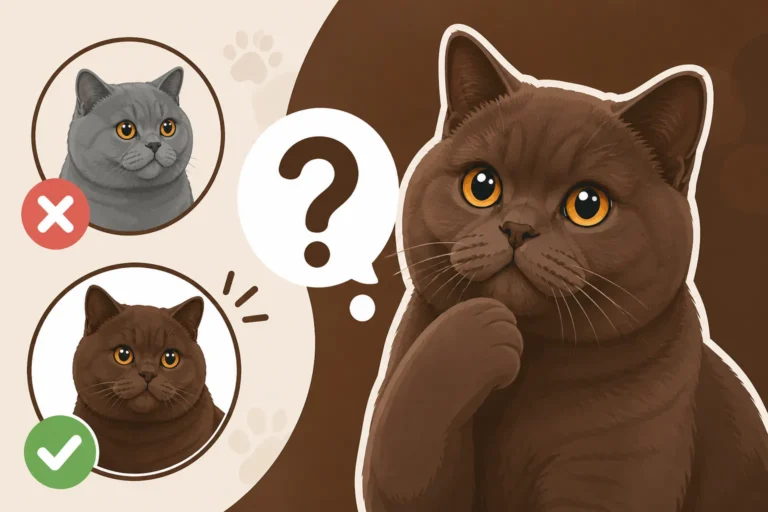
While the solid blue British Shorthair with copper eyes is arguably the most famous and iconic representation of the breed, the truth is that British Shorthairs come in an astonishing array of colors and patterns. The breed standard recognizes virtually every feline coat color and pattern imaginable, including black, white, cream, red, lilac, chocolate, cinnamon, fawn, and all sorts of tortie, tabby, bi-color, and colorpoint variations. Each color or pattern has its own specific requirements regarding eye color and often includes specific nuances within the standard. For instance, a solid black British Shorthair should ideally have brilliant copper eyes, while a silver tabby might display green eyes. A colorpoint British Shorthair, mimicking a Siamese pattern, will always have striking blue eyes. This incredible diversity in coat colors means there's a British Shorthair to suit almost any aesthetic preference, all while maintaining that core "teddy bear" head, cobby body, and plush coat. Exploring the full spectrum of their coat possibilities is a delight for any cat enthusiast. You can explore this more in A British Shorthair Comes in More Colors Than You Think.
Why These Features Matter to Breeders and Judges
The meticulous detail given to the British Shorthair's head, eye color, and body type isn't just about aesthetics; it's about the very integrity and future of the breed. For those deeply involved in the cat fancy, these standards serve crucial purposes.
Upholding the Breed Standard
Breed standards are comprehensive descriptions of the ideal cat for a particular breed. They outline everything from head shape, ear set, eye color, body type, coat texture, and even temperament. For judges in cat shows, these standards are their rulebook, guiding them in evaluating each cat against the perfect theoretical specimen. The round head, full cheeks, and deep copper eyes of the British Shorthair are not just desirable traits; they are fundamental requirements that define the breed's type. By consistently breeding and judging against these specific criteria, breeders aim to preserve the unique characteristics that distinguish the British Shorthair from all other breeds. Deviations from the standard, such as a narrow head, pointed ears, or pale eyes, are considered faults because they dilute the essence of the breed. Upholding these standards ensures that the British Shorthair you see today maintains the same beloved characteristics that captivated early fanciers over a century ago. Understanding which standards they are judged against can be found in Which Registry Standard a British Shorthair Is Judged Against.
The Challenge of Consistency in Breeding
Achieving consistent quality in breeding, especially when aiming for such precise features as the perfect round head and intense copper eyes, is a significant challenge. It takes years of dedicated selective breeding, careful genetic planning, and a deep understanding of pedigrees. Breeders meticulously select parent cats that exemplify the desired traits, hoping to pass them on to their offspring. This often involves studying multiple generations of a cat's lineage to predict how certain features will manifest. Factors like eye color intensity can be particularly elusive, with environmental factors and even light exposure potentially influencing how vibrant the color appears. A breeder might have excellent head type but struggle to achieve the perfect eye color, or vice versa. This is why top show cats are so rare and prized – they represent the culmination of generations of careful breeding, where multiple desirable traits have been successfully combined in one animal. The pursuit of this ideal is a constant, demanding, but ultimately rewarding endeavor for those passionate about the British Shorthair.
Beyond the Show Ring: What It Means for Pet Owners
While the strict adherence to breed standards might seem exclusive to the show circuit, these ideals profoundly impact pet owners too. The "teddy bear" look, characterized by the round head, expressive eyes, and dense coat, is precisely what draws most people to the British Shorthair in the first place. When you choose a British Shorthair kitten from a reputable breeder, even if you have no intention of showing, you are indirectly benefiting from the breeders' dedication to the standard. This means your pet British Shorthair is more likely to grow into that recognizable, charming cat you envisioned – the one with the plump cheeks and soulful gaze. These distinguishing features are what make the breed so beloved and unique. Knowing that your companion embodies these classic traits adds to the joy of ownership, ensuring your cat truly looks and feels like the British Shorthair you fell in love with. It's an assurance of authenticity and breed integrity, even if your British Shorthair's only "stage" is your living room sofa.
Common Misconceptions and Variations
The distinctive features of the British Shorthair sometimes lead to misunderstandings or confusion, especially for those new to the breed. Clarifying these points helps to truly appreciate the nuances of what makes a British Shorthair unique.
Confusing "Chunky" with "Obese"
One of the most frequent misconceptions about British Shorthairs is confusing their naturally "cobby" and robust build with being overweight or obese. A healthy British Shorthair is substantial and muscular, with heavy boning, but they should still have a discernible waist and you should be able to feel their ribs without pressing too hard. An overweight British Shorthair, on the other hand, will have lost its defined shape, appearing round and lacking muscle definition. Obesity is a serious health concern for any cat, leading to a host of problems like diabetes, arthritis, and heart issues. While their dense coats and solid build can sometimes mask weight gain, it's crucial for owners to monitor their cat's body condition carefully. Their charming "teddy bear" appearance shouldn't be an excuse for unhealthy weight, which significantly impacts their quality of life and lifespan. A truly healthy British Shorthair is powerfully built, not fat. It's a fine line to walk, but one that responsible owners must navigate for the well-being of their beloved companion. For more on the dangers of extra weight, see Obesity Is the British Shorthair's Real Disease.
The Influence of Outcrossing and Early History
The British Shorthair breed, as we know it today, has a rich and complex history, including periods where its numbers dwindled significantly, particularly after the World Wars. To rebuild the breed and enhance certain characteristics, careful outcrossing with other breeds, most notably the Persian, was undertaken. This historical interaction profoundly influenced the development of the British Shorthair's iconic features. The Persian's round head, full cheeks, and cobby body contributed significantly to the "teddy bear" look we cherish today. While the British Shorthair doesn't have the extreme brachycephalic (flattened) face of some modern Persians, the genetic input helped solidify the desired roundness of the head and the robust body type. These outcrosses were vital for ensuring the breed's survival and for shaping its distinctive appearance. Without these strategic infusions, the British Shorthair might not have evolved into the beloved, round-faced companion it is today. This historical context helps explain why certain physical traits are so deeply ingrained in the breed's genetic makeup. The full story of the breed's resurgence is in The Persians That Rebuilt the British Shorthair After the War.
The "Folded Ear" Conundrum
It's common for people to confuse British Shorthairs with Scottish Folds, often due to similarities in their round faces and robust builds. However, the key distinction, as the name suggests, lies in the ears. A Scottish Fold possesses a dominant genetic mutation that causes its ears to fold forward and downward, giving it a unique "owl-like" appearance. The British Shorthair, by contrast, always has straight, small, rounded ears set wide apart. While the Scottish Fold breed was originally developed from a barn cat in Scotland and later outcrossed with British Shorthairs (among other breeds) to solidify its body type, they are distinct breeds with separate breed standards. It's crucial for prospective owners to understand this difference, as breeding two folded-ear cats can lead to severe skeletal problems in their offspring. Therefore, a cat with folded ears is a Scottish Fold, regardless of how "British Shorthair-like" its body and head may appear otherwise. If you see a cat advertised as a "British Fold," it's likely a misnomer for a Scottish Fold or a crossbreed, and not a standard British Shorthair. This distinction is vital for breed integrity and animal welfare. For a direct comparison, refer to How a British Shorthair Differs From a Scottish Fold.
Caring for These Distinctive Features
Owning a British Shorthair means appreciating and actively caring for the very features that make them so special. While they are generally a hardy breed, maintaining their coat, eyes, and overall physique requires specific attention to ensure they remain healthy and comfortable throughout their lives.
Maintaining a Healthy Coat and Skin
The British Shorthair's dense, plush coat, while stunning, does require some regular attention to keep it in prime condition. While not prone to matting like long-haired breeds, the sheer density of their undercoat means it can collect loose hairs, especially during seasonal shedding. Regular combing, ideally once or twice a week with a good quality metal comb, is essential. This helps remove dead hair, distribute natural skin oils, and prevent any build-up that could lead to skin irritation or dullness. During periods of heavy shedding, often in spring and fall, you might need to increase combing frequency. Using a specialized de-shedding tool can be very effective, carefully removing loose undercoat without damaging the top guard hairs. These types of tools are readily available online or at pet supply stores like Chewy. Beyond combing, occasional gentle wiping with a damp cloth can help keep their coat looking clean and shiny. Avoid harsh shampoos unless absolutely necessary, as they can strip the natural oils from their coat and skin.
Eye and Ear Care
The British Shorthair's large, round, open eyes are generally healthy, but like all cats, they can occasionally experience minor discharge or irritation. Regular visual checks are advisable. If you notice any excessive tearing, redness, or discharge, it’s always best to consult your veterinarian. For minor debris or sleepy crust, a soft, damp cloth can be used gently to wipe the area around the eyes. Their small, wide-set ears are also typically low-maintenance. A quick visual inspection every few weeks can help identify any signs of redness, unusual odor, or excessive wax build-up, which could indicate an ear infection. If cleaning is needed, use a veterinarian-approved ear cleaner and cotton balls (never cotton swabs deep into the ear canal) to gently wipe the outer folds of the ear. Taking a proactive approach to these small aspects of care can prevent larger issues down the line and keep your British Shorthair comfortable.
Weight Management for Optimal Structure
Given their naturally cobby and substantial build, British Shorthairs can be prone to weight gain if not managed properly. While a hefty appearance is part of their charm, it's vital to differentiate between a healthy, muscular body and an overweight one. Obesity not only detracts from their breed-standard physique, making their round head and cobby body less distinct, but it also poses significant health risks. This breed is known for its relatively low activity levels, meaning calorie intake must be carefully controlled. Portion control is often the biggest job for a British Shorthair owner.
| Aspect | Ideal British Shorthair | Overweight British Shorthair |
|---|---|---|
| Body Shape | Cobby, muscular, broad chest, visible waistline | Round, barrel-shaped, no discernible waist, sagging belly fat |
| Ribs | Easily felt with light pressure | Difficult to feel under a layer of fat |
| Head Definition | Prominent jowls (males), distinct round facial features | Face appears fatter, features blend into overall roundness |
| Mobility | Agile, comfortable jumping and moving | Slower, less enthusiastic movement, difficulty jumping |
| Grooming | Able to reach and groom entire body | Difficulty grooming back, potential matted fur on hindquarters |
| Overall Health Risk | Lower risk of obesity-related conditions | Higher risk of diabetes, arthritis, heart issues |
Measuring food precisely at each meal is key, rather than free-feeding. Many owners find timed feeders, available at pet supply retailers like Chewy, incredibly useful for this purpose, ensuring their British Shorthair receives consistent, measured meals. Regular weighing at home (you can use a baby scale or weigh yourself, then yourself holding the cat, and subtract the difference) allows you to track their weight and adjust their diet as needed. A healthy weight maintains their classic appearance and, more importantly, supports their longevity and well-being. This ongoing commitment to portion control is the cornerstone of their care. For detailed advice, read Portion Control Is the Whole Job With a British Shorthair.
Disclaimer
This article is for general informational purposes only and does not constitute professional advice. Laws, prices and regulations vary by location and change over time. Consult a qualified professional for guidance on your specific situation.