How Much an Aging British Shorthair Sleeps
It's a common observation, and often a worry, for British Shorthair owners: "My cat sleeps all the time!" This breed is naturally inclined towards a more serene, less frenetic lifestyle than some of their feline cousins, even in their younger years. But as your beloved British Shorthair enters its golden years, you might notice an even more pronounced shift in their sleep patterns, wondering if this extra napping is just a normal part of aging or a red flag. This guide will help you understand the typical sleep habits of an aging British Shorthair, distinguishing between normal senior slowdown and potential health concerns, and how you can ensure their comfort.
How Much a British Shorthair Sleeps in Adulthood
Before we dive into the senior years, it's really helpful to understand what a "normal" amount of sleep looks like for an adult British Shorthair. These cats are, by their very nature, rather laid-back creatures. You won't often find them scaling your curtains or tearing through the house in a blur of endless energy like some other breeds might. This inherent calmness translates directly into their sleep patterns.
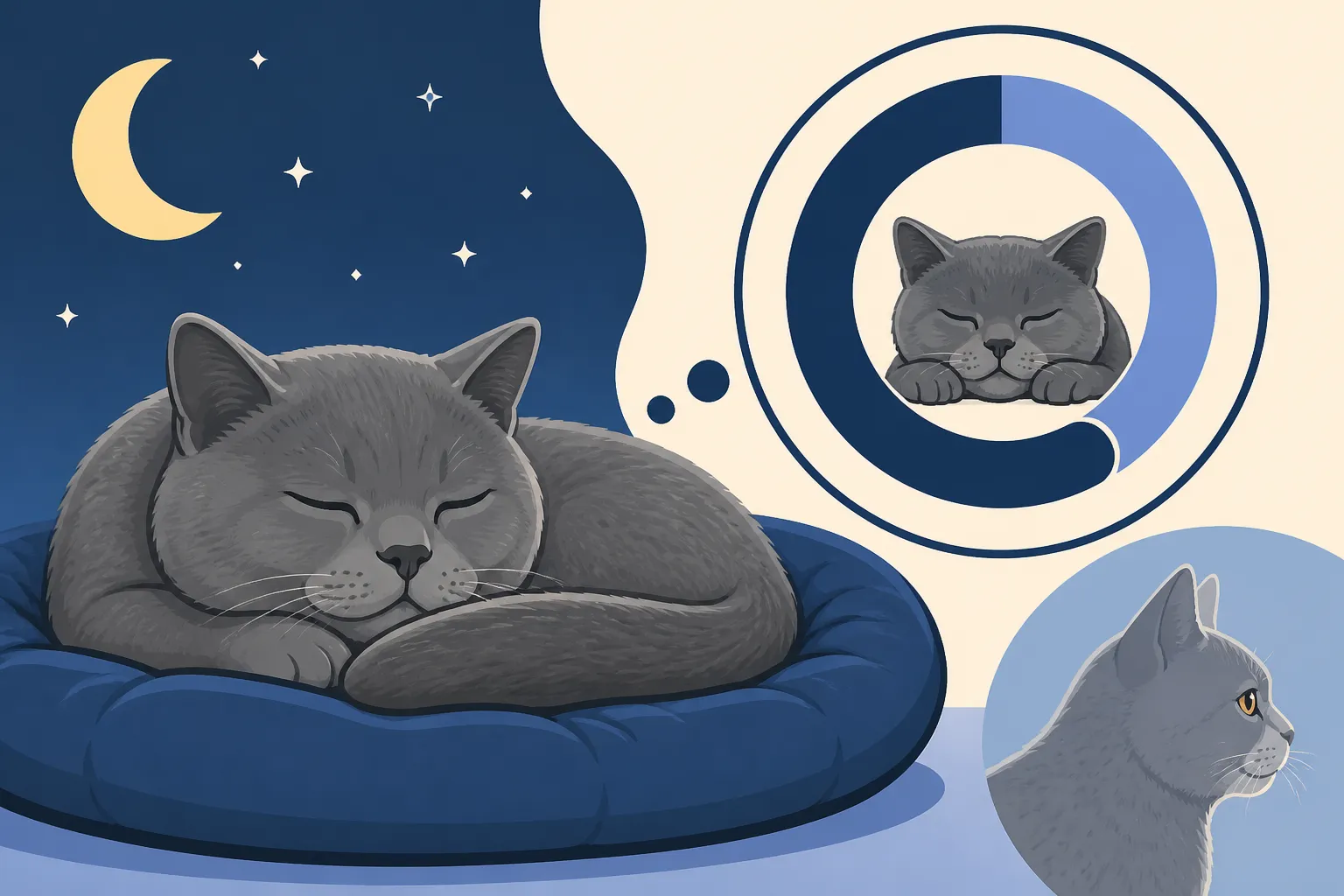
A healthy adult British Shorthair, generally between the ages of three and ten, typically sleeps anywhere from 12 to 16 hours a day. Yes, you read that right – up to two-thirds of their day! This isn't continuous sleep, of course. Their sleep cycles are usually broken up into many short naps interspersed with periods of being awake, but often still quite relaxed and perhaps just observing their surroundings from a comfortable perch. They might have a burst of energy for a short play session, especially in the mornings or evenings, but these bursts are usually brief. Their substantial, cobby build and dense coat are fantastic for looking plush and huggable, but they also contribute to a lower energy expenditure compared to leaner, more athletic breeds. They're built for comfort, and they certainly embrace it. You'll often find them curled up in a sunny spot, draped across a sofa arm, or perhaps nestled in a cat bed that you lovingly purchased from a place like Amazon. This breed has mastered the art of relaxation, and their quiet disposition means they're not expending unnecessary energy on constant vocalizations or high-octane pursuits.
The Natural Increase in Sleep for Senior British Shorthairs
As your cherished British Shorthair crosses the threshold into its senior years – typically around 10 to 12 years of age – you're almost certainly going to notice a further increase in their overall sleep duration and frequency. It's a natural progression, much like how humans tend to slow down and enjoy a bit more rest as they get older. Your cat might start spending 18, 19, or even 20 hours a day in various states of slumber.
This isn't necessarily a cause for alarm; it's often a completely normal physiological change. As cats age, their metabolism slows down, their energy reserves aren't what they used to be, and their bodies simply require more rest to repair and rejuvenate. Their internal clocks might also shift slightly. They may still have periods of activity, but these are often shorter and less intense. The spirited play sessions of their younger days might give way to gentle batting at a toy or a short chase after a laser pointer, followed quickly by a return to their favorite napping spot. You might also notice that when they are awake, they move a little slower, perhaps a bit more deliberately. An aging British Shorthair might be less inclined to jump to high places, preferring to stick to ground-level comfort. This is where accessible beds and perhaps even When an Aging British Shorthair Needs a Ramp can become incredibly useful.
Several factors contribute to this increased need for sleep. For one, their joints might not be as supple as they once were. Arthritis in an Older British Shorthair is a very real concern, even if they don't show overt signs of pain, and stiff joints can make movement less appealing, encouraging more sedentary behavior. Their senses, too, can start to dull. Hearing might diminish, vision might not be as sharp, and even their sense of smell can wane. This means less engagement with their environment, making restful periods more appealing than active exploration. Furthermore, the body’s recovery processes take longer. A younger cat might recover from a minor exertion quickly, but an older British Shorthair needs more downtime. It’s their way of conserving energy and ensuring their body can keep up with the demands of simply existing. It’s important to remember that while the total hours of sleep increase, the quality of their awake time should still be good – engaged, alert, and responsive, even if subdued. Think of it as embracing the retirement lifestyle, full of naps and quiet contemplation. To delve deeper into what makes a cat senior, consider reading The Age a British Shorthair Is Considered Senior.
Here's a quick comparison of average sleep hours:
| Age Stage | Average Daily Sleep Hours | Typical Activity Level |
|---|---|---|
| Kitten (0-1 year) | 18-20+ hours | Bursts of intense play, exploring, rapid growth |
| Adult (1-10 years) | 12-16 hours | Calm, relaxed, moderate play, observes surroundings |
| Senior (10+ years) | 18-20 hours | Very calm, gentle activity, prefers lounging, deeper naps |
When Increased Sleep Becomes a Concern in Older British Shorthairs
While an increase in sleep is perfectly normal for an aging British Shorthair, there's a crucial distinction to be made between a healthy, natural slowdown and genuine lethargy or an indication of an underlying health problem. This is where your careful observation as an owner truly comes into play. You know your cat best, and any sudden or dramatic change from their established senior patterns warrants attention.
One of the biggest red flags is when your cat becomes difficult to rouse from sleep, or when their periods of wakefulness seem disoriented, wobbly, or utterly lacking in engagement. A healthy senior cat, even if they sleep a lot, should still be alert when they are awake. They should respond to your voice, come for meals, and show interest in their surroundings, even if that interest is expressed from the comfort of their bed. If your British Shorthair seems to be "out of it" when awake, struggles to get up, or just seems completely uninterested in anything, that's a sign something might be wrong. Signs a British Shorthair Is Unwell offers more details on general indicators of ill health.
Many age-related health issues can manifest as increased lethargy and sleepiness. For example:
- Hyperthyroidism: While hyperthyroidism often leads to hyperactivity and weight loss, in some older cats, particularly those with other concurrent health issues, it can paradoxically cause lethargy and weakness. If your cat is suddenly losing weight despite eating normally, but also seems more tired, it's definitely something to consider. You can learn more about this in Hyperthyroidism in an Older British Shorthair.
- Heart Disease (HCM): British Shorthairs are unfortunately predisposed to Hypertrophic Cardiomyopathy (HCM). As heart function declines, it can lead to fluid buildup and reduced oxygenation, making your cat feel constantly tired and weak. If you notice changes in breathing, coughing, or extreme lethargy, it's an emergency. How a British Shorthair With HCM Is Treated offers more insight into managing this condition.
- Kidney Disease: Chronic kidney disease is very common in older cats. As kidneys fail to filter toxins efficiently, these toxins build up in the bloodstream, leading to nausea, loss of appetite, and profound lethargy.
- Diabetes: An overweight British Shorthair is at higher risk for diabetes. If your cat is drinking and urinating excessively but seems unusually tired, diabetes could be a factor. Diabetes in a British Shorthair provides further reading on this condition.
- Pain: Cats are masters at hiding pain. If your senior British Shorthair has undiagnosed arthritis or dental issues, the constant discomfort can lead to them seeking more rest and avoiding movement. They might simply be too sore to engage. How a British Shorthair Hides Pain is a helpful resource here.
- Cognitive Dysfunction (Feline Dementia): While less common, some older cats can develop cognitive issues that affect their sleep-wake cycles, leading to more daytime sleeping and nighttime wandering or vocalization.
- Anemia or other systemic illnesses: Any chronic illness that affects the cat's overall health can result in increased lethargy.
Weight changes are also an important indicator. While Why Weight Loss in an Old British Shorthair Is a Warning generally points to illness, sudden weight gain could also be a problem. This is why regular veterinary check-ups, ideally twice a year for senior cats, are absolutely vital. Your vet can perform a thorough physical exam, listen to their heart, check their joints, and recommend bloodwork or urine tests. What a British Shorthair's Yearly Bloodwork Should Cover will give you an idea of what tests are usually involved. These checks allow for early detection and intervention, making a huge difference in your cat's quality of life. Don't underestimate the power of consistent monitoring; How Often an Old British Shorthair Needs Weighing can become a critical part of your routine at home.
Supporting Healthy Sleep for Your Senior British Shorthair
Even when increased sleep is a normal part of aging for your British Shorthair, you can do a lot to ensure their rest is truly restorative and that their waking hours are as comfortable and engaging as possible. Think about optimizing their environment and routine to cater to their evolving needs.
First, let's talk about comfort. An older cat's joints might ache, and they might find it harder to regulate their body temperature. Providing soft, supportive, and easily accessible sleeping spots is key. Think plush donut beds, orthopedic foam beds, or even heated cat beds – especially if your home can get a bit chilly. These items are readily available on platforms like Amazon and can make a world of difference. Place these beds in quiet, draft-free areas where your cat feels safe and undisturbed. Many senior British Shorthairs prefer to sleep on the floor or on low-lying furniture, rather than navigating high jumps. If your cat loves being up high but struggles to get there, consider adding pet stairs or ramps. Whether a British Shorthair Prefers a Floor Bed gives more insight into their sleeping preferences.
Adjusting daily routines can also help. While they need more sleep, senior cats still benefit from consistent, gentle interaction. Engage them in short, low-impact play sessions with their favorite toys – perhaps a feather wand they can bat at from a reclining position, or a puzzle feeder that encourages mental stimulation without too much physical exertion. Keeping their minds active helps ward off cognitive decline. These engagement tools can also be found on Amazon. Maintain a consistent feeding schedule and ensure they have easy access to fresh water. As cats age, hydration becomes even more critical for kidney health. A pet water fountain can often encourage them to drink more.
Nutrition plays a huge role in supporting an aging body. Talk to your vet about whether a senior-specific diet is appropriate for your British Shorthair. These diets are often formulated with ingredients to support joint health, kidney function, and maintain a healthy weight. Since British Shorthairs are prone to weight gain, it's crucial to manage their caloric intake, even as seniors. Whether an Aging British Shorthair Needs Softer Food might be another consideration if dental issues make chewing difficult. Regularly check their weight at home, perhaps monthly, to catch any significant changes early on.
Finally, continue with those regular veterinary check-ups. Even if your British Shorthair seems perfectly fine, these visits are essential for proactive care. Early detection of conditions like Urinary Problems in a British Shorthair or Gingivitis in a British Shorthair, which can become more prevalent with age, can prevent them from becoming more serious and painful down the line. A comfortable, well-fed, and regularly monitored senior British Shorthair will enjoy their golden years of blissful napping to the fullest.
Disclaimer
This article is for general informational purposes only and does not constitute professional advice. Laws, prices and regulations vary by location and change over time. Consult a qualified professional for guidance on your specific situation.