When a British Shorthair Settles Down
Many new British Shorthair owners, especially those bringing home an adorable kitten, often wonder when that boundless, sometimes chaotic, kitten energy will finally subside. It's a common frustration to expect a calm, cuddly teddy bear from day one, only to find a tiny, round whirlwind tearing through the house. This guide will delve into the developmental stages of a British Shorthair, helping you understand when to expect that transition from playful kitten to the famously placid adult, and what you can do to support their journey.
The Energetic Beginning: British Shorthair Kittenhood
It's easy to look at the robust, tranquil adult British Shorthair and assume they were born with that laid-back demeanor. However, anyone who has spent time with a British Shorthair kitten knows this couldn't be further from the truth. These little fluff balls come packed with surprising energy, a stark contrast to the calm giants they will become.
The Misconception of the "Always Calm" British Shorthair
Let's be honest, the image of the British Shorthair is often one of a dignified, chunky cat lounging serenely on a sofa, perhaps casting a slow, approving blink. This lovely, calm persona is absolutely true for adult British Shorthairs, but it's a future state, not a starting point. Many prospective owners are drawn to the breed for this very temperament, sometimes assuming they'll bypass the typical kitten crazies. The reality is, a British Shorthair kitten, just like any other kitten, is a bundle of curiosity, boundless energy, and an instinct to explore, pounce, and chase everything in sight. Expecting a zen master kitten can lead to genuine bewilderment when your little one decides the curtains are a climbing challenge or your toes are the ultimate prey. It’s important to adjust expectations and appreciate this vibrant, playful stage for what it is.
Typical Kittenish Behaviors
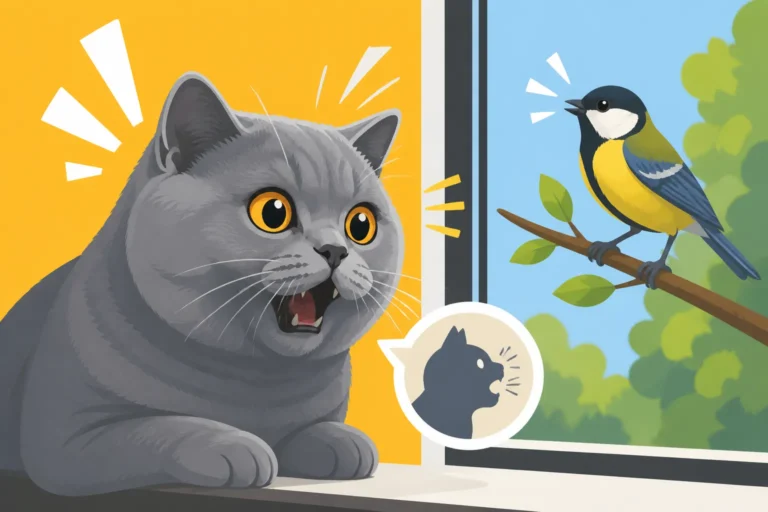
From the moment they arrive home, British Shorthair kittens are usually a whirlwind of activity, albeit a slightly more deliberate whirlwind than some other breeds. You'll see them perform "zoomies" – sudden bursts of running around the house as if chased by an invisible phantom – often ending with a dramatic slide on polished floors. They love to stalk and pounce, whether it's on a crinkly toy mouse from Amazon or your unsuspecting feet under a blanket. Climbing, though they aren't generally renowned for their vertical prowess as adults, is a definite kitten pastime, testing out their strength on cat trees, scratching posts, or anything they can get their claws into. They’ll chase laser pointers with gusto, bat at dangly toys, and engage in wrestling matches with their littermates or even your hand if you let them. This period is crucial for their development, building muscle, refining coordination, and satisfying their natural predatory instincts. Don't be fooled by their generally quiet nature; those purrs can often be accompanied by intense play sessions.
Early Socialization and Play
While their energy can be quite high, directing it properly through early socialization and appropriate play is key. Introducing your British Shorthair kitten to various sights, sounds, and gentle handling from a young age helps them grow into well-adjusted adults. Structured play sessions are vital to help them burn off steam and learn appropriate play behaviors. This means using wand toys, feathers, and balls rather than your hands or feet, teaching them that human skin isn't a toy. Around this time, you might notice them exploring different textures and sounds, and it's a great opportunity to introduce them to different types of scratching posts and toys. Regular, interactive play helps them develop their coordination and keeps them mentally stimulated, which is just as important as physical exercise for a growing cat. This early engagement also strengthens the bond between you and your new companion. How Long a British Shorthair Stays a Kitten covers more on their extended youth.
The Transition: From Kitten Zoomies to Calm Companionship
The shift from energetic kitten to serene adult isn't a sudden flip of a switch; it's a gradual, often subtle transformation that unfolds over several months. It's during this adolescent phase that you'll begin to see glimpses of the calm, collected British Shorthair you've been anticipating.
The Gradual Shift in Energy Levels
Typically, British Shorthairs begin to "settle down" and show signs of maturity around their first birthday, and this process continues well into their second or even third year. While other breeds might hit their stride of calm earlier, British Shorthairs are known for their somewhat longer "kitten" phase. You'll notice a gradual decrease in the intensity and frequency of their zoomies. Instead of tearing through the house multiple times a day, they might have one or two focused play sessions. The frantic pouncing might evolve into a more deliberate, thoughtful stalk. They'll spend more time observing, lounging, and interacting on their terms, which usually involves sitting near you rather than on you, a common British Shorthair trait. This transition is less about losing energy completely and more about learning to conserve it and direct it more purposefully. They start to appreciate quiet moments more, often choosing a sunny spot for a nap over another round of chase.
Understanding Adolescent Phases
Just like human teenagers, adolescent British Shorthairs can have their moments. They might still test boundaries, exhibit bursts of high energy, or even become a bit aloof as they figure out their place in the world. This period, roughly from six months to two years, is where their personality truly begins to solidify. They're no longer tiny, helpless kittens, but they haven't quite reached the full physical and emotional maturity of an adult. During this time, they might experiment with their vocalizations, though British Shorthairs are generally quiet cats, their little chirps and trills become more distinct. Consistency in routine, continued positive reinforcement, and patience are your best tools. Provide them with plenty of opportunities for mental stimulation, such as puzzle feeders available on Amazon, to keep their minds engaged even if their bodies are becoming less active. When a British Shorthair Finally Grows Up delves deeper into these developmental milestones.
Managing Changing Play Needs
As your British Shorthair transitions, their play needs evolve. They might not be as interested in chasing a laser pointer for twenty minutes straight, but they'll still appreciate shorter, more engaging play sessions. Think about toys that mimic hunting, like wand toys with feathers or small, crinkly balls they can bat around. Puzzle toys become incredibly valuable, challenging their minds and rewarding them with treats, which is a great way to engage a breed known for its food motivation. Because they are prone to weight gain, especially as their activity levels decrease, it's crucial to encourage movement. Instead of simply leaving toys out, actively engage with them. A five to ten-minute interactive play session, two to three times a day, can make a huge difference in keeping them happy and healthy. Remember, a British Shorthair that would rather not play can still be enticed. Getting a Low Energy British Shorthair to Move offers more tips.
Adult British Shorthair: The Epitome of Tranquility
Once your British Shorthair fully matures, typically between two and three years of age, you'll witness the true essence of their breed: a calm, collected, and wonderfully affectionate companion who embodies quiet dignity.
The Beloved "Teddy Bear" Temperament
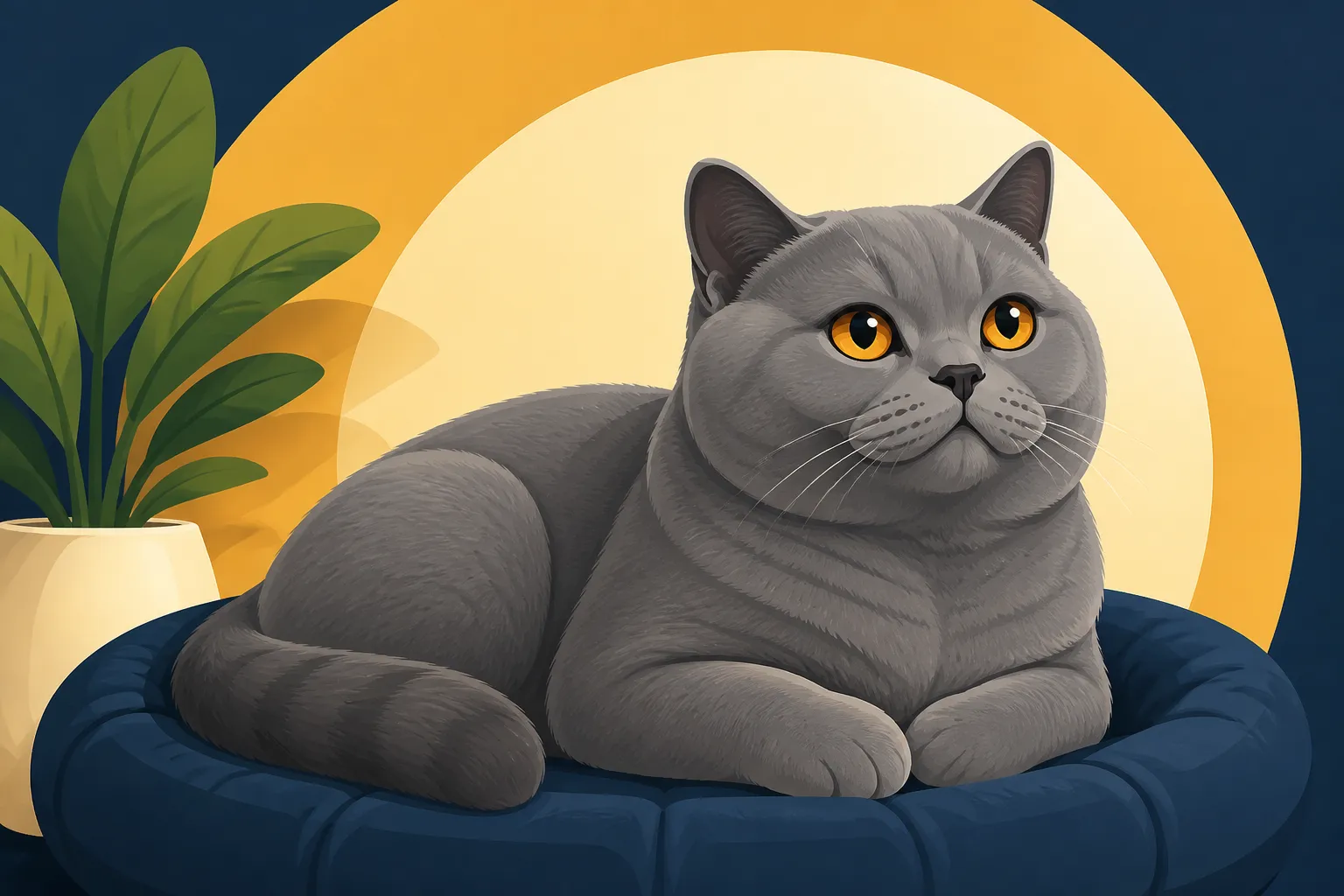
This is the phase most people envision when they think of a British Shorthair. Their robust build, combined with their dense, plush coat and round face, truly earns them the "teddy bear" moniker. Their energy levels dramatically mellow, replaced by a preference for quiet observation and close companionship. They're generally not clingy lap cats, preferring to sit next to you, on the sofa or a nearby chair, offering a comforting presence. However, they are incredibly affectionate in their own subtle way, often following you from room to room, supervising your activities, or simply curling up nearby for a nap. They're known for their tolerance and patience, making them excellent family pets. What a British Shorthair's Temperament Is Really Like provides a deeper dive into their adult personality traits.
Daily Routines and Enrichment for a Calm Adult
Even a calm adult British Shorthair benefits immensely from a consistent daily routine and appropriate enrichment. Routine provides a sense of security and predictability, which these cats appreciate. This includes regular feeding times – essential given their propensity for obesity – and consistent play sessions. While their active play might be shorter, it's still important for their physical and mental health. Consider things like vertical spaces, such as sturdy cat trees or shelves, which they may or may not use often, but which offer them options to survey their domain. Window perches are always a hit, allowing them to watch the world go by. Interactive toys that they can bat around on their own, or foraging toys where they have to work for their treats, can keep them entertained during periods of solitude. Even as adults, they benefit from environmental enrichment to prevent boredom and maintain their well-being. How Many Hours a Day a British Shorthair Sleeps touches on their relaxed lifestyle.
Maintaining a Healthy Weight and Mindset
The British Shorthair's calm nature and solid build make them particularly susceptible to weight gain, which can impact their health and overall happiness. As they settle down and their metabolism slows, it becomes even more crucial to monitor their food intake. Portion control is paramount. Free-feeding, where food is left out all day, is a recipe for an overweight British Shorthair. Instead, measure out their meals carefully, splitting their daily allowance into two smaller meals. Regular weight checks at home and during vet visits are vital. Beyond diet, encouraging even minimal activity is important. A few minutes with a feather wand, a crinkled paper ball, or a puzzle feeder can help them burn a few extra calories and keep their minds sharp. An active mind and a healthy body contribute to a long, happy life for your British Shorthair. You can find many slow-feeder bowls and interactive toys on Amazon designed to encourage movement and mental engagement. Obesity Is the British Shorthair's Real Disease explains the health risks associated with excess weight.
Factors Influencing Settling Down
While there's a general timeframe for when British Shorthairs settle down, several individual and environmental factors can influence this process. It's not a one-size-fits-all timeline, and understanding these elements can help you better support your cat.
Genetics and Individual Personality
Just like people, every cat is an individual, and genetics play a significant role in their inherent temperament. While the breed standard promotes a calm, placid nature, there can be variations. Some British Shorthairs might be naturally more energetic or playful throughout their lives, even as adults, while others might be incredibly mellow from a surprisingly young age. A kitten from a line known for particularly calm cats might settle down a bit faster than one whose parents were more energetic. A reputable breeder will be able to tell you about the temperaments of the parents and the general tendencies of their lines. Observing the personalities of the kitten's parents, if possible, can give you a hint of what to expect. This isn't to say an energetic kitten won't become a calm adult, but individual variations are definitely a factor to consider.
Neutering or Spaying
Neutering or spaying typically occurs around six months of age, and this procedure can have a noticeable impact on a British Shorthair's energy levels and behavior. Hormonal changes often lead to a decrease in the more frantic, instinct-driven behaviors associated with mating, such as territorial marking, roaming, and excessive vocalization. While it won't instantly transform a wild kitten into a couch potato, it usually contributes to a calmer, more settled demeanor. The focus shifts away from reproductive drives, allowing their inherent laid-back personality to emerge more fully. It’s also important to note that after neutering or spaying, cats become even more prone to weight gain, so dietary adjustments are often necessary to prevent obesity as their activity levels naturally decrease. Whether a British Shorthair Calms After Neutering explores this topic further.
Environmental Enrichment and Consistent Routine
The environment you provide plays a crucial role in how quickly and effectively your British Shorthair settles down. A consistent routine, with regular feeding times, play sessions, and quiet periods, helps create a sense of security and predictability. Cats thrive on routine, and knowing what to expect can reduce anxiety and encourage a calm temperament. Sufficient environmental enrichment, even for a calm breed, is vital. This means providing appropriate scratching posts (both vertical and horizontal), sturdy cat trees, safe window perches, and a rotating selection of engaging toys. A British Shorthair that is bored or lacks appropriate outlets for their natural instincts might exhibit more undesirable behaviors or seem restless. Even something as simple as a comfortable bed from Amazon in a quiet corner can contribute to their sense of peace and security. A stimulating yet predictable environment allows their natural calm to flourish.
Summary of British Shorthair Developmental Stages
Understanding the typical progression can help you set realistic expectations for your British Shorthair's behavior and energy levels.
| Age Range | Typical Energy Level | Predominant Behaviors | Key Considerations |
|---|---|---|---|
| 0-6 Months | High | Zoomies, pouncing, climbing, exploring, intense play sessions, rapid growth. | Early socialization, structured play, safe environment for exploration. |
| 6 Months – 1 Year | Moderate-High | Gradual decrease in intensity, longer naps, continued curiosity, testing boundaries, adolescent bursts of energy. | Consistent routine, continued interactive play, neutering/spaying, mental stimulation. |
| 1-2 Years | Moderate | Further reduction in intense play, more observant, increasing preference for lounging, personality solidifying. | Encouraging activity for weight management, puzzle toys, positive reinforcement. |
| 2-3 Years | Low-Moderate | Calm, placid, dignified, prefers close proximity (not always on lap), occasional bursts of play, strong routine. | Maintaining healthy weight, enrichment, regular vet check-ups. |
| 3+ Years | Low | Fully settled, true "teddy bear" temperament, enjoys quiet companionship, less prone to frantic play. | Continued weight management, comfortable resting spots, gentle interaction. |
This table provides a general guideline, but remember that individual cats will vary. Your British Shorthair might hit these milestones a little earlier or later. The most important thing is to love and support them through each stage of their development. How Long a British Shorthair Lives on Average gives a broader picture of their lifespan.
Disclaimer
This article is for general informational purposes only and does not constitute professional advice. Laws, prices and regulations vary by location and change over time. Consult a qualified professional for guidance on your specific situation.