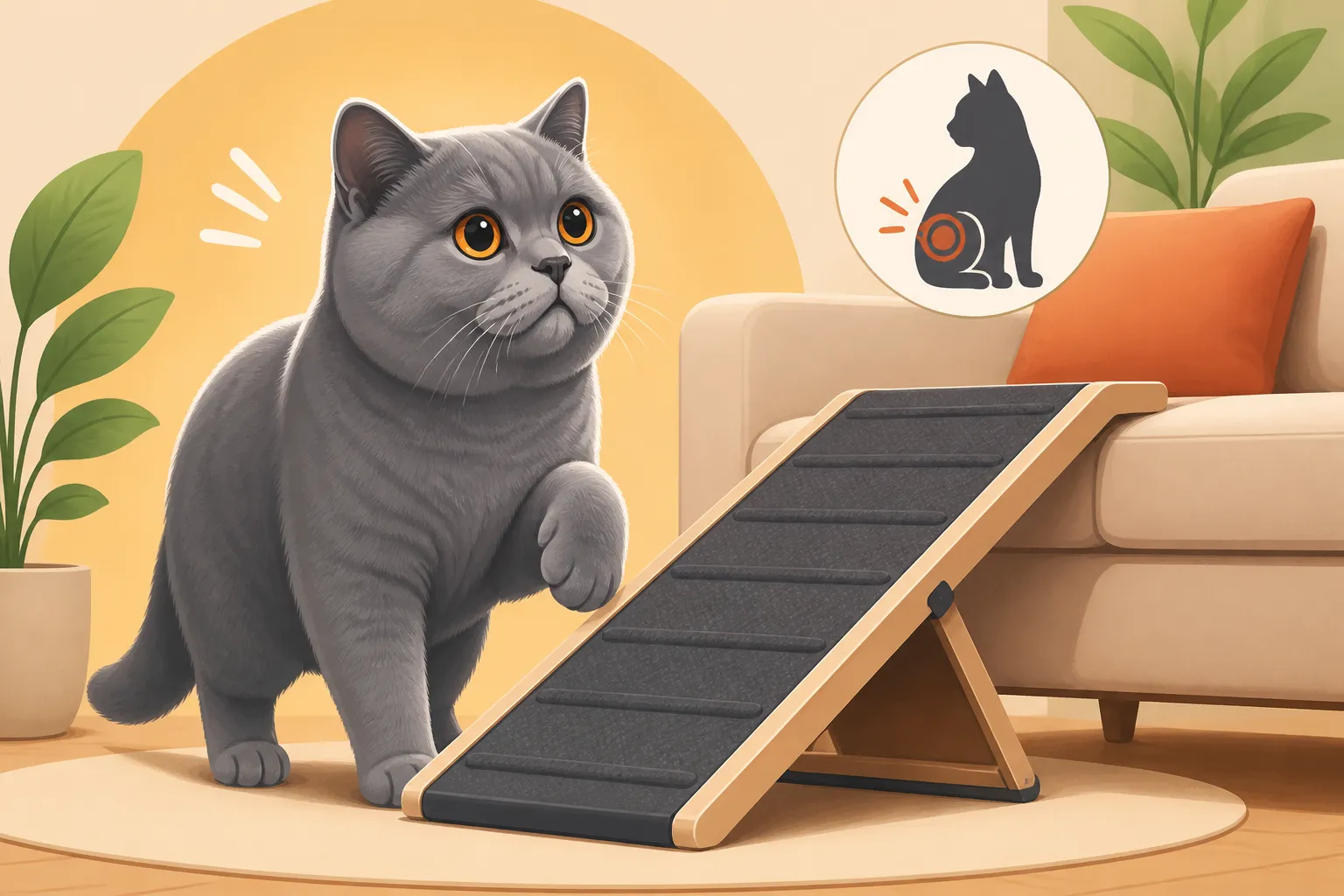
When a British Shorthair Needs Ramps
It's a familiar scenario for many British Shorthair owners: your beloved furball, once effortlessly leaping onto the sofa or windowsill, now hesitates, strains, or even gives up on reaching their favorite elevated spots. This isn't just a sign of them getting older; it can be a clear indicator that their physical comfort and independence are being compromised. This comprehensive guide will walk you through the subtle and not-so-subtle signs your British Shorthair might benefit from ramps, how to choose the right ones, and how to integrate them seamlessly into your home to support their unique build and needs.
The Unique Physical Traits That Influence a British Shorthair's Mobility
British Shorthairs are renowned for their robust, 'cobby' build, round faces, and dense coats. While these features make them incredibly endearing, they also contribute to a predisposition for certain mobility challenges, especially as they age or if they carry a bit too much weight. Understanding these inherent traits is key to knowing when to introduce supportive measures like ramps.
The Cobby Build and Joint Strain
Unlike their more lithe feline cousins, British Shorthairs are built like little tanks. They have strong, compact bodies, broad chests, and relatively short, thick legs. This delightful, sturdy physique, while charming, can put extra strain on their joints, particularly the hips and knees. Imagine carrying a bit more weight on a frame that isn't designed for high-flying acrobatics; that's often the reality for our BSH friends. Their natural inclination is generally towards a more sedate lifestyle, preferring lounging to leaping, which means their joints might not get the kind of regular, gentle movement that keeps them supple. When they do decide to jump, the impact can be considerable on those already working joints. Why a Heavy British Shorthair Should Not Jump Down offers more insight into this.
Furthermore, their substantial bone structure means that even a healthy weight for a British Shorthair can be heavier than other breeds of similar size. This inherent weight distribution, combined with their short legs, means that the physics of jumping up or down from even moderate heights is more challenging for them. A simple jump off a bed that another cat might barely register could be a jarring impact for a British Shorthair, potentially leading to discomfort over time. This isn't about being fragile, it's about respecting their specific anatomy and ensuring they can navigate their world without undue stress on their skeletal system.
How Age and Weight Exacerbate Mobility Challenges
As British Shorthairs mature, just like us, their bodies change. The plush puppy fat gives way to a more solid frame, and by the time they reach senior status, typically around The Age a British Shorthair Is Considered Senior mark, you might notice a stiffness creeping in. Arthritis is a common concern for older cats, and a British Shorthair's heavier build makes them particularly susceptible. Arthritis in an Older British Shorthair is a deep dive into this issue. The once-easy hop onto a favorite chair becomes a two-part maneuver, or perhaps they start seeking out lower spots to rest. These are often the first quiet indicators that their joints are no longer as forgiving as they once were.
Compounding this natural aging process is the all-too-common challenge of weight management. British Shorthairs adore their food and are generally not high-energy cats, making them prone to Obesity Is the British Shorthair's Real Disease. Even a few extra pounds can place immense stress on their joints, accelerating the onset or worsening the severity of conditions like arthritis. An overweight British Shorthair will find it significantly harder to jump, climb, and even walk comfortably, often leading to a vicious cycle where decreased mobility leads to more weight gain. What Obesity Does to a British Shorthair's Joints highlights the serious impact of excess weight on their skeletal system, making ramps an even more critical intervention for these heavier cats.
Spotting the Subtle Cues Your British Shorthair Might Need Assistance
Our British Shorthairs are masters of disguise when it comes to discomfort. Their stoic nature often means they'll hide pain or difficulty until it becomes quite advanced. This makes it crucial for us as owners to be observant, looking for those subtle shifts in behavior that indicate they might need a little help navigating their environment. Don't wait for them to cry out; instead, watch how they move and interact with their favorite spaces.
Reluctance to Access Favorite High Places
Think about your cat's daily routine. Does your British Shorthair still jump onto the window perch to watch the squirrels, or onto your bed for morning cuddles, with the same ease they always have? If you start to notice hesitation, or if they sit below a favorite spot and stare longingly but don't attempt the jump, that's a significant red flag. They might even try once, falter, and then decide it's not worth the effort or pain. This isn't them being lazy or stubborn; it's a silent plea for help.
You might also observe them choosing alternative, lower spots. Perhaps they used to love sleeping on the back of the sofa, but now they opt for a floor-level bed. Or they used to greet you at the kitchen counter, but now they wait patiently on the floor. These changes, however minor they seem, are your cat adapting to their physical limitations. They are self-limiting their activity to avoid discomfort, which while sensible for them, means they are missing out on cherished routines and vantage points. What Changes in a British Shorthair After Ten often includes these kinds of behavioral shifts.
Visible Difficulty and Changes in Movement
Beyond reluctance, you might see more direct physical signs. When they do attempt a jump, watch them closely. Do they land heavily, almost with a thud? Do their back legs seem stiff or wobbly on landing? Do they stretch or shake out a leg immediately after a jump? These are all indicators of discomfort or instability in their joints. Even a slight change in their gait, such as a subtle limp after a period of rest or difficulty going up or down stairs, warrants attention.
Sometimes, the difficulty isn't just with jumping. Pay attention to how they get up from a lying position. Do they push themselves up slowly, sometimes with a groan or a visible grimace? Do they seem generally less enthusiastic about How to Get a British Shorthair to Play Daily or playing with their favorite toys? An aging British Shorthair, especially one with developing arthritis, may find even simple movements tiring or painful. Whether an Aging British Shorthair Gets Stiff is a relevant read here, as stiffness often precedes more obvious pain. Any vocalization during movement – a little grunt or sigh – is also a huge clue that they're experiencing pain.
| Sign of Mobility Issue | What it Looks Like | What it Means |
|---|---|---|
| Hesitation Before Jumping | Stares at target, paces, or walks away. | Anticipates pain/difficulty. |
| Reduced Jumping Height | Can't reach previous spots, settles for lower ones. | Decreased strength or increased pain with exertion. |
| Heavy or Stiff Landings | Thuds down, sways, or shakes a leg after landing. | Joint impact is uncomfortable or painful. |
| Difficulty Getting Up/Down | Slow to rise, takes multiple attempts, visible strain. | Stiffness, joint pain, or muscle weakness. |
| Choosing Lower Resting Spots | Abandoning high perches for floor beds or low chairs. | Avoiding painful jumps for comfort. |
| Less Interest in Play | Ignores toys, less active during play sessions. | Movement is uncomfortable, general decrease in energy. |
Selecting and Introducing Ramps to Your British Shorthair's Environment
Once you've identified that your British Shorthair could use some assistance, the next step is choosing the right ramp and introducing it in a way that encourages them to use it. Remember, cats are creatures of habit and can be wary of new things, so patience is key. The goal is to make access to their favorite spots easy and stress-free.
Key Features of an Ideal Cat Ramp
When looking for a ramp, consider a few crucial features that will make it safe and inviting for your British Shorthair. First and foremost, stability is paramount. A wobbly or flimsy ramp will scare your cat away and could even cause injury. Look for sturdy construction, perhaps wood or heavy-duty plastic, with a wide base. You don't want it tipping over when your substantial British Shorthair decides to use it. Many reputable pet supply companies offer excellent options, and a quick search on a site like Amazon for "pet ramps for large cats" will show you a variety.
Next, the surface of the ramp needs to provide excellent grip. British Shorthairs often have thick paws, but they still need traction. Carpeted surfaces or ramps with non-slip treads are ideal. Avoid slick plastic or wood surfaces that could cause them to slip, especially if they are already a bit unsteady on their feet. The incline is also vital; a gentle slope is much more appealing and safer than a steep one. For beds or sofas, look for ramps that extend out rather than going straight up. Finally, consider the aesthetic and how it fits into your home. While function is primary, a ramp that blends in (or at least isn't an eyesore) is a bonus. You can find some attractive, well-designed options on Amazon, often from brands specializing in pet mobility.
Gentle Introduction and Encouragement Techniques
Introducing a new ramp requires a soft touch. Don't just set it down and expect your cat to understand or instantly embrace it. Start by placing the ramp in a low-traffic area for a day or two so they can get used to its presence. Then, move it to the intended spot, such as next to their favorite window perch or your bed. Make it appealing! Place their favorite treats, toys, or even a small amount of catnip on the lower sections of the ramp to encourage exploration. You could even scatter a few kibble pieces up the ramp if they're food-motivated.
Praise and positive reinforcement are incredibly effective. When your British Shorthair even sniffs the ramp, offer soft words and a gentle stroke. If they take a step, reward them. Never force them onto the ramp; this will only create negative associations and make them fearful. If they are hesitant, try playing with a wand toy along the ramp's surface, enticing them to follow the toy up. For some cats, simply walking up the ramp yourself (if it's sturdy enough for a human) can demonstrate its safety. Remember, consistency and patience are your best tools. It might take a few days, or even a couple of weeks, but with persistent, gentle encouragement, most British Shorthairs will learn to appreciate the easy access the ramp provides.
The Long-Term Benefits of Ramps for British Shorthair Health and Happiness
Investing in ramps for your British Shorthair isn't just about temporary fixes; it's about making a long-term commitment to their comfort, health, and overall quality of life, especially as they enter their golden years. These simple structures can have a profound impact, preventing pain and allowing them to maintain their independence for much longer.
Preventing Injury and Alleviating Discomfort
One of the most immediate and critical benefits of ramps is the prevention of injuries. Repetitive jumping, especially from heights, can lead to or worsen conditions like arthritis, sprains, and even fractures over time. By providing a gradual incline, ramps eliminate the need for those jarring leaps, drastically reducing the impact on their joints, spine, and soft tissues. This is especially vital for a heavier breed like the British Shorthair. Think of it as preventative care for their entire skeletal system.
For cats already experiencing joint pain or stiffness, ramps offer immense relief. They allow your British Shorthair to access their cherished sleeping spots, sunbathing perches, or even just the comfort of your lap without the agony of a jump. This reduction in daily pain can lead to a noticeable improvement in their mood, appetite, and general willingness to move around. It's about making their world accessible again, reducing their suffering, and allowing them to enjoy their golden years with dignity and comfort. This is a much kinder approach than just letting them suffer in silence as many cats are apt to do.
Maintaining Independence and Mental Well-being
Beyond the physical benefits, ramps play a huge role in maintaining your British Shorthair's mental and emotional well-being. Cats thrive on routine and having access to their preferred spots. When they can no longer reach these places, it can lead to frustration, anxiety, and even depression. Imagine being unable to reach your favorite armchair or bed – it's incredibly disheartening. Ramps restore that sense of control and independence, allowing them to continue their established routines without physical limitation.
A cat who feels comfortable and capable is a happier cat. By providing ramps, you're empowering your British Shorthair to continue engaging with their environment on their own terms. This can lead to less stress, more confidence, and a more interactive and engaged companion. Don't underestimate the psychological impact of being able to choose where they want to be, rather than being confined to only accessible low-level areas. While you can find fantastic pet products and even What a Cat Tree for a Heavy British Shorthair Costs on Amazon, the value of keeping your British Shorthair happy and healthy is truly priceless. Ensuring they can move around comfortably helps maintain their quality of life right up to The Twelve to Seventeen Years a British Shorthair Gets.
Disclaimer
This article is for general informational purposes only and does not constitute professional advice. Laws, prices and regulations vary by location and change over time. Consult a qualified professional for guidance on your specific situation.