Whether a Puzzle Feeder Motivates a British Shorthair
Many British Shorthair owners find themselves constantly wondering how to get their beloved, plush companions to move just a little bit more. Their calm, laid-back nature is endearing, but it can also lead to a very sedentary lifestyle, sometimes contributing to weight gain and boredom. This comprehensive guide will delve into whether puzzle feeders can be a genuine motivator for a British Shorthair, offering both mental stimulation and a gentle nudge towards more activity, and how to successfully integrate them into your cat's routine.
Understanding the British Shorthair's Nature and Activity Levels
It's no secret that British Shorthairs are celebrated for their tranquil disposition. Their easygoing nature is one of their most charming qualities, making them wonderful companions for those seeking a peaceful feline friend. However, this same trait can pose challenges when it comes to ensuring they get enough physical and mental exercise to stay healthy and happy.
Why British Shorthairs Are Naturally Sedentary
British Shorthairs are renowned for their calm, placid demeanor. They're often described as "lounge lizards" or "teddy bears" for a reason! It's not that they're inherently lazy, but their energy levels are simply lower than many other breeds. They prefer quiet observation to high-octane acrobatics, and a sunbeam nap often trumps a chase session. This deep-seated trait can be a joy for owners seeking a tranquil companion, but it also presents a unique challenge when it comes to keeping them active and engaged.
This natural inclination towards stillness means they aren't always going to instigate play or seek out intense physical activity on their own. While a Bengal might scale your curtains or a Siamese might serenade you with demands for fetch, your British Shorthair is far more likely to be found curled up on a favorite blanket, contemplating the mysteries of dust motes. Their ancestry as sturdy, working cats has evolved into a breed that values comfort and tranquility above all else in a domestic setting.
It’s important to distinguish between a truly lazy cat and one that simply has a lower baseline energy. With a British Shorthair, it's often the latter. They're not being stubborn; they're just wired differently. Recognizing this fundamental aspect of their personality is the first step in finding enrichment solutions that truly resonate with them, rather than trying to force them into a more high-energy mold that simply isn't them.
The Link Between Low Activity and Weight Gain
Unfortunately, this wonderfully calm nature often comes with a significant downside: a propensity for weight gain. Because they burn fewer calories through spontaneous play or exploration, British Shorthairs can easily become overweight if their food intake isn't carefully managed. This isn't just about aesthetics; obesity in cats can lead to a host of serious health problems, including Diabetes in a British Shorthair, Arthritis in an Older British Shorthair, and even liver issues. It’s a silent creeping threat that many owners face.
We often underestimate how quickly those extra few kibbles add up when your cat isn't running them off. A British Shorthair might seem robust and chunky, but there’s a fine line between a healthy, cobby build and genuine obesity. It's a common frustration to see your cat slowly expand despite feeling like you're feeding them appropriately. Their dense coats can also make it harder to spot weight gain until it's quite advanced. You might not notice their waist disappearing until it's already a problem.
This is where intervention becomes crucial. Simply cutting food portions without increasing activity can leave a cat feeling hungry and frustrated. The goal isn't just to restrict calories, but to provide an outlet for their natural predatory instincts and to make food acquisition a more engaging process. This dual approach helps combat both overeating and the boredom that can sometimes lead to excessive eating or lethargy. Many owners are desperate to know How to Tell a Chunky British Shorthair From a Fat One and it often comes down to their activity levels.
Their Unique Approach to Play
Don't let their stillness fool you; British Shorthairs do enjoy play, but often on their own terms, and with less frantic energy than some other breeds. They tend to prefer short, intense bursts of activity rather than prolonged play sessions. Think of them as sprinters, not marathon runners. A quick pounce, a few batting swats, and then they're often ready for another nap. This makes traditional interactive play, where you might wave a wand toy for twenty minutes, sometimes challenging.
They also appreciate mental engagement more than pure physical exertion. Toys that require a bit of thought, like chasing a laser dot or batting at a crinkly ball, might hold their attention for a few minutes. However, sustained, high-energy play is usually not their forte. Finding ways to tap into their intelligence and their inherent hunting drive, without demanding too much athleticism, is key. This is where the concept of making them "work" for their food can be particularly effective.
It's not about forcing them to become a different cat, but about tailoring enrichment to their inherent personality. If your British Shorthair loses interest in a wand toy after two minutes, that’s perfectly normal. Instead of feeling defeated, consider that a short, satisfying "hunt" might be all they need. The trick is to vary these short bursts of engagement and to make them as rewarding as possible, leading us directly to the potential of puzzle feeders. Why a British Shorthair Will Not Exercise Itself is a common frustration, and puzzle feeders offer a great solution.
How Puzzle Feeders Work and Their Potential Benefits
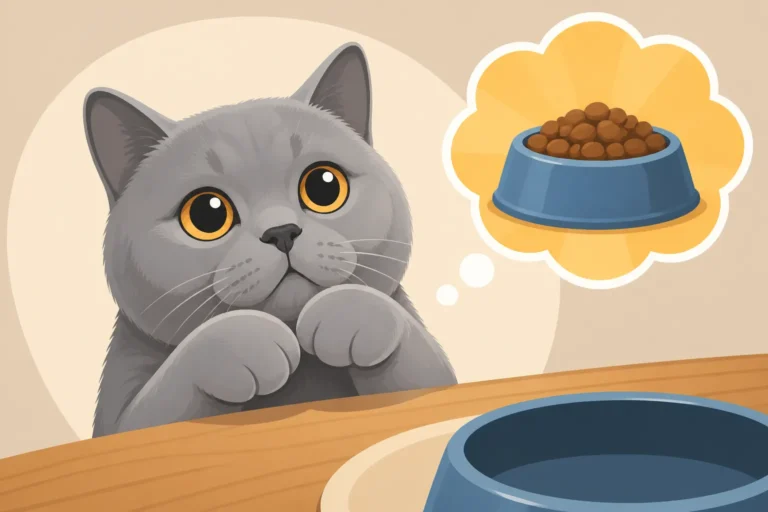
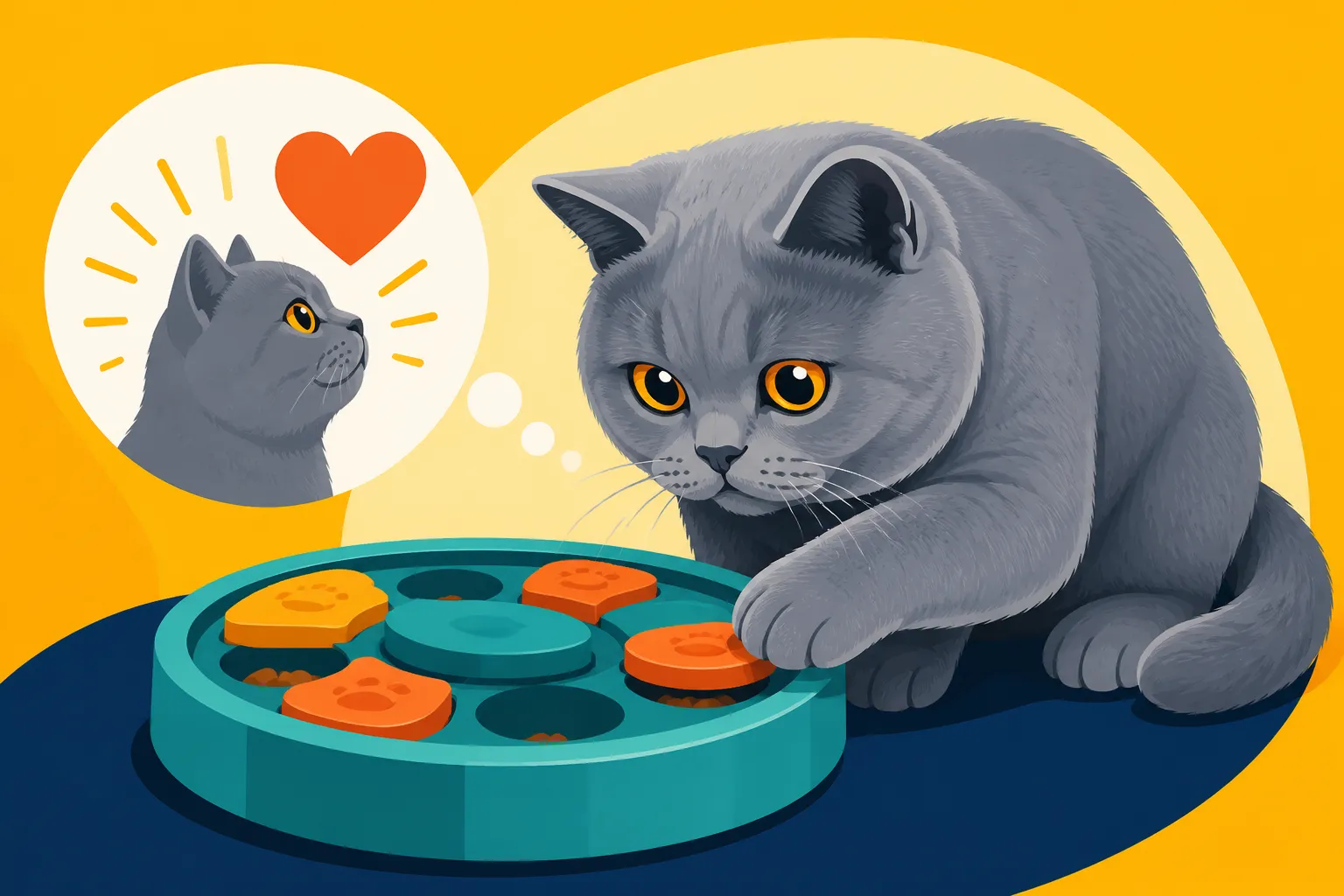
It's easy to dismiss puzzle feeders as just another cat gadget, but for a British Shorthair, they can be a game-changer. They tap into a cat's natural hunting instincts by making mealtime an active, rather than passive, experience. Instead of a bowl, where food is freely available, a puzzle feeder requires your cat to manipulate objects, swat at compartments, or nudge components to release their kibble. It's a structured way to turn eating into a mental and light physical exercise.
The Mechanics of Food Puzzles
Food puzzles come in various designs, from simple treat balls to complex multi-level feeders. The basic premise, however, remains the same: the cat must perform an action to get food. For example, a common design involves a ball with holes, where kibble falls out as the cat rolls it. Another might have shallow dishes with covers that need to be pushed aside. The difficulty levels vary greatly, allowing you to choose something appropriate for your cat's initial skill level and gradually increase the challenge.
The beauty of these mechanics is that they force your British Shorthair to engage its brain. They can't just gobble down their meal in thirty seconds. They have to think, problem-solve, and experiment with different movements to achieve their goal. This mental workout is incredibly valuable, especially for indoor cats who might otherwise spend their days without much stimulation. It mimics the natural foraging behavior of wild felines, turning a mundane activity into an enriching one.
Some puzzle feeders are stationary, requiring paw manipulation or nose nudges, while others are designed to be moved around. The latter, like rolling treat balls, offer a double benefit by encouraging some gentle physical activity as your British Shorthair bats and chases it across the floor. Even a few minutes of this type of interaction per meal can add up, helping to counteract the breed's sedentary tendencies.
Mental Stimulation vs. Physical Exertion
For British Shorthairs, the mental stimulation offered by puzzle feeders is arguably even more beneficial than the physical exertion. While a little extra movement is always a plus, it's the cognitive challenge that truly shines. These cats are intelligent, but their environments can sometimes lack opportunities to exercise that intelligence. A puzzle feeder provides a constructive outlet for their minds, preventing boredom and potential behavioral issues that can arise from it.
Imagine a British Shorthair who normally gulps down their food in moments. Without a puzzle, the rest of their day might involve sleeping and perhaps a short grooming session. With a puzzle feeder, a significant portion of their waking hours is now dedicated to a productive, engaging task. This process of figuring out how to get the food, even if it's repetitive, offers a sense of accomplishment and keeps their brains active, reducing the likelihood of them becoming truly bored and lethargic.
The balance here is key. We're not expecting them to run a marathon to get their dinner. Instead, we're providing a low-impact activity that satisfies their innate drive to hunt and forage. It’s about making them think, not making them sweat profusely. This gentle form of enrichment perfectly aligns with the British Shorthair's calm temperament, providing stimulation without overexciting them or demanding an unrealistic level of physical output. This is a great way to How to Get a British Shorthair to Move.
Addressing Eating Habits and Boredom
One of the most immediate benefits of puzzle feeders is their ability to slow down rapid eaters. If your British Shorthair inhales its food, a puzzle feeder can stretch mealtime from seconds into minutes, or even longer. This slower eating can aid digestion, reduce instances of vomiting, and help your cat feel fuller for longer, which is particularly helpful for those prone to Why a British Shorthair Gains Weight So Easily.
Beyond just slowing down eating, puzzle feeders actively combat boredom. A bored British Shorthair might just sleep more, or it might seek out other, less desirable forms of entertainment, like excessive grooming, overeating, or even becoming a bit withdrawn. By presenting their meals as a game, you're giving them a purpose and an enjoyable task to complete, breaking up the monotony of their day.
For cats that are free-fed, a puzzle feeder can be a fantastic way to transition them to portion control while still giving them access to food throughout the day in a structured, stimulating way. Instead of a constantly full bowl, they learn to "hunt" for smaller portions over time. This makes the feeding process more natural and satisfying, transforming mealtime from a simple refuel into an enriching daily ritual. It’s a powerful tool in preventing Obesity Is the British Shorthair's Real Disease.
Choosing the Right Puzzle Feeder for Your British Shorthair
So, you’re convinced a puzzle feeder might be the way to go – great! But walking into a pet store or browsing online can be overwhelming with the sheer variety available. The key is to start simple and choose something that matches your cat's current temperament and ability, gradually working your way up to more complex designs. Remember, the goal is success and engagement, not frustration.
Different Types of Puzzle Feeders
There's a whole world of puzzle feeders out there, each with its own quirks and challenges. Here are a few common types you'll encounter:
- Treat Balls/Dispensers: These are often the simplest entry point. They are hollow balls or irregular shapes with small holes. Your cat bats them around, and as they roll, kibble falls out. They encourage light physical activity and are usually quite easy to figure out, making them ideal for beginners. Many brands offer these, and they are widely available.
- Wobblers/Towers: These feeders are stationary but require your cat to bat or nudge them to release food from various levels or compartments. The KONG Wobbler is a popular example for dogs that also comes in a smaller cat version. They provide a bit more mental challenge than a simple ball and less rolling motion, which might suit a less athletic British Shorthair.
- Boards/Mats: These are flat surfaces with various nooks, crannies, pegs, and tunnels where you can hide kibble. Your cat uses its paws to scoop or push the food out. They are excellent for mental stimulation and fine motor skill development without requiring much overall movement. Think of them as a feline version of a "snuffle mat."
- Automatic Puzzle Feeders: Some advanced feeders combine an automatic dispenser with a puzzle element, releasing a small portion of food into a puzzle at scheduled times. These are great if you're out of the house for long periods, but they can be more complex and expensive.
Here’s a quick overview of some popular puzzle feeder types:
| Puzzle Feeder Type | Description | Ideal for | Engagement Focus |
|---|---|---|---|
| Treat Ball | Hollow ball with holes; rolls and dispenses kibble. | Beginners, light physical activity | Play & Foraging |
| Wobbler/Tower | Stationary, weighted base; dispenses kibble when batted/nudged. | Less active cats, mental challenge | Mental & Paw Dexterity |
| Puzzle Board/Mat | Flat surface with mazes/dividers; cats scoop food out. | Mental stimulation, fine motor skills, no rolling | Problem-Solving |
| Automatic with Puzzle | Combines scheduled dispensing with a puzzle element. | Busy owners, consistent routine, advanced challenge | Schedule & Advanced Skill |
Factors to Consider When Selecting One
When picking a puzzle feeder, keep your British Shorthair specifically in mind. Their physical build and typical behavior will guide your choices.
- Difficulty Level: Always start with an easy one! If it's too hard, your cat will get frustrated and ignore it. An easy puzzle builds confidence and positive association. Once they master it, you can move up to a more challenging design. You want them to succeed, not struggle endlessly.
- Stability and Size: British Shorthairs are sturdy cats. A flimsy or too-small puzzle feeder might be easily knocked over or ignored. Look for something robust and appropriately sized for their chunky paws and strong build. A wider base often means more stability.
- Material and Cleanliness: Opt for durable, food-grade materials that are easy to clean. Many puzzle feeders can get quite messy with kibble dust and cat saliva. Dishwasher-safe options are a huge plus for hygiene. This is particularly important if you're using wet food, which some feeders can accommodate.
- Noise Level: Some puzzle feeders, especially treat balls, can be noisy as they roll around. If you or your cat are sensitive to noise, you might prefer a quieter, stationary puzzle board.
- Type of Food: Most puzzle feeders are designed for dry kibble. If you feed wet food, look for specialized wet food puzzles that have lickable surfaces or larger, open compartments that are easy to clean.
Where to Find Quality Puzzle Feeders
You'll find puzzle feeders in most major pet supply stores, but the widest selection and often the best value can be found online. Amazon offers an extensive range of cat puzzle feeders, from simple treat balls to more intricate designs. You can read reviews from other cat owners, compare different models, and often find products specifically geared towards less active or larger breeds like the British Shorthair.
When browsing on Amazon, pay close attention to the product descriptions and customer reviews regarding durability, ease of cleaning, and how different cats reacted to them. Look for terms like "beginner-friendly," "easy to clean," or "for slow eaters." Reputable pet brands often have their puzzle feeders listed there as well, giving you confidence in the quality. Don't be afraid to try a few different types to see what truly captures your British Shorthair's interest. Sometimes, what looks appealing to us might not be their cup of tea!
Strategies for Introducing and Maximizing Puzzle Feeder Use
Introducing something new to a cat, especially a British Shorthair who might be set in their ways, requires patience and a gentle approach. The goal isn't to force them, but to make the puzzle feeder an enjoyable and rewarding part of their routine.
Starting Slowly and Building Confidence
The absolute worst thing you can do is just dump their entire meal into a complex puzzle feeder and expect them to figure it out. They'll likely ignore it, get frustrated, or simply walk away. Instead, start incredibly easy.
- Initial Introduction: Begin by placing just a few pieces of their favorite kibble on top or right next to the puzzle feeder. Let them eat it easily. The goal is to create a positive association with the new object. Do this for a day or two, or until they seem comfortable approaching it.
- Easy Access: For the first few uses, make the puzzle feeder ridiculously easy. If it's a treat ball, leave the holes wide open or even partially filled so food spills out with minimal effort. If it's a board, place kibble in the most accessible, open sections. You might even demonstrate how it works by gently nudging a piece of kibble out with your finger while they watch.
- Small Portions: Don't put their whole meal in at once. Start with just a quarter of their meal, or even just a handful of treats, in the puzzle. Keep their regular food bowl nearby with the rest of their meal so they don't go hungry. Gradually increase the amount of food in the puzzle and reduce it in the bowl as they gain confidence.
- Positive Reinforcement: When they interact with the puzzle, even if it’s just a sniff, offer praise or a gentle stroke (if they like that). If they successfully get a piece of food out, make a big deal of it! This reinforces the idea that the puzzle is a source of good things. Remember, a British Shorthair often thrives on routine and positive reinforcement.
It might take days, or even a week, for your British Shorthair to truly engage. Don't get discouraged if they don't take to it immediately. Persistence with gentle encouragement is key. Many owners wonder Whether a British Shorthair Will Diet Willingly, and while a puzzle feeder isn't a diet per se, it makes the food acquisition process more mindful.
Integrating Puzzle Feeders into Their Routine
Once your British Shorthair is comfortable with the basic concept, it's time to make puzzle feeding a consistent part of their daily life.
- Scheduled Meals: If you feed on a schedule, replace one or more of their regular meals with a puzzle feeder meal. For example, their breakfast could be in a puzzle feeder, while dinner is in a bowl. This helps manage their intake and ensures they're getting consistent enrichment. Consider pairing this with other strategies to How to Get a British Shorthair to Play Daily.
- Multiple Puzzles: Don't limit yourself to just one type of puzzle feeder, or even just one location. Having a few different types (a treat ball, a board, a wobbler) can keep things fresh and prevent boredom. Place them in different spots around the house – one in the living room, one in the kitchen – to encourage a bit more movement and exploration as they "hunt" for their next meal.
- Mix it Up: Vary the treats or kibble you put in the puzzle. Sometimes their regular dry food, sometimes a few special high-value treats. This keeps the experience exciting. If your British Shorthair seems to be losing interest in a particular puzzle, put it away for a few days and reintroduce it later, or switch to a different type.
- Consistency is Key: Cats are creatures of habit. The more consistently you incorporate puzzle feeders, the more quickly your British Shorthair will accept them as a normal and enjoyable part of their day. They'll start to anticipate the challenge and the reward.
Overcoming Resistance and Keeping it Engaging
Even with the best intentions, some British Shorthairs might be initially resistant. Don't give up! There are ways to make the process more appealing.
- The Scent Factor: Cats are highly driven by smell. If your cat is ignoring the puzzle, try rubbing a favorite treat or a bit of catnip on the outside of the feeder to entice them. The strong scent might just be enough to pique their interest and encourage them to investigate.
- Location, Location, Location: Is the feeder in a high-traffic area where they feel exposed? Or perhaps hidden away where they won't stumble upon it? Experiment with different locations. A quiet corner where they feel secure might work best, or perhaps near a window where they already enjoy spending time.
- Human Involvement (Initially): While the goal is for them to use it independently, you might need to "play" with the feeder a bit yourself at first. Gently roll the treat ball, show them how the kibble comes out, and make it seem like you're having fun with it. Sometimes their curiosity about what you're doing is enough to get them involved.
- Keep it Easy, Period: If your cat consistently ignores a puzzle, it's probably too hard. Go back to an easier version, or simplify the current one. You can always make it more challenging later. The last thing you want is for the puzzle feeder to become a source of frustration, leading them to avoid it altogether.
- Observe and Adapt: Pay attention to how your British Shorthair interacts with the feeder. Do they bat it once and walk away? Do they lick at it? This feedback tells you what adjustments you need to make. Maybe they prefer a feeder they don't have to move much, or perhaps they're motivated by a stronger scent. Every cat is an individual, even within a breed. You'll figure out Which Toys a British Shorthair Will Actually Chase with a bit of trial and error.
By understanding their nature, choosing the right tools, and approaching the introduction with patience and positive reinforcement, puzzle feeders can absolutely motivate a British Shorthair. They offer a wonderful blend of mental enrichment and gentle activity, turning mealtime into an engaging challenge that benefits their overall well-being.
Disclaimer
This article is for general informational purposes only and does not constitute professional advice. Laws, prices and regulations vary by location and change over time. Consult a qualified professional for guidance on your specific situation.