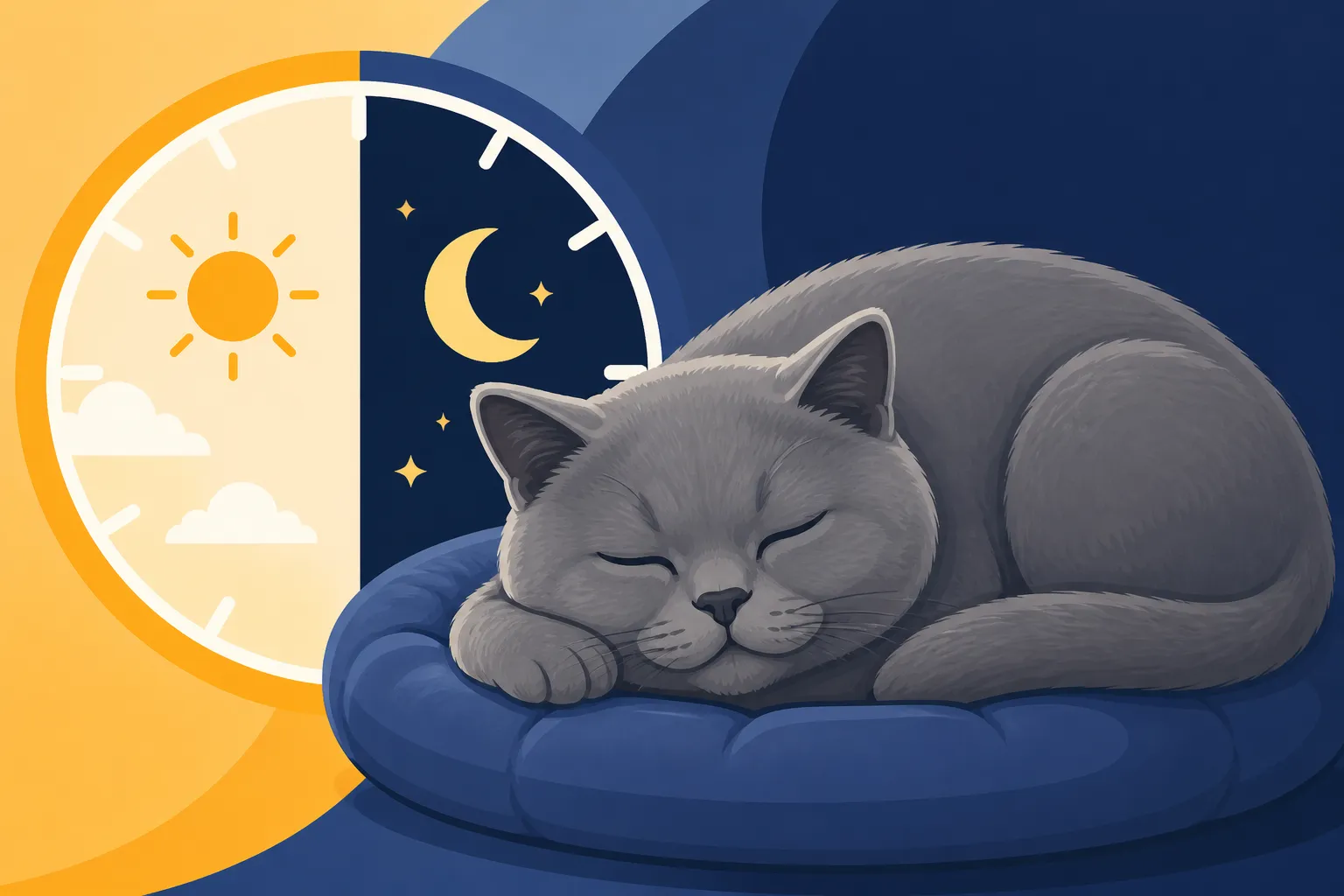
How Many Hours a Day a British Shorthair Sleeps
It's a common sight for British Shorthair owners: you look over at your beloved furball, and there they are, fast asleep again, seemingly having moved from one napping spot to another with little interruption. It makes you wonder, "Is this normal?" or "Am I doing something wrong?" The truth is, British Shorthairs do love their sleep, and understanding their natural rhythms is key to knowing if your cuddly companion is healthy or if something might be amiss. This guide will explore just how much your British Shorthair should be sleeping daily, what influences their rest, and when you might need to pay closer attention to their slumber patterns.
Understanding the British Shorthair's Sleep Cycle
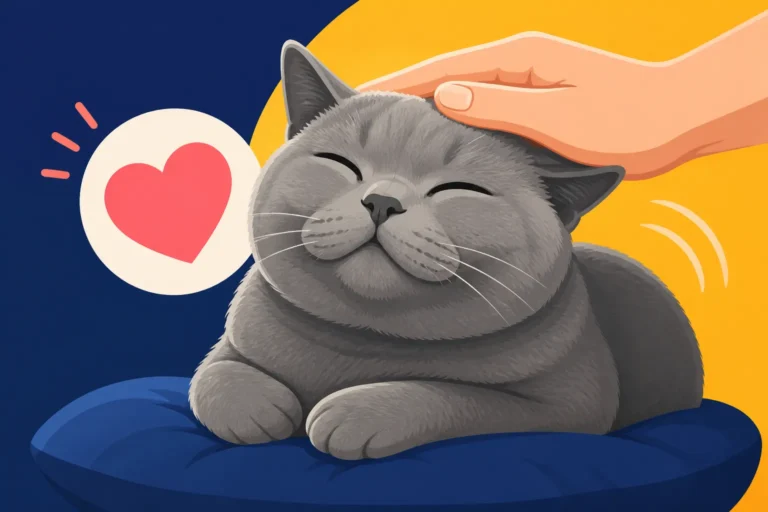
Many British Shorthair owners might look at their perpetually snoozing cat and jokingly (or seriously!) wonder if their feline friend is just plain lazy. It's a valid thought when your furry companion seems to spend most of the day in a state of blissful unconsciousness. However, what often looks like laziness is actually a deeply ingrained instinct and a perfectly normal part of being a cat, especially for a British Shorthair.
The Myth of the "Lazy" British Shorthair
Let's address this head-on: your British Shorthair isn't lazy; they're incredibly efficient. Cats, by nature, are programmed for bursts of intense activity, followed by long periods of rest to conserve energy. This goes back to their wild ancestors who needed to save every ounce of energy for hunting, even if the "hunting" in your home consists of stalking a feather wand toy or pouncing on a rogue dust bunny. The British Shorthair, with its calm demeanor and less frantic energy compared to some other breeds, often embodies this energy-saving philosophy perfectly. They might not be scaling curtains or tearing through the house at top speeds, but they are observing, processing, and always ready for that sudden, albeit brief, explosion of play. This calm disposition is actually one of their most endearing qualities, but it also means they excel at appearing perpetually relaxed. Many owners ask How Far a British Shorthair Is Lazy or Just Calm, and the answer is usually closer to 'calm' and 'efficient' than genuinely lazy, though they certainly don't mind a good lie-in.
Typical Sleep Patterns and Variations
So, how many hours are we actually talking about? On average, an adult British Shorthair will sleep anywhere from 12 to 16 hours a day. Yes, that's up to two-thirds of their day! This isn't all deep, REM sleep, though. A significant portion of this time is spent in what we call 'cat naps' – light dozing where they can instantly spring awake at the slightest sound or movement. You'll often see their ears twitching or an eye half-open even when they appear to be fully asleep. These short, restorative naps are interspersed with periods of deeper sleep, usually lasting about 15-30 minutes, where they are truly 'out.'
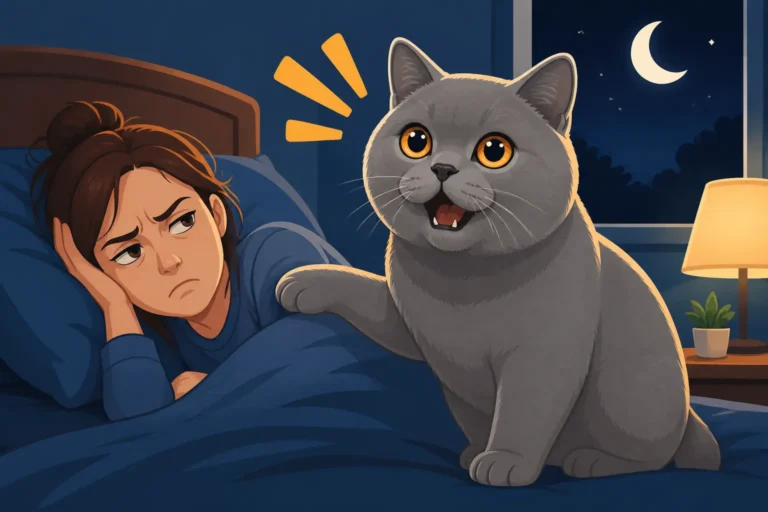
Cats are also crepuscular, meaning they are most active during dawn and dusk. This explains why your British Shorthair might get a sudden burst of energy just as you're settling down for the evening, or wake you up with demands for breakfast well before your alarm. During the brightest parts of the day and the darkest parts of the night, they tend to be in their deepest sleep cycles.
Here’s a general breakdown of sleep duration by age:
| Age Group | Typical Daily Sleep (Hours) | Activity Level | Notes |
|---|---|---|---|
| Kittens | 18-20+ | Very high, short bursts of intense play | Developing rapidly, require extensive sleep for growth and learning. |
| Adult (1-10 yrs) | 12-16 | Calm, moderate play, energy conservation | Settled into routines, balance rest with periods of alert observation and gentle play. |
| Senior (10+ yrs) | 18+ | Reduced, more frequent naps, less intense play | Body slowing down, requires more rest for recovery and general comfort. May seem even less active than before. |
It's important to remember these are averages. Every cat is an individual, and some may naturally sleep a bit more or a bit less. The key is to observe your cat's normal patterns.
Factors Influencing British Shorthair Sleep Duration
While the general guidelines provide a good starting point, several factors can significantly influence how much your British Shorthair sleeps. It’s not just about age; their environment, mental stimulation, and overall health all play a crucial role in their daily snooze quota.
Age and Its Impact on Sleep
Just like humans, a British Shorthair's sleep needs change dramatically throughout their life.
- Kittens (under 1 year): British Shorthair kittens are little bundles of explosive energy, but even they need a tremendous amount of sleep. It's not uncommon for them to sleep 18 to 20 or even more hours a day. This extensive sleep is absolutely vital for their rapid growth and development, both physically and mentally. They are learning so much about the world around them, and their brains are working overtime even when their bodies are at rest. You'll notice they'll play like crazy for 20 minutes, then crash hard for an hour or two. Don't worry, this is entirely normal for their stage of life. When a British Shorthair Finally Grows Up and settles down a bit, their sleep patterns will also adjust.
- Adults (1-10 years): As mentioned, adult British Shorthairs typically fall into that 12-16 hour range. They've found their rhythm, their routines are usually established, and they've perfected the art of the strategic nap. A healthy adult British Shorthair will have periods of alertness, some gentle play, eating, grooming, and then return to their favorite napping spot. This is the period where their sleep patterns are most consistent, assuming no significant changes in their environment or health.
- Seniors (10+ years): When your British Shorthair reaches their golden years, their sleep needs often increase again. Senior cats may sleep 18 hours or more daily, reminiscent of their kitten days, but for different reasons. Their bodies are working harder to maintain basic functions, they may have aches and pains (like Arthritis in an Older British Shorthair), and their metabolism slows down. They simply need more rest to feel comfortable and function. You might find them seeking out warmer, softer sleeping spots, perhaps a plush bed from Amazon to soothe aging joints. It's a natural part of The Age a British Shorthair Is Considered Senior. It's also worth noting that Whether an Aging British Shorthair Plays Less is a common observation, which naturally contributes to more sleep.
Environment, Activity Levels, and Mental Stimulation
An indoor British Shorthair, which most are, will generally sleep more than a cat that has access to the outdoors, simply because their indoor environment typically provides fewer external stimuli and hunting opportunities. A British Shorthair living in a quiet household with little activity or stimulation might sleep more out of boredom.
- Lack of Play: British Shorthairs are not known for being overly athletic, but they do need daily play to stay healthy and mentally stimulated. If your cat isn't getting enough interactive playtime, they might just fill that void with more sleep. A well-placed feather wand or laser pointer session (though be careful not to frustrate them with a laser) can make a big difference. Think about How Much Play a British Shorthair Needs.
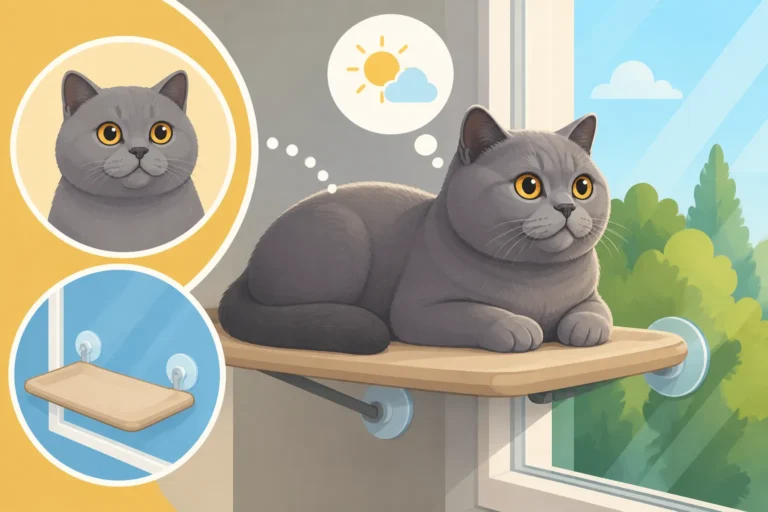
- Enrichment: Providing vertical spaces, window perches, and puzzle feeders can offer mental stimulation even if your British Shorthair isn't constantly running around. A comfortable window perch from Amazon can provide hours of bird-watching entertainment, stimulating their minds even when they're not physically active. Without these outlets, they can become less engaged and, consequently, more prone to excessive napping.
- Routine: Cats thrive on routine. A consistent feeding and play schedule can help regulate their internal clock, leading to more predictable sleep patterns. If their routine is constantly shifting, their sleep might become more erratic.
Health Concerns and Sleep Changes
While a lot of sleep is normal for a British Shorthair, a sudden or dramatic change in their sleep habits can be a red flag. This is when an empathetic owner needs to put on their detective hat.
- Increased Sleep: If your cat suddenly starts sleeping significantly more than usual, is difficult to rouse, or seems lethargic even when awake, it could indicate an underlying health issue. This might be anything from a minor illness to something more serious like pain, infection, or even conditions like Obesity Is the British Shorthair's Real Disease, which can lead to increased lethargy. Pay close attention to other Signs a British Shorthair Is Unwell such as changes in appetite, litter box habits, or behavior.
- Decreased Sleep/Restlessness: Conversely, if your British Shorthair seems restless, can't settle down, or is sleeping significantly less, this also warrants attention. Pain or discomfort can make it hard for a cat to get comfortable. Hyperthyroidism, particularly in older cats, can cause increased activity and decreased sleep. Stress or anxiety can also manifest as restlessness.
- Environmental Changes: A new pet, a move to a new house, or even new furniture can stress a British Shorthair, affecting their sleep. They are creatures of habit and can be sensitive to changes in their environment.
Always consult your veterinarian if you notice any significant and persistent changes in your British Shorthair's sleep patterns. It's always better to rule out a medical cause sooner rather than later.
Optimizing Your British Shorthair's Sleep Schedule and Well-being
Given that British Shorthairs are masters of napping, our goal as owners isn't to reduce their sleep, but to ensure it's healthy, regular, and indicative of overall well-being. It's about providing a stimulating environment that balances their need for rest with their need for mental and physical engagement.
Creating an Enriching Environment
A happy, healthy British Shorthair needs an environment that caters to their specific needs. This includes both stimulating elements and comfortable spaces for their ample sleep.
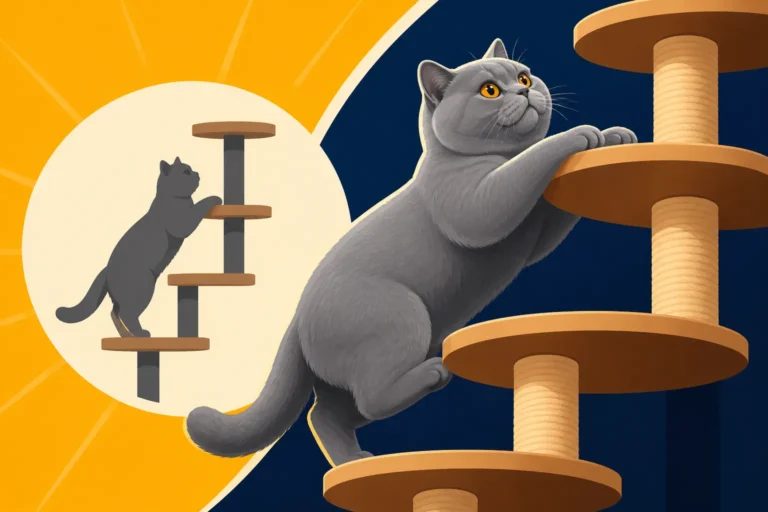
- Consistent Playtime: Schedule at least two dedicated play sessions a day, ideally in the morning and evening, for about 10-15 minutes each. Interactive toys like feather wands, fishing pole toys, or even small, crinkly balls can get them moving. Remember, British Shorthairs aren't typically high-flying acrobats, so gentle, engaging play is often more effective than trying to get them to scale vertical surfaces. Try to tire them out before your own bedtime; this can encourage them to sleep more during the night, aligning their schedule closer to yours. For some excellent interactive toys, check out the selection on Amazon. It's crucial to understand How to Get a British Shorthair to Play Daily to ensure they get enough activity.
- Mental Stimulation: Even when they're not running, their brains need exercise. Puzzle feeders, which require them to work for their food, are fantastic for British Shorthairs who love their meals. Rotate toys regularly to keep them interested. Window perches are also excellent, allowing them to observe the world outside, which can be surprisingly mentally stimulating for an indoor cat.
- Comfortable Sleeping Spots: Ensure your British Shorthair has several inviting, quiet, and warm places to sleep. They often gravitate towards soft surfaces and appreciate privacy. This could be a cozy cat bed, a blanket draped over a chair, or even a soft spot on your sofa. Some British Shorthairs enjoy elevated beds, while others, due to their stocky build, might prefer a Whether a British Shorthair Prefers a Floor Bed. Having options allows them to choose based on temperature and their mood.
- Consistent Routine: Cats are creatures of habit, and a predictable routine around feeding, play, and bedtime can help regulate their sleep cycle. Try to feed and play at roughly the same times each day. This can help them settle into a pattern where their active periods are aligned with when you're awake and can interact with them. This also helps to define What a British Shorthair Does All Day.
Recognizing Changes in Sleep Habits
It's one thing for your British Shorthair to naturally be a big sleeper; it's another if their sleep habits suddenly shift. Being attuned to these changes is a vital part of responsible pet ownership.
- Monitoring and Observation: Keep an eye on the duration and quality of their sleep. Are they sleeping much more or much less than usual? Are they difficult to wake up, or do they seem restless and unable to get comfortable? Is their breathing normal during sleep? Are they hiding more? Any sustained change in these patterns over a few days or weeks should prompt further investigation.
- Other Accompanying Symptoms: Pay attention to any other signs that accompany a change in sleep. Are they eating less or more? Drinking more water? Are their litter box habits different? Are they grooming less or over-grooming certain areas? Are they vocalizing more, or less? A change in sleep combined with other symptoms can be a strong indicator of an underlying issue. This is especially true if you observe Signs a British Shorthair Is Breathing Hard.
- Veterinary Consultation: If you notice a significant, unexplainable change in your British Shorthair's sleep habits, especially if accompanied by other symptoms, please schedule a visit with your veterinarian. They can perform a thorough examination, including blood work or other diagnostics if needed, to rule out any medical conditions. Regular How Often a British Shorthair Needs a Wellness Exam appointments are crucial, as subtle changes can be caught early. It's much easier to address a problem when it's caught in its initial stages than when it has progressed.
Remember, a British Shorthair's love for sleep is usually a charming characteristic, not a cause for concern. By understanding their natural inclinations and being vigilant about any significant deviations, you can ensure your round-faced friend enjoys a long, healthy, and wonderfully sleepy life.
Disclaimer
This article is for general informational purposes only and does not constitute professional advice. Laws, prices and regulations vary by location and change over time. Consult a qualified professional for guidance on your specific situation.