A British Shorthair Sits Near You, Not On You
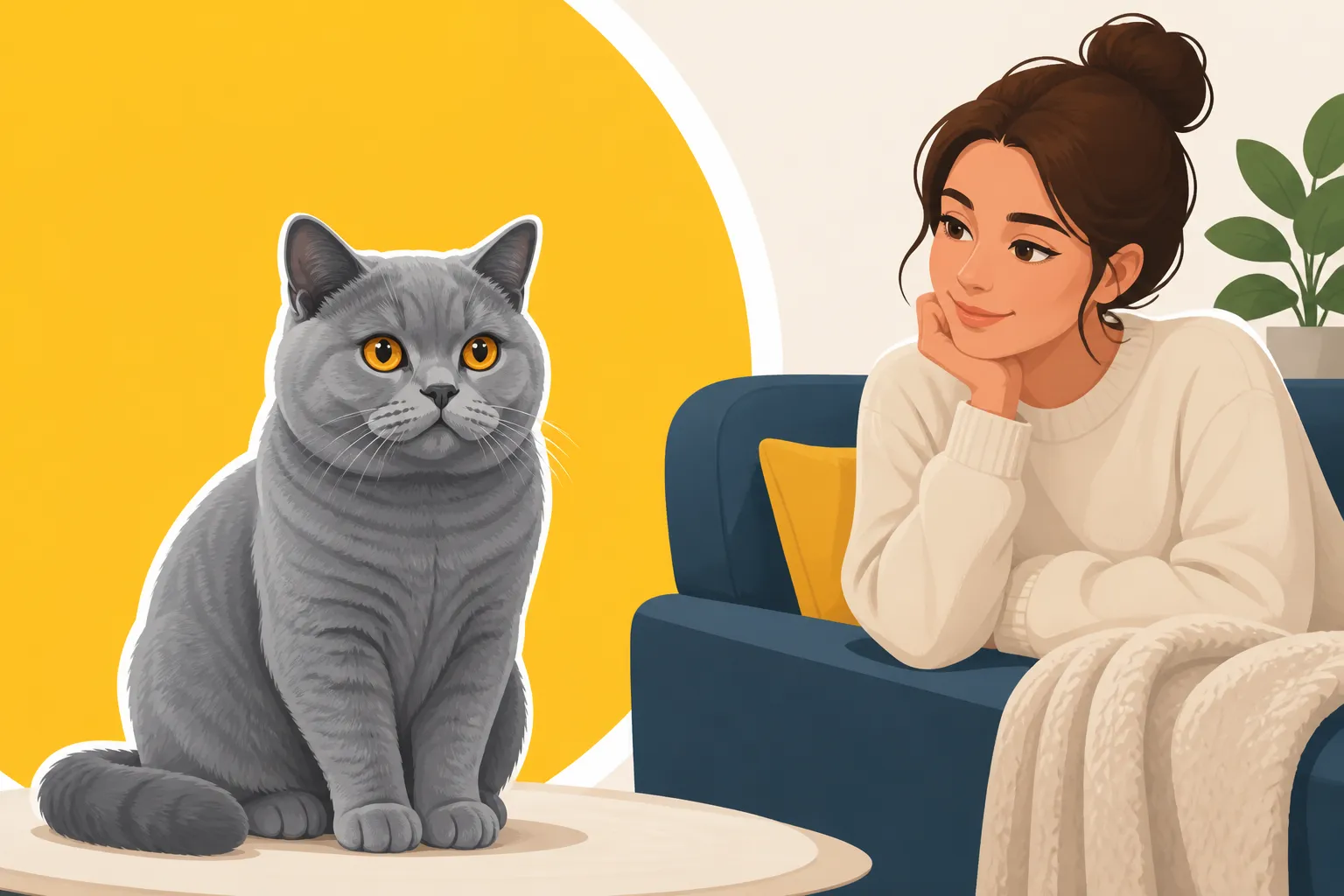
It’s a common scenario for many British Shorthair owners: you settle down on the sofa, hoping for that picture-perfect moment of a fluffy cat curled up on your lap, purring contentedly. Instead, your beautiful British Shorthair often prefers to occupy the next cushion, or perhaps a nearby armchair, still close enough to be part of the family but distinctly not on you. This guide delves into why this particular breed often chooses proximity over direct contact and how you can still build a deep, loving bond with your affectionate but independent companion.
Understanding the British Shorthair's Affection Style
The British Shorthair is renowned for its calm, placid demeanor, and while they are undeniably affectionate, their expression of love often differs from the stereotypical lap cat. Many new owners, accustomed to more clingy breeds, can feel a pang of disappointment or confusion when their British Shorthair consistently opts for a nearby spot rather than a direct cuddle. It’s not a rejection; it's simply their way of being close.
The Myth of the Lap Cat
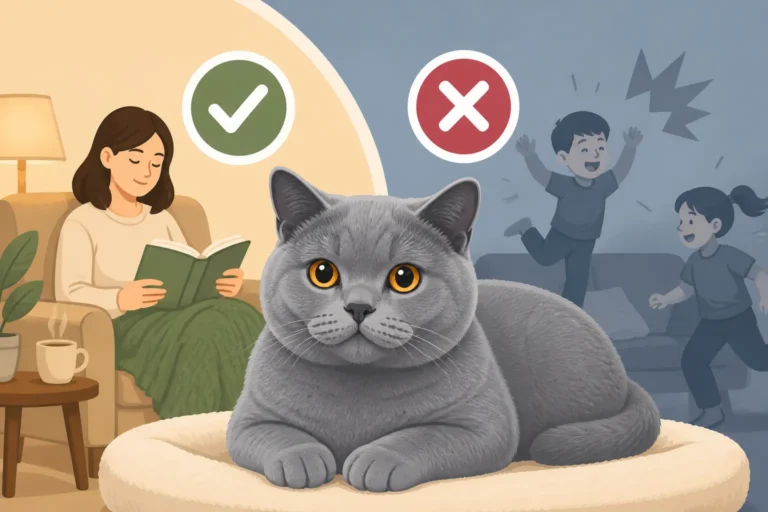
Let's be honest, those adorable photos you see online of cats draped over their owners, blissfully asleep, often set an expectation that isn't always met by every breed. For British Shorthairs, being a constant lap cat isn't usually in their nature. They are generally substantial cats, both in weight and build, and sometimes, a warm lap just isn't the most comfortable or stable spot for them. Their dense, plush coats also mean they can overheat more easily than other breeds, making prolonged, direct body contact less appealing, especially in warmer environments.
It’s easy to project human ideas of affection onto our pets, assuming that physical contact like cuddling is the ultimate sign of love. However, for a British Shorthair, affection is often expressed and received in more subtle ways. They appreciate your presence, your calm energy, and the security of being near you, even if they're not physically touching. Understanding this difference is the first step in appreciating your cat's unique personality and avoiding unnecessary frustration. They are truly loyal, but they define "loyalty" a bit differently.
Their Independent Nature
One of the defining characteristics of the British Shorthair is their independence. They are not typically a breed that constantly demands attention or seeks to be the center of your world. This doesn't mean they don't love you fiercely; it just means they are perfectly content within their own space, knowing you're nearby. They are confident, self-possessed cats who don't rely on constant human interaction for their happiness.
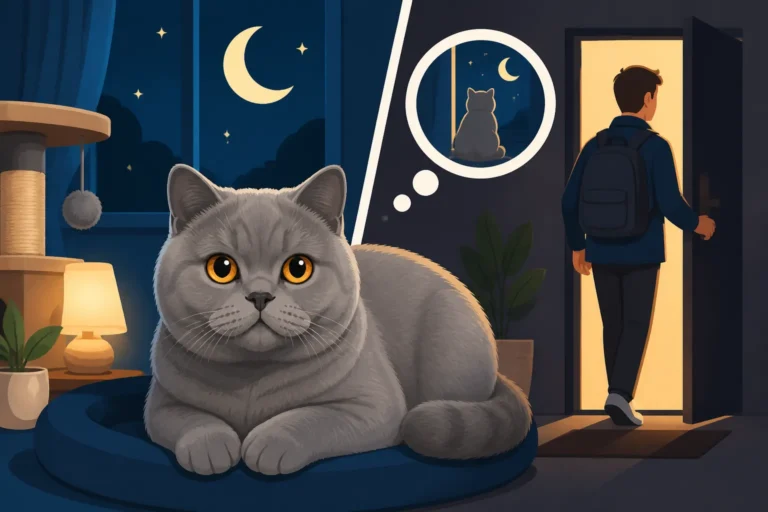
This independent streak can be a huge benefit for owners with busy lifestyles or those who work long hours. A British Shorthair is generally quite happy to entertain itself or simply observe the household goings-on from a comfortable perch. They’re usually not prone to separation anxiety, which can be a relief for many cat parents. This quiet self-sufficiency is part of their charm, allowing them to fit seamlessly into many different home environments without becoming demanding or destructive when left alone. Their calm nature is something many owners truly value.
How Their Ancestry Shapes Their Behavior
To truly understand why your British Shorthair behaves the way it does, it helps to look back at their origins. These cats descended from the common street and farm cats of Britain, robust and self-sufficient animals valued for their mousing skills, not necessarily for their cuddliness. While selective breeding has refined their appearance and temperament, some of that ancient independence still shines through. The British Shorthair Started as a British Street Cat after all, and that legacy influences their modern-day traits.
Their history means they evolved to be capable and resourceful, not needy. While they appreciate comfort and human companionship, they never lost that innate ability to be content on their own terms. Even the famous Cheshire Cat, often depicted as a British Shorthair, had a mysterious, somewhat aloof quality, appearing and disappearing at will. This heritage contributes to their calm, collected demeanor and their preference for proximity over being constantly handled or confined to a lap. It's a testament to their enduring practicality and adaptability, traits that were essential for their survival in earlier times.
Decoding "Near You, Not On You"
When your British Shorthair settles down a few feet away, perhaps gazing at you with those characteristic round eyes, they are absolutely communicating affection. It just takes a different lens to understand it. This "near you, not on you" behavior is a hallmark of the breed, a subtle dance of companionship that speaks volumes if you know how to interpret it.
Proximity as Affection
For a British Shorthair, simply being in the same room as you, or even on the same piece of furniture (just not on you), is a profound expression of love and trust. Think of it as their version of a close friend sitting with you in comfortable silence. They choose to share your space, to be part of your immediate environment, and to bask in your presence. This act demonstrates that they feel safe, secure, and loved.
You might find your British Shorthair sleeping at the foot of your bed, rather than nestled against your head, or on the armchair right next to yours. They might follow you from room to room, settling down near you as you move through your day. This constant, quiet companionship is their way of saying, "I love you, I trust you, and I want to be where you are." It's a subtle but deeply meaningful bond that develops over time, built on mutual respect for each other's space. They might not be a traditional lap cat, but they are certainly "near you." How Much of a Lap Cat a British Shorthair Is really highlights this distinction.
Respecting Their Personal Space
One of the best ways to foster a strong bond with a British Shorthair is to respect their personal space. Unlike some cats that might actively solicit physical contact, a British Shorthair often appreciates it when you let them initiate. If you constantly try to scoop them up for cuddles when they clearly prefer to sit beside you, it can inadvertently create resentment or wariness. Instead, offer a gentle stroke as you pass by, or extend a hand for a head scratch, allowing them to lean into it if they wish.
This respect builds a foundation of trust. When your British Shorthair knows you won't force interactions, they'll often be more willing to approach you on their own terms. You might be surprised to find them occasionally jumping onto your lap for a brief moment, or even kneading happily on your chest, precisely because they feel safe and in control of the interaction. Why a British Shorthair Hates Being Picked Up also ties into this deep respect for their autonomy. It's about letting them decide when and how they want to connect, which ultimately strengthens the relationship.
The Silent Language of a British Shorthair
British Shorthairs are not known for being overly vocal. How Vocal a British Shorthair Is will tell you they are rather quiet creatures. Instead, they communicate through a rich tapestry of subtle body language. A slow blink, for example, is a classic sign of trust and affection. If your cat looks at you and slowly closes and opens their eyes, try returning the gesture; it's like a feline kiss. A relaxed posture, with ears slightly forward and tail gently swaying, also indicates contentment in your presence.
Observe where they choose to settle. If they position themselves where they can easily see you, even if they're napping, that's a positive sign. A gentle head boop or rub against your leg as you walk by is another indicator of affection. They might even lie down with their back to you, which, while seemingly dismissive, actually shows immense trust because they feel secure enough to expose a vulnerable part of their body in your presence. Learning to read these quiet cues will help you appreciate just how much your British Shorthair adores you, even without constant purrs or direct physical contact. How to Read a British Shorthair's Face can offer more insights into their subtle expressions.
Creating a Comfortable Space for Shared Proximity
Since your British Shorthair prefers to be near you rather than on you, it's wise to create inviting spaces around your home that facilitate this preferred mode of togetherness. Thinking strategically about where they'll feel most comfortable will encourage them to spend more time in your vicinity, enhancing that shared, peaceful companionship.
The Allure of the Next Chair
The "next chair" phenomenon is real and quite common with British Shorthairs. If you're on the sofa, they'll often pick the cushion next to you. If you're at your desk, they might choose a soft bed on an adjacent chair. This isn't random; it's intentional proximity. They want to be close enough to feel your presence and observe you, but with their own comfortable space and the freedom to move if they wish.
To make this even more appealing, consider adding a soft blanket or a small, plush bed to their preferred "next chair" spots. A well-padded cat bed purchased from a site like Amazon could make all the difference, providing a warm, inviting spot that becomes their designated space right next to you. Ensure these spots are in areas where you spend a lot of time, like the living room or your home office. By providing these comfortable alternatives, you reinforce their natural inclination for quiet companionship. Where a British Shorthair Sits Instead details this perfectly.
Strategic Placement of Beds and Perches
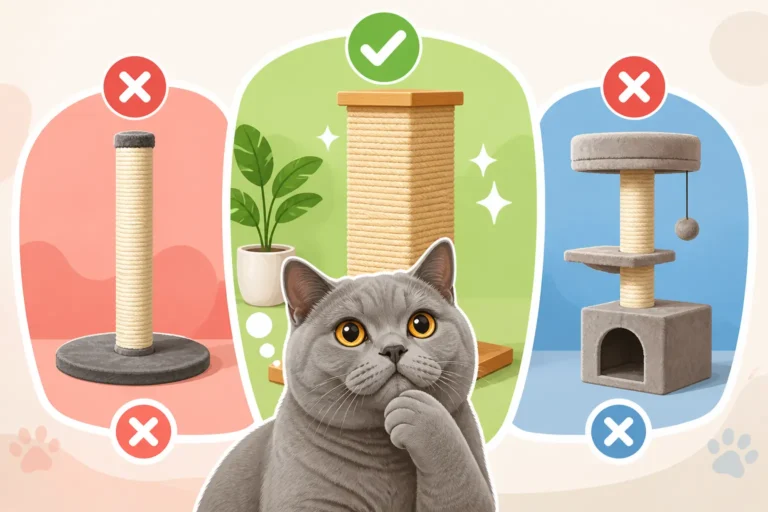
Beyond the "next chair," think about other strategic spots where your British Shorthair can be near you. Cat trees, window perches, or even elevated shelves can offer them a great vantage point to oversee their domain and still feel connected to you. British Shorthairs, despite their stout build, often enjoy being elevated, though they aren't typically extreme climbers. A sturdy, medium-height cat tree with large, plush platforms is usually ideal.
Place these perches in rooms where the family gathers. A window perch in the living room allows them to observe both the outdoors and the indoor activity, making them feel like a central part of the household. A cozy bed on a shelf in your office means they can "supervise" your work without being underfoot. The goal is to maximize opportunities for them to choose to be in your orbit, always with a comfortable retreat nearby. Look for sturdy options on Amazon that can accommodate their weight and size comfortably.
Soft Furnishings and Designated Spots
British Shorthairs absolutely adore comfort. Their dense coats and robust bodies make them seek out soft, warm places to rest. Investing in good quality, plush cat beds, fleece blankets, and even orthopedic beds (especially for older cats) can significantly increase their willingness to settle near you. These don't have to be expensive; a simple, soft fleece blanket folded on a specific spot on the sofa can become their go-to resting place.
Consider creating a few "designated spots" around the house. This could be a blanket on the corner of the sofa, a plush cat cave next to your favorite reading chair, or a soft cushion on a low shelf. The consistency of these spots helps them feel secure and understand that these are their safe places to relax while still being close to their beloved human. Rotating blankets and washing them regularly will keep them inviting. These thoughtful touches show your British Shorthair that you understand and cater to their needs, strengthening your bond.
Fostering Connection Beyond the Cuddle
Since direct cuddling might not be their primary love language, it's essential to find other ways to connect with your British Shorthair. These interactions can be just as, if not more, meaningful than traditional lap time, forging a deep and lasting bond based on mutual enjoyment and understanding.
Interactive Playtime
Even though British Shorthairs are generally less active than some breeds, they still benefit immensely from interactive playtime. This is often their favorite way to engage with their humans. Forget the idea that they're lazy; they simply have a different play style. They might not jump around wildly for hours, but a few dedicated sessions of focused play each day can be incredibly rewarding. Getting a Low Energy British Shorthair to Move is crucial for their physical and mental health.
Wand toys with feathers or small, enticing attachments are often a huge hit. They allow you to simulate hunting behavior from a distance, which respects their personal space while still engaging their prey drive. Laser pointers can be fun, but always end with a tangible toy they can "catch" to prevent frustration. Try short bursts of play, 5-10 minutes, several times a day. This not only provides mental and physical exercise but also acts as a wonderful bonding experience. You'll often see them perk up, their round faces alight with focus, transforming from a serene observer into a stealthy hunter. Which Toys a British Shorthair Will Actually Chase can give you specific recommendations.
Gentle Grooming Sessions
The British Shorthair's dense, plush coat, while beautiful, does require regular grooming. This isn't just about keeping them looking good; it's a fantastic opportunity for bonding. Many British Shorthairs tolerate, and even enjoy, being gently combed, especially if introduced early in life. Their coats stand away from their bodies, making them prone to shedding, so regular combing is a must.
Use a wide-toothed metal comb or a good quality shedding comb, avoiding harsh brushes that can damage their delicate undercoat. Start with short sessions, focusing on areas they enjoy, like their back or sides, gradually extending to less accessible areas. Speak to them softly, offering praise and gentle strokes. This tactile interaction, even if it's not a full-body cuddle, is a form of affectionate touch that they often appreciate. It's a quiet, trusting ritual that reinforces your bond and helps them feel cared for. Just be gentle and respect their cues if they indicate they've had enough.
Shared Activities and Routines
Cats are creatures of habit, and British Shorthairs are no exception. Establishing consistent routines around feeding, play, and quiet time can make them feel secure and connected to you. They learn to anticipate these moments and often enjoy the predictability. This might mean you both settle down with a cup of tea and a book at the same time each evening, or that you always have a short play session before bedtime.
Involve them in your daily life in subtle ways. Talk to them as you move around the house, even if they don't respond verbally. Let them "help" you with chores by observing from their favorite perch. If you're watching TV, simply being in the same room, sharing the quiet space, is a profound form of connection for them. Consider a puzzle feeder from Amazon to engage their minds while you're busy, turning mealtime into an activity you both share in a different way. These shared, consistent moments, however small, build a rich tapestry of companionship that defines the British Shorthair-human bond.
When Their Behavior Shifts: What It Might Mean
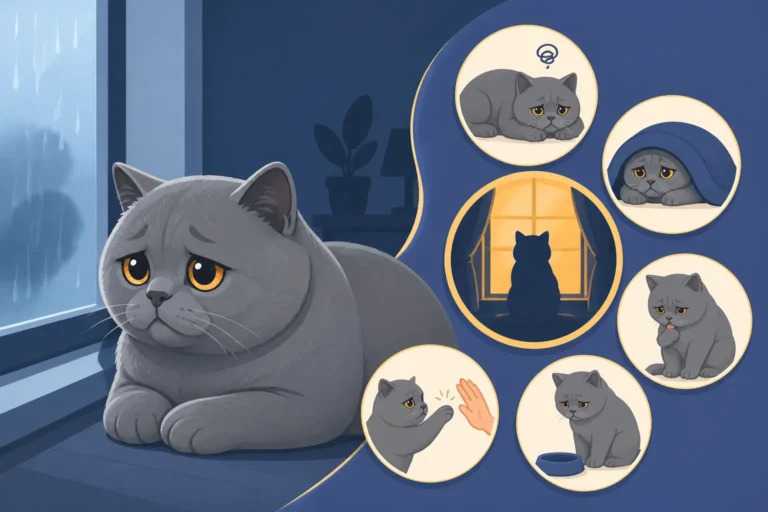
While British Shorthairs are creatures of habit and generally exhibit consistent temperaments, any sudden or prolonged change in their behavior, especially regarding their preferred level of interaction, can be a red flag. As a responsible cat owner, it’s crucial to be attuned to these shifts, as they can indicate underlying health issues or stress.
Increased Clinginess or Avoidance
If your usually independent British Shorthair suddenly becomes overly clingy, constantly seeking your attention, or conversely, becomes unusually reclusive and avoids your presence entirely, it's worth investigating. An increase in clinginess might suggest they are feeling unwell, insecure, or in pain, and are seeking comfort. They might be trying to tell you something is wrong in the only way they know how.
On the other hand, sudden avoidance, hiding more often, or withdrawing from normal interactions could indicate pain, fear, or a serious illness. Cats are masters at hiding discomfort, so any overt change in their usual social patterns warrants attention. Observe if this change coincides with any other symptoms, like changes in eating, drinking, or litter box habits. A vet visit is often the best course of action to rule out any medical causes. Signs a British Shorthair Is Unwell can help you spot other subtle indicators of distress.
Changes in Vocalization
While British Shorthairs are typically quiet cats, they do communicate vocally in subtle ways, such as soft trills, chirps, or gentle meows when they want something specific, like food. If you notice a significant increase in vocalization—such as persistent, loud meowing, or unusual cries—it could be a sign of discomfort, pain, anxiety, or even cognitive decline in older cats.
Conversely, if a cat that usually chirps happily to greet you suddenly goes completely silent, that too can be a cause for concern. Pay attention to the context of the vocalization. Is it associated with the litter box, eating, or being handled? Any sudden, unexplained change in their usual vocal repertoire should prompt a closer look at their overall health and well-being. It's a direct signal that something in their world has shifted and they need your help to understand and address it.
Appetite and Litter Box Changes
Perhaps the most critical indicators of a cat's health are their appetite and litter box habits. Changes in these areas, even without noticeable shifts in social behavior, demand immediate attention. If your British Shorthair, known for its healthy appetite (sometimes too healthy, as discussed in Why a British Shorthair Gains Weight So Easily), suddenly loses interest in food or stops eating altogether, it could be a sign of serious illness.
Similarly, any changes in litter box usage—such as urinating outside the box, straining to urinate or defecate, or changes in the consistency or frequency of their waste—are strong signals that something is amiss. Urinary issues, for example, can become critical very quickly, especially in male cats. Always observe and monitor these essential bodily functions. If you notice any drastic or prolonged changes, contact your veterinarian without delay. Early detection of health problems can make a significant difference in treatment outcomes.
| Behavior Change | Potential Meaning | Action to Take |
|---|---|---|
| Increased Clinginess | Pain, illness, anxiety, insecurity | Observe for other symptoms, vet visit |
| Sudden Avoidance/Hiding | Pain, fear, serious illness, stress | Check environment for stressors, vet visit |
| Excessive Vocalization (loud) | Pain, discomfort, anxiety, hunger, cognitive decline | Assess immediate needs (food, water), vet check if persistent |
| Reduced Vocalization (unusual) | Feeling unwell, depression, pain | Monitor for other symptoms, vet visit if silent when usually vocal |
| Loss of Appetite/Refusal to Eat | Illness, dental problems, stress, nausea | Vet emergency if not eating for 24+ hours, immediate vet if accompanied by lethargy |
| Litter Box Accidents/Straining | Urinary tract infection, blockages, kidney issues, arthritis | URGENT vet visit (especially for males straining to urinate) |
| Changes in Sleep Patterns | Pain, discomfort, hyperthyroidism (older cats), stress | Monitor, consult vet if prolonged or accompanied by other symptoms |
Building a Lasting Bond with Your British Shorthair
Developing a deep, meaningful relationship with a British Shorthair is incredibly rewarding. It may not always involve constant physical cuddles, but it's built on a foundation of trust, respect, and understanding their unique personality. The bond you form will be solid and enduring.
Patience and Consistency Are Key
Building trust with any animal takes time, and British Shorthairs thrive on patience and consistency. Don't rush them into interactions they're not comfortable with. Instead, create a predictable and loving environment where they feel safe to be themselves. Stick to routines for feeding, playtime, and quiet time, as this predictability reduces stress and builds confidence.
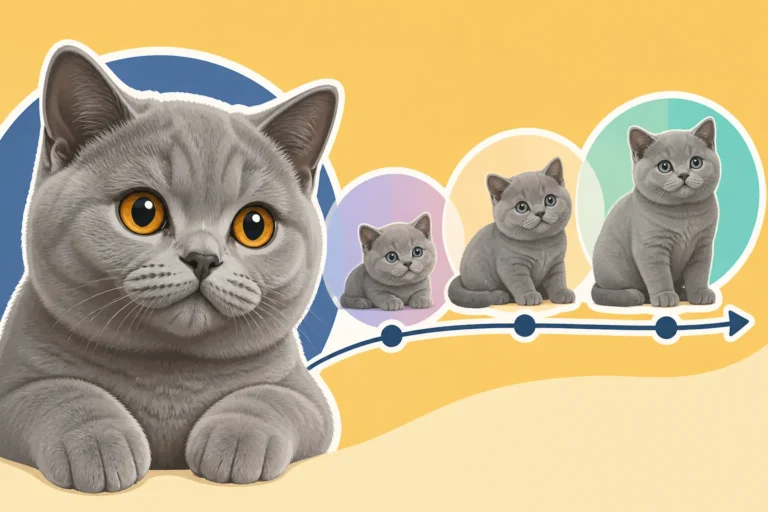
Consistently offering gentle interactions, such as a soft voice, a slow blink, or a brief, affectionate stroke when they approach you, reinforces that you are a safe and benevolent presence. Over time, your British Shorthair will learn that your presence means comfort and security, leading to a stronger bond. Remember, they are often late bloomers, taking a while to fully mature and settle into their personalities, so the patience you show in their younger years will pay dividends. When a British Shorthair Finally Grows Up is an interesting read on their developmental timeline.
Learning Their Unique Love Language
Every cat has its own way of expressing affection, and for British Shorthairs, it's often more subtle than overt. Their love language might involve a quiet presence in the same room, a gentle headbutt against your leg, a slow blink from across the sofa, or simply choosing to nap near your feet. Don't underestimate these seemingly small gestures; they are their way of saying "I love you."
Pay close attention to how your individual cat responds to different types of touch and interaction. Some might enjoy a good chin scratch, while others prefer gentle strokes along their back. Avoid areas they dislike, such as their belly, unless they explicitly invite it. By learning and respecting their specific preferences, you communicate that you understand and value them as an individual, which deepens the connection far more than forcing cuddles ever could. How a British Shorthair Shows Affection provides more detail on these specific expressions of love.
Celebrating Their Individuality
Ultimately, the most fulfilling way to bond with your British Shorthair is to celebrate them for who they are. They are a magnificent breed with a calm, dignified, and independent spirit. Embrace their preference for sitting near you, not on you, and cherish the quiet companionship they offer. Their serene presence can be incredibly soothing, bringing a sense of peace to your home.
Recognize that their love is expressed uniquely, and it is no less profound or meaningful because it doesn't fit a generic "lap cat" mold. The trust they place in you, the comfort they find in your proximity, and the occasional, chosen cuddle are precious gifts. By understanding and honoring their true nature, you’ll not only have a happier British Shorthair but also a more deeply connected and harmonious relationship with your cherished feline friend.
Disclaimer
This article is for general informational purposes only and does not constitute professional advice. Laws, prices and regulations vary by location and change over time. Consult a qualified professional for guidance on your specific situation.