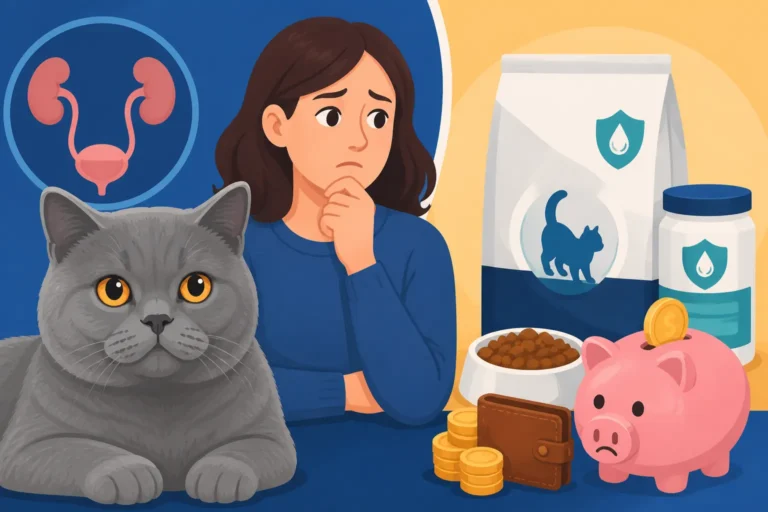
Which Questions to Ask a British Shorthair Breeder
Bringing a British Shorthair kitten into your home is an incredibly exciting prospect, but it can also feel like navigating a maze. You're probably brimming with questions, and maybe a little nervous about asking the "right" ones. It's totally understandable to feel overwhelmed by the process of finding a reputable breeder and ensuring your future feline companion is healthy and well-adjusted. This guide is here to cut through the confusion, equipping you with essential questions to ask any British Shorthair breeder so you can confidently choose a kitten that will thrive and become a beloved member of your family.
Prioritizing Health Screening and Genetic History
When you're looking for a British Shorthair, the breed's health history should be at the absolute top of your list of concerns. These beautiful, chunky cats can be prone to certain genetic conditions, and a responsible breeder will be completely transparent about the steps they take to mitigate these risks. Don't be shy about digging deep into this area; it's about protecting your future cat and your peace of mind.
Comprehensive Health Tests
It's absolutely crucial to ask breeders about the specific health tests they perform on their breeding cats. Many prospective owners get swept up in the adorable fluffiness of kittens and forget that underlying health issues can manifest years down the line, leading to heartache and significant vet bills. What kind of tests should you be asking about, and why do they matter so much?
First and foremost, discuss hypertrophic cardiomyopathy (HCM). This is a heart condition where the heart muscle thickens, making it harder for the heart to pump blood. While there isn't a specific DNA test for HCM in British Shorthairs like there is in some other breeds, reputable breeders regularly screen their cats via echocardiograms performed by a board-certified veterinary cardiologist. You should ask to see current echo results for both the sire (father) and dam (mother) of the litter you're interested in. A clear echo is generally considered good for about a year, so asking about The Yearly Echo That Replaces a British Shorthair Gene Test is essential. This ongoing screening is the best tool we currently have to monitor for this condition in the breed.
Another important point of discussion is Polycystic Kidney Disease (PKD). Thankfully, there is a DNA test for PKD, and it's a simple, non-invasive cheek swab. You absolutely want to ensure both parent cats are tested negative for PKD. This condition causes cysts to form in the kidneys, which can grow over time and eventually lead to kidney failure. It's an inherited disease, so if a parent has it, there's a significant risk their offspring will too. Given that Polycystic Kidney Disease Came Into the British Shorthair With the Persians, it's a vital screening measure. Seeing documentation for these tests should be a non-negotiable part of your breeder interaction.
Don't forget to inquire about blood typing, particularly for breeding queens. This might sound overly technical for a pet owner, but it speaks volumes about a breeder's diligence. British Shorthairs are one of the breeds with a significant prevalence of Blood Type B. If a Type B queen is bred to a Type A tom, their Type A kittens can suffer from a fatal condition called neonatal isoerythrolysis when they nurse. Understanding Blood Type B and the British Shorthair Kittens It Kills shows a breeder is truly dedicated to the health and survival of every kitten. Even if you're not planning to breed, a breeder who takes these precautions demonstrates a deep commitment to the welfare of their animals.
Understanding Pedigree and Lineage
A kitten's pedigree isn't just a fancy piece of paper; it's a roadmap of their genetic history, allowing a breeder to trace health and temperament trends through generations. It shows the lineage of your potential kitten, detailing its parents, grandparents, and often great-grandparents. A good breeder will be able to discuss the health and longevity of the cats in their lines, not just the immediate parents. This gives you a broader picture of potential inherited traits.
Don't hesitate to ask if you can see the pedigree and ask about any specific health concerns or notable longevity (or lack thereof) in the ancestors. A responsible breeder will have this information readily available and be happy to walk you through it. They should be able to explain how they select their breeding pairs to improve the breed and minimize the risks of inherited diseases. This kind of transparency is a huge green flag, indicating a breeder who is invested in the long-term health of their cats.
It’s also important to understand that some breeders might emphasize certain traits or health clearances more than others. This is where your research comes in. Knowing What a British Shorthair Breeder Should Have Tested helps you compare what breeders say they do against recognized best practices. If a breeder is vague about lineage or unwilling to discuss specific cats in the pedigree, it should be a warning sign. You want a breeder who knows their lines intimately, understands the genetic implications, and is actively working to produce healthy, robust kittens.
Breeder Transparency on Health Records
This is where the rubber meets the road. Anyone can say they do health testing, but a reputable breeder will be able to prove it. Ask to see actual copies of the health screening certificates for both parents. These should ideally come from certified veterinary cardiologists for echoes and reputable genetic testing laboratories for DNA tests like PKD. Don't accept verbal assurances alone.
A transparent breeder will not only show you the certificates but will also explain them to you. They should be able to clarify what the results mean and how they influence their breeding decisions. If you feel pressured or hurried, or if a breeder becomes defensive when asked for documentation, it's a sign to step back. You're making a long-term commitment, and you have every right to be thorough. Think of it as investing in your cat's future health, potentially saving you significant costs down the line that even pet insurance providers like Healthy Paws might not fully cover if conditions are pre-existing.
It's also worth asking how long their cats typically live and what illnesses they've encountered in previous litters or their cattery. While no one can guarantee a cat's lifespan or health, an honest breeder will provide realistic expectations and discuss any challenges they've faced, demonstrating their commitment to learning and improving. This level of openness builds trust and helps you gauge their dedication to the breed's overall well-being.
Temperament and Socialization for a Well-Adjusted Cat
The British Shorthair is renowned for its calm and placid demeanor, often described as a "teddy bear" cat. But temperament isn't solely genetic; it's also heavily influenced by early socialization. You want a kitten that's been raised with care and attention, not one that's been left to fend for itself in a quiet corner.
Kitten Socialization Practices
One of the most important questions to ask is how the kittens are socialized. A well-socialized kitten will be confident, friendly, and comfortable around people and household noises. This early period is critical for their development. Ask about the daily routine in the cattery. Do the kittens live in a busy household environment, or are they kept isolated?
A good breeder will handle their kittens frequently from birth, exposing them gently to various sights, sounds, and smells. They should be accustomed to being picked up (even if a British Shorthair will never be much of a lap cat, knowing A British Shorthair Will Not Be Picked Up in adulthood doesn't mean they shouldn't be handled as kittens!). Do they interact with children, if present in the breeder's home? Are they exposed to other pets, like calm dogs or other cats, in a controlled and safe manner? These experiences help build resilience and prevent them from becoming overly fearful or shy adults.
You want a kitten that seeks out human interaction, even if it's just to observe. A breeder should be able to tell you how they play with the kittens, what toys they use, and how they encourage positive interactions. This proactive approach to socialization sets the foundation for a well-adjusted, happy cat, which is paramount for integrating them into your home.
Observing Parent Temperament
Remember the saying, "the apple doesn't fall far from the tree"? While every kitten is an individual, the temperament of the parent cats can give you a strong indication of what to expect. Ask if you can meet both the mother (dam) and, if he lives on-site, the father (sire). Observe their behavior. Are they friendly, calm, and approachable? Or do they seem skittish, fearful, or aggressive?
A reputable breeder will usually be proud to show off their breeding cats. Pay attention to how the queen interacts with her kittens and with you. A relaxed, confident mother cat usually produces kittens with similar traits. If a breeder is reluctant to let you see the parents, especially the mother, it's a red flag. It might suggest issues with their temperament or living conditions.
Discuss What a British Shorthair's Temperament Is Really Like with the breeder. They should be knowledgeable about the typical characteristics of the breed and how their specific lines align with these traits. They can offer insights into the parents' personalities and how these might influence the kittens. A good breeder knows their cats intimately and can tell you about their quirks and habits, giving you a better sense of your future kitten's potential personality.
Behavioral Development
Understanding the behavioral milestones of British Shorthair kittens is also key. Ask the breeder about how they monitor the kittens' development. Are they observing how the kittens interact with each other? Are they comfortable eating solid food and using the litter box reliably? A good breeder will have a clear timeline for these developments and ensure kittens are ready for their new homes.
Inquire about any specific training or habituation they've done. For example, have the kittens been introduced to scratching posts, or are they accustomed to nail trims? These seemingly small details can make a huge difference in how smoothly your kitten transitions into your home. You're looking for evidence of thoughtful, intentional care that goes beyond just providing food and shelter.
A breeder committed to behavioral health will also keep kittens for an appropriate amount of time, typically at least 12-14 weeks, to ensure they are fully weaned, have received their initial vaccinations, and have learned crucial social skills from their mother and littermates. Taking a kitten home too early can lead to behavioral problems down the line.
Cattery Practices and Environment
The environment in which your kitten is raised profoundly impacts its health and well-being. A clean, stimulating, and loving cattery is essential for producing happy, healthy, and well-adjusted British Shorthair kittens. Don't be afraid to ask for details about the cattery setup; it's a direct reflection of the breeder's commitment.
Cattery Cleanliness and Care
One of the first things you should ask, and ideally observe if possible, is the cleanliness of the cattery. While a breeding operation with multiple cats might not be sterile, it should be visibly clean, smell fresh, and appear well-maintained. Ask how often litter boxes are cleaned, how frequently bedding is changed, and what their general sanitation protocols are.
A responsible breeder prioritizes hygiene to prevent the spread of diseases. They should have a clear system for keeping the living areas spotless. Inquire about their veterinary care routine beyond just vaccinations; do they have a regular vet they work with? What preventative measures do they take against parasites like fleas and worms? These questions aren't intrusive; they're an indicator of their dedication to their cats' health.
If a breeder offers a virtual tour or shows you pictures of their cattery, pay close attention to the details. Are the cats kept in cages for extended periods, or do they have ample space to play and interact? Do they have access to fresh water and good quality food? A well-run cattery will demonstrate that the cats' comfort and health are paramount, providing a good foundation for a cat that won't experience Urinary Problems in a British Shorthair from poor hygiene.
Age of Kitten at Placement
This is a critical factor for the kitten's long-term health and behavior. Ask the breeder at what age they typically allow kittens to go to their new homes. As a general rule, British Shorthair kittens should not be separated from their mother and littermates before 12-14 weeks of age.
Leaving them with their family for this extended period is vital for their physical development, immunity (they get critical antibodies from their mother's milk and initial vaccinations), and most importantly, their social learning. They learn bite inhibition, proper feline communication, and develop a sense of security from their mother and siblings. Taking a kitten home too young can lead to behavioral issues such as aggression, excessive biting, or anxiety later in life.
A breeder who insists on placing kittens earlier than 12 weeks, unless there are very specific, documented medical reasons, is generally not operating with the kitten's best interest at heart. A good breeder will understand and adhere to this timeline, sometimes even holding onto a kitten longer if they feel it needs more time to mature or for specific veterinary procedures like neutering. This patience indicates a true dedication to the welfare of their animals.
Diet and Nutrition Practices
What a kitten eats in its early life sets the stage for its future health. Ask the breeder what kind of food they feed their adult cats and kittens. Do they use a high-quality, reputable brand? Do they feed wet food, dry food, or a combination? British Shorthairs are particularly prone to obesity, so a good feeding strategy from the start is important for preventing Obesity Is the British Shorthair's Real Disease.
A responsible breeder will be able to articulate why they've chosen a particular diet and how they transition kittens from weaning to solid food. They should also provide you with a starter supply of the kitten's current food to minimize digestive upset when you take your kitten home. Sudden dietary changes can cause stomach problems, so a slow transition is always recommended.
Inquire about their feeding schedule. Do they free-feed, or do they offer measured meals? For a British Shorthair, controlled portion feeding is generally preferred to prevent overeating. You might consider purchasing high-quality food or even specialty food from places like Chewy, which offers a wide selection. If they mention any supplements or special dietary considerations, ask for the reasoning behind them. This shows a commitment to providing optimal nutrition for healthy growth and development.
Contract, Support, and Logistics
The process of bringing a new family member home extends beyond the initial pick-up. A responsible breeder understands this and provides comprehensive support, clear contractual agreements, and transparent logistics. These elements safeguard both you and the kitten.
Contractual Agreements and Guarantees
A reputable breeder will always have a written contract. This document is designed to protect both you, the breeder, and most importantly, the kitten. Read it thoroughly and don't be afraid to ask for clarification on any clauses you don't understand. What should you look for in a good contract?
Firstly, it should outline health guarantees. This typically includes a guarantee against life-threatening genetic defects for a certain period, and usually requires a vet check shortly after you take the kitten home. It might also specify what happens if a serious genetic health issue (like HCM or PKD, even if DNA tested clear) develops within a certain timeframe. You'll want to know what recourse you have, whether it's a partial refund, a replacement kitten, or support for veterinary costs. Understanding What a British Shorthair Contract Says About Screening is paramount.
The contract will also detail your responsibilities as the new owner, such as providing proper veterinary care, feeding a suitable diet, and often, requiring that the cat be spayed or neutered by a certain age (if it's being sold as a pet). If the kitten is not already neutered, ask at what age they recommend it. Sometimes, contracts also include a "right of first refusal" clause, meaning if you ever need to rehome the cat, the breeder requests that you contact them first. This shows their lifelong commitment to their cats.
Post-Purchase Support and Resources
A relationship with a good breeder doesn't end when you take your kitten home. Ask what kind of ongoing support they offer. Are they available to answer questions about behavior, health, or nutrition after you've brought the kitten home? A truly dedicated breeder will see themselves as a lifelong resource for their kitten owners.
Many experienced breeders offer a wealth of knowledge and can provide invaluable advice as your kitten grows. They might have tips for introducing your new British Shorthair to other pets, or advice on dietary changes, especially since Why a British Shorthair Gains Weight So Easily is a common concern. Knowing you have a knowledgeable person to turn to can be incredibly reassuring, especially for first-time cat owners.
Some breeders might even have online communities or groups for owners of their kittens, fostering a sense of community and shared experience. This can be a fantastic way to get advice and share updates on your feline companion. Consider this a significant value-add, as it speaks to the breeder's investment in their cats and their new families.
Pricing and What's Included
It's natural to discuss the cost of a British Shorthair kitten, but this conversation should come with an understanding of what that price truly represents. Don't just ask "how much?" without asking "what's included?" The price of a well-bred, health-tested British Shorthair kitten reflects significant investment on the breeder's part.
This investment includes the cost of quality breeding stock, regular veterinary care and health screenings for parent cats, high-quality food, litter, vaccinations, deworming, and sometimes microchipping and early spay/neuter for the kittens. It also covers the time and effort involved in raising and socializing the kittens, providing a clean environment, and offering ongoing support. You should clarify whether the price includes initial vaccinations, deworming, microchipping, and whether the kitten will be spayed or neutered before leaving the cattery.
Be wary of prices that seem too low. While What a British Shorthair Costs to Buy in 2026 and What a British Shorthair Kitten Costs From a Breeder can vary widely, unusually low prices often indicate a breeder who is cutting corners on health testing, proper nutrition, or socialization. Remember, you're not just buying a kitten; you're buying peace of mind and the assurance that your new family member has had the best possible start in life. Transparency about pricing and what it covers is a sign of an honest and ethical breeder.
| Question Category | Example Questions to Ask | Why It Matters |
|---|---|---|
| Health & Genetics | What health tests do you perform on your breeding cats (HCM, PKD, blood type)? Can I see the results for the parents of this litter? What is the average lifespan of your lines? | Ensures your kitten comes from healthy lines, reducing future vet bills and heartache. |
| Temperament & Socialization | How are the kittens socialized daily? Can I meet the mother (and father)? What are their temperaments like? At what age do you allow kittens to go home? | Guarantees a well-adjusted, confident, and friendly kitten that adapts well to your home. |
| Cattery Environment | Describe your cattery's living conditions and cleanliness routine. What food are the kittens currently eating? What veterinary care do the kittens receive before leaving? | Confirms kittens are raised in a safe, hygienic, and nurturing environment, preventing early health or behavioral issues. |
| Contract & Support | Can I see a copy of your contract and health guarantee? What kind of post-purchase support do you offer? What is included in the purchase price? | Provides legal protection, outlines responsibilities, and ensures ongoing guidance from an experienced breeder. |
Finding the right British Shorthair breeder means asking a lot of questions, being patient, and sometimes even walking away if something doesn't feel right. It's a significant investment, both emotionally and financially, but by being thorough and informed, you can ensure you bring home a truly wonderful addition to your family. Don't rush the process; the perfect British Shorthair is worth the wait and the diligent search.
Disclaimer
This article is for general informational purposes only and does not constitute professional advice. Laws, prices and regulations vary by location and change over time. Consult a qualified professional for guidance on your specific situation.