Why an Undersized British Shorthair Disappoints Buyers
Bringing home a British Shorthair kitten is often a dream come true for many cat lovers. You picture that iconic round face, those chubby cheeks, and that solid, plush teddy bear body, imagining them growing into a magnificent, substantial cat. So, it can be truly disheartening and even confusing when your beloved British Shorthair doesn't quite live up to those grand size expectations, leaving you wondering if something went wrong or if your cat is somehow "less than." This guide delves into why an undersized British Shorthair can be a source of disappointment for buyers and explores the realistic factors behind their growth and development.
The Iconic British Shorthair Look and Size Expectations
The British Shorthair is famous for its robust, cobby build. When you think of a BSH, you likely conjure an image of a medium to large-sized cat with powerful musculature, a broad chest, and those wonderfully full, round cheeks that define their expression. This 'teddy bear' appearance isn't just a charming trait; it's a hallmark of the breed standard.
Many prospective owners are drawn to the breed specifically for this substantial physique. They want a cat that feels solid, imposing, and truly fills out a room. It's a significant part of the breed's appeal, setting them apart from more slender or delicate feline companions. When a kitten grows up to be smaller or more svelte than anticipated, it can genuinely feel like a deviation from the ideal, leading to a sense of unfulfilled expectation.
Visualizing the Ideal British Shorthair Physique
The ideal British Shorthair is often described using terms like "cobby," "massive," and "well-muscled." This isn't just breeder jargon; it translates into a cat that feels heavy for its size, with a short, thick tail, sturdy legs, and a dense, plush coat that adds to its substantial appearance. Imagine the cats you see in breed books or on champion cat show circuits – they are the epitome of this robust ideal.
When an owner brings home a British Shorthair, they often have these images firmly in mind. They anticipate a cat that will eventually tip the scales at a healthy weight, with noticeable jowls for the males and a generally impressive stature. What a British Shorthair Weighs and How Big It Gets covers these weight expectations in more detail. This visual benchmark, nurtured by photos and breed descriptions, sets a high standard for how their own cat "should" look as it matures.
The Role of Age in British Shorthair Development
One common reason for perceived "undersize" is simply impatience, or a misunderstanding of the breed's unique growth curve. British Shorthairs are not like many other cat breeds that reach their full adult size and weight by one year old. Far from it! These magnificent cats are slow to mature, often continuing to grow and "fill out" for up to three to five years. It's a marathon, not a sprint.
A British Shorthair kitten might appear rather lanky and disproportionate during its teenage months, which can cause worry. Their heads might seem too small for their bodies, or they might lack the famous "gravitas" of an adult BSH. This is entirely normal. They need time to develop their bone structure, musculature, and especially those iconic broad cheeks and cobby frame. Owners expecting a fully-formed adult at 12 months might understandably feel disappointed if their cat is still in its adolescent gangly stage. You Are Paying for a British Shorthair That Fills Out Over Five Years explains this extended growth period further.
The Illusion of Plushness: Why a British Shorthair Can Seem Heavier
The British Shorthair's incredibly dense, plush double coat contributes significantly to its perceived size and "cuddly" factor. This isn't just a pretty coat; it's a functional one, making the cat feel much larger and more substantial than its actual bone structure might suggest. Their fur literally stands away from their body, creating a fluffy, rounded outline that adds visual bulk.
This can be a double-edged sword when it comes to assessing size. On one hand, it enhances the desired "teddy bear" look. On the other, it can obscure a lean frame underneath. If a British Shorthair has a less dense coat or is simply a naturally smaller individual, this plush illusion might be less pronounced, leading owners to feel their cat is even smaller than expected. It’s crucial to understand that even a perfectly healthy, well-developed British Shorthair can feel surprisingly light underneath all that glorious fur, but the overall impression should still be one of solidness.
Factors Influencing British Shorthair Size: Genetics, Nutrition, and Health
Several key factors determine the ultimate size and development of a British Shorthair. It's rarely just one thing, but rather a complex interplay of genetics, the care they receive, and their overall health. Understanding these elements can help manage expectations and identify potential issues.
The Genetic Blueprint from Parents and Ancestry
Genetics play the most significant role in determining a British Shorthair's potential size. Just like humans, cats inherit their predispositions for height, weight, and build from their parents and ancestral lines. If a kitten comes from two smaller-than-average British Shorthair parents, it's highly probable that it will also mature into a smaller adult. This is simply basic heredity at work.
A reputable breeder will be transparent about the size of their breeding cats and might even be able to show you photos of previous offspring as they matured. They understand that type and size are crucial to the breed standard and will strive to produce kittens that adhere to it. When purchasing a kitten, asking about the size of the parents and grandparents can give you a good indication of what to expect. While a breeder cannot absolutely guarantee a specific size, they can provide insight into the genetic potential. Choosing a kitten from a breeder who prioritizes robust, healthy lineage is key. Whether Parents Predict a British Shorthair's Size offers more insights into this genetic aspect.
The Critical Role of Proper Nutrition and Early Development
A kitten's early nutrition is paramount to its healthy development and ultimate size potential. A kitten that doesn't receive adequate, high-quality nutrition during its rapid growth phases may never reach its full genetic potential, regardless of its lineage. This isn't just about feeding any cat food; it's about providing a diet specifically formulated for kittens, rich in protein and essential nutrients needed for bone and muscle growth.
Sometimes, kittens from less scrupulous breeders or those from rescue situations might have experienced nutritional deficiencies in their formative weeks or months. This early setback can have lasting impacts on their growth. Ensuring your British Shorthair kitten has access to excellent food, fed in appropriate portions, is vital. Choosing a high-quality kitten food helps ensure optimal nutrition. Remember, British Shorthairs are prone to obesity later in life, so while proper nutrition is essential for growth, Portion Control Is the Whole Job With a British Shorthair becomes critical as they mature.
Early Neutering and Its Potential Impact on Growth Plates
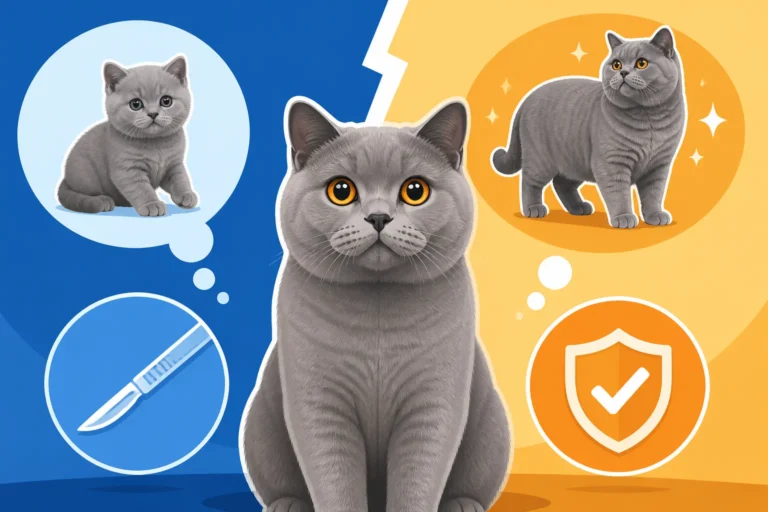
There's some debate and varying opinions on how early neutering might affect a cat's growth, particularly in larger breeds like the British Shorthair. The general theory is that sex hormones play a role in the closure of growth plates in bones. When a kitten is neutered very early, before these growth plates naturally close, there's a possibility that the bones might continue to grow for a slightly longer period.
This can sometimes lead to a cat that appears taller or more lanky than typical for the breed, rather than the desired cobby, broad structure. While the overall health benefits of early neutering (like preventing unwanted litters and certain health issues) are generally considered to outweigh this potential aesthetic difference, it is a factor that some breeders and owners consider. It's not about making them smaller, but sometimes altering the proportions in a way that deviates from the classic BSH look. Whether Neutering Early Stunts a British Shorthair delves deeper into this topic.
Addressing the Disappointment and Supporting Your British Shorthair
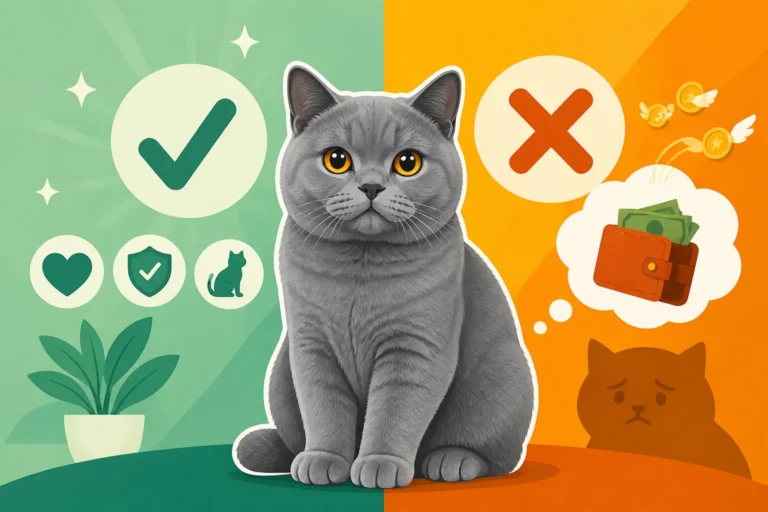
It’s completely valid to feel a twinge of disappointment if your British Shorthair doesn’t grow into the robust 'teddy bear' you envisioned. Expectations are powerful, especially when you’ve invested time, emotion, and significant funds into acquiring a specific breed. However, moving past this initial feeling is important for both your well-being and your cat's.
Health First: Consulting Your Veterinarian
If your British Shorthair appears significantly smaller than expected, or if its growth seems to have completely stalled, the first and most crucial step is to consult your veterinarian. While it might just be genetics or slow maturation, persistent undersize can sometimes be an indicator of underlying health issues. Conditions like internal parasites, chronic digestive problems, or even certain metabolic disorders can hinder a kitten's growth.
Your vet can perform a thorough examination, including checks for parasites, and possibly recommend blood work to rule out any medical reasons for stunted growth. They can also assess your cat's overall body condition and advise on appropriate nutrition. An undersized cat, especially one that is also underweight, may need a tailored feeding plan or supplements to help them catch up if a treatable condition is identified. Don't hesitate to seek professional advice; it’s always better to be safe than sorry when it comes to your pet's health.
Shifting Focus: Embracing Your Cat's Unique Charm
Once any health concerns have been addressed, the next step is often an emotional one: adjusting your expectations and embracing the cat you have, rather than the cat you thought you’d get. Your British Shorthair, regardless of its size, is still a wonderful, loving companion with its own unique personality and charm. It still possesses that sweet, docile temperament and the soft, beautiful coat that drew you to the breed in the first place.
Focus on the joy your cat brings to your life. Perhaps they're a bit more agile than a truly massive British Shorthair, or they fit more comfortably on your lap (even if they prefer to sit next to you!). Celebrate their individual quirks and the special bond you share. Ultimately, size is only one characteristic, and true companionship comes from connection, not from adhering perfectly to a breed standard. Remember, A British Shorthair Sits Near You, Not On You is a classic trait, regardless of their weight.
Supporting Healthy Growth and Development
Even if your British Shorthair is destined to be a more petite individual, you can still support their optimal health and help them achieve the best possible physique for their genetic blueprint. This means continuing to provide a high-quality, age-appropriate diet, monitoring their weight regularly (without obsessing over the scale), and encouraging gentle, consistent play.
Ensure they have a stimulating environment with appropriate cat trees and toys to encourage activity, even for a breed known for its calm demeanor. Play for a British Shorthair That Would Rather Not offers great tips for engaging even the most sedentary BSH. Good preventative care, including regular vet check-ups, vaccinations, and parasite control, is also fundamental. If your vet recommends a specific dietary approach, such as a higher calorie food for a lean cat or a joint supplement for good bone health as they mature, follow their advice. Pet insurance providers like Healthy Paws can be an excellent resource for managing unexpected health costs, especially if your cat requires ongoing care or diagnostic tests to address any growth concerns.
The Broader Implications of Misaligned Expectations
The disappointment of an undersized British Shorthair goes beyond just aesthetics. It can touch upon the financial investment made, the emotional connection, and even the future health prospects of the cat, especially if the small size is indicative of something more significant than just genetics.
The Emotional and Financial Toll of Unmet Expectations
When you invest in a purebred cat like a British Shorthair, you're not just buying a pet; you're often investing in a specific image, temperament, and health profile associated with the breed. The cost of a well-bred British Shorthair kitten is substantial, reflecting the breeder's investment in health testing, quality care, and adherence to breed standards. When the cat doesn't meet the expected physical characteristics, particularly size, it can feel like a financial disappointment, even if the cat is otherwise healthy and loving. What a British Shorthair Costs to Buy in 2026 details the typical price range.
Emotionally, this can be even more complex. You’ve likely spent months researching, waiting, and anticipating this specific feline companion. To have a core aspect of that expectation unmet can lead to frustration or a feeling of being "short-changed." While it's important to overcome these feelings for the sake of your relationship with your cat, acknowledging them is the first step. It's a reminder that even with the best intentions, animals are individuals, and sometimes they surprise us.
Potential Hidden Costs if Undersize Signals Health Issues
While often an undersized British Shorthair is perfectly healthy, simply being on the smaller end of the spectrum, there are instances where small size can be a red flag. As mentioned, chronic health conditions can impede growth. If diagnostic tests reveal issues such as a congenital heart defect (like HCM, which is present in the breed, though there's Why There Is No British Shorthair HCM Gene Test), kidney problems (like PKD, which How PKD Reached the British Shorthair explains), or persistent intestinal issues, the costs can quickly escalate.
These hidden health costs are a stark reminder of the importance of choosing a reputable breeder who conducts thorough health screening on their breeding stock. While a kitten might appear smaller, it's vital to ensure that this isn't due to inherited conditions that could lead to significant veterinary bills down the line. Even if you've adopted a British Shorthair from rescue, What an Unscreened Rescue British Shorthair Costs can give you an idea of the potential financial commitment for health evaluations.
The Importance of a Reputable Breeder and Clear Communication
This potential for disappointment underscores why choosing a reputable British Shorthair breeder is so incredibly important. A good breeder will:
- Prioritize Health: They will conduct all recommended health screenings for the breed, such as regular echocardiograms for HCM and DNA testing for PKD and Hemophilia. What a British Shorthair Breeder Should Have Tested provides a comprehensive list.
- Understand Type and Size: They will breed for correct type, including the robust, cobby build, and will be able to discuss the size and conformation of their breeding cats and past litters.
- Educate Buyers: They will openly communicate about the breed's growth patterns, temperamental traits, and potential variations, setting realistic expectations from the outset.
- Offer Support: A good breeder remains a resource for the lifetime of your cat, ready to answer questions and offer advice.
When a breeder is transparent about their lines and the expected growth trajectory of their kittens, it significantly reduces the likelihood of future disappointment regarding size. They will manage your expectations, letting you know that while they breed for type, individual variations are natural, and patience is key for British Shorthair development.
Conclusion: Loving Your British Shorthair, Whatever Their Size
Ultimately, while the vision of a massive, teddy-bear-like British Shorthair is a powerful draw for many, the reality can sometimes present a cat that is perfectly healthy, happy, but simply on the smaller side of the breed standard. This can be disappointing, especially given the expectations set by breed images and the investment involved. However, understanding the genetic influences, the slow maturation process of the breed, and the importance of early nutrition can help reframe those expectations.
The most important thing is to ensure your British Shorthair is healthy, well-cared for, and loved, regardless of whether they ever achieve the "massive" stature you initially hoped for. Their delightful temperament, quiet companionship, and unique charm will undoubtedly make them a cherished member of your family for many years.
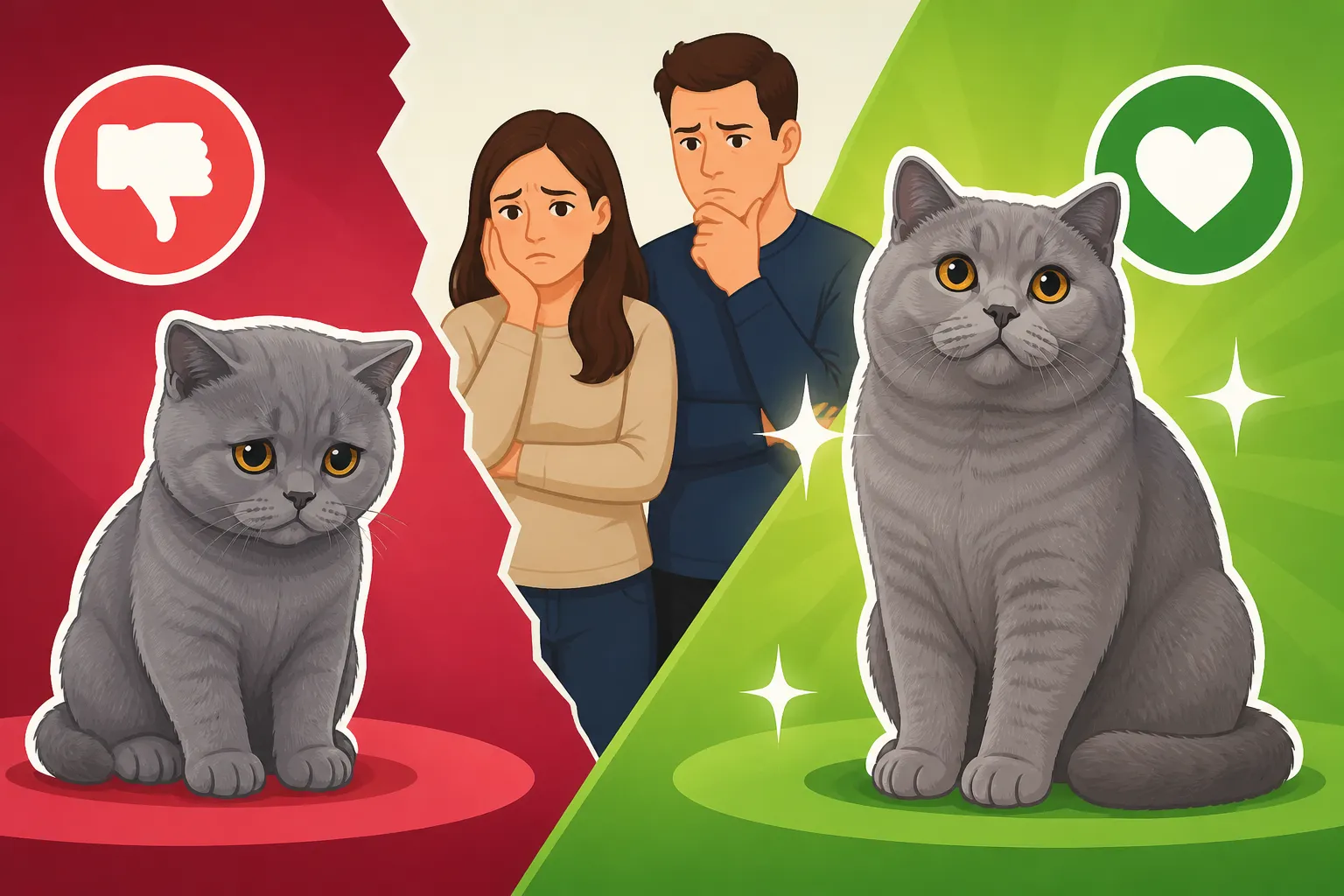
| Aspect | Ideal British Shorthair | Potentially Undersized British Shorthair |
|---|---|---|
| Build & Weight | Cobby, massive, heavy for size | More lean, lighter, less bulky |
| Head & Cheeks | Very round, full jowls (males) | Round but less pronounced, smaller jowls |
| Maturity | Fills out up to 3-5 years | May appear fully grown earlier, or remain lanky |
| Coat Appearance | Very dense, plush, stands away from body | May be less dense, less "fluffy" |
| Health Implications | Generally robust if well-bred | Usually healthy, but vet check advised |
| Owner Expectation | High satisfaction with size | Potential disappointment regarding size |
Disclaimer
This article is for general informational purposes only and does not constitute professional advice. Laws, prices and regulations vary by location and change over time. Consult a qualified professional for guidance on your specific situation.