Whether You Are Paying for Size or Type in a British Shorthair
It’s a common misconception when you’re falling in love with the adorable, sturdy British Shorthair that their price tag somehow correlates directly with their physical heft. You see that impressive, stocky build and assume you're simply paying for more cat per pound, but the truth is far more nuanced. This guide will peel back the layers to explain exactly what factors truly influence the cost of these magnificent felines, clarifying whether you’re investing in size or something far more intricate: breed type.
Understanding "Type" in British Shorthairs
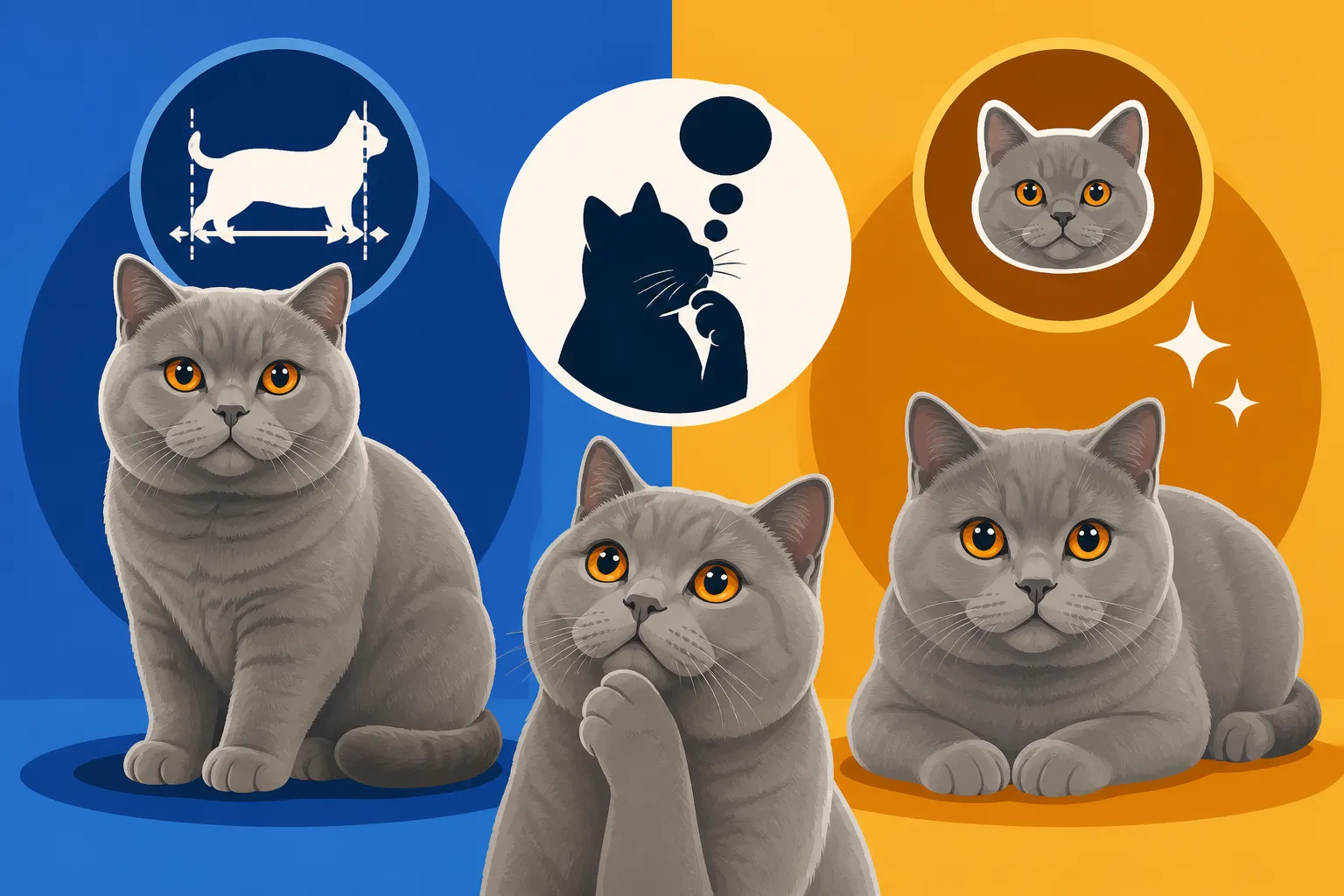
When breeders and cat fancy enthusiasts talk about "type," they're not just throwing around jargon. They're referring to how closely a cat adheres to the established breed standard—a detailed blueprint of what an ideal British Shorthair should embody. This standard dictates everything from the shape of their head and eyes to the texture of their coat and the length of their tail. It's about a harmonious overall appearance that makes a British Shorthair unmistakably British Shorthair.
The British Shorthair Standard's Blueprint
The ideal British Shorthair is a picture of rounded elegance and sturdy construction. Their head should be round, with full cheeks that give them that characteristic "smiley" appearance, especially in males developing their jowls. Their eyes are typically large, round, and copper or gold, complementing their coat color, though some specific colors like points or silver tabbies might have different eye colors. The body itself is "cobby"—compact, powerful, and well-muscled, not long and lean. What Cobby Means in a British Shorthair
Their legs should be short and strong, with round paws, and their tail short and thick, tapering slightly to a rounded tip. And then there's that incredible coat! It should be short, dense, and crisp to the touch, standing away from the body like a plush carpet. This unique coat texture is a hallmark of the breed and contributes significantly to their iconic teddy bear look. These aren't just arbitrary features; they are the result of careful selection and generations of breeding to maintain the distinct British Shorthair identity.
Every single one of these physical attributes contributes to "type." A cat might be large, but if it has a long, pointed muzzle, lanky legs, or a thin coat, it would be considered "out of type" despite its size. Breeders spend years, even decades, striving to produce cats that perfectly match this blueprint, understanding that each element plays a crucial role in the breed's integrity and aesthetic appeal.
Why Type Commands a Premium
Achieving truly excellent type in a British Shorthair is an art and a science, and it’s why cats of superior type command a higher price. It involves a deep understanding of genetics, careful selection of breeding stock, and often significant financial investment in acquiring high-quality foundation cats from proven lines. Breeders committed to type are looking for specific genetic combinations that will consistently produce kittens meeting the breed standard, not just any kitten.
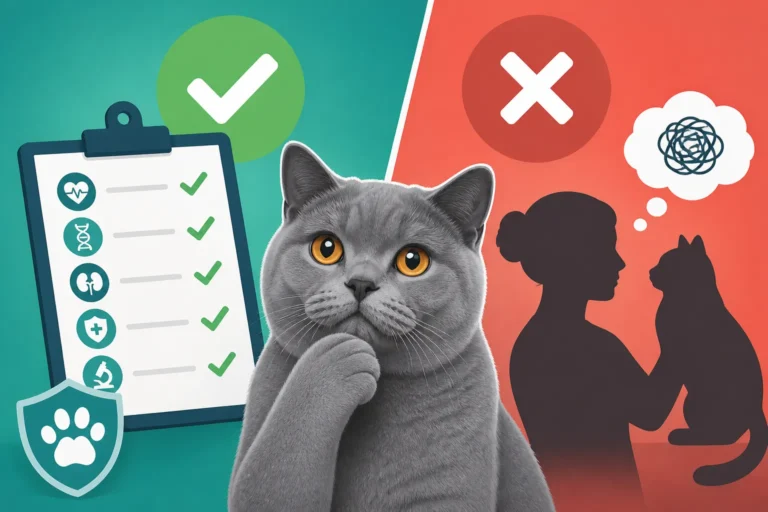
This commitment extends beyond mere aesthetics. Breeders who prioritize type are typically the ones also heavily invested in the health and welfare of their cats. They conduct extensive health screening for genetic conditions like HCM in a British Shorthair Has No DNA Test and Polycystic Kidney Disease Came Into the British Shorthair With the Persians. This ensures that while you're getting a cat that looks the part, you're also getting one that has the best possible start in life, free from preventable genetic diseases. What a British Shorthair Breeder Should Have Tested
The premium for type is an investment in the breeder's expertise, their dedication to preserving the breed's characteristics, and the assurance that you're acquiring a genuinely well-bred British Shorthair. It's about the heritage, the careful planning, and the passion that goes into every litter, ensuring each kitten embodies the best qualities of the breed. This meticulous approach is what separates a reputable breeder from someone simply breeding two cats together without a deeper understanding of the breed standard or genetic health.
The Role of Size in British Shorthair Pricing
While British Shorthairs are known for their substantial build, it's easy to confuse their impressive size with the primary driver of their cost. Many prospective owners look for the biggest kitten, thinking it signifies quality or rarity, but size alone is rarely the determining factor in a well-bred British Shorthair's price.
Size as a Component of Type, Not the Sole Factor
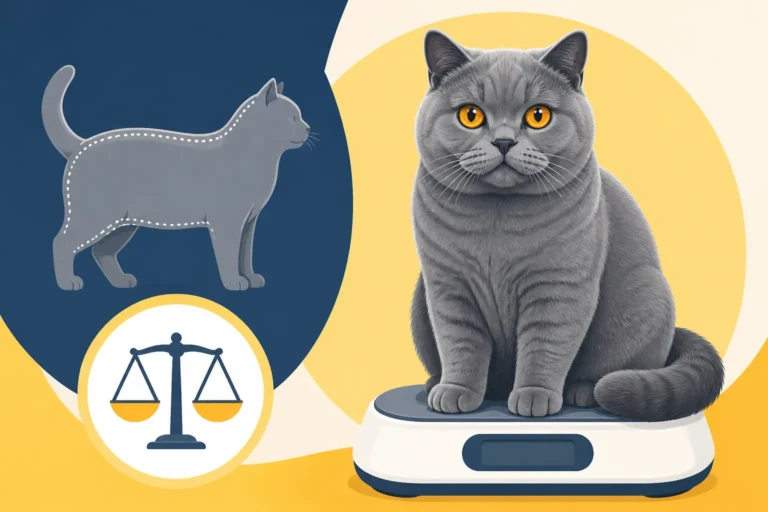
It's true that the British Shorthair is a medium to large-sized cat, with males often reaching weights between 12 to 18 pounds, and females slightly less. What a British Shorthair Weighs and How Big It Gets This robust, well-padded frame is indeed part of their overall "type." A truly magnificent British Shorthair will have a solid, muscular body that feels substantial when you pick them up, contributing to their cobby appearance. However, this "size" must be in proportion and complement the other features of the breed standard.
For example, a large cat with long, slender legs and a lean body would be considered incorrect in type, despite its weight. The "size" that breeders value is a balanced, powerful physique that contributes to the breed's distinct roundness and strength. It’s about being substantial and well-built, rather than simply being "big" for the sake of it. The breed standard calls for a cat that is "cobby and powerful," and size contributes to that impression, but it's not about maximizing scale at the expense of other essential characteristics. It's about the quality of the size, how it fits into the overall harmonious silhouette.
The Myth of "Bigger is Better" and Misconceptions
The idea that "bigger is better" is a common misconception among new buyers. They often equate a large kitten with a higher price or a more impressive adult cat. In reality, while a healthy, robust kitten is desirable, an unusually large kitten isn't necessarily a sign of superior breeding. Sometimes, it might even indicate a predisposition to being overweight later in life, which is a significant health concern for the breed. Obesity Is the British Shorthair's Real Disease
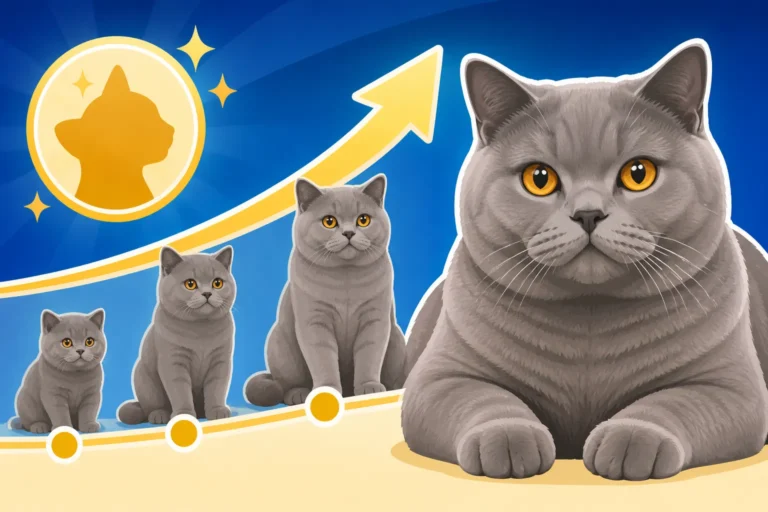
Furthermore, the full size and impressive jowls that many male British Shorthairs develop take time—often several years—to fully manifest. How Long a British Shorthair Takes to Fill Out So, judging a kitten's ultimate "size" potential based purely on its early growth can be misleading. A responsible breeder focuses on healthy growth rates and ensuring the kitten develops according to the breed standard, not just on hitting maximum weight numbers. What you're paying for isn't just a heavy cat, but a cat whose genetics are predisposed to developing that characteristic robust, cobby physique within the parameters of the breed standard. It's an investment in the promise of a truly well-typed adult, rather than just the current measurement on a scale.
What Influences the British Shorthair Price Tag Beyond Type and Size
While breed type is the paramount factor, and size plays a contributing role within that type, several other critical elements influence the final price you pay for a British Shorthair. These are often indicators of an ethical breeder and the comprehensive care invested in their cats.
Health Screening and Ethical Breeding Practices
This is arguably one of the most significant, yet often unseen, components of a British Shorthair's price. Reputable breeders invest heavily in health testing their breeding cats to minimize the risk of passing on hereditary diseases. This includes regular cardiac ultrasounds (echocardiograms) to screen for Hypertrophic Cardiomyopathy (HCM), a common heart condition in cats, as well as DNA testing for conditions like Polycystic Kidney Disease (PKD) if the lines still carry it, and blood typing. What a British Shorthair's Yearly Echo Costs What the British Shorthair PKD and Hemophilia Tests Cost
These tests are not cheap, and they are performed consistently, year after year, on all breeding animals. Beyond genetic screening, ethical breeders provide top-notch veterinary care, vaccinations, proper nutrition, and a stimulating environment for their kittens and adult cats. They also ensure kittens are fully weaned, litter trained, and socialized before going to their new homes, which requires significant time and resources. This dedication to health and well-being directly impacts the kitten's price but offers immense peace of mind to the new owner, potentially saving thousands in future vet bills. Many owners opt for pet insurance, like plans offered by Healthy Paws, early on to help manage unexpected health costs, a prudent decision given the investment in a well-bred cat.
Pedigree, Lineage, and Show Potential
The lineage of a British Shorthair also profoundly affects its price. A cat from champion lines, where its ancestors or even parents have excelled in cat shows, often commands a higher price. This is because a strong show record is a testament to the cat's excellent type and conformation to the breed standard, reinforcing the breeder's dedication and success. What Separates a Pet From a Show British Shorthair Even if you're not planning to show your cat, buying a kitten from such a lineage means you're getting a pet with demonstrably superior genetics and characteristics.
Breeders who focus on improving the breed through careful selection and showing are often at the forefront of genetic health and breed preservation. Their breeding stock is carefully chosen for temperament, health, and adherence to the standard. While a "pet quality" kitten from a show line might still be less expensive than a "show quality" kitten, it will likely still be more costly than a kitten from a less established or unknown lineage. The investment in a strong pedigree isn't just about bragging rights; it's about the decades of work and careful selection that have gone into creating such a high-quality animal.
Color, Markings, and Rarity
While breed type is paramount, specific coat colors and patterns can also influence a British Shorthair's price due to demand or perceived rarity. The classic "British Blue" is still incredibly popular and often commands a solid price due to its iconic status and widespread appeal. Why the Blue Is the Best Known British Shorthair However, other colors and patterns like golden shaded, silver tabbies, colorpoints, or even cinnamon and fawn can sometimes be more expensive, either because they are less common or because they require specific genetic combinations that are harder to achieve. What a Golden Shaded British Shorthair Costs
It's important to remember that rarity or popularity of a color should always be secondary to type and health. An ethical breeder will prioritize type and health first, regardless of the color outcome. However, if a kitten possesses both exceptional type and a highly sought-after or rare color, its price will naturally be at the higher end of the spectrum. The demand for certain aesthetic variations can indeed play a part once the foundational criteria of type and health are met.
| Attribute Category | Primary Focus for Buyer | Primary Focus for Ethical Breeder | Impact on Price |
|---|---|---|---|
| Type | Overall appearance, adherence to "teddy bear" look, roundness, dense coat | Genetic consistency, adherence to breed standard, balanced features | High (Reflects breeding effort, genetics, show success) |
| Size | Perceived robust build, "more cat" | Cobby and powerful build within breed standard, healthy growth | Moderate (Component of type, not standalone metric) |
| Health Testing | Peace of mind, reduced future vet bills | Genetic health of lines, responsible breeding, welfare | High (Significant ongoing investment) |
| Pedigree/Lineage | Proven quality, show potential, reputable source | Maintaining/improving breed characteristics, genetic diversity | High (Reflects established quality and reputation) |
| Color/Markings | Aesthetic preference, perceived rarity | Genetic expression, meeting demand while maintaining type | Variable (Can add to price if combined with good type) |
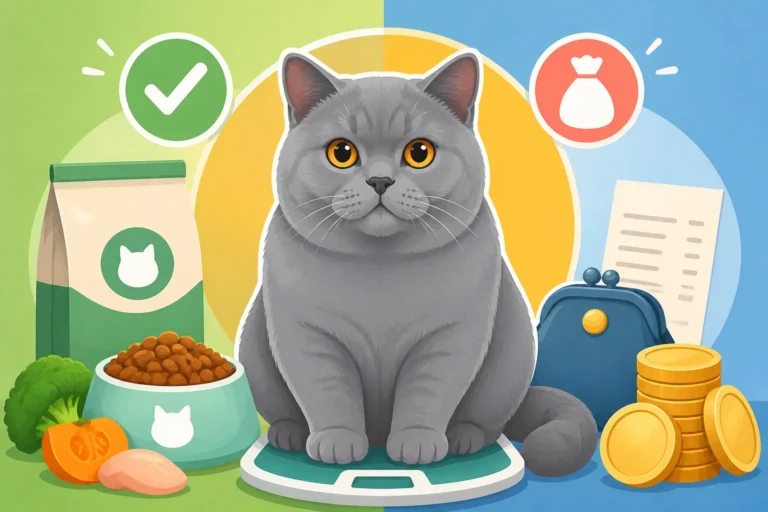
Ultimately, when you're looking at the price of a British Shorthair, you're primarily paying for “type” — the careful, intentional breeding that results in a cat embodying the very essence of the breed standard. Size is a contributing factor to this type, specifically the desired cobby and powerful build, but it's not simply about poundage. A significant portion of the cost also covers the extensive health screening, ethical care, and deep knowledge invested by a reputable breeder to ensure you bring home a healthy, well-adjusted, and authentic British Shorthair. This investment ensures you have a companion that not only looks magnificent but also has the best chance at a long, healthy life. High-quality food contributes to the ongoing health of these cherished pets, complementing the initial investment in a well-bred kitten. Whether a British Shorthair Is Worth the Money
Disclaimer
This article is for general informational purposes only and does not constitute professional advice. Laws, prices and regulations vary by location and change over time. Consult a qualified professional for guidance on your specific situation.