Why an Old British Shorthair Looks Unkempt
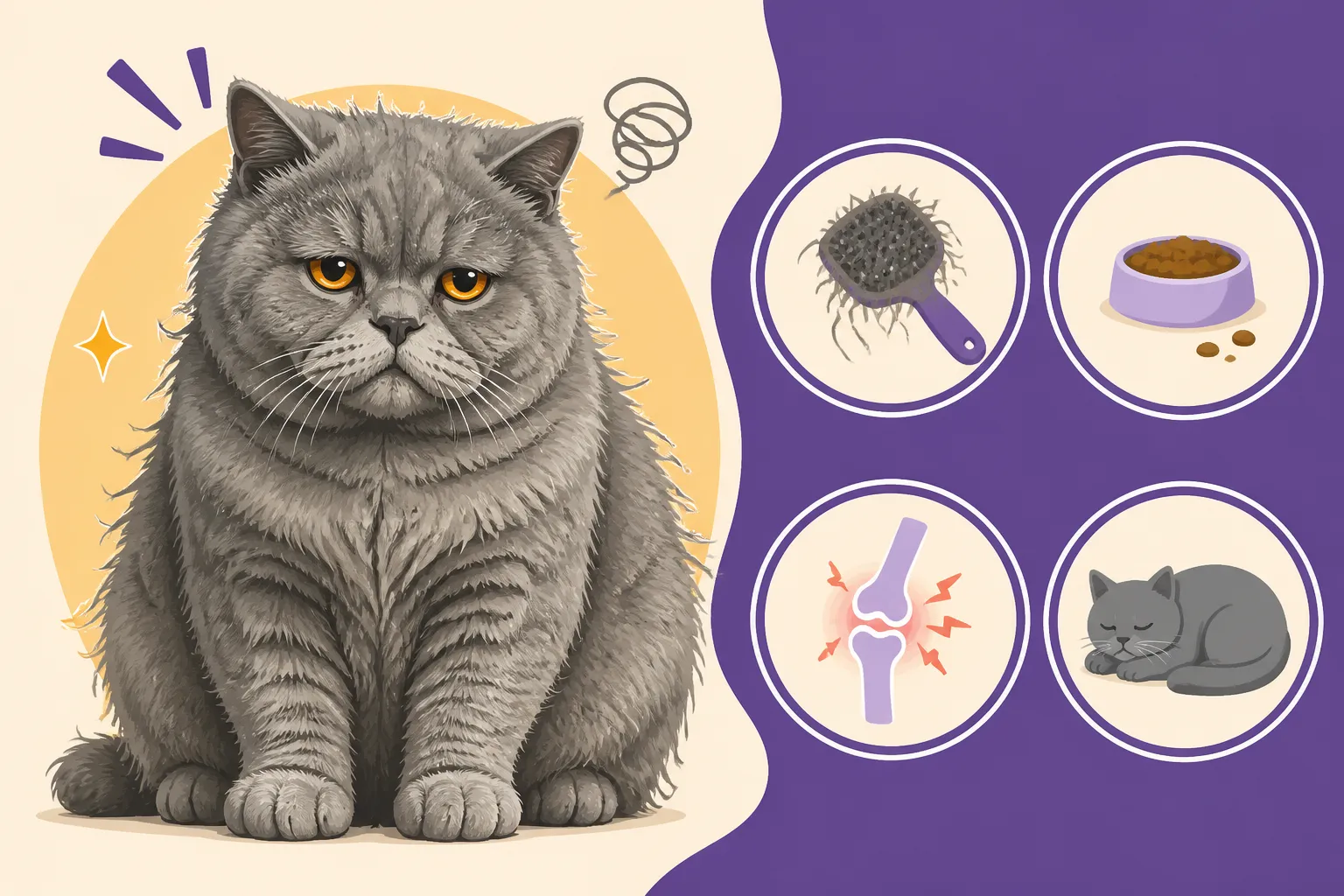
It’s a sight that can sneak up on you: your once perfectly prim and proper British Shorthair, who always looked like they just stepped out of a salon, is starting to look a little… disheveled. Their beautiful dense coat might be losing its crispness, looking duller, perhaps even matted in spots, especially around their hindquarters or under their chin. This isn't just a sign of laziness; it's often a distress signal from an aging feline. This guide will gently explore the many reasons why an old British Shorthair might start to look unkempt and, more importantly, what loving steps you can take to help them regain their comfort and dignity.
The British Shorthair's Pristine Image and Natural Grooming
The British Shorthair is renowned for its distinctive, plush coat and generally calm demeanor. For most of their lives, these cats are fastidious self-groomers, maintaining an immaculate appearance with little intervention from us. Understanding what a healthy BSH looks like helps us recognize when something is amiss.
The British Shorthair's Signature Coat
The defining characteristic of a British Shorthair is undoubtedly its magnificent coat. It’s incredibly dense, short, and stands away from the body, giving them that iconic teddy bear look. The texture is often described as "crisp" or "plush," with a thick undercoat that provides insulation and a soft, velvety feel. This unique structure usually means their fur resists matting better than longer-haired breeds, and it has a natural spring-back quality that helps it stay neat.
A healthy British Shorthair’s coat is naturally self-cleaning to a remarkable degree. Their diligent grooming habits distribute natural oils, remove loose fur, and keep their skin healthy. Their sturdy, cobby build, combined with surprising flexibility in their younger years, allows them to reach almost every part of their body, from the tips of their ears to the base of their tail. This natural ability is a cornerstone of their normally pristine appearance.
A Lifelong Commitment to Self-Grooming
Cats, by their very nature, are meticulous groomers. They spend a significant portion of their waking hours dedicated to keeping themselves clean. This isn’t just about aesthetics; grooming is a vital part of their health and well-being. It helps regulate body temperature, stimulates blood circulation, removes parasites and debris, and spreads essential oils to maintain skin and coat health. It's also a comforting, routine behavior that helps reduce stress and maintain mental equilibrium.
For a typical healthy, adult British Shorthair, their grooming routine is a quiet, almost meditative process. You’ll often see them meticulously licking their paws, then using them to wash their face, ears, and behind their head. They’ll arch and twist to reach their back, stretch to groom their flanks, and carefully clean their tail. Any deviation from this lifelong commitment is a strong indicator that something is interfering with their ability or desire to perform this essential self-care.
Physical Ailments Hindering Self-Care in Senior British Shorthairs
As our beloved British Shorthairs enter their golden years, their bodies inevitably undergo changes that can make the once-effortless act of grooming a painful or impossible task. It’s heartbreaking to see them struggle, but understanding the underlying physical issues is the first step toward providing comfort and care.
Arthritis and Joint Pain
One of the most common culprits behind an unkempt older British Shorthair is arthritis. Just like in humans, a cat’s joints can become stiff, inflamed, and painful with age. This makes simple movements, let alone the contortions required for thorough grooming, incredibly difficult. Imagine trying to reach your lower back or twist your spine when every movement sends a twinge of pain through your body. That's what many senior cats experience.
Stiffness in the spine, hips, and shoulders can severely limit their flexibility. They might not be able to bend sufficiently to reach their hindquarters, the base of their tail, or even parts of their back. You might notice mats developing in these hard-to-reach areas, along with dandruff or a generally greasy appearance where they can no longer properly distribute their natural oils. If you suspect your cat is suffering from joint pain, our article on Arthritis in an Older British Shorthair offers more detailed insights into symptoms and management.
Dental Disease and Oral Discomfort
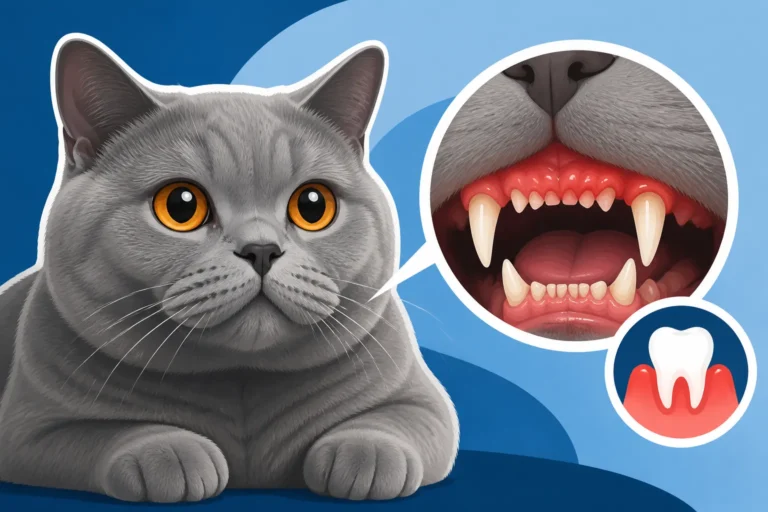
It's a silent suffering many cats endure: dental pain. They can't tell you their teeth hurt, but discomfort in their mouth can have a profound impact on their grooming habits. Conditions like Gingivitis in a British Shorthair, periodontal disease, or painful tooth resorptive lesions can make it agonizing for them to lick themselves. Grooming often involves licking their fur directly or using their paws to wipe their face, and if their gums or teeth are inflamed, this becomes a torturous task.
When a cat's mouth is sore, they might stop grooming their facial fur, leading to mats around their chin or cheeks. You might also notice drooling, bad breath, or a general reluctance to engage in any activity that involves their mouth, including eating hard kibble. Sometimes, the only way to know for sure is a vet check-up, as cats are masters at hiding pain.
Obesity and Reduced Flexibility
The British Shorthair is known for its round, cobby physique, which can sometimes make it difficult for owners to distinguish between a "chunky" cat and one that is genuinely overweight. Unfortunately, Obesity Is the British Shorthair's Real Disease, and it’s a significant factor in poor grooming in older cats. Excess weight directly impacts their physical flexibility, making it literally impossible for them to bend and reach certain areas of their body.
A thick layer of fat around their midsection makes it incredibly challenging to twist their spine or lift their legs high enough to groom their lower back, hindquarters, or the area around their tail. This is why you often see mats, greasy fur, or even urine and fecal staining in these specific regions on an overweight senior British Shorthair. Our article, Why an Overweight British Shorthair Stops Grooming Its Back, delves deeper into this particular struggle and its implications for their hygiene and health.
Other Medical Conditions
Beyond arthritis, dental issues, and obesity, several other medical conditions can contribute to an unkempt appearance in an older British Shorthair:
- Hyperthyroidism: While it might seem counterintuitive, an overactive thyroid can sometimes lead to a greasy, unkempt coat, even if the cat is still attempting to groom more frequently due to increased metabolic activity. The grooming efforts become less effective, and their fur can feel oily and appear scraggly.
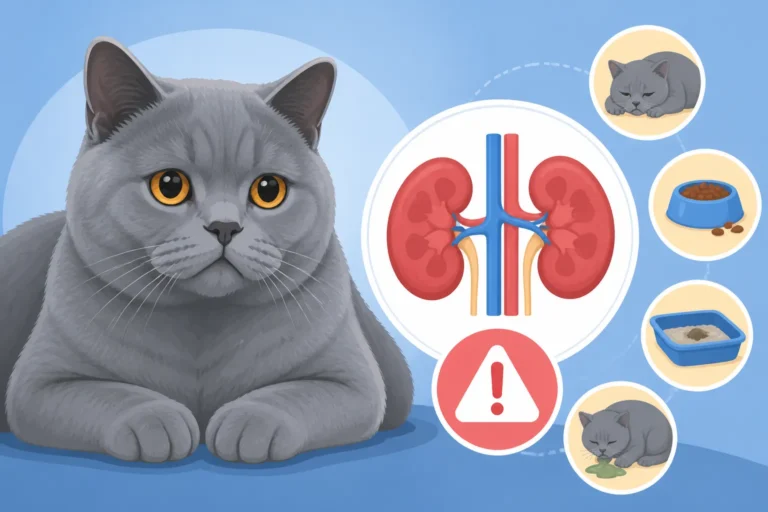
- Kidney Disease or Diabetes: These systemic illnesses can lead to general malaise, weakness, dehydration, and a poor appetite. A cat feeling unwell will simply lack the energy or motivation to maintain their meticulous grooming routine. Their coat might appear dull, dry, or brittle, or conversely, greasy due to a lack of proper oil distribution.
- Vision and Hearing Loss: As senses diminish, a senior cat might become less aware of their own appearance or surroundings. They might not notice that a patch of fur is matted or that they have debris on their coat, leading to reduced grooming efforts. This isn't a direct physical barrier but rather a sensory one.
Cognitive Decline and Behavioral Shifts
It’s not always just physical discomfort that leads to a disheveled look in older British Shorthairs. Sometimes, changes within their minds, often subtle but profound, can disrupt their ingrained habits and lead to a decline in self-care. It’s a natural, albeit difficult, part of the aging process that requires our empathy and understanding.
Fading Memory and Routine Changes
Just like humans, cats can experience cognitive decline as they age. This can manifest in ways similar to dementia, leading to confusion, disorientation, and a disruption of previously established routines. Your senior British Shorthair might simply "forget" to groom or their once-thorough routine becomes disorganized and incomplete. They might groom one spot excessively while neglecting others entirely.
This impact on cognitive function can lead to a general lack of self-awareness regarding their appearance. They may no longer recognize that their fur is matted or that they have debris clinging to their coat. The once-instinctive drive to be clean can diminish, leaving them looking perpetually untidy. This is a tough pill to swallow for owners who remember their cat's fastidious nature.
Depression, Anxiety, and Stress
Older cats are often creatures of habit, and any significant change or discomfort can lead to increased stress, anxiety, or even depression. A new pet, a change in furniture, the loss of a companion, or even just chronic pain can trigger emotional distress. This emotional turmoil can profoundly affect their grooming habits.
Some cats respond to stress by significantly reducing their grooming, leading to a dull, matted coat. They simply don't have the emotional energy or motivation to care for themselves. Others might resort to excessive grooming in one specific area (known as psychogenic alopecia) while neglecting other parts of their body, leading to an odd mix of bald spots and matted areas. It’s important to remember that these behaviors are often a cry for help.
Reduced Motivation and Energy Levels
Let's face it: getting old is tiring. And our British Shorthairs are no exception. As they age, their energy levels naturally decline, and they spend more time resting and sleeping. You'll likely notice that How Much an Aging British Shorthair Sleeps increases significantly. Grooming is an energy-intensive activity, requiring flexibility, stamina, and focus. For a senior cat, the effort required might simply outweigh their motivation.
They might prioritize conserving energy for eating, drinking, or simply finding a comfortable napping spot. A full, thorough grooming session becomes a monumental task they’re simply not up to. This general decline in activity and zest for life is a common part of What Changes in a British Shorthair After Ten, and it's a key reason why their coat might start to look neglected. They're not being lazy; they're genuinely experiencing the fatigue of old age.
How to Help Your Senior British Shorthair Stay Dapper
Seeing your once-immaculate British Shorthair look unkempt can be disheartening, but it’s an opportunity to step in and provide the extra care they now need. Our role as pet parents shifts as our cats age, moving from passive observers of their self-care to active participants in their well-being.
Stepping Up Your Grooming Routine
This is where you become your cat's personal groomer. Regular, gentle grooming sessions from you are no longer a luxury but a necessity.
- Regular Combing: This is paramount for an aging British Shorthair. Their dense undercoat can easily mat if neglected. Aim for daily, gentle combing sessions, even if just for a few minutes. A good quality metal comb with both fine and wide teeth is essential. Start with the wide teeth to gently loosen any tangles, then move to the finer teeth to remove loose undercoat. Pay special attention to areas they can’t reach, like their lower back, under the tail, and around their hind legs. Our guide, Whether an Aging British Shorthair Needs Combing More, provides specific techniques.
- Addressing Mats: If you find mats, resist the urge to pull them out. This is incredibly painful. For small, loose mats, you might be able to gently tease them apart with your fingers or the wide-toothed comb. For larger, tighter mats, especially those close to the skin, it’s best to seek professional help from a groomer or your vet, who can safely shave them out.
- Bathing: Most British Shorthairs aren't fond of water, but if their coat becomes excessively greasy, soiled, or impacted with mats, a gentle bath might be necessary. Use a cat-specific shampoo, ensure the water is lukewarm, and try to make the experience as calm and quick as possible. Follow up with thorough towel drying, and if your cat tolerates it, a low-heat blow dryer. However, regular combing should reduce the need for frequent bathing.
- Spot Cleaning: Keep unscented pet wipes handy for quick clean-ups, especially around their hindquarters if they struggle with bathroom hygiene due to mobility issues. This prevents painful urine scald or fecal matting.
Here's a quick reference for essential grooming tools for your senior British Shorthair:
| Tool | Purpose | Usage Frequency |
|---|---|---|
| Fine-toothed Metal Comb | Daily detangling, removing loose undercoat, checking for skin issues | Daily |
| Wide-toothed Metal Comb | Loosening larger mats, initial pass on dense fur | Daily (as needed) |
| Soft Bristle Brush (optional) | Gentle surface grooming, distributing oils, bonding | Several times a week |
| Cat-specific Nail Clippers | Keeping claws trimmed, preventing overgrowth (especially if less active) | Every 2-4 weeks |
| Unscented Pet Wipes | Spot cleaning, cleaning hindquarters if soiled | As needed |
Prioritizing Veterinary Care
Regular veterinary check-ups are absolutely non-negotiable for senior cats. They are masters at hiding pain and illness, so a vet is often the only one who can detect subtle changes before they become serious.
- Routine Check-ups: Ensure your senior British Shorthair has at least annual, and ideally bi-annual, wellness exams. These visits are crucial for early detection of conditions like arthritis, dental disease, hyperthyroidism, and kidney issues. Regular monitoring, including How Often an Old British Shorthair Needs Weighing, can flag problems before they seriously impact grooming or overall health.
- Pain Management: If arthritis or other painful conditions are diagnosed, discuss pain management options with your vet. There are many safe medications and supplements available that can significantly improve your cat's comfort and mobility, making grooming easier for them.
- Dental Care: Regular dental exams and professional cleanings under anesthesia are vital. Addressing painful dental issues will not only improve their comfort during grooming but also their overall health.
- Addressing Underlying Conditions: If your vet diagnoses conditions like hyperthyroidism, diabetes, or kidney disease, following their treatment plan diligently is crucial. Managing these illnesses will improve your cat's general well-being and energy levels, which in turn can bring back some of their natural grooming instincts.
- Pet Insurance: The costs associated with managing chronic conditions in senior cats can add up quickly. Consider pet insurance plans, such as those offered by Healthy Paws, which can help cover a significant portion of veterinary bills for ongoing treatments, pain medications, and diagnostics. It can provide immense peace of mind, allowing you to focus on your cat's health without the added financial stress.
Supportive Home Environment
Creating an environment that caters to your senior cat's changing needs can also make a big difference in their ability and willingness to self-groom.
- Comfortable Resting Spots: Ensure they have soft, comfortable beds in warm, easily accessible locations. If they enjoy elevated spots, provide ramps or steps to help them reach their favorite window perch or cat tree without painful jumps.
- Nutrition and Hydration: A high-quality diet appropriate for senior cats, possibly with joint supplements or increased moisture (like wet food), supports overall health, including skin and coat condition. Encourage hydration with fresh water bowls, filtered water fountains, and plenty of wet food. Adequate hydration is key for healthy skin and a supple coat.
- Litter Box Accessibility: Use low-sided litter boxes that are easy for an arthritic or less mobile cat to enter and exit. This reduces discomfort during elimination, minimizing the chance of soiling themselves and subsequent grooming challenges.
- Emotional Support: Provide consistent routines, gentle interactions, and a calm household environment to minimize stress and anxiety. A secure, loving home contributes significantly to a senior cat's mental well-being, which in turn can positively influence their grooming habits. Remember, Caring for an Old British Shorthair is a holistic journey that addresses their physical, mental, and emotional needs.
Disclaimer
This article is for general informational purposes only and does not constitute professional advice. Laws, prices and regulations vary by location and change over time. Consult a qualified professional for guidance on your specific situation.