Whether a British Shorthair Reacts to Vaccines
It's completely normal to feel a knot of anxiety in your stomach when it's time for your beloved British Shorthair's vaccinations. We all want the best for our chunky, purring companions, and the idea of them feeling unwell, even briefly, after a routine procedure can be quite stressful. This guide is here to walk you through everything you need to know about vaccine reactions in British Shorthairs, helping you understand the risks, how to minimize them, and what to do if your cat does experience a side effect, so you can make informed decisions for their well-being.
Understanding Vaccine Reactions in British Shorthairs
When we talk about vaccine reactions, it’s important to remember that vaccines, by their very nature, are designed to stimulate an immune response. This means that a cat's body is actively working to build immunity, and some mild, temporary signs are often just an indication that the vaccine is doing its job. However, sometimes these responses can be a bit more pronounced, or in very rare cases, serious. British Shorthairs are generally considered a robust breed, known for Whether a British Shorthair Is a Healthy Breed and often enjoying The Twelve to Seventeen Years a British Shorthair Gets, but like any cat, they aren't completely immune to vaccine reactions.
The sheer volume of information out there can be overwhelming, and separating common, expected reactions from something truly concerning can feel like navigating a maze. As responsible pet parents, we agonize over every twitch and purr, so understanding the spectrum of what can happen is key to staying calm and knowing when to act. It's not about being alarmist, but about being prepared and knowing what signals your British Shorthair might be sending you.
Common Vaccine Side Effects
Most vaccine reactions in cats, including our charming British Shorthairs, are mild and resolve on their own within a day or two. These are typically localized responses or general signs that their immune system is working hard.
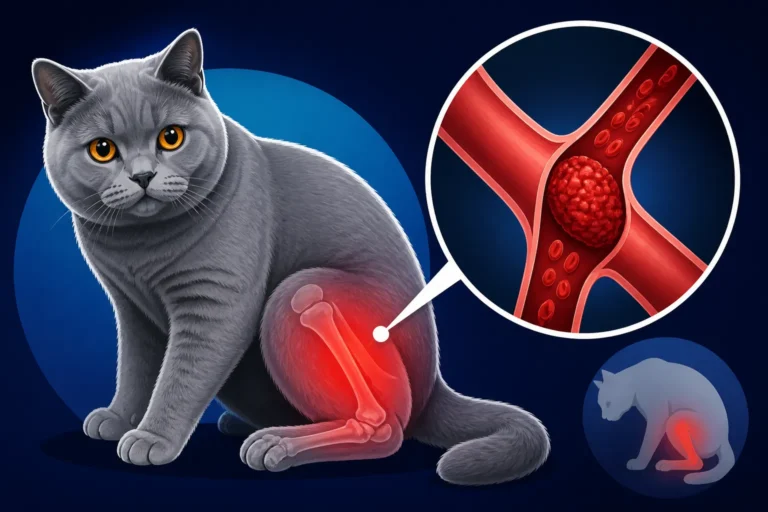
You might notice a bit of tenderness or swelling at the injection site. This is much like how we might feel a sore arm after a flu shot. Your British Shorthair might not want you to touch that particular spot, or they might hold their leg a little awkwardly if the injection was given there. This mild discomfort is usually temporary and often fades within 24-48 hours. It's a localized inflammatory response, which is a normal part of the immune system kicking into gear. Sometimes, you might even feel a small, firm lump under the skin at the site. These usually disappear on their own, but if one persists for more than a few weeks or grows, it's always worth mentioning to your vet.
Beyond the injection site, it's pretty common for your British Shorthair to be a little subdued, perhaps even lethargic, for a day or so after vaccination. They might seem more tired than usual, preferring to nap in their favorite sunny spot rather than engage in a vigorous play session. A slight decrease in appetite is also not uncommon; they might pick at their food or skip a meal. Some cats might even run a very mild fever, though this is often not outwardly apparent to owners unless you’re specifically taking their temperature. These systemic signs are generally short-lived and usually indicate that their body is doing exactly what it's supposed to do: mounting an immune response. It’s important to give them a quiet, comfortable space to rest and recover during this time.
More Serious But Rare Reactions
While the common side effects are usually nothing to worry about, it's crucial to be aware of the signs of more serious, albeit rare, vaccine reactions. These reactions require immediate veterinary attention.
Anaphylaxis is the most severe type of allergic reaction and, thankfully, is extremely rare. This is an acute, life-threatening emergency. Signs of anaphylaxis can appear very quickly after vaccination, sometimes within minutes, but generally within a few hours. These can include sudden weakness, collapse, difficulty breathing, profuse vomiting, diarrhea, or even tremors. You might notice their gums are pale or their breathing is rapid and shallow. If you observe any of these symptoms, you need to get your British Shorthair to an emergency vet immediately. Every second counts in these situations.
Other, less severe but still concerning allergic reactions might manifest as facial swelling, often around the eyes or muzzle, or generalized hives which can be hard to see under a British Shorthair's dense coat but might be felt as bumps. Intense itching can also be a sign. Some cats might experience persistent vomiting or diarrhea that goes beyond a single episode of mild nausea. These signs, while not immediately life-threatening like full-blown anaphylaxis, still warrant an urgent call to your veterinarian. Early intervention can prevent them from escalating and ensure your cat receives appropriate treatment, such as antihistamines or corticosteroids.
Then there's the very rare, but often discussed, injection site sarcoma. This is a type of aggressive cancer that can develop at the site of any injection, not just vaccines, though vaccines are the most commonly implicated. While British Shorthairs are not uniquely predisposed, it's a concern for all cats. Veterinarians are very aware of this risk and have protocols in place to minimize it, such as injecting vaccines in specific, easily identifiable, and accessible locations (like a distal limb or the tail) so that if a tumor were to develop, it could be more easily removed with wide margins. The general consensus is that the risk of injection site sarcoma is incredibly low compared to the very real and high risks of the diseases vaccines protect against. This is why vigilance regarding any persistent or growing lump at an injection site is important, ensuring you mention it during your cat's annual What a British Shorthair's Yearly Bloodwork Should Cover and check-up.
Factors Influencing a British Shorthair's Vaccine Response
Just like people, not all cats respond to vaccines in exactly the same way. Several factors can play a role in how your British Shorthair's body reacts to vaccination, and understanding these can help you and your vet tailor the best vaccination plan. It’s not a one-size-fits-all approach, especially when dealing with the unique physiology and temperament of our beloved British Shorthairs.
The health status of your cat, their age, and even the type of vaccine administered can all contribute to how they feel afterwards. For example, a young, healthy kitten might bounce back quickly, while an older cat with a subtle underlying condition might take a bit longer to recover. It’s about assessing the individual, not just the breed.
Age and Health Status
A British Shorthair's age plays a significant role in how they might respond to vaccinations. Kittens, with their developing immune systems, receive a series of vaccinations to build robust immunity. Their reactions are usually mild, similar to those of adult cats, but sometimes a young kitten might seem a bit more tired or less playful. As your British Shorthair grows into adulthood, their immune system matures, and they typically handle vaccinations well. However, for Caring for a British Shorthair Past Ten or reaching The Age a British Shorthair Is Considered Senior, their immune system can start to decline, or they might have underlying health issues that need to be taken into account.
Any pre-existing health conditions can also influence vaccine response. For instance, a British Shorthair with an undiagnosed heart condition, like HCM in a British Shorthair Has No DNA Test, or those prone to conditions like Whether an Overweight British Shorthair Gets Diabetes if obesity isn't managed, might have a different tolerance level. It is absolutely paramount that your British Shorthair undergoes a thorough health check-up with your veterinarian before any vaccinations. Your vet will listen to their heart, check their overall body condition, and discuss any changes in behavior or health you've observed. This comprehensive assessment helps ensure your cat is healthy enough to receive vaccines and allows your vet to make informed decisions about which vaccines are necessary and how best to administer them. If your vet has concerns, they might suggest postponing vaccination or opting for a different type of vaccine.
Type of Vaccine and Administration
Not all vaccines are created equal, and the type of vaccine used can influence the likelihood and severity of reactions. Generally, vaccines are categorized as "core" and "non-core." Core vaccines are recommended for all cats, regardless of lifestyle, due to the widespread nature and severity of the diseases they protect against (e.g., FVRCP – Feline Viral Rhinotracheitis, Calicivirus, Panleukopenia, and Rabies). Non-core vaccines are recommended based on a cat's lifestyle and risk of exposure (e.g., Feline Leukemia Virus vaccine for outdoor cats or those living with FeLV-positive cats).
Within these categories, vaccines can also be differentiated by how they're prepared: modified live virus (MLV) vaccines or killed virus vaccines. Killed vaccines often contain adjuvants, which are substances added to enhance the immune response. While effective, adjuvants have been theoretically linked to a slightly higher risk of injection site reactions, including the extremely rare injection site sarcoma mentioned earlier. For this reason, many vets prefer to use non-adjuvanted vaccines, especially for diseases like rabies, or limit the use of adjuvanted vaccines to specific sites to minimize risk.
The method and location of vaccine administration are also crucial. For many years, vaccines were routinely given between the shoulder blades. However, to mitigate the tiny risk of injection site sarcomas, veterinary guidelines now often recommend administering vaccines in specific, easily accessible, "distal" sites, such as the lower part of a limb or the tail. This means that, in the incredibly rare event a sarcoma develops, amputation of the affected limb or tail might be a viable, life-saving option, whereas a tumor between the shoulder blades would be much more challenging to treat. Your vet will follow these best practices to ensure your British Shorthair receives their vaccines as safely as possible. Always feel free to ask your vet about the specific vaccines they are recommending and why.
Minimizing Risks and What to Do If a Reaction Occurs
The thought of your British Shorthair having a bad reaction to a vaccine is unsettling, but there are many proactive steps you can take to minimize those risks and ensure you know exactly what to do if a reaction does occur. Being prepared means you can focus on your cat's comfort and swift recovery, rather than scrambling in a moment of worry.
It's all about working closely with your veterinarian, asking questions, and being observant. Think of yourself as an active participant in your British Shorthair's healthcare journey, which truly you are!
Preparing for Vaccination Day
Open communication with your veterinarian is your best defense against unexpected issues. Before your British Shorthair’s vaccination appointment, make sure to discuss any past vaccine reactions they may have had, any known allergies, or any current health concerns, no matter how minor they seem. If your cat has a history of even mild reactions, your vet might suggest a different vaccine protocol, such as pre-treating with antihistamines or spreading out multiple vaccinations over several visits rather than giving them all at once. For example, if your British Shorthair needs their core FVRCP and rabies vaccines, your vet might recommend administering them on separate days or weeks apart to reduce the immune system's load and help you identify which vaccine might be causing a reaction if one occurs.
On the day of the appointment, observe your British Shorthair closely. Is their appetite normal? Are they active and playful, or are they already a bit under the weather? If they seem unwell, even slightly, it’s best to postpone the vaccination and let your vet assess their health first. It’s also wise to keep your British Shorthair calm and comfortable immediately after vaccination. Avoid any strenuous activity or major changes to their routine. Provide a quiet, warm place for them to rest. Many owners find it helpful to schedule vaccinations for a day when they can be home to observe their cat for the first 12-24 hours. This allows you to monitor for any unusual symptoms and quickly respond if needed. If you're generally concerned about their reaction to medical procedures, you might even look into how Whether a British Shorthair Tolerates Anesthesia for other procedures, as some cats are simply more sensitive.
When to Seek Veterinary Attention
Knowing when to call the vet versus when to just monitor is crucial. For mild side effects like a little lethargy, decreased appetite, or slight soreness at the injection site, simply providing comfort and observing your British Shorthair for 24-48 hours is usually sufficient. However, if these mild symptoms persist beyond 48 hours, or if they seem to worsen, it’s time to call your vet. It’s always better to err on the side of caution.
More serious signs, as discussed earlier, demand immediate veterinary attention. This includes:
- Severe vomiting or diarrhea (more than one or two episodes, or containing blood).
- Difficulty breathing (rapid, shallow, or labored breathing, open-mouth breathing).
- Sudden weakness or collapse.
- Facial swelling, hives, or intense itching.
- Persistent pain or swelling at the injection site that is growing or seems unusually large.
- Any change in mentation or behavior that is profoundly out of character for your British Shorthair, such as disorientation or unresponsiveness.
Do not wait to see if these severe symptoms improve on their own. Call your vet, or the nearest emergency veterinary clinic, right away. Describe your cat's symptoms clearly and let them guide you on the next steps. They might advise you to come in immediately or provide instructions for at-home care. Having pet insurance, like a plan from Healthy Paws, can provide immense peace of mind in these stressful situations, as emergency vet visits and unexpected treatments can be costly. Knowing that a significant portion of the bill might be covered allows you to focus solely on your British Shorthair's health without the added financial strain. A good insurance policy, such as those from Healthy Paws, is an invaluable tool for any pet parent, covering not just accidents but also illnesses that might arise, whether related to vaccines or not.
| Reaction Type | Signs to Watch For | Duration | Action Needed |
|---|---|---|---|
| Common/Mild | Mild lethargy, reduced appetite | 1-2 days | Monitor at home, provide comfort, encourage rest |
| Slight soreness/swelling at injection site | 1-2 days | Monitor; if persistent >48h or growing, call vet | |
| Mild fever (rarely noticeable by owner) | 1 day | Monitor at home | |
| Moderate/Concerning | Persistent vomiting/diarrhea (>2 episodes) | >24 hours | Call vet for advice |
| Facial swelling, hives, intense itching | Immediate | Call vet immediately for evaluation | |
| Large, painful, or rapidly growing lump at injection site | Days/Weeks | Consult vet promptly | |
| Severe/Emergency | Difficulty breathing, open-mouth breathing | Immediate | Emergency Vet IMMEDIATELY |
| Sudden weakness, collapse, unresponsiveness | Immediate | Emergency Vet IMMEDIATELY | |
| Pale gums, rapid heart rate | Immediate | Emergency Vet IMMEDIATELY | |
| Seizures, tremors | Immediate | Emergency Vet IMMEDIATELY |
The Importance of Vaccination for British Shorthair Health
Despite the potential for mild reactions, and the very rare chance of a serious one, the overwhelming consensus among veterinary professionals is that vaccinating your British Shorthair is one of the most important things you can do to protect their health and ensure they live a long, happy life. The diseases that vaccines protect against are often severe, highly contagious, and can be fatal.
It’s easy to focus on the small potential risks, but it’s crucial to remember the much larger risks associated with not vaccinating. The peace of mind that comes from knowing your British Shorthair is protected against common, devastating illnesses far outweighs the minor, temporary discomfort they might experience.
Protecting Against Deadly Diseases
Vaccines are truly marvels of modern veterinary medicine, offering protection against a host of highly dangerous feline diseases. Let's consider some of the core ones:
- Feline Panleukopenia (FPLV): Often called feline distemper, this is a highly contagious and often fatal viral disease that attacks rapidly dividing cells, especially in the bone marrow, intestines, and brain. Kittens are particularly susceptible, and unvaccinated cats, if they contract it, have a very poor prognosis.
- Feline Viral Rhinotracheitis (FVR) and Feline Calicivirus (FCV): These two viruses are the primary causes of "cat flu" or upper respiratory infections. While not always fatal, they can cause severe illness, chronic sneezing, eye discharge, and mouth sores, significantly impacting a cat's quality of life. Young, old, or immunocompromised British Shorthairs can suffer greatly.
- Rabies: This is a fatal neurological disease that can affect all warm-blooded animals, including humans. Vaccination against rabies is not just recommended but legally required in many areas due to its public health implications.
- Feline Leukemia Virus (FeLV): This is a serious, often fatal retrovirus that can cause various cancers, immune suppression, and anemia. While a non-core vaccine, it's highly recommended for any British Shorthair who might have exposure to other cats, even if they are primarily indoors, as escape can happen, or new cats may be introduced.
Without vaccination, your British Shorthair would be vulnerable to these debilitating and potentially deadly illnesses, which would not only cause immense suffering for them but also significant emotional and financial stress for you. This commitment to preventative care is part of the overall cost of What a British Shorthair Costs to Buy in 2026 and own, but it's an investment in their longevity. For a rescue British Shorthair, knowing their vaccine history or ensuring they get appropriate vaccinations is a key part of their new life. You'd certainly want to ask Whether a Rescue British Shorthair Has Been Scanned for other health issues, and vaccination history falls into that same category of vital information.
Weighing the Benefits Against the Risks
When you weigh the statistical rarity of severe vaccine reactions against the very real and significant threat of contracting preventable, often fatal diseases, the benefits of vaccination far outweigh the risks. The majority of British Shorthairs experience no adverse effects or only mild, temporary discomfort that resolves quickly.
Vaccines also contribute to "herd immunity" or "community immunity." When a high percentage of cats in a population are vaccinated, it reduces the spread of disease, offering a degree of protection even to those who cannot be vaccinated (such as very young kittens or cats with certain medical conditions). This collective protection is vital for the health of all felines. So, by vaccinating your British Shorthair, you're not just protecting your own beloved pet, but you're also playing a part in safeguarding the wider feline community.
Of course, vigilance and communication with your vet are key. If you have concerns about vaccine protocols, especially regarding your British Shorthair's specific health needs, don't hesitate to discuss them. Your veterinarian can help you understand the specific risks and benefits for your individual cat and create a personalized vaccination schedule. After all, your vet is your partner in ensuring your British Shorthair enjoys a long, healthy, and happy life. Knowing the signs a British Shorthair is unwell in general can help you distinguish between a vaccine reaction and something else.
Disclaimer
This article is for general informational purposes only and does not constitute professional advice. Laws, prices and regulations vary by location and change over time. Consult a qualified professional for guidance on your specific situation.