How Much PKD Is Left in the British Shorthair
It's incredibly disheartening when you bring a beautiful British Shorthair into your home, only to discover there might be a silent threat lurking in their genes: Polycystic Kidney Disease, or PKD. This inherited condition can cause so much worry for owners, especially knowing how dedicated breeders have been to removing it from the breed. This guide is here to shed light on exactly how much PKD is left in the British Shorthair population, the strides made in its eradication, and what you, as a loving owner, need to know to protect your furry companion.
Understanding Polycystic Kidney Disease in British Shorthairs
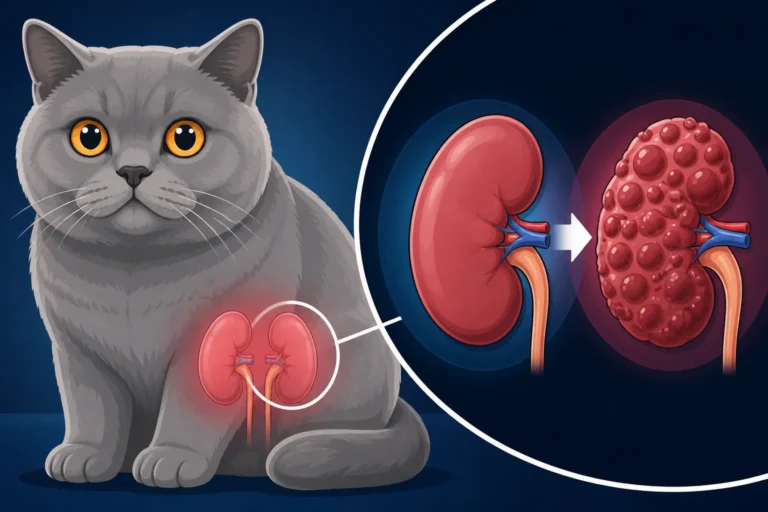
Polycystic Kidney Disease (PKD) is a progressive genetic disorder that leads to the formation of multiple fluid-filled cysts in the kidneys. These aren't just a few harmless bubbles; over time, these cysts grow in size and number, eventually crowding out healthy kidney tissue and impairing kidney function. It's a condition that can cause significant distress and ultimately lead to kidney failure if left unmanaged. For British Shorthair owners, understanding this disease is the first step in ensuring your cat lives a long, healthy life.
How PKD Cysts Damage a British Shorthair's Kidney
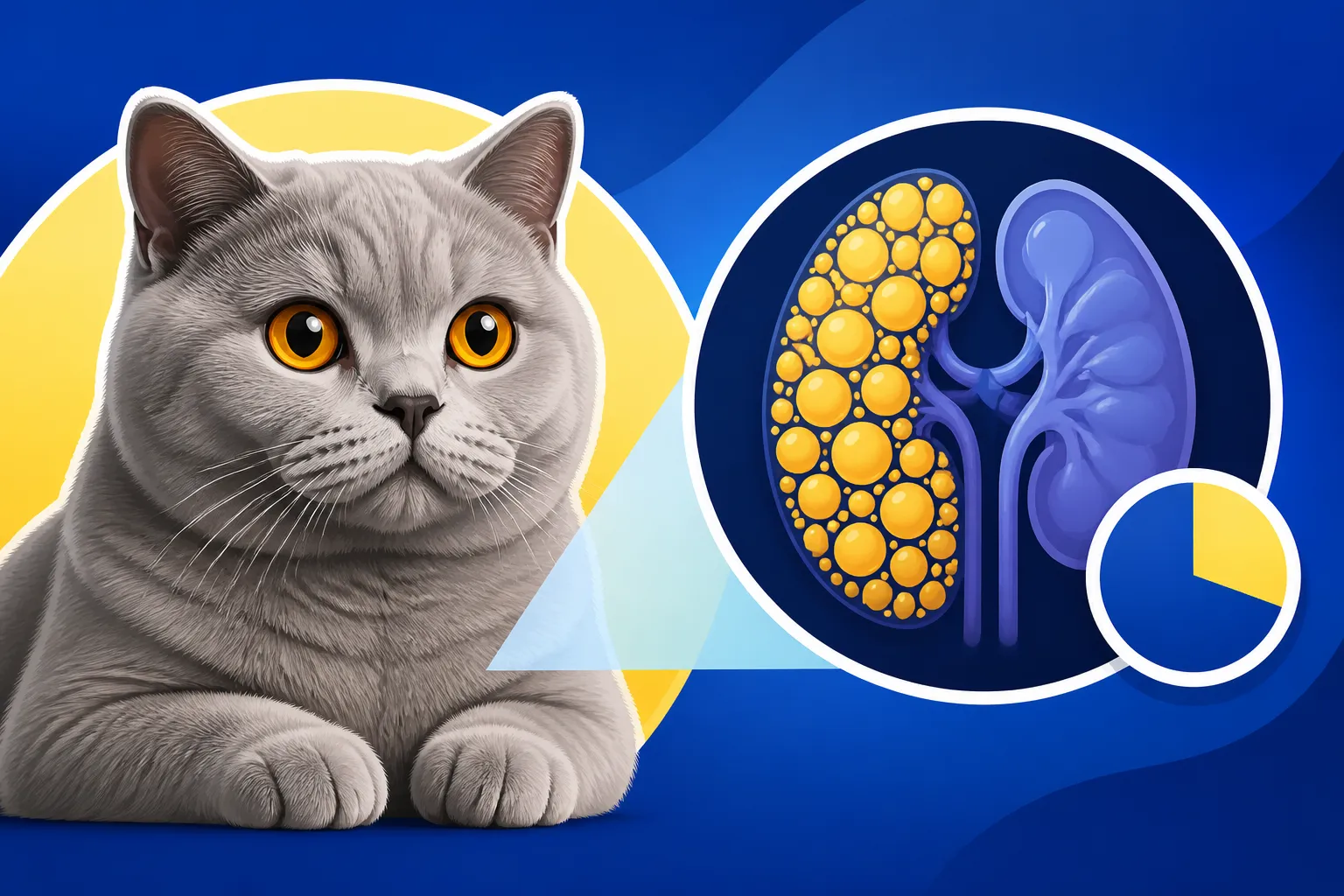
Imagine your cat's kidneys, usually smooth and efficient organs, gradually becoming riddled with internal balloons. That's essentially what happens with PKD. These cysts start tiny, sometimes microscopic, and are present from birth. However, they slowly but relentlessly enlarge as the cat ages. As they expand, they compress and replace the vital kidney tissue responsible for filtering waste products from the blood and maintaining fluid balance. This progressive destruction leads to a decline in kidney function.
Initially, a cat with PKD might show no symptoms at all, which is why it can be such a stealthy threat. The disease progresses at varying rates in different cats, but eventually, the kidneys simply can't keep up with their demanding job. This is when signs of Signs a British Shorthair's Kidneys Are Failing might appear, such as increased thirst, more frequent urination, lethargy, poor appetite, and weight loss. The slow, insidious nature of PKD means that by the time these clinical signs become obvious, a significant amount of kidney damage has often already occurred, leaving fewer treatment options.
How Polycystic Kidney Disease Reached the British Shorthair
The story of how PKD came to the British Shorthair breed is a tale of unintended consequences from historical breeding practices. PKD wasn't always rampant in British Shorthairs. The gene for PKD originated primarily in Persian cats, a breed known for its distinctive flat face and luxurious coat. After the World Wars, the British Shorthair gene pool suffered significantly, and breeders in the UK and Europe faced the daunting task of rebuilding the breed's numbers and strengthening its characteristics.
To achieve this, some breeders made the difficult but necessary decision to outcross British Shorthairs with other breeds, most notably Persians. The goal was to reintroduce certain desired traits, such as a more cobby body and a rounder head, which had been somewhat lost during the war years. While these outcrosses helped save the British Shorthair, they inadvertently introduced the PKD gene into the breed. It was a trade-off born of necessity, but one that left a lasting legacy of vigilance against this inherited disease. Learning Polycystic Kidney Disease Came Into the British Shorthair With the Persians helps us appreciate the historical context and the immense efforts that have gone into addressing this issue since then.
The Eradication Effort: Progress and Remaining Challenges
For many years, diagnosing PKD relied on ultrasound scans, which could detect cysts once they reached a certain size. While helpful, this method meant breeders might not know a cat carried the gene until it had already produced offspring, potentially passing the gene on. The real game-changer in the fight against PKD was the development of a specific DNA test, allowing breeders to definitively identify affected cats and carriers before breeding.
The Impact of the PKD1 DNA Test
The introduction of the Whether the PKD1 DNA Test Covers British Shorthairs for the PKD1 gene revolutionized breeding programs. This genetic test identifies the presence of the dominant gene responsible for Polycystic Kidney Disease. A single copy of this gene is enough to cause the disease, and crucially, it means the cat will pass it on to 50% of its offspring. This simple, non-invasive test, usually performed on a cheek swab, provides a clear "PKD Negative" or "PKD Positive" result.
This allowed responsible British Shorthair breeders to make informed decisions, removing PKD-positive cats from their breeding programs and meticulously selecting only PKD-negative cats for breeding. This proactive approach has been incredibly effective. Instead of waiting for cysts to appear on an ultrasound – which can often be later in a cat's life, around The Age PKD Shows in a British Shorthair – the DNA test offers certainty from kittenhood. It's a testament to the dedication of the British Shorthair community that this test has been so widely adopted.
How Much PKD Is Left in the British Shorthair
Thanks to widespread DNA testing and the diligent efforts of ethical breeders, the prevalence of PKD in the British Shorthair breed has dramatically decreased over the last two decades. While it's difficult to give an exact percentage that is perfectly up-to-the-minute across all regions, the consensus among veterinary geneticists and breed clubs is that PKD is now considered rare in well-bred British Shorthairs. Many reputable catteries can confidently state that their breeding lines are entirely PKD negative.
However, "rare" doesn't mean "non-existent." There are still instances where the gene might surface, particularly in less rigorously screened lines or in cats from backyard breeders who do not perform the necessary health checks. Isolated cases can also occur if a breeder hasn't tested recently, or if they acquired a cat from a line where testing wasn't universally applied. While the vast majority of British Shorthairs from reputable sources are now free of the PKD gene, continued vigilance is paramount. We can't become complacent, even with such significant progress.
Why Some Lines Might Still Carry It
Despite the success of DNA testing, a few factors can contribute to the persistence of PKD in some British Shorthair lines. Firstly, there's the issue of less scrupulous breeders who may not invest in genetic testing. These individuals might breed cats without knowing their PKD status, inadvertently perpetuating the gene. Secondly, some breeding animals that were positive for PKD might have been retired from breeding but still exist in pedigrees, meaning their offspring, if not tested, could carry the gene.
Another challenge can arise from outcross programs, even well-intentioned ones, if the outcrossed lines were not thoroughly screened. While the initial Persian outcrosses introduced the gene, any subsequent introductions of new genetics without proper screening could reintroduce or maintain it. It really underscores the importance of breeders not only testing their own cats but also understanding the genetic history of any cats they bring into their program. Organizations like Healthy Paws, while an insurance provider, champion comprehensive health screening, which in turn encourages breeders to be transparent about genetic conditions like PKD, ultimately contributing to healthier lines.
Protecting Your British Shorthair: Testing and Management
For current and prospective British Shorthair owners, knowing about PKD can feel overwhelming, but there are clear steps you can take to ensure your cat's health. The best defense is always a good offense, and when it comes to inherited conditions, that means proper screening.
Whether a British Shorthair Should Be PKD Tested
For any British Shorthair purchased from a reputable breeder, the answer is usually that the cat already has been PKD tested as part of the breeder's standard health panel. A responsible breeder will be able to show you clear documentation that both parents, and ideally your kitten, are PKD negative. This is part of What a British Shorthair Breeder Should Have Tested. If you're acquiring a British Shorthair from a rescue or an unknown background, and especially if you plan to breed, then yes, your cat absolutely should be PKD tested. The DNA test is a one-time test, and a negative result means your cat will never develop the genetic form of PKD and cannot pass it on.
It’s crucial to understand the difference between a screening for a genetic disease like PKD and general wellness checks. While yearly vet visits are essential, and should include What a British Shorthair's Yearly Bloodwork Should Cover to monitor kidney function, these tests can only detect kidney disease once it has started to manifest, not predict it. For genetic conditions like PKD, the DNA test is the gold standard for prevention and peace of mind.
How a British Shorthair's Kidney Ultrasound Is Performed
While the DNA test is ideal for pre-breeding screening, an ultrasound still plays a vital role, especially for older cats of unknown genetic history or those showing signs of kidney issues. A kidney ultrasound is a non-invasive procedure where a veterinarian or a specialist (like a veterinary radiologist or cardiologist for more complex cases) uses an ultrasound probe to visualize the kidneys. The cat is typically gently restrained, often lying on its back in a comfortable trough, and the fur over its abdomen might be clipped and ultrasound gel applied to improve contact.
The technician or vet will then move the probe over the abdominal area, and sound waves will create real-time images of the kidneys on a screen. They look for the presence and size of cysts. This method can detect cysts from about 6-8 months of age, but sometimes they may not be visible until later. For cats that are symptomatic, an ultrasound can help determine the severity of the disease and rule out other causes of kidney issues, giving veterinarians a clearer picture of How PKD Cysts Damage a British Shorthair's Kidney and its progression. The cost of What a British Shorthair Kidney Ultrasound Costs can vary, but it's an invaluable diagnostic tool.
Managing a British Shorthair with Kidney Disease
If a British Shorthair is diagnosed with PKD, either through genetic testing (meaning they will develop it) or through an ultrasound revealing cysts that are already impacting kidney function, the focus shifts to management to slow the progression and maintain quality of life. There's no cure for PKD, but its effects can often be mitigated. The cornerstone of managing kidney disease in cats, including PKD, is usually a specialized renal diet. These diets are typically lower in protein, phosphorus, and sodium, and often supplemented with omega-3 fatty acids, all designed to reduce the workload on the kidneys and minimize further damage.
Beyond diet, your vet might recommend medications to manage symptoms like nausea, blood pressure issues, or anemia, which are common complications of kidney disease. Ensuring constant access to fresh water is also crucial, and some cats benefit from subcutaneous fluids administered at home to prevent dehydration. Regular veterinary check-ups, often every 3-6 months, are vital to monitor kidney function through blood and urine tests and adjust the treatment plan as needed. While the diagnosis can be daunting, with dedicated care, many cats with PKD can still live comfortably for years. Insurance providers like Healthy Paws can often help alleviate the financial burden of ongoing treatment for chronic conditions like kidney disease, allowing owners to provide the best possible care.
Looking Ahead: The Future of PKD in the British Shorthair Breed
The journey to eliminate PKD from the British Shorthair breed has been a significant success story in feline health, largely due to the widespread adoption of DNA testing and the commitment of responsible breeders. However, the work isn't entirely done.
Continued Vigilance and Ethical Breeding Practices
Even with the low current prevalence, continued vigilance is absolutely key. Reputable British Shorthair breeders will persist in routinely testing all breeding cats for the PKD1 gene and will only breed PKD-negative animals. They understand that a single lapse in testing could potentially reintroduce the gene into otherwise clear lines. Prospective owners should always ask to see official health certificates for both parents, confirming their PKD-negative status, along with other important tests covered in What a British Shorthair Breeder Should Have Tested. If a breeder seems hesitant or can't provide documentation, it's a significant red flag.
Ethical breeding also involves transparency. Breeders should be open about their health screening protocols and willingly discuss the health history of their cattery. They should also be aware of the genetic history of their lines, ensuring no untested ancestors could potentially carry the gene. This proactive and transparent approach is what safeguards the breed's health for future generations.
Community Responsibility and Support
The British Shorthair community, from individual pet owners to large breed clubs, plays a collective role in ensuring PKD remains a rare disease. For pet owners, this means choosing a kitten from a breeder who can provide verifiable health clearances. It also means advocating for health testing and being informed about inherited diseases. If you ever have questions or concerns, don't hesitate to consult your veterinarian or trusted breed associations.
For those involved in rescue, understanding Whether a Rescue British Shorthair Has Been Tested for PKD is important. While rescues do incredible work, they often have limited information on a cat's background, so testing can be a wise step for new owners. Moreover, supporting organizations that fund genetic research and education about feline health helps advance our collective knowledge and further protect our beloved British Shorthairs from preventable suffering. This ongoing commitment by the entire community ensures that our furry companions can continue to enjoy their long, happy lives, free from the shadow of PKD.
British Shorthair PKD Testing Overview
| Feature | DNA Test (PKD1 Gene) | Ultrasound |
|---|---|---|
| Purpose | Identifies the genetic mutation causing PKD | Visualizes kidney structure and presence of cysts |
| Best For | Pre-breeding screening, definitive genetic status | Diagnosing actual cyst formation, assessing kidney damage |
| Age of Detection | From kittenhood (any age) | Usually 6-8 months, but can be later |
| Result | PKD Negative or PKD Positive | Presence/absence of cysts, their size, and number |
| Invasiveness | Non-invasive (cheek swab) | Non-invasive (requires clipping fur, gel) |
| Cost | Generally lower (one-time fee for the test) | Higher (requires veterinary expertise and equipment) |
| Implication | Predicts future disease, prevents passing gene | Confirms current disease state, guides management |
Disclaimer
The information provided in this article is intended for general informational purposes only and does not constitute veterinary advice. Always consult with a qualified veterinarian for any health concerns or before making any decisions related to your pet's health and treatment.