Why Blood Type Matters for a British Shorthair Transfusion
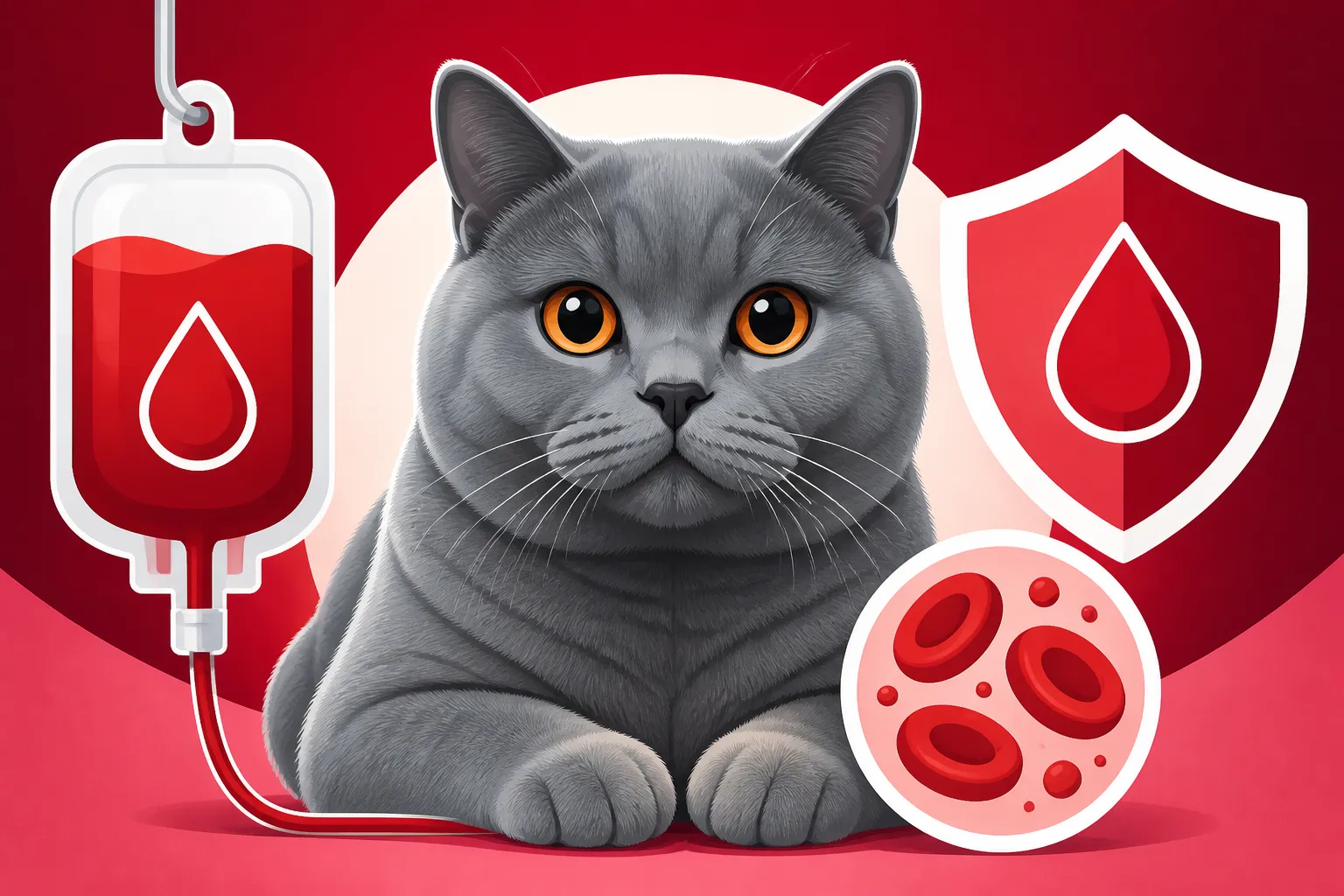
It’s a terrifying thought: your beloved British Shorthair is facing a medical emergency, perhaps after an accident or a sudden illness, and the vet tells you they need a blood transfusion. In that moment of panic, you might assume that cat blood is just, well, cat blood. But here's a stark reality many pet parents aren't aware of: a British Shorthair's blood type is incredibly important, and giving them the wrong type of blood can be fatal. This guide will walk you through exactly why your British Shorthair's blood type matters for transfusions and how you can be prepared for such an emergency.
The Unique Blood Types of British Shorthairs and All Cats
You might be surprised to learn that cats, just like humans, have different blood types. This isn't just a minor detail; it's a critical piece of information that can literally mean the difference between life and death in an emergency. Ignoring it could trigger a severe, life-threatening reaction, which is the last thing you want when your British Shorthair is already fighting for their life.
Understanding the Feline AB System
The feline blood typing system, known as the AB system, is simpler than the human ABO system, but no less vital. There are three main blood types for cats: Type A, Type B, and Type AB. Most domestic cats globally are Type A. Type A cats have naturally occurring anti-B antibodies in their plasma, but these are generally weak. Type B cats, however, are a different story. They possess very strong anti-A antibodies, and these antibodies are incredibly potent. Then there's the rare Type AB, which has neither strong anti-A nor anti-B antibodies.
These antibodies are the body's natural defense mechanism, designed to attack and destroy any foreign blood cells that enter the system. It's like having a tiny, vigilant army constantly patrolling your cat's bloodstream, ready to identify and neutralize threats. When it comes to transfusions, these armies are programmed to see incompatible blood types as a massive invasion, leading to disastrous consequences if not properly respected.
The British Shorthair's Predisposition to Type B
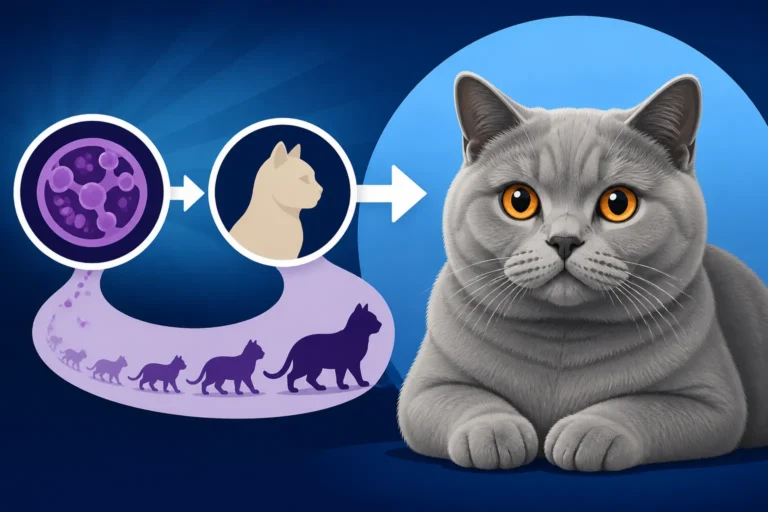
Here’s where it gets particularly crucial for British Shorthair owners: this wonderful breed has a significantly higher prevalence of Type B blood compared to many other cat breeds. While in the general cat population, Type B might be found in less than 5% of cats, studies show that in British Shorthairs, this number can be much, much higher, sometimes reaching 25-50% depending on the region and breeding lines. This means that if you own a British Shorthair, there's a real and tangible chance they could be Type B.
This genetic predisposition makes blood typing an absolute must for British Shorthairs, especially if they might ever need a transfusion. It's not a rare, obscure test; it's a fundamental piece of information for responsible ownership. You can learn more about What Blood Type B Means in a British Shorthair and How Many British Shorthairs Are Blood Type B in our other articles, which delve deeper into this breed-specific trait. Knowing that your British Shorthair has a higher chance of being Type B means you cannot afford to skip this knowledge in an emergency.
The Deadly Consequences of Mismatched Transfusions
The stakes are incredibly high when it comes to blood transfusions in cats. If a cat receives the wrong blood type, the consequences are immediate and often fatal. This isn't just a minor setback; it's a critical error that can cause rapid system failure. It's one of those silent dangers that responsible pet owners need to be acutely aware of, especially with a breed like the British Shorthair.
The Acute Hemolytic Transfusion Reaction
When an incompatible blood type is transfused, what happens is truly horrific for your cat. The strong antibodies in the recipient cat's plasma immediately recognize the transfused red blood cells as foreign invaders. For instance, if a Type B British Shorthair receives Type A blood, its powerful anti-A antibodies will launch a full-scale attack. This leads to an "acute hemolytic transfusion reaction."
This reaction causes the rapid destruction of the transfused red blood cells, a process called hemolysis. As these cells are destroyed, they release hemoglobin into the bloodstream, which can overwhelm the kidneys and other organs. Clinical signs can appear within minutes and include things like fever, vomiting, diarrhea, tremors, respiratory distress, and even collapse. The cat's body essentially attacks itself, leading to severe organ damage, kidney failure, and ultimately, death. This devastating cascade of events highlights why pre-transfusion testing is not just a recommendation, but a critical life-saving step.
Why Even a Small Mismatch is Dangerous
You might think, "Well, maybe just a little bit of the wrong blood won't hurt?" Unfortunately, with Type B cats, even a tiny amount of incompatible blood can trigger a massive, often irreversible reaction. Because Type B cats have such potent anti-A antibodies, their immune system is incredibly efficient at detecting and destroying Type A red blood cells. It's not a gradual process; it's an immediate and aggressive response.
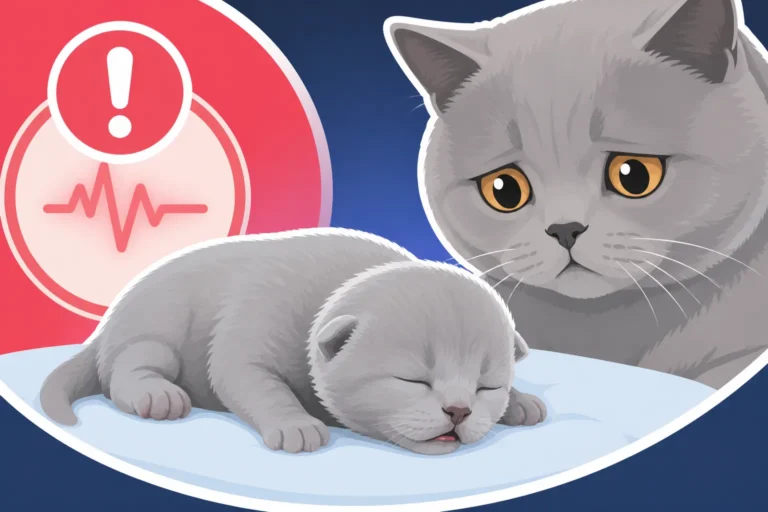
This potency also explains phenomena like What Neonatal Isoerythrolysis Does to a British Shorthair Kitten, where a Type B mother cat’s colostrum can destroy the red blood cells of her Type A or AB kittens. It's the same principle at play: the mother's powerful antibodies attack the incompatible blood cells of her offspring. In a transfusion scenario, this translates to an almost guaranteed catastrophe. It means there's no room for error, no "close enough" when it comes to blood types. Every drop matters, and every drop must be compatible. This is why many emergency veterinary clinics insist on rapid blood typing and cross-matching before any transfusion, even in the most time-sensitive situations.
The Importance of Pre-Transfusion Blood Typing and Cross-Matching
Given the severe risks, it becomes abundantly clear that knowing your British Shorthair's blood type before an emergency ever arises is a game-changer. It's a proactive step that every owner of this breed should seriously consider. In a high-stress, critical situation, having this information readily available can shave off precious minutes, or even hours, and dramatically improve the outcome for your cat.
The Typing Process for British Shorthairs
So, how do you find out your British Shorthair's blood type? The process is relatively straightforward, and thankfully, quite accurate. There are two main methods:
- Card or Gel Column Kits: These are often used by veterinarians in-house for rapid results. A small blood sample is mixed with reagents on a card or in a gel column, and within minutes, the blood type can be determined by observing agglutination (clumping) patterns. These are fast, convenient, and relatively inexpensive, usually costing somewhere between $50-$100 depending on your vet's pricing.
- Laboratory DNA Testing: For breeders, or owners who want absolute certainty and a permanent record, a DNA test can be performed by a specialized laboratory. This test determines the cat's genetic predisposition for a specific blood type. While this takes longer to get results, it provides a definitive genetic profile.
For a British Shorthair, knowing their blood type is invaluable. As we discussed, they have a higher chance of being Type B. You can delve into more detail about How a British Shorthair Is Blood Typed and What a British Shorthair Blood Type Test Costs in our dedicated articles. It’s a small investment for peace of mind and potentially life-saving information. Imagine the chaos of a late-night emergency where every second counts; having your cat's blood type on file could bypass the initial testing, speeding up critical care. This kind of preparation can also ease the stress of an emergency, allowing you to focus on your cat's comfort rather than worrying about crucial medical decisions.
The Critical Role of Cross-Matching
Even if you know your British Shorthair's blood type and the donor cat's blood type appears to be a perfect match, there's another crucial step that should never be skipped: cross-matching. Blood typing identifies the major blood groups (A, B, AB), but cross-matching detects more subtle incompatibilities between the donor and recipient blood that aren't picked up by standard typing.
Cross-matching involves mixing a sample of the donor's red blood cells with the recipient's plasma (major cross-match) and vice-versa (minor cross-match). If agglutination occurs in either test, it means there are antibodies present that would react against the donor cells, and that blood should not be used. This extra step is like a final safety check, ensuring that even minor reactions are avoided. It's an indispensable part of safe transfusion medicine, particularly in situations where a cat might have had previous transfusions or unknown exposure to foreign blood cells, which could have sensitized their immune system to other minor blood group antigens.
Planning Ahead for Your British Shorthair's Safety
Being a responsible pet parent means thinking ahead, especially when it comes to potential emergencies. For British Shorthair owners, given the breed's unique blood type prevalence, proactive planning regarding transfusions is not just good practice – it's essential. This foresight can be the defining factor in a positive outcome during a scary medical crisis.
When to Get Your British Shorthair Blood Typed
There are several scenarios where getting your British Shorthair blood typed is highly recommended:
- Prior to Breeding: If you are a British Shorthair breeder, or planning to breed your cat, blood typing is absolutely non-negotiable. Breeding a Type B queen with a Type A or AB tom can lead to fatal consequences for the kittens through neonatal isoerythrolysis, as the queen's antibodies will be passed through her colostrum. Knowing the blood types of both parents allows for safe breeding practices.
- Emergency Preparedness: This is perhaps the most common reason for pet owners. In any emergency requiring a transfusion, having your cat's blood type on record can save critical time. Imagine your cat is hit by a car or suffers a severe hemorrhage; rapid access to compatible blood is paramount. Knowing their type means the vet can quickly source appropriate blood without delay. Many owners ask Whether a Pet British Shorthair Needs Blood Typing, and the answer is a resounding yes for emergency preparedness.
- Before Any Major Surgery: While not always strictly necessary if no transfusion is anticipated, some vets might recommend it as an extra precaution before complex surgeries, especially if there's an elevated risk of blood loss.
- Just Because You Want to Know: Honestly, there’s no bad reason to know your cat’s blood type. It’s a piece of their medical puzzle, and having that information can bring immense peace of mind.
It's also worth thinking about veterinary insurance, such as Healthy Paws, which can help cover the costs of emergency procedures, including blood transfusions and the associated testing. While insurance doesn't prevent the need for typing, it can alleviate the financial stress during an already difficult time, allowing you to focus purely on your cat's care.
Creating an Emergency Plan
Once you know your British Shorthair’s blood type, don't just file it away and forget about it. Make it part of your emergency preparedness plan.
Here's how:
- Communicate with Your Vet: Ensure your veterinarian has your British Shorthair’s blood type prominently noted in their medical records. If you travel, consider carrying a copy of the documentation with you or having it accessible digitally.
- Inform Your Pet Sitter/Emergency Contact: If someone else ever needs to take your cat to the vet, they should be aware of this crucial information. A small, laminated card in your cat’s carrier or attached to their medical file can be incredibly helpful.
- Consider a Donor List: In some communities, veterinary hospitals or local British Shorthair clubs maintain lists of potential blood donors. If your British Shorthair has a common blood type, or if you have friends with compatible cats who might be willing donors in an emergency, it's worth exploring.
- Regular Wellness Checks: Keeping up with routine veterinary visits allows your vet to track your British Shorthair's overall health, which is crucial for identifying Signs a British Shorthair Is Unwell early on, potentially preventing the need for an emergency transfusion. These visits also offer opportunities to discuss blood typing and other preparedness measures.
Knowing your British Shorthair’s blood type is a fundamental aspect of modern pet care, particularly for a breed with specific genetic predispositions. It's a testament to how far veterinary medicine has come and how proactive we can be as owners to ensure the longest, healthiest life for our feline companions.
| Feline Blood Type | Antibodies Present | Can Receive From | Can Donate To | Risk of Reaction with Type A Donor | Notes |
|---|---|---|---|---|---|
| Type A | Weak Anti-B | A, AB | A, AB | Low | Most common type in general cat population. Can sometimes tolerate a small amount of Type B, but still risky. |
| Type B | Strong Anti-A | B | B | HIGH, often fatal | Common in British Shorthairs. Even a small amount of Type A blood is highly dangerous due to potent antibodies. |
| Type AB | Neither | A, B, AB | AB | None | Universal recipient, but very rare. Has no strong antibodies to react against A or B. |
This table clearly illustrates the critical incompatibility between Type B and Type A blood. Understanding this chart helps underscore why blood typing isn't just a suggestion—it's a necessity, especially for a British Shorthair who might carry the Type B gene. Organizations like Healthy Paws highlight the importance of being prepared for any health crisis, and knowing your cat's blood type is a key part of that preparedness.
Disclaimer
The information provided in this article is for educational and informational purposes only and does not constitute veterinary advice. Always consult with a qualified veterinarian for any health concerns or before making any decisions related to your pet's care, diet, or treatment.