Whether an Affected British Shorthair Should Be Bred
Bringing a British Shorthair into your life is a joy, but the dream of breeding these magnificent cats can come with significant ethical considerations, especially when a cat carries or is affected by a genetic health condition. It's a heavy topic that often leaves breeders and prospective owners grappling with difficult questions about responsibility, the future of the breed, and the well-being of every single kitten. This guide aims to thoroughly explore whether a British Shorthair affected by a genetic condition should be bred, diving deep into the complexities and helping you navigate these challenging decisions with a clear head and a compassionate heart.
Understanding Genetic Health Conditions in British Shorthairs
When we talk about genetic health conditions, we're discussing traits or diseases passed down from parent cats to their offspring through their DNA. These aren't just minor quirks; they can be serious, life-altering, and even fatal conditions that impact a cat's quality of life and longevity. For a breed as beloved and distinctive as the British Shorthair, maintaining genetic health is paramount, and it starts with every breeding decision.
The Breeder's Responsibility and Ethical Dilemmas
Becoming a breeder isn't just about admiring beautiful cats and producing cute kittens; it carries a profound responsibility. You become a guardian of the breed's health and future. When a British Shorthair is diagnosed with a genetic condition, or even identified as a carrier, an ethical dilemma immediately arises: should this cat be part of a breeding program? The temptation might be there to breed a cat with otherwise excellent conformation or a rare color, but sacrificing health for aesthetics or market demand is a path fraught with heartache. It's about weighing the potential for contributing to the breed's genetic diversity against the very real risk of perpetuating suffering. This isn't a simple decision, and it requires deep introspection, honesty, and a commitment to doing what's right for the cats, not just for personal gain or convenience.
Many passionate British Shorthair breeders dedicate years to understanding pedigrees and health lines to minimize these risks. They know that a single irresponsible breeding decision can echo through generations, impacting numerous cats and their future families. It's a burden they carry, striving for excellence in health, temperament, and type. They invest in rigorous screening, often at considerable personal expense, precisely to avoid these dilemmas.
Common Heritable Conditions in the Breed
The British Shorthair, like many pedigreed breeds, has a predisposition to certain genetic conditions that any responsible breeder must be aware of and actively screen for. Ignoring these is a recipe for disaster and heartache down the line.
One of the most concerning is Hypertrophic Cardiomyopathy (HCM), a thickening of the heart muscle that can lead to heart failure and sudden death. While there's unfortunately HCM in a British Shorthair Has No DNA Test that's widely applicable to the breed, breeders rely on regular cardiac ultrasounds (echocardiograms) to screen their breeding cats. Learning How Common HCM Is in British Shorthairs highlights why this vigilance is so critical. A British Shorthair diagnosed with HCM, even if they appear healthy, should absolutely not be bred. The risk of passing on this devastating condition to their offspring is too high. Imagine the heartbreak of a new owner when their beloved kitten receives an HCM diagnosis, knowing it could have been prevented.
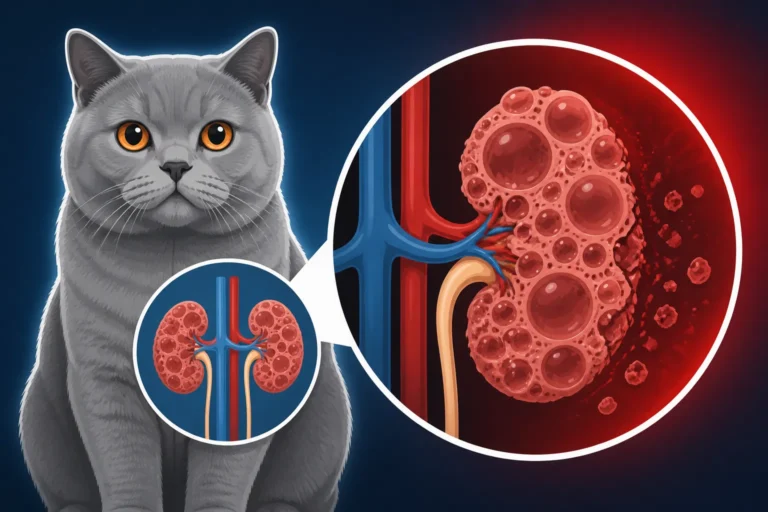
Polycystic Kidney Disease (PKD) is another condition that can plague British Shorthairs. This disease, characterized by the development of fluid-filled cysts in the kidneys, progressively impairs kidney function. Historically, Polycystic Kidney Disease Came Into the British Shorthair With the Persians, and while DNA testing (specifically for the PKD1 gene) is available and highly effective, cats testing positive should be removed from breeding programs. Breeders are encouraged to know Whether a British Shorthair Should Be PKD Tested to safeguard future generations.
Then there's the fascinating but critical aspect of blood typing, particularly concerning Blood Type B and the British Shorthair Kittens It Kills. A Type B queen bred to a Type A tom can lead to a condition called Neonatal Isoerythrolysis (NI), where the mother's antibodies attack the red blood cells of Type A kittens through her colostrum. This can be devastating, causing kittens to fade and die within days. Understanding Which British Shorthair Pairing Causes Neonatal Isoerythrolysis is fundamental for any breeder. Any queen identified as Type B must be bred with extreme caution, only to Type B or Type AB (if such a rare type were to exist in the British Shorthair) males, or their kittens must be hand-reared away from her for the first 24-48 hours. Breeding a Type B queen to a Type A tom without intervention is simply irresponsible.
Finally, though less common, conditions like Hemophilia B, a clotting disorder, also exist. What Hemophilia B Does to a British Shorthair can be severe, leading to excessive bleeding even from minor injuries. Genetic tests are available for some forms of hemophilia in cats, making screening a crucial step for breeders to prevent passing on this dangerous trait. It's part of the comprehensive health panel What a British Shorthair Breeder Should Have Tested.
The Risks of Breeding Affected British Shorthairs
The decision to breed a British Shorthair with a known genetic condition isn't just about that one cat; it's about the ripple effect through an entire lineage and the breed as a whole. The consequences, both biological and emotional, can be far-reaching and deeply regrettable.
Passing on Undesirable Traits and Disease
The most obvious risk of breeding an affected British Shorthair is the high probability of passing on the genetic mutation responsible for the condition to the offspring. Genetics can be a cruel lottery. For dominant conditions like HCM, a cat only needs one copy of the faulty gene to be affected, and each kitten has a 50% chance of inheriting it from an affected parent. Even for recessive conditions like PKD (where DNA testing for PKD1 is a lifesaver) or if a cat is a carrier of something like Hemophilia B, breeding them can result in affected kittens or, at the very least, more carriers who can then pass the gene along.
Imagine a scenario where a breeder chooses to breed a British Shorthair that hasn't had The Yearly Echo That Replaces a British Shorthair Gene Test for HCM, and unknowingly, that cat develops HCM later in life. Their progeny are now at risk, and those kittens, in turn, may pass it on, spreading the disease deeper into the breed lines. This isn't just hypothetical; it's how conditions proliferate, making it harder for future generations of breeders to produce truly healthy animals. Each affected cat that is bred contributes to How Many British Shorthair Lines Carry HCM, compounding the problem for the entire breed community. It creates a perpetual cycle of illness that could have been broken with one responsible decision.
The Financial and Emotional Toll on Owners
Beyond the genetics, there's the very real human cost. Owners who unknowingly purchase a kitten from an affected line often face devastating financial and emotional burdens. Veterinary care for chronic genetic conditions can be incredibly expensive. Treating HCM can involve costly medications, regular echocardiograms, and potentially emergency visits for complications like saddle thrombus (blood clots). Similarly, managing kidney disease for a cat with PKD requires specialized diets, medications, and frequent veterinary check-ups to How a British Shorthair With Kidney Disease Is Managed.
Consider the family who adopts a beautiful British Shorthair kitten, only to find out at an early vet visit that their precious furball has a heart murmur that turns out to be severe HCM. They're faced with thousands of dollars in medical bills over their cat's shortened lifespan, not to mention the emotional toll of watching their beloved companion struggle and knowing their time together will be cut short. This is where pet insurance, like policies offered by Healthy Paws, can be a lifeline for owners facing these unexpected and costly health challenges. While it doesn't ease the emotional pain, it can certainly alleviate some of the financial stress.
The grief, guilt, and frustration experienced by owners are immense. They bond deeply with these animals, and the heartbreak of losing a cat prematurely or seeing them suffer due to preventable genetic disease is immense. It can also lead to distrust in breeders and breed associations, damaging the reputation of dedicated, ethical breeders who strive to do things correctly.
Making Responsible Breeding Decisions
So, what's the path forward when faced with a British Shorthair that carries or is affected by a genetic condition? The answer lies in stringent protocols, professional guidance, and a firm commitment to the welfare of the breed.
Comprehensive Health Screening and Genetic Testing
The absolute cornerstone of responsible breeding is comprehensive health screening. For British Shorthairs, this means proactively testing for known conditions before any breeding takes place.
HCM Screening: As discussed, regular echocardiograms are crucial. A board-certified veterinary cardiologist should perform these, not just a general vet. The age at which a British Shorthair should start screening is typically around one year, and should be repeated annually, or as recommended by the cardiologist. A clear echo is vital, but remember, HCM can develop later in life. Therefore, breeding cats should have current, clear screenings before each breeding. If a British Shorthair is diagnosed with HCM, even a mild form, they should be immediately removed from the breeding program and spayed or neutered. This prevents the possibility of passing on the genetic predisposition.
PKD Screening: Thanks to the PKD1 DNA test, this is much simpler. A single DNA test can definitively tell you if a cat is clear, a carrier, or affected. A cat that tests positive for PKD1, even if they show no signs of kidney disease themselves, should not be bred. Carriers can pass the gene to their offspring. Responsible breeders aim to produce only clear offspring.
Blood Typing: Every breeding queen and stud should be blood typed. This inexpensive test can prevent Neonatal Isoerythrolysis. If a queen is Type B, she should only be bred to a Type B tom. If this isn't possible, then kittens from a Type B queen and Type A tom must be managed to prevent nursing colostrum for the first 24-48 hours. This proactive measure prevents unnecessary kitten deaths.
Other Genetic Tests: For Hemophilia B and other known genetic conditions that have developed DNA tests, breeders should utilize these tools. Labs like Orivet or UC Davis often offer breed-specific panels that include these tests. By leveraging genetic science, we can make informed decisions that protect future generations. These tests are not luxuries; they are essential for ethical breeding practices.
Consulting with Veterinary Specialists
Navigating complex health issues is not something a breeder should do alone. Partnering with veterinary specialists is non-negotiable.
Board-Certified Cardiologists: For HCM, these experts are invaluable. They can interpret echocardiograms accurately, provide guidance on screening intervals, and counsel breeders on the implications of a diagnosis. They can also offer advice on the quality of life and expected prognosis for an affected cat.
Reproductive Veterinarians: If concerns arise regarding breeding specific cats, a reproductive specialist can offer tailored advice, including alternative breeding strategies if appropriate (though rarely for affected animals). They understand the nuances of feline reproduction and genetic inheritance.
Genetic Counselors (Veterinary): For highly complex genetic scenarios or when trying to understand obscure genetic risks, a veterinary geneticist can be a tremendous resource. They can help analyze pedigrees, assess risks, and advise on breeding practices to reduce the incidence of genetic diseases within a line or the broader breed population.
Seeking multiple opinions from specialists is always a good idea, particularly when difficult decisions are on the table. Their expertise can help breeders make choices that are both scientifically sound and ethically responsible.
Considering Spaying/Neutering for Affected Cats
Ultimately, if a British Shorthair is affected by a significant genetic condition, or is a known carrier of a serious recessive disease, the most responsible and ethical choice is almost always to remove them from the breeding program and have them spayed or neutered. This transforms them into cherished family pets, free from the pressure and risk of reproduction.
This decision protects not only potential offspring from inheriting the condition but also protects the affected cat from the physiological stresses of pregnancy and birth, which can be particularly taxing on an animal with an underlying health issue like heart disease. For example, a British Shorthair queen with HCM might struggle significantly with a pregnancy, putting her own life at risk. The focus then shifts entirely to providing them with the best possible quality of life as a beloved companion. It ensures that the genetic legacy stops with them, preventing further suffering and contributing to a healthier future for the British Shorthair breed. Many ethical breeders include clauses in their contracts about spaying/neutering for pet-quality kittens, reinforcing this commitment to responsible pet ownership.
Supporting British Shorthairs with Genetic Conditions
While the focus for affected cats should no longer be on breeding, it's crucial to remember that these cats can still live wonderfully full and happy lives as pets, provided they receive the appropriate care and love.
Providing a Full and Happy Life for a Pet
An affected British Shorthair, removed from a breeding program, deserves just as much love and care as any other pet. Their genetic condition doesn't diminish their worth as a companion. In fact, knowing their specific health challenges allows owners to be proactive in their care.
For a British Shorthair with HCM, this might mean regular veterinary check-ups, prescribed medications (like beta-blockers or diuretics), and monitoring for signs of worsening heart failure, such as increased breathing effort. While How Long a British Shorthair Lives After an HCM Diagnosis can vary, with proper management, many can enjoy several comfortable years. For a cat with PKD, a special kidney-supportive diet, plenty of fresh water, and medication to manage symptoms can greatly extend their life and improve their comfort. Owners will need to be vigilant for signs of kidney disease, such as increased thirst or urination, and work closely with their vet.
Investing in veterinary care, perhaps with the help of a good pet insurance plan like those from Healthy Paws, can ensure these cats receive the ongoing medical attention they need without financially crippling their families. Beyond medical care, providing a safe, comfortable, and loving home environment is paramount. These cats may need adjustments, such as ramps for easy access to high places if arthritis sets in, or softer bedding. The goal is to celebrate their individual personality and give them all the joy and comfort they deserve, regardless of their genetic predispositions.
The Role of Rescue Organizations
Sadly, not all breeders or owners are equipped or willing to provide the extensive care sometimes required for British Shorthairs with genetic conditions. This is where dedicated British Shorthair rescue organizations play a vital, heroic role. These rescues often take in cats surrendered due to health issues, or those found abandoned. They ensure these cats receive necessary veterinary care, rehabilitation, and ultimately, find loving forever homes where their specific needs can be met.
Many rescue groups specialize in particular breeds and are well-versed in the common health issues of British Shorthairs. They often have networks of foster homes capable of administering medications, monitoring symptoms, and providing the patient, compassionate care these cats need. When you see a British Shorthair in rescue, it might be due to a family circumstance, but it could also be because of an unforeseen health challenge that the original owners couldn't manage. Supporting these organizations, whether through donations, volunteering, or adopting, is a wonderful way to give a second chance to these deserving animals. They embody the commitment to animal welfare that should be at the heart of every decision made about breeding.
| Genetic Condition | Screening Method | Breeding Recommendation for Affected/Carrier Cats | Impact on Offspring/Breed |
|---|---|---|---|
| Hypertrophic Cardiomyopathy (HCM) | Regular Echocardiograms by Cardiologist | Do Not Breed | High risk of affected kittens; perpetuates disease in lines |
| Polycystic Kidney Disease (PKD) | PKD1 DNA Test / Kidney Ultrasound | Do Not Breed (if positive for PKD1) | High risk of affected kittens; kidney failure |
| Blood Type B | Blood Typing (Queen and Stud) | Breed cautiously (Type B to Type B only, or intervene) | Neonatal Isoerythrolysis in kittens (fatal) |
| Hemophilia B | DNA Test (if available for specific type) | Do Not Breed (if affected or carrier) | Risk of affected kittens with clotting disorders |
Disclaimer
The information provided in this guide is for general informational purposes only and does not constitute veterinary medical advice. Always consult with a qualified veterinarian or veterinary specialist for any health concerns or before making any decisions related to your British Shorthair's health or breeding.