What Blood Type B Means in a British Shorthair
Discovering your beloved British Shorthair has a specific blood type can sometimes feel like a puzzle, especially when you hear terms like "Blood Type B" thrown around. It can be particularly confusing and even a little unsettling, making you wonder if it signals underlying health issues or special care requirements. This guide is here to unravel the mystery of what Blood Type B truly means for your British Shorthair, shedding light on why it's so important to know, especially regarding breeding and emergency veterinary situations.
Decoding Feline Blood Types: A Primer
Unlike humans, where blood typing often feels like a routine part of medical history, understanding feline blood types can feel a bit more niche and, frankly, intimidating. But for British Shorthair owners, it's a piece of knowledge that carries significant weight, primarily because of a unique genetic predisposition in this wonderful breed.
The A, B, and AB Systems in Cats
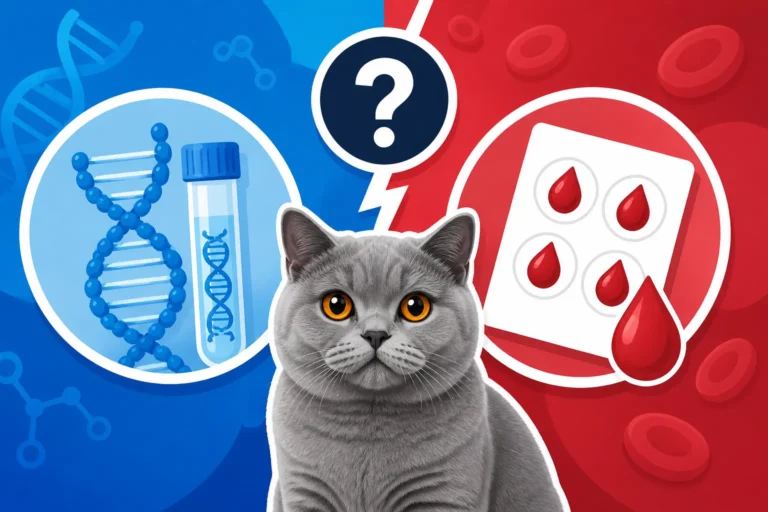
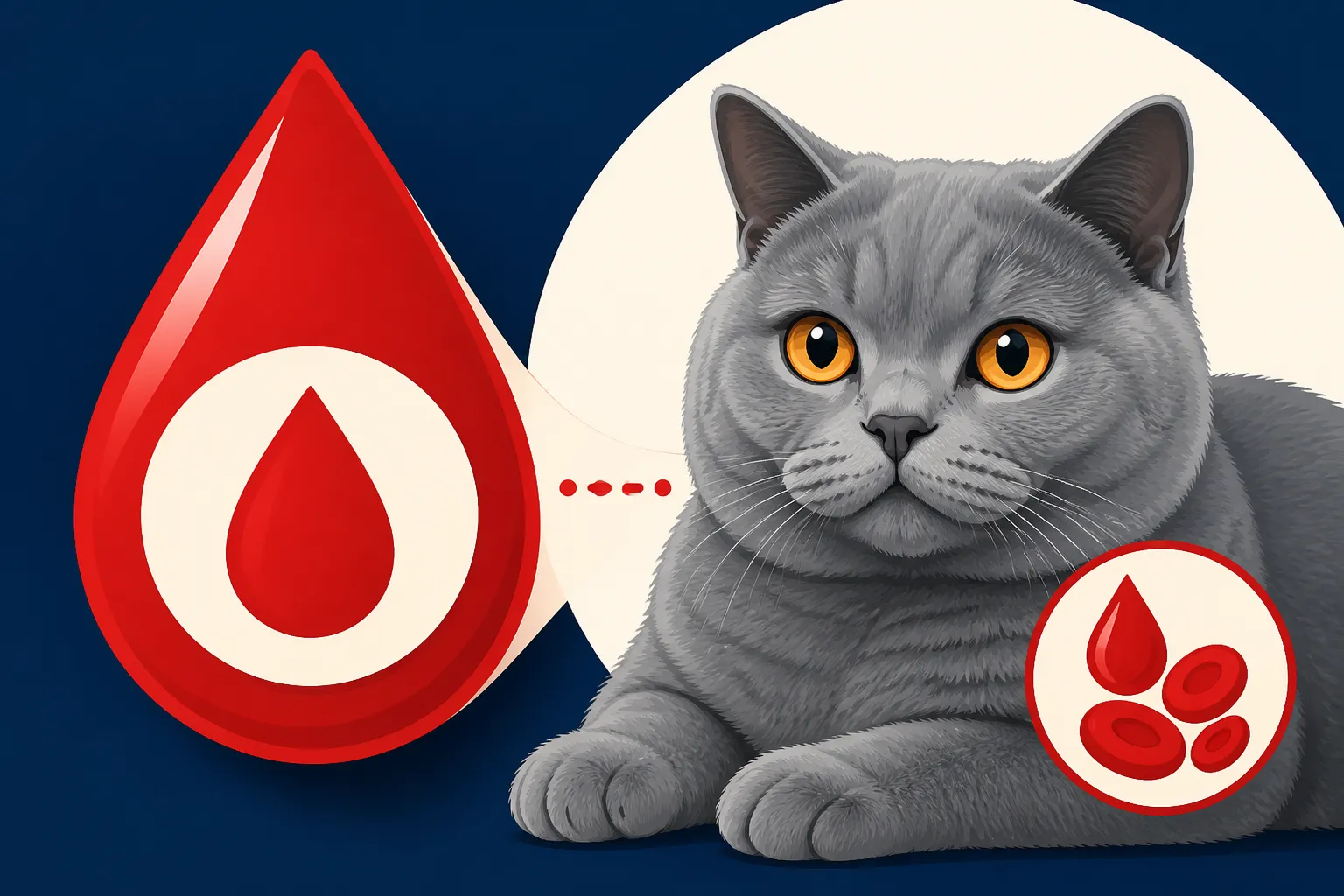
Feline blood groups are typically categorized into three main types: A, B, and AB. The vast majority of cats worldwide fall into Type A. This is the "default" for many breeds and mixed-breed cats. Type B is far less common globally, but it's found with much higher prevalence in certain pedigreed breeds, and you guessed it, the British Shorthair is one of them. Type AB is extremely rare, often considered a universal recipient but a poor donor due to its complex antigens.
What makes these types so important isn't just the presence of certain antigens on the red blood cells, but the naturally occurring antibodies in the plasma. Cats with Type A blood have weak anti-B antibodies. Cats with Type B blood, however, have very strong anti-A antibodies. This critical difference is what leads to the most significant concerns for British Shorthair owners and breeders alike. It's not just a minor variation; it's a biological distinction that can have life-or-death consequences. Imagine getting the wrong blood type during a medical emergency – it's that serious for our feline friends.
Why Type B is Distinctive for British Shorthairs
The British Shorthair breed stands out because it has one of the highest frequencies of Type B blood among all cat breeds. While some studies suggest percentages can vary, it’s not uncommon to see a significant portion of the breed carrying this blood type. This isn't a defect or a cause for alarm regarding your individual cat's health in daily life. A Type B British Shorthair is just as healthy and happy as a Type A one. The distinction becomes paramount in specific scenarios: breeding and blood transfusions.
This genetic prevalence of Type B is thought to stem from the breed's historical development and specific foundational lines. Over generations, breeders selectively bred for certain traits, and unknowingly, the gene responsible for Type B blood became more concentrated within the population. It's a fascinating aspect of feline genetics, highlighting how distinct populations can develop unique physiological markers. Knowing How Many British Shorthairs Are Blood Type B can help paint a picture of just how common this is within the breed, reinforcing why every British Shorthair owner should be aware of their cat's blood type.
The Grave Danger of Neonatal Isoerythrolysis (NI)
For British Shorthair breeders, and even potential kitten buyers, the phrase "Neonatal Isoerythrolysis" (NI) should immediately grab attention. This condition is the single most important reason why blood typing is so critical in the British Shorthair breed, and it's a heartbreaking reality that responsible breeders strive to prevent at all costs.
How a Type B Queen Can Harm Her Type A Kittens
Neonatal Isoerythrolysis occurs when a Type B queen (female cat) is bred with a Type A or Type AB tom (male cat), resulting in kittens who inherit Type A or Type AB blood. Here's the devastating catch: a Type B queen produces very strong anti-A antibodies. These antibodies are passed to the kittens through the colostrum, the first milk produced after birth. For Type A or AB kittens, these maternal antibodies are toxic. They attack and destroy the kittens' red blood cells, leading to severe anemia, organ damage, and ultimately, death.
The critical window for this disaster is usually within the first 24-48 hours of life, as colostrum is most concentrated with antibodies during this period. After this initial colostrum phase, the kitten's gut also becomes less permeable to these large antibody molecules, reducing the risk of further absorption. This is why immediate action, as outlined in How to Save a British Shorthair Kitten From Isoerythrolysis, is so vital if an incompatible pairing occurs, though prevention is always the best approach. It's a stark reminder of the delicate balance of nature and the profound responsibility breeders hold.
Recognizing the Signs of Fading Kittens
The signs of Neonatal Isoerythrolysis can be incredibly subtle at first, often leading to what breeders sadly refer to as "fading kittens." Affected kittens may appear healthy at birth but quickly decline. Symptoms typically include weakness, lethargy, refusal to nurse, pale mucous membranes, dark reddish-brown urine (indicating red blood cell breakdown), and jaundice (yellowing of the skin and eyes) due to bilirubin accumulation. In severe cases, kittens might just suddenly die without any obvious prior symptoms.
It's a tragic situation because the kittens are essentially being poisoned by their own mother's protective antibodies, which, in any other context, would be beneficial. Understanding What Neonatal Isoerythrolysis Does to a British Shorthair Kitten truly drives home the importance of pre-breeding blood typing. For a kitten buyer, seeing a breeder meticulously discuss blood types and health testing should instill confidence that they are prioritizing the well-being of their litters.
Practical Implications for British Shorthair Owners
Whether you're a seasoned breeder or a loving pet owner, understanding the practical implications of British Shorthair blood types is crucial. It impacts decisions from routine vet visits to emergency care and, of course, responsible breeding practices.
The Importance of Blood Typing Your British Shorthair
You might think, "My British Shorthair is a pet, not a breeding cat, so why bother with blood typing?" This is a common and understandable thought, but it overlooks a critical scenario: emergencies. If your cat ever needs a blood transfusion due to an accident, illness, or surgery, knowing their blood type beforehand can literally save their life. As we discussed, Type B cats have very strong anti-A antibodies. If a Type B cat receives Type A blood, even a small amount can trigger a severe, potentially fatal, transfusion reaction.
Many veterinary clinics keep a small stock of emergency blood, but it's not always type-specific for every cat, especially rarer types like B. Having your cat's blood type on file allows your vet to act swiftly and confidently, either by sourcing compatible blood or ensuring they don't administer incompatible blood. It removes a layer of uncertainty and precious time in a high-stress situation. This is why Whether a pet British Shorthair needs blood typing is an emphatic yes in most responsible pet owner circles. It's a simple test that offers immense peace of mind and protection.
The process for How a British Shorthair is blood typed is typically straightforward. It involves taking a small blood sample from your cat, which is then sent to a specialized laboratory or tested in-house using a rapid card test. The results are usually back within a few days, giving you definitive knowledge. The What a British Shorthair blood type test costs is a small price to pay for the potential life-saving information it provides.
Managing Breeding to Prevent Isoerythrolysis
For British Shorthair breeders, blood typing is non-negotiable and paramount to ethical practice. Any British Shorthair queen or tom intended for breeding must be blood typed. This isn't just a recommendation; it's a fundamental responsibility to protect kittens from NI.
The golden rule for breeders is simple: never breed a Type B queen to a Type A or Type AB tom.
Here's a breakdown of safe and unsafe pairings:
| Queen's Blood Type | Tom's Blood Type | Potential Kitten Blood Types | Risk of NI | Recommended for Breeding? |
|---|---|---|---|---|
| Type A | Type A | Type A | None | Yes |
| Type A | Type B | Type A or Type B | None | Yes |
| Type A | Type AB | Type A or Type AB | None | Yes |
| Type B | Type B | Type B | None | Yes |
| Type B | Type A | Type A or Type AB | High | No |
| Type B | Type AB | Type A or Type AB | High | No |
| Type AB | Any | Varies (low frequency) | Low | Requires careful pairing |
As you can see from the table, Which British Shorthair pairing causes Neonatal Isoerythrolysis is explicitly a Type B queen with a Type A or AB tom. If a Type B queen is only bred to a Type B tom, all kittens will be Type B, and there is no risk of NI. This makes Whether a Type B British Shorthair queen can be bred safely entirely possible, provided the correct pairing is chosen. Responsible breeders are meticulous about documenting and showing their cats' blood type certificates to prospective buyers, ensuring transparency and trust. You can often ask Whether a breeder should show a British Shorthair's blood type results as part of your due diligence.
Beyond Breeding: Blood Types and Veterinary Care
While Neonatal Isoerythrolysis is the most dramatic consequence of incompatible blood types, the implications extend to general veterinary care, especially in emergencies. Every British Shorthair owner needs to be aware of how their cat's blood type can influence medical decisions.
Blood Transfusions and Type Compatibility
Imagine your British Shorthair is rushed to the emergency vet after an accident, suffering from significant blood loss. The vet determines a blood transfusion is needed immediately. If your cat is Type B and receives Type A blood, the strong anti-A antibodies in their system will rapidly attack the transfused red blood cells. This reaction, known as a hemolytic transfusion reaction, can be life-threatening. Symptoms range from fever, vomiting, and difficulty breathing to collapse, shock, and kidney failure.
Conversely, if a Type A cat receives Type B blood, the weaker anti-B antibodies might cause a slower, less severe reaction, but it's still not ideal. The best-case scenario for any transfusion is a perfect match. For British Shorthairs, given the higher prevalence of Type B, this becomes a more common and critical consideration than in breeds where Type A dominates almost exclusively. Discussing this with your veterinarian during routine check-ups, perhaps when they run What a British Shorthair's yearly bloodwork should cover, is always a good idea.
Emergency Preparedness and Your Vet
Being proactive about your British Shorthair's blood type is a smart move for any owner. Here are some steps you can take to enhance emergency preparedness:
- Get Your Cat Typed: As discussed, this is the first and most important step. It's a one-time test that provides lifelong information.
- Keep Records Accessible: Store your cat's blood type certificate with their other important medical records. Consider adding it to your phone's emergency information or a tag on their carrier.
- Inform Your Vet: Make sure your primary veterinarian has your British Shorthair's blood type clearly noted in their medical file. This ensures that in an emergency, or even when a relief vet is on duty, the information is immediately available.
- Discuss Emergency Protocols: Talk to your vet about their procedure for obtaining blood for transfusions. Do they have Type B blood on hand? Do they know where to source it quickly? In larger metropolitan areas, veterinary blood banks might exist, but in smaller towns, it could be a challenge.
- Consider Pet Insurance: While knowing the blood type doesn't prevent emergencies, it can certainly help manage them. Pet insurance, from providers like Healthy Paws, can help cover the often significant costs associated with emergency veterinary care, including diagnostics, transfusions, and hospitalization. It's worth researching options to ensure you're financially prepared for the unexpected. A robust policy can alleviate the stress of financial decisions during a crisis, allowing you to focus on your cat's recovery.
Taking these steps helps ensure that if your British Shorthair ever needs a life-saving blood transfusion, the process can proceed as smoothly and safely as possible, minimizing risks associated with blood incompatibility.
Living with a Type B British Shorthair: What You Need to Know
Once you've navigated the complexities of understanding feline blood types and ensured your British Shorthair is typed, you might wonder what the day-to-day implications are. The good news is, for a pet British Shorthair, a Type B designation primarily impacts potential emergency situations and breeding, not their daily quality of life.
Daily Life and Health: No Difference at All
Let's be very clear: having Blood Type B does not mean your British Shorthair is somehow less healthy, more prone to illness, or requires any special dietary or lifestyle considerations. A Type B cat is just as vibrant, playful (in their British Shorthair way, of course!), and cuddly as a Type A cat. They will live a full, normal lifespan, assuming they are otherwise healthy and well-cared for.
The British Shorthair is a generally robust breed, known for its calm demeanor and relatively low activity levels. Issues like Obesity is the British Shorthair's real disease or HCM in a British Shorthair has no DNA test are far more common health concerns that require proactive management through diet, exercise, and regular vet check-ups. Blood type, in contrast, is a static characteristic that only becomes relevant in very specific, critical circumstances. So, enjoy your chunky, plush-coated companion without worrying that their blood type somehow makes them "different" in their everyday life.
Advocacy and Awareness in the British Shorthair Community
While a Type B blood type doesn't affect your individual British Shorthair's daily health, your knowledge of it can contribute positively to the wider British Shorthair community. Being aware of the risks associated with NI and incompatible transfusions makes you a more informed owner and advocate.
- Educate Others: If you're talking to prospective British Shorthair owners or people considering breeding, share what you've learned. Many cat owners, even those with pedigreed cats, are completely unaware of feline blood types and their importance. Spreading this knowledge can help prevent future tragedies.
- Support Responsible Breeding: When looking for a kitten, always choose a breeder who openly discusses and provides proof of blood typing for their breeding cats. This indicates a commitment to health and ethical practices. This kind of transparency protects both the kittens and the breed's future.
- Emergency Preparedness for All: Encourage fellow cat owners, especially those with British Shorthairs or related breeds known for Type B prevalence, to get their cats blood typed. It's a simple step that offers a huge safety net for potential emergencies. Remember, proactive measures, like insuring your pet with a reliable company like Healthy Paws, can further enhance your preparedness for any unexpected veterinary needs.
Your British Shorthair's blood type is a piece of essential medical information, not a daily health concern. By understanding its meaning, especially regarding breeding and transfusions, you empower yourself to make the best decisions for your cherished companion and contribute to the well-being of the breed.
Disclaimer
Please remember that this article provides general information and guidance. It is not a substitute for professional veterinary advice. Always consult with a qualified veterinarian for any health concerns or before making decisions about your British Shorthair's care, treatment, or breeding.