What Shape a British Shorthair’s Head Should Be
One of the most captivating things about the British Shorthair is that truly iconic head – the one that immediately brings to mind a cuddly teddy bear or perhaps a wise, old English gentleman. But what exactly makes a British Shorthair's head right according to breed standards, and why do some look so much rounder and more impressive than others? This guide will dive deep into the ideal head shape, dissecting each feature that contributes to that beloved look and explaining what to look for.
The Iconic Roundness of the British Shorthair Head
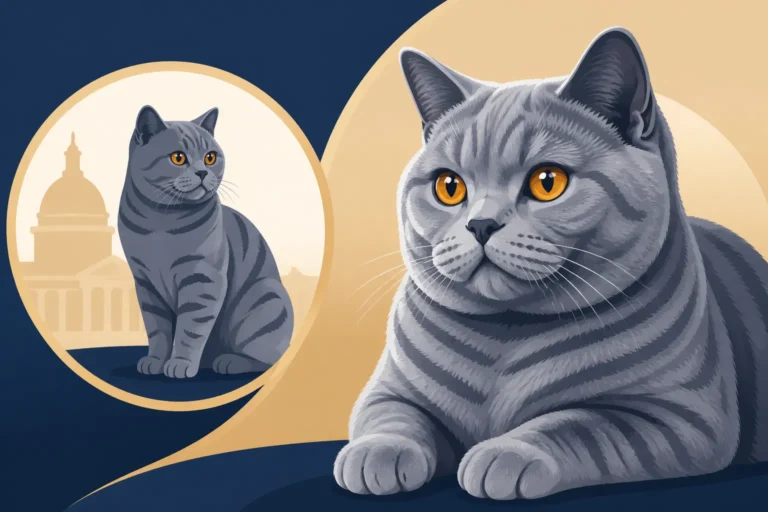
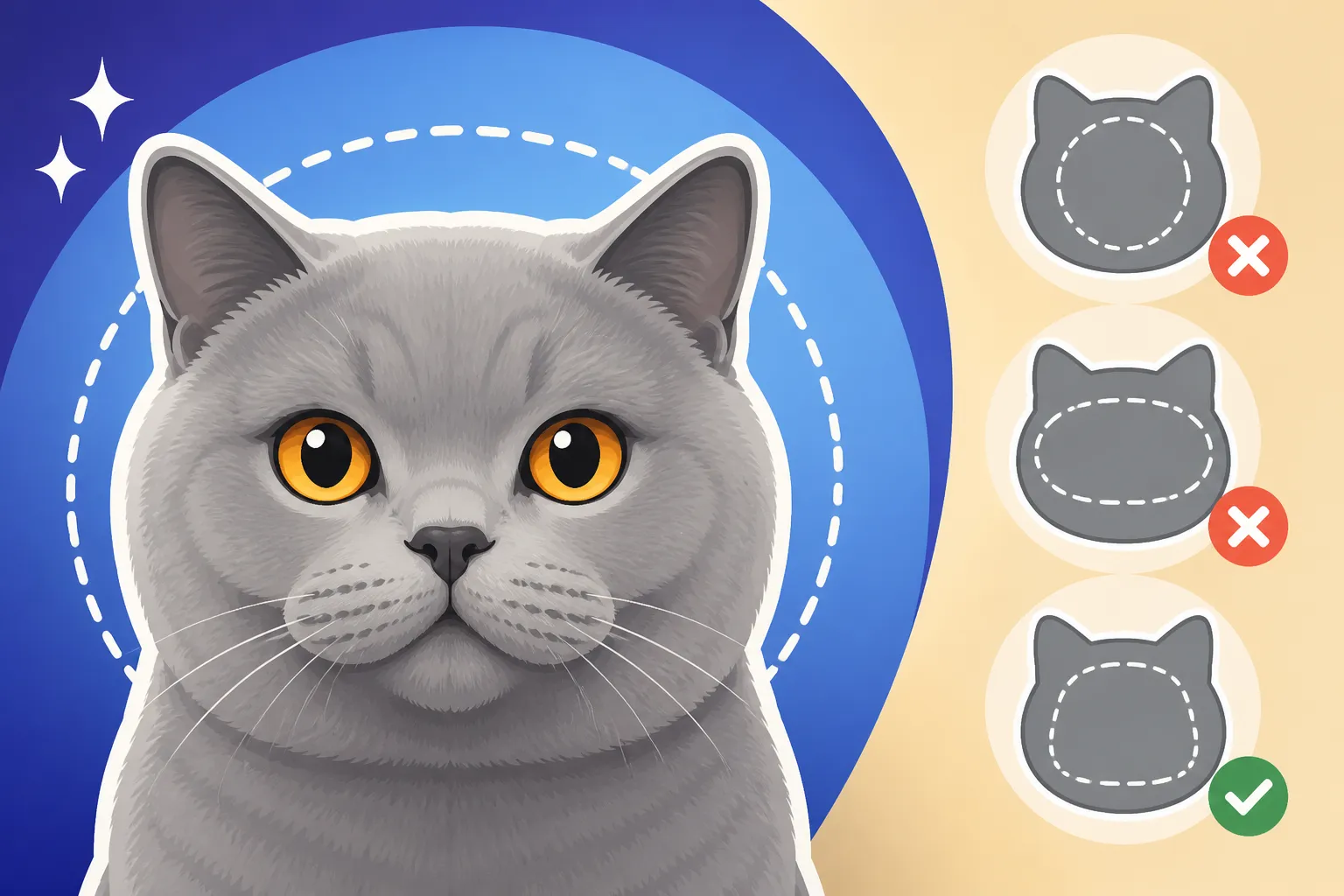
When you picture a British Shorthair, you're almost certainly envisioning that wonderfully round head. It's the hallmark of the breed, a foundational element of their entire aesthetic. This isn't just about a cute face; it's a carefully cultivated trait that breeders strive for, giving the cat its distinctive, often serene, and undeniably charming expression. That broad, full-cheeked face is what sets them apart and creates that soft, approachable, almost doll-like quality that so many people fall in love with.
Why the Roundness Matters
The roundness of a British Shorthair's head isn't just a matter of preference; it's explicitly outlined in the breed standard by various cat associations. This isn't just arbitrary; it contributes to the overall "cobby" body type and balanced proportions that define the breed. A head that is too long, too narrow, or too pointy would throw off the entire visual harmony of the cat, detracting from the robust, powerful, yet gentle image. It's the core of their visual identity, telling you immediately that you're looking at a true British Shorthair, not just a fluffy moggy. Without that characteristic roundness, much of the breed's distinctiveness would be lost.
Imagine encountering a British Shorthair with a more triangular or oval head. While still a beautiful cat, it simply wouldn't have that instantly recognizable British Shorthair presence. The roundness creates a sense of solidity and strength, combined with an undeniable softness. It influences how their eyes appear, how their ears are set, and even how their plush coat seems to frame their face. This key feature is often the first thing people notice and admire, embodying the quiet dignity and affectionate nature often associated with these cats.
The "Teddy Bear" Look
That undeniable "teddy bear" look is almost entirely down to the head shape. It's what makes them seem perpetually youthful and endearingly cuddly, even as full-grown adults. This perception is built upon the combination of a broad skull, full cheeks, and often large, round eyes that give them an innocent, wide-eyed gaze. It's the sort of face that just makes you want to scoop them up for a gentle hug, even if, as we all know, A British Shorthair Will Not Be Picked Up.
The "teddy bear" quality isn't just a fleeting impression; it's a testament to the careful breeding that has gone into maintaining these characteristics over generations. When you see a British Shorthair kitten, they're already starting to develop that adorable roundness, which then matures into the full, robust head of an adult. This particular look is a huge part of their appeal worldwide, making them instantly recognizable and beloved figures in homes and on social media. It implies a certain gentle disposition, reflecting their generally calm and easygoing temperament.
Key Features of the British Shorthair Skull
Beyond just "round," there are specific elements of the British Shorthair's skull that contribute to its ideal shape. Think of it as a carefully constructed architectural marvel, where each piece plays a vital role. This underlying bone structure is what dictates the outward appearance, supporting the plush fur and dense muscle to create that iconic silhouette. Without the correct skull shape, no amount of grooming or conditioning can truly replicate the authentic British Shorthair head.
The Cranium and Forehead
The cranium, or the top of the head, should be broad and round, not pointed or narrow. From a side profile, you want to see a gentle, continuous curve from the top of the head down to the base of the nose, without any sharp angles or flat spots. This broadness gives the face its substantial feel and contributes to the overall impression of a full, powerful head. A narrow forehead would make the cat look less like the robust British Shorthair and more like other breeds.
The forehead should transition smoothly into the nose, indicating a strong, well-developed skull. This smooth curve is crucial for the breed's signature profile. It prevents the head from looking too flat on top or too angular, maintaining that soft, rounded aesthetic that is so highly prized. Breeders often pay close attention to this curve when evaluating kittens, as it's a strong indicator of how the adult head will develop.
The Jawline and Chin
A strong, firm jawline and a well-developed chin are essential components of the British Shorthair's head. The chin should align with the nose, neither receding nor protruding, contributing to the powerful, balanced profile. This strong jaw supports the broad muzzle and full cheeks, giving the face its solid foundation. Without a good chin, the cat's face can appear weak or unbalanced, undermining the overall impression of robustness.
The jaw muscles are also quite prominent, particularly in males, adding to the breadth of the face. This isn't just about looks; a strong jaw is indicative of overall health and good bite. When you gently feel a British Shorthair's jaw, you should feel a sense of solidity and strength, confirming the underlying bone structure is correct. This feature contributes to the breed's confident and sturdy demeanor, ensuring their "smile" looks natural and well-formed.
Cheeks and Jowls: Defining the British Shorthair Face
If the skull provides the framework, then the cheeks and jowls are the plush cushions that truly sculpt the British Shorthair's face into its recognizable form. These features are particularly celebrated in the breed, adding significant volume and dimension, especially as the cat matures. They're not just cute additions; they are integral to the breed's distinct appearance.
The Fullness of the Cheeks
The British Shorthair is renowned for its wonderfully full and rounded cheeks. These aren't just a bit of extra fluff; they are substantial and firm, giving the face its width and contributing significantly to that sought-after "teddy bear" appearance. The cheeks should be pronounced, curving outwards, and blending seamlessly into the broader skull. This fullness helps create the illusion of a perfectly circular face when viewed from the front.
Without adequately full cheeks, a British Shorthair's head might appear too narrow or even angular, losing much of its breed type. This is often an area that develops with age, with kittens showing promise but truly filling out into their adult glory around two to three years old. The plumpness of the cheeks is a strong indicator of a well-developed and healthy cat, adding to their endearing expression and enhancing their overall charm. You can often tell a well-bred cat just by observing the prominence and shape of their cheeks.
Understanding the Jowls
Ah, the jowls! These are particularly noticeable in mature male British Shorthairs, and they are a magnificent sight to behold. What Jowls Are on a Male British Shorthair can be quite substantial, creating an almost lion-like appearance that further accentuates the width and power of their head. These fleshy pads on either side of the mouth are a sign of a fully matured tomcat and are highly desirable in the breed standard. They aren't just extra fat; they're a characteristic development of intact males, though some neutered males might retain a semblance of them.
The jowls contribute immensely to the heavy, substantial look of the British Shorthair's head. They deepen the jawline and give the face a more imposing, yet still gentle, presence. When considering Whether Only Entire Male British Shorthairs Get Jowls, while they are most prominent in unneutered males due to hormones, some neutered males and even some very well-typed females can have noticeable cheek fullness that is often colloquially referred to as jowls. They are a defining feature that adds character and gravitas to the British Shorthair's already impressive head.
Ears and Eyes: Framing the British Shorthair's Face
While the skull, cheeks, and jowls form the main structure, the ears and eyes are like perfectly chosen accessories that complete the British Shorthair's facial portrait. Their placement, size, and shape are not arbitrary; they are meticulously integrated into the overall head design to enhance that cherished roundness and create their signature expression.
Small, Well-Set Ears
The ears of a British Shorthair are typically small, rounded at the tips, and set wide apart on the head. This wide placement is crucial, as it emphasizes the breadth of the skull and prevents the head from appearing narrow or pointed at the top. The ears should also be relatively low-set, not high on the head, which further contributes to the overall round silhouette. Their small size compared to the substantial head adds to the "teddy bear" appeal.
Whether a British Shorthair's Ears Should Be Small is an emphatic "yes" in the breed standard. Large or high-set ears would disrupt the continuous curve of the head and detract from the desired roundness. Imagine a British Shorthair with ears like a Siamese – it simply wouldn't look right! The ears should blend harmoniously into the head, almost disappearing into the plush fur, rather than standing out as dominant features. This subtle integration is key to the breed's balanced and amiable expression.
Large, Round Eyes
Perhaps no other feature contributes more to the British Shorthair's sweet and endearing expression than their eyes. They should be large, round, and set well apart, giving the cat an open, innocent, and intelligent gaze. The roundness of the eyes mirrors the roundness of the head, creating a pleasing symmetry and reinforcing the overall theme of circularity. The color of the eyes is also specific to the coat color, with most blue and solid-colored British Shorthairs famously sporting brilliant copper or gold eyes.
These large, round eyes give the British Shorthair its often stoic yet soulful expression, contributing to the impression that Why a British Shorthair Looks Like It Is Smiling. They are truly captivating and one of the most expressive features of the breed. When a British Shorthair looks at you, those big, round eyes convey a sense of calm wisdom and deep affection, drawing you in. The breed standard emphasizes their fullness and roundness, ensuring they stand out against the broad face and fluffy cheeks, adding a touch of gentle curiosity to their otherwise serene demeanor.
Nose and Muzzle: The Profile of a British Shorthair
The nose and muzzle, though seemingly smaller features, are incredibly important for completing the British Shorthair's head profile. They dictate the projection of the face, the depth of the stop, and how the various round elements come together to form a cohesive, balanced whole. Getting these right is essential for that perfect British Shorthair look.
The Short, Broad Nose
The British Shorthair's nose should be short, broad, and straight, with a gentle dip or "break" where it meets the forehead. This isn't a deep, exaggerated "break" like some Persian lines, but a subtle indentation that defines the stop. Whether a British Shorthair's Nose Should Have a Break is a nuanced point; it shouldn't be entirely flat, but neither should it be too pronounced. It's about a soft transition that avoids a long, narrow appearance.
The broadness of the nose is crucial, as it complements the wide-set eyes and broad skull. A narrow nose would look out of place on such a substantial head. The color of the nose leather should also harmonize with the coat color – for example, a blue British Shorthair will typically have a blue-grey nose. This feature subtly contributes to the overall impression of solidity and compact power that the breed embodies, without ever appearing squashed or malformed.
The Muzzle's Contribution to the Fullness
The muzzle of a British Shorthair should be well-developed and broad, reflecting the fullness of the cheeks. It should be neither pinched nor pointed, but rather a robust, rounded extension of the face. This broadness helps to maintain the circular outline of the head, ensuring that the face doesn't taper too sharply towards the nose. When viewed from above, the muzzle should appear rounded and full, not wedge-shaped.
The muzzle, along with the strong chin, provides the foundation for the impressive jowls seen in mature males. It contributes to the overall "brick-like" quality of the head, making it feel substantial and powerful. This area is often overlooked by casual observers, but its correct formation is vital for supporting the plush fur and muscle that give the British Shorthair its characteristic rounded appearance. A British Shorthair's muzzle should always feel robust, not delicate, further cementing its connection to the "cobby" body type that defines the breed.
Variations and Breed Standard Considerations
While the ideal British Shorthair head shape is well-defined, it's also important to understand that there can be natural variations, and the standard itself guides breeders towards perfection. Factors like age, gender, and even historical influences play a part in what we see today. Understanding these nuances helps appreciate the journey and ongoing efforts in maintaining this beloved breed.
What the Breed Standard Dictates
The breed standard for the British Shorthair is a detailed blueprint, outlining every desired physical characteristic, including the head. For the head, it emphasizes a broad, round skull, full cheeks, a short, broad nose with a gentle dip, large, round eyes, and small, well-set ears. It's a holistic description, where each feature contributes to the overall impression of a well-balanced, powerful, yet sweet-faced cat. The goal is a cat that epitomizes health, strength, and a docile nature.
Achieving this ideal is a constant endeavor for dedicated breeders. They select breeding pairs carefully, aiming to produce kittens that consistently meet these high standards. This isn't about creating an extreme look but rather maintaining a robust, healthy, and aesthetically pleasing cat. The Round Head and Copper Eye a British Shorthair Is Judged On are often critical components in cat shows, where judges meticulously evaluate how closely a cat adheres to the established standard. This commitment ensures the preservation of the unique British Shorthair type that we all adore.
| Feature | Ideal British Shorthair Head Description | Less Ideal British Shorthair Head Description |
|---|---|---|
| Overall Shape | Broad, massive, and perfectly round, giving a "teddy bear" impression. | Narrow, triangular, or overly long. |
| Cranium | Broad and round, smooth curve from forehead to neck. | Flat on top, pointed, or pinched. |
| Cheeks | Very full and rounded, contributing significantly to width. | Flat, sunken, or lacking substance. |
| Jowls | Prominent, especially in mature males, enhancing face width and depth. | Absent or underdeveloped, particularly in a mature male. |
| Ears | Small, rounded tips, set wide apart and low on the head. | Large, pointed, set too high or too close together. |
| Eyes | Large, round, wide-set, expressive, mirroring head's roundness. | Small, almond-shaped, or too close together. |
| Nose | Short, broad, straight, with a gentle, slight dip (break). | Long, narrow, overly flat, or with an exaggerated stop. |
| Muzzle | Broad, well-developed, rounded, blending smoothly with the cheeks. | Pinched, pointed, or tapering sharply. |
| Chin | Strong, firm, and well-developed, aligning with the nose. | Weak, receding, or overly protruding. |
How Age and Gender Influence Head Shape
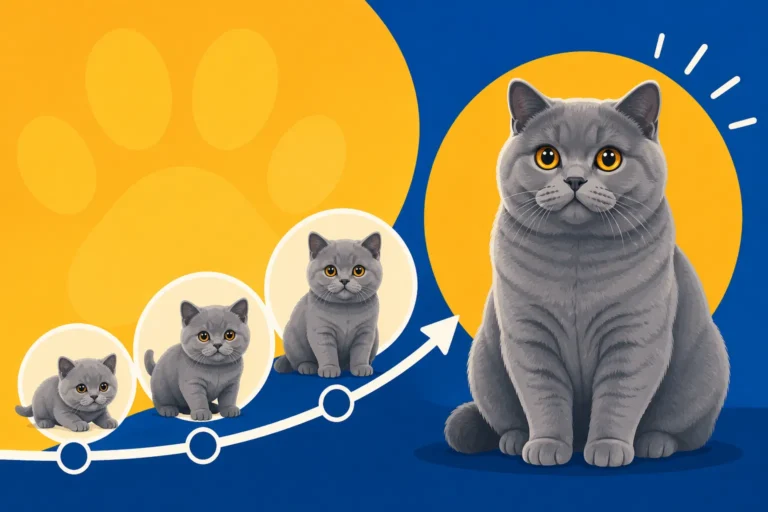
It's fascinating to observe how a British Shorthair's head develops over its lifespan. When a British Shorthair Reaches Its Adult Head can vary, but generally, that impressive roundness and fullness really come into their own between two and five years of age. Kittens have cute, round faces, but they lack the sheer substance and breadth of an adult. They mature slowly, filling out not just their bodies but also their faces. So, if you have a young British Shorthair, be patient; that majestic head is still in the making!
Gender also plays a significant role. Male British Shorthairs typically have noticeably broader, more massive heads with much more prominent jowls compared to females. While females also possess the characteristic roundness and full cheeks, their overall head structure tends to be a bit more refined and less imposing. This difference in head size and jowl development contributes to the distinct masculine and feminine appearances within the breed, much like how How Much a Male British Shorthair Weighs tends to be more than a female. This is a natural, desirable difference, showcasing the full range of the breed's beauty. In fact, a lot of the broadness we associate with What Cobby Means in a British Shorthair extends right up to the skull.
It's also worth noting the historical impact on head shape. Remember The Persians That Rebuilt the British Shorthair After the War? That outcrossing brought in genes that contributed to the breed's current head structure, making it even more distinct and robust. What the Persian Gave a British Shorthair's Head was often a heavier bone structure and a rounder skull, which became a foundational aspect of the modern British Shorthair. This evolution shows how carefully chosen breeding has sculpted the breed into the beloved companion we know today, emphasizing that iconic round head that makes them look so much like Why a British Shorthair Looks Like a Teddy Bear. And if you're looking for quality food or toys that suit a strong-jawed, full-faced cat, remember to check out options available at places like Chewy, where you can find robust feeders and enrichment items designed for sturdy breeds. Chewy often has a great selection of durable toys that even a relatively calm British Shorthair might enjoy batting around, helping them maintain a healthy weight which in turn contributes to a well-proportioned appearance. Sometimes, finding just the right bowl for a cat with a broad, round face can be a small struggle, but Chewy offers a variety of sizes and shapes to make mealtime comfortable.
Disclaimer
This article is for general informational purposes only and does not constitute professional advice. Laws, prices and regulations vary by location and change over time. Consult a qualified professional for guidance on your specific situation.