When a British Shorthair Reaches Full Size
One of the biggest joys, and sometimes the biggest puzzles, for new British Shorthair owners is watching their furry companion grow. Unlike many cat breeds that seem to reach their adult size in a flash, British Shorthairs take their sweet time, often leaving owners wondering when exactly their beloved kitten will stop growing and truly become the magnificent, hefty cat they're destined to be. This guide will walk you through the unique growth timeline of the British Shorthair, what to expect at different stages, and how to tell if your cat is simply filling out or getting a bit too much of those delicious treats.
The British Shorthair's Unique Growth Trajectory
The British Shorthair isn't just known for its plush coat and round face; it's also famous for its slow, deliberate growth. If you've owned other cat breeds before, you might be accustomed to a cat reaching almost full size by their first birthday. With a British Shorthair, that timeline is stretched out, often surprisingly so for those unfamiliar with the breed. This isn't a flaw; it's simply how these wonderful cats are built, contributing to their robust and solid appearance.
Not Your Average Kitten Growth Spurt
Many popular cat breeds, such as Siamese or Bengals, grow quite rapidly, often reaching their full height and most of their adult weight by 9 to 12 months of age. Their frames lengthen quickly, and while they might fill out a little more, the overall structure is mostly complete. This can lead to some confusion for British Shorthair owners who see their kitten growing steadily but not quite "shooting up" like a more svelte breed. They might look like perpetually chunky adolescents for longer than expected. It’s important not to compare their growth curve to these other breeds, as the British Shorthair's development is on its own unique schedule. Expecting them to be fully grown at one year old is a recipe for concern, when in reality, they are right on track.
Gradual Maturation: It's a Marathon, Not a Sprint
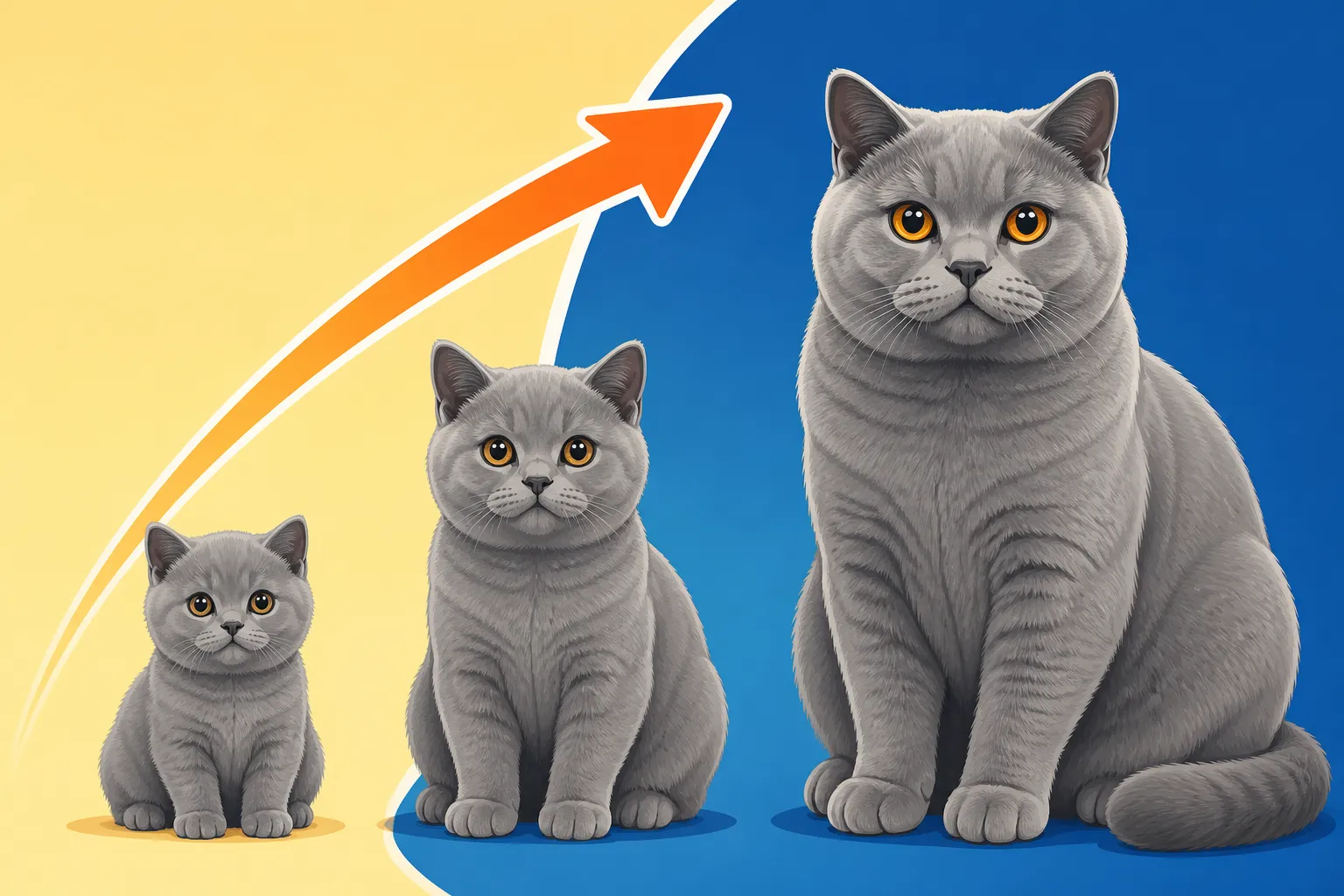
The British Shorthair is a breed that truly takes its time to mature, both physically and often mentally. While they reach sexual maturity around a year old, and their basic frame is established, their full development into that iconic, cobby, teddy bear-like cat typically spans several years. It's not uncommon for a British Shorthair to continue filling out, broadening in the chest, and developing those characteristic jowls (especially in males) until they are three, four, or even five years old. This slow maturation is part of their charm, allowing them to retain a playful, almost kittenish demeanor for longer, while steadily building the impressive physique the breed is known for. This lengthy growth period is precisely why discussions about How Long a British Shorthair Lives on Average often emphasize their longevity, as a slower start can sometimes mean a longer, healthier life when properly managed.
Physical Milestones: Beyond the Scale
While weight is an obvious indicator of growth, a British Shorthair's journey to full size involves many subtle, yet important, physical changes that go beyond just numbers on a scale. Understanding these milestones helps you appreciate the breed's development and distinguish between healthy growth and potential overfeeding. It's about observing the development of their entire body, from their bone structure to the famous roundness of their head.
The Developing Body: Bone Structure and Musculature
A British Shorthair is meant to be a powerful, compact cat with a well-rounded, muscular body. This isn't something that happens overnight. As kittens, they are cute and fluffy, but the underlying bone structure is still maturing. You'll notice their chest widening, their legs becoming sturdier, and their overall frame becoming more substantial over time. This process is gradual. They gain muscle mass, contributing to their firm, dense feel. The term "cobby" is often used to describe their build, meaning stocky, sturdy, and compact, with broad shoulders and hips. This robust framework supports their weight and gives them their characteristic powerful appearance. It's during this extended growth period that they develop the density and breadth that defines What Cobby Means in a British Shorthair. You'll feel their developing musculature under that plush coat, a sign of their healthy maturation.
Head and Cheeks: The Iconic "Teddy Bear" Look
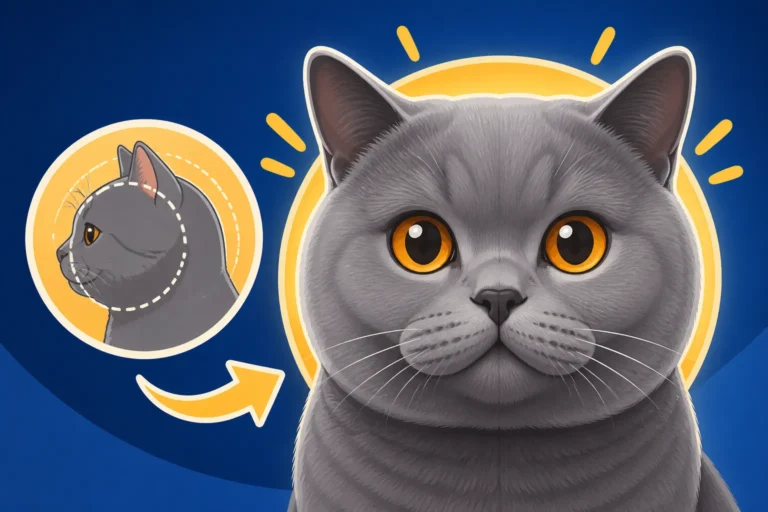
Perhaps one of the most beloved features of the British Shorthair is its wonderfully round head and full cheeks, often referred to as "jowls" in males. This iconic teddy bear look doesn't fully develop until well into adulthood. While kittens have round faces, the true breadth and depth of the head, along with the prominent jowls in males, become pronounced closer to two or three years of age, and sometimes even later. These features are a hallmark of the breed standard and are a significant part of what contributes to their endearing, somewhat grumpy-looking expression. Watching these features gradually emerge and mature is fascinating, a testament to their slow and steady development. A healthy diet, like the quality options you can find on Chewy, supports this development without excessive fat deposits masking the true structure.
Weight and Size Expectations by Age
Understanding the general weight and size expectations for a British Shorthair at various stages of their life can help alleviate concerns and ensure your cat is growing appropriately. Keep in mind that these are averages, and individual cats will vary based on genetics, activity level, and diet.
Kittenhood to Adolescence: The First Year
During their first year, British Shorthair kittens experience rapid growth, though it might still feel slower than other breeds. They gain weight steadily, and their length increases noticeably. By six months, they often weigh a good deal more than other breeds of the same age, giving a hint of their adult bulk. However, they are still very much in their adolescent phase, with their full width and depth yet to come. It’s a common point of discussion among owners, curious about What a British Shorthair Should Weigh at Six Months as they see their little fluffball transforming.
- Birth to 3 Months: Rapid weight gain as they grow from tiny kittens into more substantial youngsters. They’re gaining ounces, then pounds, quickly.
- 4 to 6 Months: Growth continues at a strong pace. You'll notice their frame getting longer and more substantial. They are still quite playful and energetic during this stage.
- 7 to 12 Months: The growth rate might start to slow a little, but they are still putting on weight and continuing to fill out their frame. By 12 months, they will have achieved most of their adult height, but not necessarily their adult breadth or weight. Many will still look somewhat lean compared to their mature counterparts, lacking the full "brick" shape.
It's crucial during this period to ensure they are on a high-quality kitten food, formulated to support their rapid development without encouraging excessive fat accumulation.
The Young Adult Phase: Two to Five Years
This is where the true magic of British Shorthair growth happens. While many other breeds are considered fully mature by their first birthday, British Shorthairs truly blossom between the ages of two and five. During this phase, they continue to broaden, deepen, and gain the dense musculature that defines the breed. Their heads become fuller, and for males, the jowls develop significantly. This period is less about gaining height or length and more about filling out their existing frame.
- 1 to 2 Years: Your British Shorthair will continue to gain weight and muscle, their body starting to appear more solid and less gangly. The chest will widen, and the bones will feel more substantial. This is the stage where you might start to see the early signs of those magnificent jowls. Many owners look to benchmarks like What a British Shorthair Should Weigh at Two Years to track their progress.
- 2 to 5 Years: This is the peak period for "filling out." Your cat will reach its maximum bulk and density, achieving the full, cobby body type. The head will become wonderfully round, and the facial features will become more pronounced. Some cats might even continue to mature slightly past five years, though the most significant changes will have occurred by then. This is when they truly embody the classic British Shorthair look.
It’s easy during this extended period of development to accidentally overfeed, mistaking fat for filling out. Monitoring their body condition score is far more reliable than just the number on the scale.
What a Healthy British Shorthair Weighs
A healthy, fully grown British Shorthair is a substantial cat. Males are generally larger than females. Here's a general guideline for healthy adult weights:
| Age/Gender | Typical Weight Range (pounds) | Key Developmental Points |
|---|---|---|
| 6 Months | 6 – 9 lbs | Growing rapidly, still lean, gaining length and height. |
| 1 Year | 9 – 12 lbs | Most of adult height reached, but still filling out in breadth and muscle. |
| 2 Years | 12 – 16 lbs | Significantly more solid, chest broadening, early jowls in males. |
| 3 – 5 Years (Adult Male) | 14 – 20+ lbs | Full cobby body, dense musculature, prominent jowls. |
| 3 – 5 Years (Adult Female) | 10 – 15 lbs | Full cobby body, dense musculature, round face, generally daintier than males. |
It's important to remember that these are ranges, and the emphasis should always be on a healthy body condition rather than hitting a specific number. You want to be able to feel their ribs easily, but not see them. Their waist should be discernible, even with their dense coat. This nuanced understanding is key to knowing What a British Shorthair Should Weigh on the Scale.
Factors Influencing Growth and Size
While the British Shorthair's slow and steady growth is a breed characteristic, several factors can influence the eventual size and weight your individual cat achieves. Understanding these can help you support healthy development and set realistic expectations. It's not just about genetics; environment, nutrition, and even early life experiences play a part.
Genetics and Lineage: The Breeder's Role
Just like in humans, genetics play a massive role in determining a British Shorthair's potential size. The size of the parents, grandparents, and the overall lineage of your cat will give you the best indication of what to expect. If both parents are on the larger end of the spectrum for the breed, it's more likely their offspring will also be large. Conversely, smaller parents might produce slightly smaller, though still sturdy, cats. A reputable breeder will be able to share information about the size of their breeding cats and might even be able to give you an estimate based on previous litters. It's why inquiring Whether Parents Predict a British Shorthair's Size is a smart question to ask a breeder. Don't fall for promises of an "extra large" British Shorthair without seeing the parents and understanding the genetics at play. Whether a Breeder Can Promise a Big British Shorthair largely depends on their knowledge of their lines.
Nutrition and Diet: Fueling Healthy Development
Proper nutrition during all stages of growth is paramount. During kittenhood, a high-quality, growth-appropriate kitten food provides the necessary protein, fats, and essential nutrients for bone and muscle development. As they transition to adulthood, a balanced adult formula is key. However, British Shorthairs have a notoriously hearty appetite and a relatively low activity level, making them prone to weight gain. This is where the importance of portion control truly comes into play. Overfeeding, even with good quality food, can lead to your cat becoming overweight, which isn't the same as being "big" or "well-built." It's critical to provide adequate nutrition for growth without excess calories that turn into fat. Brands available on Chewy offer specific formulas for weight management or for larger breeds, which can be helpful.
It's easy to look at a growing British Shorthair and think they need more food because they're not yet "full size." In reality, they need appropriate portions that align with their current weight, age, and activity level. Calorie needs change as they mature. Getting this right is a constant balancing act for owners, but it's vital for their long-term health. Understanding How Much an Adult British Shorthair Eats is crucial, and it’s probably less than you think for such a solid-looking cat.
Spaying/Neutering and Hormonal Impact
Spaying or neutering your British Shorthair can also have an impact on their growth and metabolism. While the primary reason for these procedures is population control and behavioral benefits, they can influence a cat's physical development. Cats who are spayed or neutered often have a slightly slower metabolism, making them more prone to weight gain if their diet isn't adjusted. Some studies suggest that early spay/neuter might slightly influence bone plate closure, potentially leading to slightly longer limbs, but this effect is generally minor and not universally observed in domestic cats in a way that significantly alters their characteristic breed conformation. The more significant impact for British Shorthairs is the increased tendency to gain weight, which needs careful dietary management. After neutering, your cat will still fill out over the coming years, but vigilance against obesity becomes even more important.
Distinguishing Full Size from Obesity
This is perhaps the most critical distinction for British Shorthair owners. Their naturally cobby build and dense coat can easily mask excess weight, leading owners to believe their cat is just "big-boned" or "filling out" when, in fact, they are becoming overweight. Obesity is a serious health concern, leading to a host of problems, and it can significantly impact a British Shorthair's quality of life and lifespan. It's a sad reality that Obesity Is the British Shorthair's Real Disease, and understanding the difference is key to preventing it.
The Difference Between Chunky and Overweight
A truly "chunky" or "heavy" British Shorthair should feel dense and solid, with strong musculature. When you run your hands along their sides, you should be able to feel their ribs without pressing too hard, much like feeling the back of your hand. You should also be able to discern a waistline, even if it's not dramatically tucked in, particularly when viewed from above. Their belly should be firm, not pendulous.
An overweight British Shorthair, on the other hand, will have a layer of fat over their ribs, making them hard to feel without significant pressure. They will lack a discernible waist, appearing more like a continuous loaf shape from head to tail. Their belly might sag, and you might notice fat pads around their hind legs or base of their tail. Their movements might become less agile, and they might even struggle with self-grooming. This is a common and vital lesson for owners, learning How to Tell a Chunky British Shorthair From a Fat One. Regularly assessing your cat's body condition score is far more effective than simply looking at the scale.
The Dangers of Premature Weight Gain
Allowing your British Shorthair to become overweight, especially during their extended growth period, can have detrimental effects. Excess weight puts undue strain on their developing joints and skeletal system, increasing the risk of arthritis later in life. It can also predispose them to other serious health issues such as diabetes, heart disease, and liver problems. What Obesity Does to a British Shorthair's Joints is a serious concern, as their sturdy build is meant for muscle, not fat.
It's a common misconception that a "bigger" cat is a "better" cat. For British Shorthairs, a healthy, well-muscled, and proportionate cat is always the goal, not simply a heavy one. If you notice your British Shorthair rapidly gaining weight beyond what seems appropriate for their frame, or if they appear to be gaining fat rather than muscle, consult your veterinarian. They can help you establish a proper feeding plan and assess your cat's body condition. Tools like portion-controlled feeders (easily found on Chewy) can also be a game-changer in managing their intake, as Why a British Shorthair Gains Weight So Easily is often linked to overfeeding. A healthy, fully grown British Shorthair is a magnificent cat, but that comes from proper development, not just sheer poundage.
Disclaimer
This article is for general informational purposes only and does not constitute professional advice. Laws, prices and regulations vary by location and change over time. Consult a qualified professional for guidance on your specific situation.