Which Breeds Rebuilt the British Shorthair
It's hard to imagine, but there was a time when our beloved British Shorthair was on the brink of vanishing forever. After two devastating World Wars, the numbers of these wonderful cats plummeted, leaving dedicated breeders facing the daunting task of piecing the breed back together. This guide dives deep into that incredible journey, exploring which breeds stepped in to lend their genetics, how these vital outcrosses reshaped the British Shorthair we know and love today, and the lasting impacts of those decisions.
A Legacy Nearly Lost: The British Shorthair's Post-War Struggle
It’s truly a testament to the dedication of early British Shorthair enthusiasts that the breed exists at all. The mid-20th century was a brutal time for many animal breeds, and the British Shorthair was no exception. The disruptions and hardships of wartime meant that breeding programs collapsed, resources were scarce, and the focus shifted entirely to human survival. Cats were not a priority for careful breeding, and many purebred lines simply disappeared.
The Ravages of Two World Wars
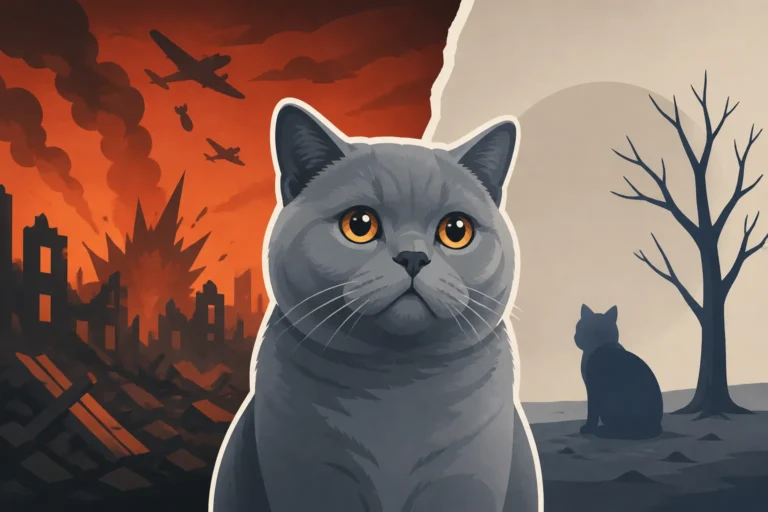
Imagine a time when entire cities were being bombed, food was rationed, and everyday life was a struggle for survival. This was the reality in Britain during both the First and Second World Wars. Cat Fancy activities, like showing and breeding, essentially ceased to exist. Breeders had to make impossible choices, and many couldn't afford to keep or feed their precious animals, let alone continue selective breeding programs. The genetic diversity of the British Shorthair, which wasn't enormous to begin with, suffered immensely. Finding enough healthy, type-correct breeding cats after the wars became an almost insurmountable challenge. You can learn more about this difficult period in Why British Shorthair Numbers Collapsed in the Wars.
The sheer scale of the disruption meant that careful record-keeping often fell by the wayside, and many lines were simply lost. It wasn't just about individual cats dying; it was about entire family trees being erased. This created a genetic bottleneck, meaning the surviving gene pool was incredibly small and lacked the diversity needed for a robust future. Rebuilding wasn't just about finding any British Shorthair; it was about finding healthy ones that still possessed the desired traits and then trying to recreate the breed's unique "type."
The Scarcity of Purebred Stock
Once the wars were over and life slowly began to return to some semblance of normal, breeders looked around and realized the extent of the damage. There were simply very few true British Shorthairs left. Those that did remain were often aging, and finding unrelated pairs to breed was a monumental task. The gene pool had shrunk to a dangerous degree, making inbreeding a significant risk for health and vigor. Breeders knew they couldn't just rely on the few remaining purebreds; they needed new blood, carefully chosen, to ensure the breed's survival.
This scarcity wasn't just a numerical problem; it was also about the quality of the remaining cats. Many lacked the robust health or the strong breed characteristics that define the British Shorthair. Their round heads, cobby bodies, and dense coats, which are so iconic today, were at risk of being diluted or lost entirely if new genetic material wasn't introduced. It was a dire situation that called for bold, and sometimes controversial, solutions.
The Imperative for Outcrossing
The hard truth was that without introducing other breeds, the British Shorthair might have gone extinct. Outcrossing, which is the practice of breeding outside the recognized breed to introduce new genes, became a necessary evil. It wasn't a decision taken lightly; breeders cherished the purity of their lines. However, the alternative was unthinkable. The goal was to infuse new vitality, improve genetic diversity, and bring back the desired physical traits that had diminished.
This process required careful selection. Breeders couldn't just pick any cat. They had to choose breeds that shared some characteristics with the British Shorthair, or that possessed traits they wanted to reintroduce, without fundamentally altering the British Shorthair's unique identity. It was a delicate balancing act, a high-stakes gamble to save a beloved breed. The decisions made during this period continue to influence the British Shorthair to this day, for better or worse.
The Persian's Profound Influence: Bringing Back Type and Substance
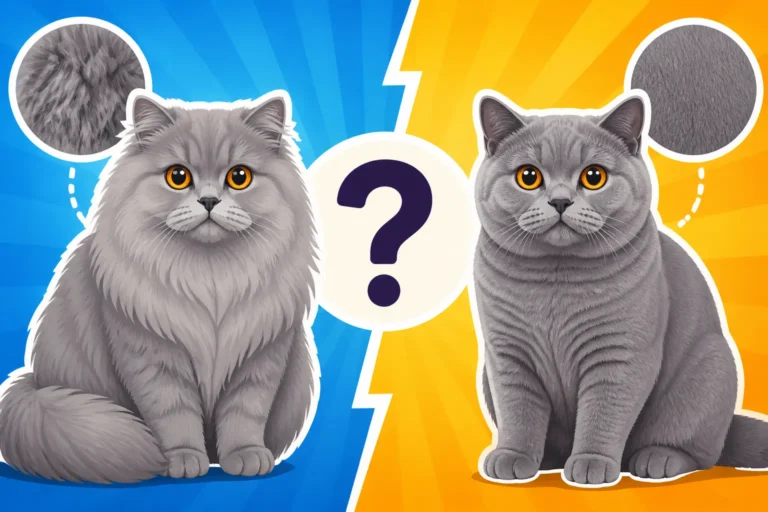
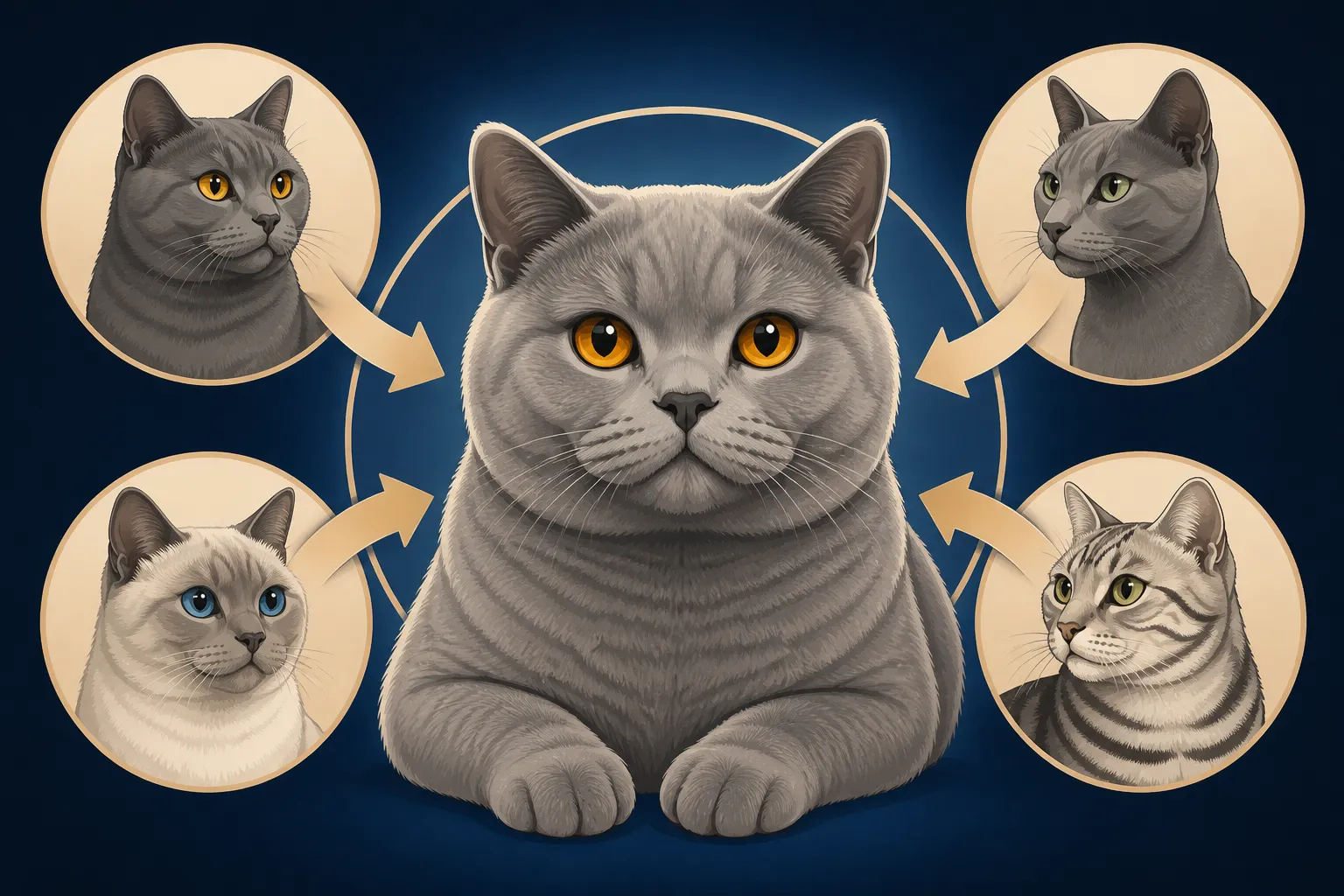
When it came to outcrossing, one breed stood out as a primary candidate: the Persian. Its immense popularity, robust health (at the time), and certain shared physical traits made it an appealing choice for British Shorthair breeders looking to rebuild their lines. The impact of the Persian on the British Shorthair cannot be overstated; it fundamentally reshaped the breed's appearance.
Why the Persian Was the Primary Choice
The Persian cat was a popular and well-established breed with a relatively large gene pool, which was exactly what the struggling British Shorthair needed. Its calm temperament, round features, and substantial build made it a logical partner for outcrossing. Breeders hoped that by introducing Persian blood, they could quickly re-establish the desired "cobby" body type and the plush, dense coat that were hallmarks of the pre-war British Shorthair. They also appreciated the Persian's gentle nature, believing it would complement the British Shorthair's calm disposition.
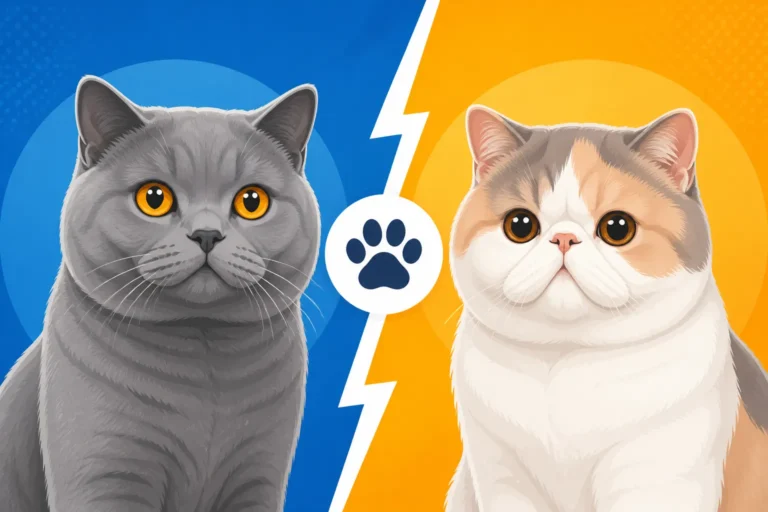
However, it wasn't a perfect match. The Persian brought with it some distinct features that weren't traditionally part of the British Shorthair standard, such as a longer nose and a different skull structure than the traditional British roundness. Despite these differences, the need for new genes and specific physical attributes was so pressing that the Persian became the most significant contributor to the breed's revival. You can read more about this in The Persians That Rebuilt the British Shorthair After the War.
The Gift of the British Shorthair's Signature "Cobby" Build
One of the most defining characteristics of the modern British Shorthair is its "cobby" body—a short, compact, and heavily muscled physique. This is largely a gift from the Persian. Before the outcrosses, while British Shorthairs were sturdy, they perhaps weren't as universally cobby as we see them today. The Persian introduced a more extreme form of this solid, substantial build, reinforcing the breed's iconic teddy bear appearance.
This infusion of Persian genetics helped to ensure the British Shorthair regained its strong, broad chest, short, thick legs, and a generally powerful and rounded silhouette. It's what gives them that adorable, solid presence, making them feel like a hefty, comforting pillow when they settle beside you. The robust bone structure and overall substance became firmly re-established, distinguishing them from leaner, more elegant shorthair breeds. You can really appreciate What the Persian Cross Gave the British Shorthair when you look at a well-typed British Shorthair today.
The Plush Coat and Round Head Contribution
Beyond the body, the Persian also played a pivotal role in refining the British Shorthair's luxurious coat and distinctive head shape. The Persian's incredibly dense, soft undercoat helped to create the British Shorthair's signature "crisp" plush coat that stands away from the body. It gave the coat a richness and depth that might have been lost otherwise. You can often feel the incredible density of a British Shorthair's fur, almost like a thick velvet, and much of that comes from their Persian ancestors.
Furthermore, the Persian reinforced the British Shorthair's famously round head, with its full cheeks and firm chin. While the British Shorthair always had a round head, the Persian cross helped to exaggerate and solidify this trait, making it even more pronounced and endearing. This influence gave us the charming, sweet-faced cats we adore today, often looking like they're permanently smiling. It's fascinating to consider What the Persian Gave a British Shorthair's Head and What the Persian Gave a British Shorthair's Coat when you look at how perfect these traits are in a well-bred British Shorthair. Of course, the Persian's longhair gene was also introduced, leading to the occasional occurrence of longhaired kittens in British Shorthair litters, a topic explored in Whether the Longhair Gene Is Still in the British Shorthair.
Unintended Consequences: The PKD Legacy
While the Persian provided many benefits, it also brought an unfortunate genetic baggage: Polycystic Kidney Disease (PKD). This inherited condition causes cysts to form in the kidneys, progressively impairing kidney function over time. When Persian cats were used in the British Shorthair rebuilding program, the PKD gene was inadvertently introduced into the British Shorthair gene pool. This was a silent threat that went unrecognized for many years, as genetic testing wasn't available at the time.
The presence of PKD became a serious concern for the breed, highlighting the unforeseen risks of outcrossing. Dedicated breeders have worked tirelessly since the development of DNA testing to eradicate PKD from British Shorthair lines. It's a stark reminder that while outcrossing saved the breed, it also created new challenges that required generations of careful breeding and screening to overcome. Understanding Whether the Persian Cross Brought PKD Into the British Shorthair is crucial for appreciating the health challenges faced by the breed, and what What Polycystic Kidney Disease Does to a British Shorthair means for affected cats.
The Role of Other European Shorthairs: Broadening the Gene Pool
While the Persian was undoubtedly the most prominent outcross, other European shorthair breeds also played a subtle but important role in diversifying the British Shorthair gene pool and reinforcing specific traits. These contributions were crucial in ensuring the breed's long-term health and maintaining its distinct characteristics without leaning too heavily on a single outside influence.
The Chartreux and Its Blue Coat Connection
The Chartreux, a French breed known for its distinctive blue-grey coat and sturdy build, was another breed used in some British Shorthair lines. Historically, the British Shorthair was renowned for its "British Blue" variety, and the Chartreux's consistent blue coloration and cobby body type made it a sensible choice for reinforcing these traits. The Chartreux also shared the calm, gentle temperament that breeders valued in the British Shorthair, ensuring that new genetic material wouldn't disrupt the breed's placid nature.
The influence of breeds like the Chartreux helped solidify the specific shade and density of blue that is so iconic in the British Shorthair today. It contributed to the overall robustness and helped maintain the large, rounded eyes that are a hallmark of the breed. While less widely documented than the Persian outcross, its contribution was part of a broader strategy to ensure the British Shorthair's genetic health and phenotypic consistency. If you've ever wondered Whether a Chartreux Rebuilt the British Shorthair, the answer is yes, to a degree.
The Russian Blue's Contribution to Density and Eye Color
Similarly, the Russian Blue, another elegant blue shorthair breed, was also utilized to some extent. The Russian Blue is known for its incredibly dense, short, plush coat and vivid green eyes. While the British Shorthair typically has copper or gold eyes, the Russian Blue's contribution helped to ensure the British Shorthair maintained a truly dense coat and may have influenced the depth of color in some lines.
The overall aim of incorporating these additional shorthair breeds was to introduce genetic variation and strengthen existing desirable traits without introducing too many conflicting features. These strategic outcrosses helped create a stronger, more resilient breed, ensuring that the British Shorthair would not only survive but thrive. It wasn't just about restoring numbers; it was about restoring vitality. You can find more information about this in Whether a Russian Blue Rebuilt the British Shorthair.
The British Shorthair's Continued Evolution
The use of various shorthair breeds allowed for a more balanced rebuilding effort, ensuring that the British Shorthair didn't become too heavily reliant on a single outcross, like the Persian. This multi-pronged approach helped solidify the unique combination of traits that make the British Shorthair so distinctive today. It was a complex genetic puzzle, solved by dedicated breeders across several decades.
Even after the initial rebuilding phase, the British Shorthair continued to evolve. Breeders meticulously selected cats that expressed the desired "British type" and actively worked to minimize any undesirable traits introduced by the outcrosses. This ongoing process of selective breeding has allowed the British Shorthair to mature into the universally recognized and admired breed it is today, a true testament to its resilience and the commitment of its advocates.
The Ethical Dilemma of Outcrossing and Maintaining Standards
The decision to outcross was not without its controversies and ethical considerations. Breeders faced difficult choices between strict adherence to pre-war purity and the pragmatic necessity of saving the breed. This tension between preserving a legacy and adapting for survival shaped the British Shorthair's path.
Balancing Preservation with Purity
For many traditional breeders, the idea of introducing "foreign" blood into their cherished British Shorthair lines was deeply unsettling. The concept of breed purity was paramount, and outcrossing felt like a compromise of that ideal. However, the reality of the decimated gene pool forced a difficult conversation: was it better to let the breed fade away in its "pure" form, or to introduce other genetics to ensure its continuation, even if it meant a slight alteration of its original characteristics?
Ultimately, pragmatism won out. The goal became preservation, even if it meant evolving the breed slightly. The challenge then shifted to careful selection – choosing outcrosses that would bring the most benefit with the least disruption to the British Shorthair's core identity. This meant a long and arduous process of breeding back to type, a generational commitment to refine the new lines until they closely resembled the ideal British Shorthair standard. The journey involved countless hours of observation, careful pairing, and often, heartbreaking culling of offspring that didn't meet the evolving breed standard. This painstaking work, often without modern genetic tools, speaks volumes about their dedication.
The Controversy and the Kennel Clubs
The outcrossing programs sparked significant debate within the cat fancy communities and among various kennel clubs. There were concerns about whether the resulting cats could truly be considered British Shorthairs, or if they were effectively a new breed. Some registries were hesitant to recognize these outcrossed lines, leading to periods of uncertainty for breeders and their cats. It was a complex administrative and ethical maze to navigate.
Over time, as the outcrossed lines consistently produced cats that met the desired British Shorthair standard, and as the urgency of breed survival became undeniable, the major cat registries eventually accepted the new reality. This acceptance was crucial for the breed's continued development and allowed breeders to register and show their cats, solidifying the new foundation. The rules and regulations around outcrossing were stringent, often requiring several generations of "breeding back" to purebred British Shorthairs before a cat could be fully registered as a British Shorthair.
The Long-Term Impact on Genetic Diversity
Despite the initial controversy, the outcrossing programs ultimately succeeded in their primary goal: saving the British Shorthair from extinction and significantly improving its genetic diversity. By introducing fresh genes, breeders helped to reduce the risks associated with a constricted gene pool, such as increased susceptibility to certain diseases or a decline in overall vigor. This improved genetic health means that today's British Shorthair is generally a robust and healthy breed, capable of living a full and happy life.
The careful and considered use of other breeds created a broader genetic base, which is vital for any breed's long-term health and adaptability. It ensured that the British Shorthair could continue for generations to come, a lasting legacy of the tough decisions made by those early, dedicated breeders. The breed's recovery wasn't overnight; How Long the British Shorthair Took to Recover truly shows the dedication involved.
Modern British Shorthair: A Testament to Careful Breeding
Today, the British Shorthair is one of the most popular cat breeds globally, cherished for its calm demeanor, striking appearance, and sturdy health. This success is a direct result of the meticulous and thoughtful rebuilding efforts that took place decades ago. The modern British Shorthair is a living testament to the resilience of the breed and the unwavering commitment of its breeders.
The Legacy of the Foundation Cats
Every British Shorthair we see today carries the genetic legacy of those foundational cats – the few survivors of the war and the carefully chosen outcrosses that contributed to the breed's revival. Their combined genetic contributions created the British Shorthair we recognize: the round face, the dense, plush coat that demands a good combing (perhaps a sturdy metal comb from Chewy would be perfect for that!), and that signature cobby body. It's a blend of histories, a mosaic of genes that coalesced into a truly unique and beloved breed.
This legacy isn't just about physical traits; it's also about temperament. The calmness and easygoing nature of the British Shorthair were carefully preserved and reinforced during the rebuilding process. Breeders ensured that even as they introduced new physical characteristics, they maintained the breed's gentle disposition, making it an ideal companion for families and individuals alike. This consistent temperament is one of the main reasons for its enduring appeal.
Ongoing Health Screening and Responsible Practices
The lessons learned from the outcrossing, particularly regarding unforeseen health issues like PKD, have led to a strong emphasis on responsible breeding and health screening in the modern British Shorthair community. Today, ethical breeders are diligent about health testing their breeding cats for known genetic conditions, ensuring that they pass on only the healthiest genes to future generations. This includes DNA tests for conditions that may have been introduced through outcrossing, as well as regular veterinary check-ups.
For example, reputable breeders will openly share health certificates for their breeding cats, showing clear results for relevant genetic tests. This commitment to health screening is paramount for maintaining the breed's well-being and preventing a recurrence of the genetic bottlenecks or health crises of the past. When you're considering bringing a British Shorthair into your home, always ask about the parents' health screenings – it's a vital part of responsible pet ownership. Many breeders even recommend certain high-quality foods from retailers like Chewy to ensure optimal health from kittenhood.
The British Shorthair's Enduring Popularity
The British Shorthair's journey from near extinction to global adoration is truly remarkable. Its distinctive look, coupled with its placid and affectionate nature, has cemented its place as a favorite among cat lovers. Whether it's the iconic "Cheshire Cat" smile or their propensity to sit near you rather than on your lap, they possess a quiet charm that captivates. This popularity isn't just a fleeting trend; it's a testament to the breed's inherent qualities and the success of its dedicated preservation efforts.
Today, the British Shorthair stands as a symbol of successful breed revival. Breeders continue to work to maintain the breed standard while prioritizing health and temperament. The breed's ability to bounce back from the brink of oblivion speaks volumes about its inherent hardiness and the passion of those who committed themselves to its future. You might even find specialized British Shorthair food or accessories on Chewy tailored to their unique needs and build.
Here's a quick overview of the primary breeds involved in the British Shorthair's rebuilding and their key contributions:
| Outcross Breed | Primary Contributions | Notes |
|---|---|---|
| Persian | Reinforcement of "cobby" body type, dense plush coat, rounded head, full cheeks. | Most significant contributor. Also introduced the longhair gene and, unfortunately, the PKD gene. Critical for restoring the iconic "teddy bear" look and substance. |
| Chartreux | Deepening of blue coat color, reinforcement of sturdy build and calm temperament. | Contributed to the distinct blue variety that is so characteristic of the British Shorthair. Maintained desired temperament. |
| Russian Blue | Enhancement of coat density and texture, potentially influenced eye color (though British Shorthairs typically have copper/gold eyes). | Used to a lesser extent, but helped to broaden the gene pool and reinforce the plush, crisp texture of the coat. Played a role in ensuring genetic diversity beyond the Persian line. |
| Domestic Shorthair (select individuals) | Provided initial outcross and genetic diversity early on when purebred stock was almost nonexistent. | Before official recognition and formal outcrossing protocols, some robust domestic shorthairs that closely resembled the British type were likely used in informal efforts to preserve numbers, emphasizing natural hardiness and basic structure. This was crucial in the very early days. |
Disclaimer
This article is for general informational purposes only and does not constitute professional advice. Laws, prices and regulations vary by location and change over time. Consult a qualified professional for guidance on your specific situation.