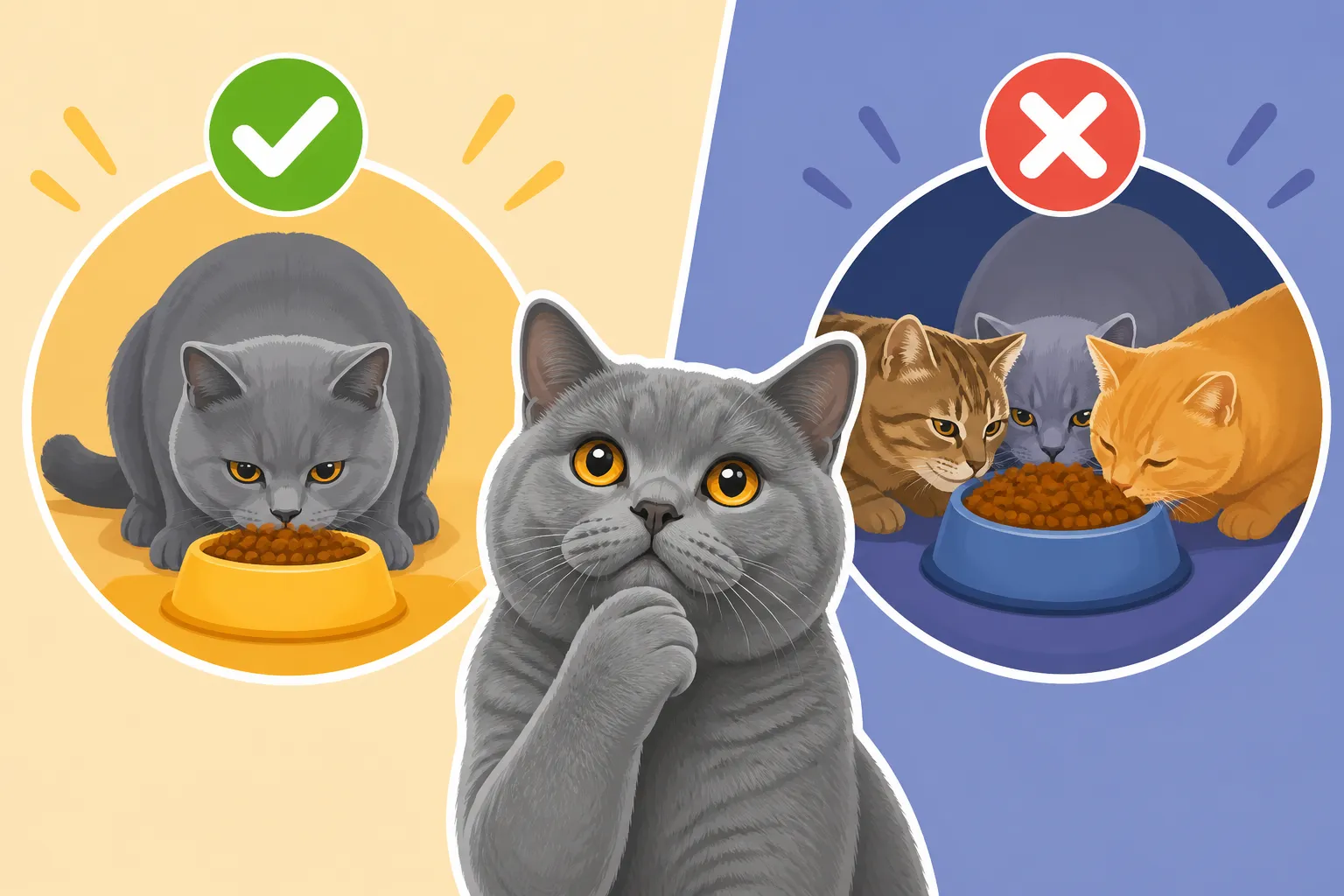
Whether a British Shorthair Should Be Fed Separately
Anyone who shares their home with more than one feline friend knows the daily dance that can happen around mealtime. It’s a common frustration, especially when one cat is a fast eater, another is a grazer, or one has specific dietary needs while another is a bottomless pit. For British Shorthair owners in multi-cat households, this issue is particularly relevant given their propensity for weight gain. This comprehensive guide will explore why separating your British Shorthair at feeding times might be the best approach and offer practical solutions to make mealtimes harmonious and healthy for all your cats.
Why Separate Feeding Becomes a Question for British Shorthairs in Multi-Cat Homes
It's not just about keeping the peace; separate feeding often becomes a necessity for the health and well-being of your British Shorthair and any other cats you live with. These cats have particular needs that can easily be overlooked in a free-for-all feeding environment.
The British Shorthair's Unique Dietary Needs
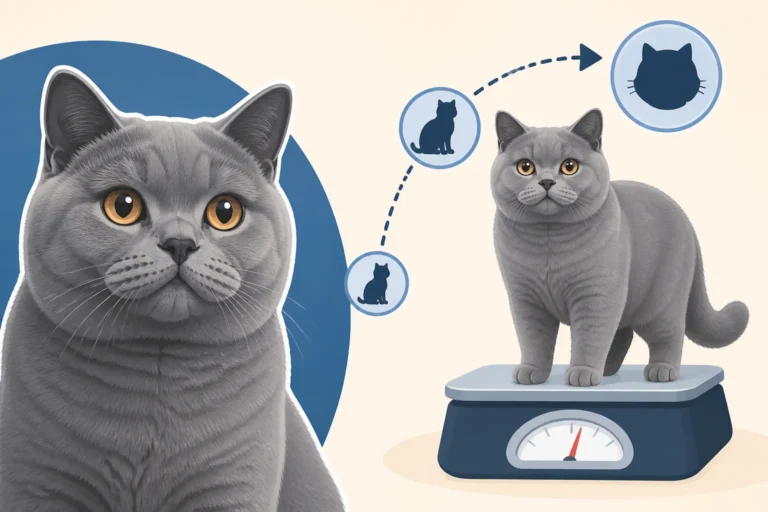
Let's be honest, British Shorthairs are magnificent, plush, and wonderfully round. That inherent "chonk" often leads to a misconception that they are naturally heavy. While they are a cobby breed with a sturdy build, they are also incredibly prone to packing on extra pounds if their food intake isn't carefully managed. Their metabolism can be a bit slower than more active breeds, and their love for a good nap means they don't burn calories at an alarming rate. This combination makes them particularly susceptible to obesity.
Free-feeding, where food is left out all day, is a recipe for disaster for many British Shorthairs. They often lack that "off switch" when it comes to food, happily grazing their way to an unhealthy weight. If they're sharing a bowl or a feeding station with other cats, it’s even harder to monitor how much your British Shorthair is actually consuming versus what their housemates are eating or leaving behind. You might think they're only eating their share, but often, the stealthy eater is enjoying a second helping from another cat's plate. This is exactly Why a British Shorthair Gains Weight So Easily. Their natural build makes it tricky to tell if they are truly chunky or just plain fat, but unchecked eating habits will quickly tip the scales.
The Dynamics of Multiple Cat Households
Picture this: you have your dignified British Shorthair, perhaps a bit of a slow, deliberate eater, savoring each kibble. Then you have your lightning-fast domestic shorthair who scarfs down their meal in 30 seconds flat, and then immediately goes looking for leftovers. In a multi-cat household, especially one with a British Shorthair, this scenario plays out daily.
- Food Theft: The quick eater, or the more dominant cat, will often swoop in and finish off your British Shorthair's meal before they've had a chance to enjoy it. This means your British Shorthair might not be getting enough nutrients, or worse, they learn to eat faster, leading to indigestion or even resource guarding issues.
- Overeating by the British Shorthair: Conversely, your British Shorthair, with its love for food, might be the culprit, sneaking bites from everyone else's bowl. This makes precise portion control almost impossible. If one cat is on a specific diet for, say, urinary health, and your British Shorthair is dipping into it, not only is their diet compromised, but the other cat's health might suffer too.
- Differing Appetites: You might have a cat who is very particular about their food and only eats a little at a time, leaving food out longer. This extended availability is a temptation for your British Shorthair to graze more than they should. The struggle to ensure How Many Calories a British Shorthair Needs is met without excess is constant.
Behavioral and Stress Factors
Beyond the physiological need for controlled eating, the social dynamics around food in a multi-cat home can be a source of significant stress.
- Competition and Guarding: When food is a shared resource, competition can naturally arise. One cat might subtly block another from accessing the food bowl, or a more assertive cat might physically chase another away. This can lead to anxiety, especially for more timid cats, who might only feel safe eating when the dominant cat isn't around, leading to irregular eating patterns or eating too quickly out of fear.
- Bullying: It's not always overt aggression; sometimes it's subtle bullying where one cat simply glares at another until they back away from the food. This invisible stress can manifest in other behavioral problems, like inappropriate urination or increased hiding.
- Mealtime Chaos: For you, the owner, trying to manage a free-for-all can be chaotic and frustrating. You want all your cats to feel safe and secure while eating, not like they're in a race or a battle. Understanding Why Free Feeding Ruins a British Shorthair is the first step towards a calmer, healthier feeding routine for everyone.
Practical Strategies for Separate Feeding Your British Shorthair
So, you've identified that separate feeding is the way to go. Now, how do you actually implement it without turning your home into a feeding-time battleground? There are several effective methods, ranging from simple to high-tech.
Physical Separation
This is often the most straightforward and cost-effective approach, especially if your cats are generally agreeable but just need their own space to eat.
- Different Rooms or Areas: Designate specific rooms or areas for each cat during meal times. For example, your British Shorthair might eat in the kitchen, while your other cat eats in the living room or a bedroom. This works well if you have doors you can close for the duration of the meal. Once they're done, the food bowls are picked up immediately. This requires a bit of scheduling but ensures each cat gets exactly what they need without interference.
- Crate Feeding: If you have one cat that's particularly slow or needs a very controlled environment, a large wire crate can be a fantastic tool. Your British Shorthair can eat their meal in the security of the crate, without interruption. Ensure the crate is a comfortable, positive space, perhaps with a soft blanket inside, and never use it as a punishment. It should be a place they associate with their delicious meal.
- Baby Gates: For cats, baby gates can be a double-edged sword, as many cats can jump over them with ease. However, for a less agile British Shorthair, or if you have a dog that's the primary food thief, a baby gate can provide a barrier. You can also get gates with small cat doors, allowing a smaller cat to access a feeding area while blocking a larger cat or dog. This might take some trial and error, but can be a good compromise for shared spaces.
Microchip or RFID Feeders
For those seeking a more elegant and automated solution, microchip or RFID (Radio-Frequency Identification) feeders are a game-changer. These clever devices read your cat's microchip (or a tag attached to their collar) and only open the food bowl lid for that specific cat.
- How They Work: Each cat wears a microchip or a small RFID tag on their collar. The feeder is programmed to recognize specific chips. When the designated cat approaches, the lid opens, allowing them to eat. When they move away, the lid closes, protecting the food from other pets, flies, or simply keeping it fresh. Brands like SureFeed are popular choices and can often be found on platforms like Chewy or Amazon.
- Benefits: These feeders completely eliminate food theft and allow for true portion control. You can leave food out for a grazer without worrying that your British Shorthair will sneak extra snacks, or vice versa. This is particularly useful if you have a cat on a prescription diet or if you need to meticulously track How Much Food a British Shorthair Should Get Per Meal. It simplifies things immensely, as you don't have to physically separate your cats or stand guard during meal times.
- Considerations: They require an initial investment, and some cats might be wary of the moving lid at first. However, most come with a training mode to help your cat get accustomed to it. They are invaluable for managing complex feeding situations, such as cats with medical conditions or those needing strict weight management.
Elevated Feeding or Different Levels
This strategy leverages a cat's natural agility (or lack thereof) to create separate dining experiences.
- Vertical Space for Agile Cats: If you have an athletic cat who loves to climb, place their food bowl on a cat tree, a tall shelf, or a sturdy cabinet where your British Shorthair simply can't reach. British Shorthairs, while sturdy, aren't typically known for their Olympic-level jumping skills, especially as they get older or if they're carrying a bit of extra weight. This gives the more agile cat exclusive access to their food. You can learn more about How Much a British Shorthair Climbs to understand if this is a viable option for your specific cat.
- Ground Level for British Shorthairs: Conversely, your British Shorthair can have their food bowl on the ground, or on a low, easily accessible platform. This ensures they don't have to navigate tricky climbs or jump down from heights, which can be hard on their joints, especially if they are larger.
This method requires a good understanding of your cats' physical capabilities and vertical preferences. It’s less foolproof than microchip feeders but can be a good low-tech solution for certain household dynamics.
| Feeding Method | Pros | Cons | Best For |
|---|---|---|---|
| Physical Separation | Low cost, simple to implement | Requires active supervision, might be inconvenient for owners | Cats with varying eating speeds; temporary dietary needs |
| Microchip/RFID Feeder | Eliminates food theft, precise portion control | Higher upfront cost, initial training might be needed | Cats with strict dietary requirements, grazers, multi-cat households |
| Elevated Feeding | Utilizes existing furniture, low cost | Only works if one cat cannot reach heights, less foolproof | Households with significant differences in cat agility/mobility |
| Scheduled Mealtimes | Ensures fresh food, prevents overeating | Requires owner presence, can be challenging with grazers | All multi-cat households (often combined with other methods) |
The Benefits of Individualized Feeding Plans
Adopting a separate feeding strategy offers significant advantages that extend far beyond simply preventing food fights. It’s about tailoring care to each cat’s unique physiological and emotional needs.
Weight Management and Health
This is perhaps the most critical benefit for your British Shorthair. As we've discussed, these lovely cats are predisposed to putting on weight. When they have their own dedicated meal space and controlled portions, managing their weight becomes infinitely easier.
- Precise Portioning: You can measure out the exact amount of food recommended for your British Shorthair's ideal weight and activity level, knowing that they are the only one consuming it. This is the cornerstone of Portion Control Is the Whole Job With a British Shorthair. No more guessing if they ate enough, or too much.
- Prevention of Obesity-Related Issues: Consistent weight management helps prevent a cascade of health problems associated with obesity, such as diabetes, arthritis, and liver issues. An overweight British Shorthair is simply not a healthy one, and these issues can lead to expensive vet bills and a reduced quality of life.
- Monitoring Food Intake: If you ever notice a sudden change in appetite – either eating too much or too little – separate feeding makes it immediately obvious which cat is affected. This early detection can be crucial for addressing underlying health issues before they become severe. You can easily tell if your British Shorthair is not eating their full meal, which can be an early sign of discomfort or illness.
Addressing Specific Dietary Requirements
Many multi-cat households find themselves with at least one cat that requires a specialized diet. This might be due to age, allergies, or chronic health conditions.
- Prescription Diets: Cats with kidney disease, urinary tract issues, food allergies, or diabetes often need specific prescription foods. If another cat eats this food, it's not only a waste of an expensive diet, but it can also be detrimental to the health of the cat without the condition. Separate feeding ensures the right food goes to the right cat. For instance, if one cat needs a low-protein diet for kidney support, and your British Shorthair (who doesn't need it) consistently eats it, their nutritional needs won't be met, potentially leading to muscle loss.
- Life Stage Needs: Kittens need different nutrition than adult cats, and senior cats often benefit from specialized diets that are easier to digest or support joint health. Separate feeding allows you to provide a kitten formula for a growing youngster, while your adult British Shorthair gets their maintenance diet, and an older cat gets food suited for Caring for a British Shorthair Past Ten. Many reputable pet food brands, often available on Chewy or through your vet, offer these specialized formulations.
- Preventing Allergic Reactions: If one of your cats has a food allergy, exposure to the allergen from another cat's bowl can trigger symptoms. Separate feeding completely prevents this cross-contamination, ensuring the allergic cat remains healthy and comfortable.
Reducing Stress and Improving Harmony
A peaceful home is a happy home, and eliminating mealtime stress contributes significantly to overall feline well-being.
- Individual Security: Each cat can eat at their own pace, without feeling rushed or threatened. This is especially beneficial for timid cats or slow eaters, who might otherwise go hungry or develop anxiety around food. Your British Shorthair might be calm, but even they deserve to eat in peace.
- Less Resource Guarding: When food is no longer a contested resource, the need for cats to guard it diminishes. This reduces tension and conflicts between cats, fostering a more harmonious living environment. You might find your cats are more relaxed with each other overall.
- Improved Human-Cat Bond: You'll feel less like a referee and more like a nurturing caregiver. The routine of separate feeding can even become a bonding experience, as each cat learns to associate you with their safe, individualized mealtime. It frees you up to interact with them in a more positive way, rather than constantly policing the food bowls.
Potential Drawbacks and How to Overcome Them
While the benefits are clear, implementing separate feeding isn't without its challenges. It requires commitment and consistency, but with a bit of planning, most hurdles can be overcome.
Time and Effort
Let's be real, adding another step to your daily routine can feel like a chore. Especially if you have a busy schedule, coordinating multiple feeding times in different locations might seem overwhelming at first.
- The Initial Learning Curve: Both you and your cats will need to adjust. Cats are creatures of habit, and any change to their routine can be met with resistance. It takes patience to teach them the new system, whether it's going to their designated room or using a new feeder.
- Overcoming This: The key here is consistency. Once you establish the new routine, stick to it. Cats thrive on predictability. You'll find that after a week or two, they'll often anticipate their individual mealtime and go to their spots willingly. Consider using automated feeders (like those often found on Amazon that allow for scheduled dispensing) in conjunction with physical separation if you have a set work schedule. While these won't separate by cat, they can help you maintain a consistent feeding schedule.
Initial Resistance from Cats
Some cats might not take kindly to the change. They might protest, refuse to eat in their designated spot, or even try to break into another cat's area.
- The Protest Period: Your British Shorthair might look at you with their signature grumpy face, wondering why their world has changed. Other cats might meow incessantly or try to push past you to get to another bowl.
- Overcoming This:
- Gradual Introduction: Introduce changes slowly. Start by feeding them in separate bowls in the same room, then gradually move the bowls further apart, eventually into different rooms.
- Positive Reinforcement: Make the new feeding area highly appealing. Offer a high-value treat or a small amount of their favorite wet food when they go to their designated spot. Praise them lavishly for cooperating.
- Patience is Key: Don't give up if it doesn't work perfectly on day one. Some cats need more time than others. If you're using a microchip feeder, utilize its training mode feature, often allowing you to keep the lid open initially, then gradually close it over several days. This helps them get used to the sounds and movements without fear. This gradual approach is vital when your goal is to help your British Shorthair truly accept the new feeding regimen, even if they're not Whether a British Shorthair Will Diet Willingly at first.
Space Constraints
Not everyone lives in a sprawling mansion with a room for every cat. Limited space can make physical separation a challenge.
- Small Homes or Apartments: If you have an open-plan living space or a small apartment, finding distinct feeding areas can be tricky. You might not have extra rooms to close off.
- Overcoming This:
- Utilize Vertical Space: As mentioned earlier, cat trees, sturdy shelves, or even high countertops (if you're comfortable with cats on them) can create "rooms" in a vertical dimension.
- Strategic Placement: Even in a single room, you can create distinct feeding zones by placing bowls far apart, perhaps behind a piece of furniture or in a corner, out of direct line of sight from another bowl.
- Temporary Barriers: For mealtime, consider using portable pet playpens or even large cardboard boxes with an entrance cut out. These can provide a temporary, contained space for one cat to eat.
- Microchip Feeders are Your Friend: In small spaces, these feeders are invaluable. They allow cats to eat from their designated bowls whenever they choose, without needing physical separation, as the food is only accessible to the correct cat. This is particularly relevant to Whether a Microchip Feeder Works in a British Shorthair House.
Ultimately, ensuring your British Shorthair, and all your feline companions, receive the correct nutrition in a stress-free environment is a worthwhile endeavor. Separate feeding is an investment in their long-term health and your household's harmony.
Disclaimer
This article is for general informational purposes only and does not constitute professional advice. Laws, prices and regulations vary by location and change over time. Consult a qualified professional for guidance on your specific situation.