Which Protein Level Suits a British Shorthair
It’s a common frustration for British Shorthair owners: you want to feed your beloved furry companion the absolute best, but navigating the confusing world of cat food labels and nutritional advice can feel like trying to solve a Rubik's cube blindfolded. With their unique, stocky build and a propensity for gaining a bit too much weight if not managed carefully, understanding the ideal protein level for your British Shorthair isn't just about reading a bag of kibble; it’s about providing the foundation for a long, healthy, and happy life. This guide will help you decipher what protein truly means for your British Shorthair, what percentages to look for, and how to make informed choices for their dinner bowl.
Understanding Your British Shorthair's Protein Needs
When we talk about nutrition for our British Shorthairs, protein isn't just a buzzword; it's the cornerstone of their health. As obligate carnivores, cats have evolved to thrive on a diet primarily composed of animal-based protein. Ignoring this fundamental biological need can lead to a host of health problems down the line, and for a breed as distinctive as the British Shorthair, getting it right is crucial.
Why Protein is Non-Negotiable for Feline Health
Think of protein as the building blocks for nearly every essential function in your British Shorthair's body. It's not just about big, strong muscles, though that's certainly a huge part of it, especially for a cobby breed like the British Shorthair. Protein is vital for repairing tissues, growing new cells, creating enzymes and hormones, supporting a robust immune system, and even maintaining that luxurious, dense coat we all adore.
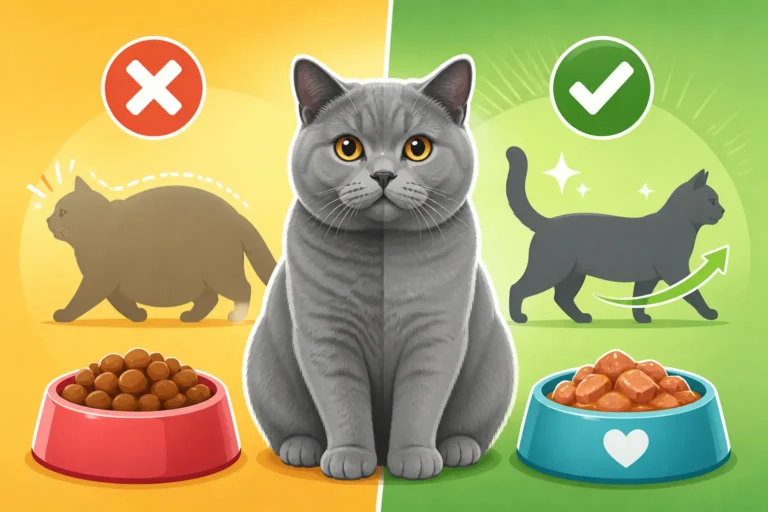
Unlike us humans, who can convert certain plant-based proteins into what we need, cats must get specific amino acids from animal protein sources. Taurine, for example, is an amino acid found almost exclusively in animal tissues, and a deficiency can lead to serious heart problems (like dilated cardiomyopathy) and blindness. This isn't something to take lightly. A British Shorthair's sturdy physique, characterized by their broad chest and powerful legs, relies on a consistent intake of high-quality animal protein to maintain its muscle mass and overall structural integrity. Without adequate protein, their bodies start breaking down their own muscle tissue for energy, which is obviously not what we want. This is particularly relevant as Obesity Is the British Shorthair's Real Disease, and a diet with appropriate protein can help maintain muscle even if calorie intake needs to be reduced for weight management.
The Ideal Protein Percentage Range for British Shorthairs
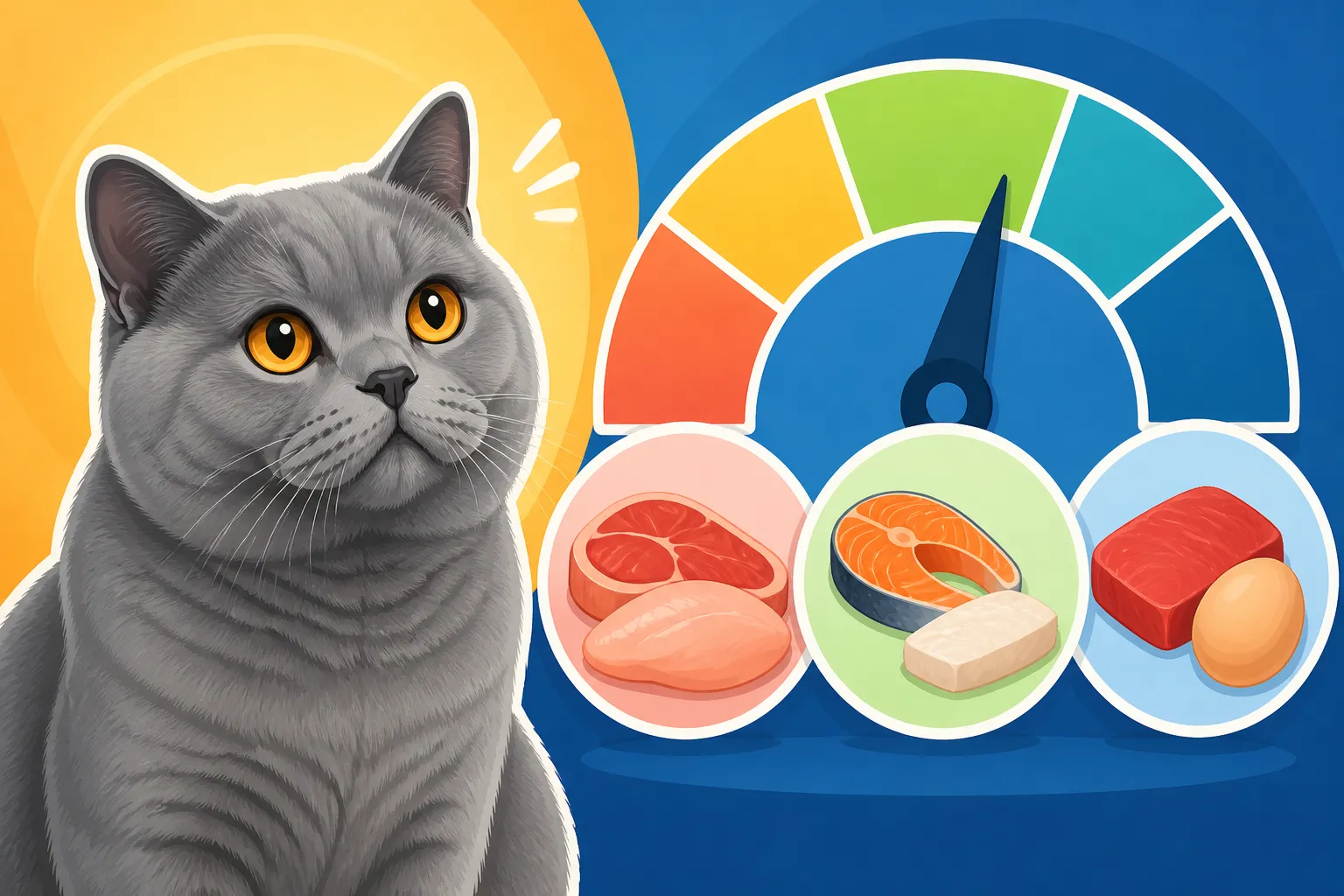
So, what exactly does "high protein" mean in numbers? For most adult British Shorthairs, you should be aiming for a diet that provides at least 30-45% protein on a dry matter basis. This "dry matter basis" is important because pet food labels often show percentages "as fed," which includes all the moisture. Since wet food has a lot more moisture than dry kibble, its "as fed" protein percentage will look much lower, even if it's actually higher on a dry matter basis.
To calculate dry matter protein:
- Find the "guaranteed analysis" on the food label.
- Locate the "Crude Protein" percentage and the "Moisture" percentage.
- Subtract the moisture percentage from 100% to get the dry matter percentage.
- Divide the crude protein percentage by the dry matter percentage.
- Multiply by 100 to get the dry matter protein percentage.
For example, a wet food with 10% crude protein and 80% moisture has a dry matter protein of: (10 / (100-80)) * 100 = (10 / 20) * 100 = 50% protein. That's excellent!
A dry kibble with 30% crude protein and 10% moisture would have a dry matter protein of: (30 / (100-10)) * 100 = (30 / 90) * 100 = 33.3% protein. This is still within a good range, but you can see how the numbers change significantly when you remove the moisture.
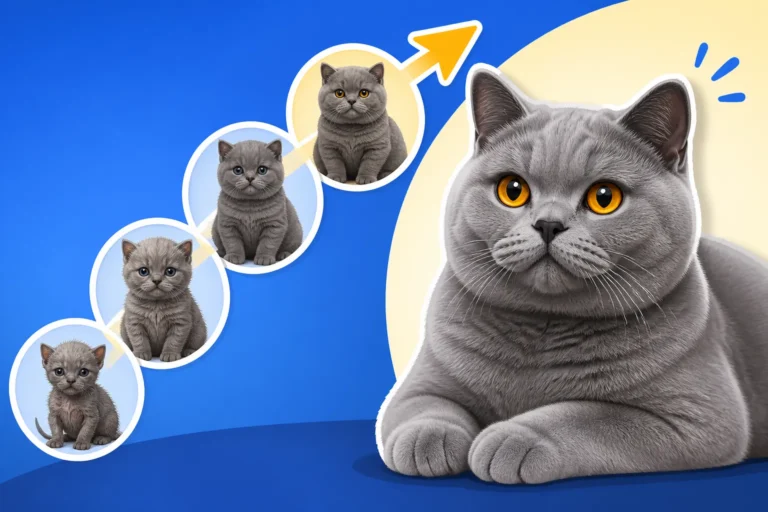
Kittens, because they are growing rapidly, will often need even higher protein levels, sometimes upwards of 40-50% on a dry matter basis, to support their explosive development. Seniors, on the other hand, can be a bit more nuanced. While some studies suggest that healthy senior cats benefit from higher protein to combat muscle wasting, those with specific health conditions like kidney disease might require a vet-recommended lower protein diet. This is why a generalized "ideal" range is just a starting point, and individual needs must always be considered.
Differentiating Protein Sources
Not all protein is created equal, especially when it comes to your British Shorthair. Cats are hardwired for animal-based protein. This means protein derived from meat, poultry, or fish. These sources contain the complete amino acid profile that a cat needs, including those essential amino acids like taurine, arginine, and methionine, which they cannot synthesize themselves.
Plant-based proteins, while found in some cat foods (often as fillers or to boost the overall protein percentage cheaply), are less bioavailable and do not provide the full spectrum of essential amino acids in the right ratios for a cat. Ingredients like corn gluten meal, pea protein, or soy protein might increase the total protein number on a label, but they don't offer the same nutritional value as meat-based proteins.
When scanning an ingredient list, look for named meat sources as the first few ingredients. Chicken meal, turkey, salmon, beef, lamb, and eggs are all excellent choices. "Meat by-products" or "animal digest" can be a bit more ambiguous, but reputable brands often clarify that these are still valuable animal protein sources, not just random scraps. The clearer the named meat source, the better. Reputable online retailers like Chewy often provide detailed ingredient lists and nutritional breakdowns, making it easier to compare different formulas.
Factors Influencing Protein Requirements
The journey to finding the perfect protein level for your British Shorthair isn't a one-size-fits-all map; it’s more like a personalized itinerary. Several key factors can significantly shift their dietary protein needs, making it essential to adjust their food choices accordingly.
Age and Life Stage
A British Shorthair's life is marked by distinct nutritional chapters, each with its own protein requirements:
- Kittens (up to 12 months): These little fluffballs are growing at an astonishing rate, laying down bone, muscle, and developing organ systems. They need a robust protein intake to fuel this intense growth. Typically, kitten formulas are higher in protein, often in the 40-50% dry matter range, along with higher fat and calorie content. It's crucial not to rush them off kitten food too soon. You can read more about this in How Long a British Shorthair Stays on Kitten Food. They are essentially tiny athletes, constantly building and repairing.
- Adults (1-10 years): Once your British Shorthair reaches maturity, their protein needs stabilize. The goal is to maintain their existing muscle mass, support daily bodily functions, and keep that gorgeous coat in prime condition. The 30-45% dry matter protein range we discussed earlier is generally ideal here. For an adult British Shorthair, especially one with their typically calm demeanor, maintaining a healthy weight is often the primary dietary challenge, and appropriate protein helps with satiety.
- Seniors (10+ years): As British Shorthairs age, they can sometimes experience muscle wasting, a natural part of the aging process called sarcopenia. To combat this, many senior cats actually benefit from higher quality protein, provided their kidneys are healthy. Protein helps preserve lean muscle mass, which is vital for mobility and overall well-being. However, this is where veterinary consultation becomes non-negotiable. If your older British Shorthair has been diagnosed with kidney disease, your vet might recommend a diet with restricted protein levels to reduce the workload on their kidneys. It’s a delicate balance, and regular check-ups are key to understanding their individual needs as they gracefully enter their golden years.
Activity Level and Body Condition
Your British Shorthair's daily routine plays a role in their protein demands:
- Sedentary British Shorthairs: Let's be honest, many British Shorthairs are champions of napping and leisurely observations from the sofa. What a British Shorthair Does All Day often involves a lot of stillness. A less active cat still needs adequate protein to maintain muscle tone and overall health, but might be more prone to weight gain if their calorie intake isn't carefully managed. For these placid cats, a high-protein diet can be beneficial as protein helps them feel full, potentially reducing overall calorie consumption and preventing them from becoming Signs a British Shorthair Is Overweight.
- More Active British Shorthairs: While not known for their olympic athleticism, some British Shorthairs do enjoy more vigorous play sessions. A cat that's more active will burn more calories and might have slightly higher protein requirements to support muscle recovery and energy levels. It's important to differentiate between genuine activity and simply being a "chonk." How to Tell a Chunky British Shorthair From a Fat One involves feeling their ribs and observing their waistline, not just their overall size.
- Overweight British Shorthairs on a Diet: This is a very common scenario for the breed. When a British Shorthair needs to lose weight, protein becomes even more critical. A diet that's higher in protein and lower in carbohydrates can help preserve lean muscle mass while the cat loses fat. Protein helps them feel satiated, making them less likely to beg for extra food, and ensures their body prioritizes burning fat for energy rather than muscle. Your vet might recommend a prescription weight-loss diet, which is typically formulated with this balance in mind. Maintaining healthy muscle mass is vital for their long-term joint health, which can be impacted by obesity.
Health Concerns and Special Dietary Needs
Certain health conditions will directly impact the protein recommendations for your British Shorthair:
- Kidney Disease: This is perhaps the most significant health concern that might necessitate a reduction in dietary protein. When kidneys aren't functioning optimally, they struggle to filter out the waste products of protein metabolism. A lower protein diet can ease this burden. However, it's not simply about feeding less protein, but highly digestible, high-quality protein, often in reduced amounts. This must always be guided by your veterinarian. Self-diagnosing and changing diet can be dangerous.
- Diabetes: For British Shorthairs with diabetes, a higher protein, lower carbohydrate diet is often recommended. Carbohydrates break down into sugars, which can destabilize blood glucose levels. Protein, on the other hand, has a minimal impact on blood sugar and can help manage the condition, sometimes even leading to remission in early cases. Whether an Overweight British Shorthair Gets Diabetes is a very real concern, as obesity is a significant risk factor. Many prescription diabetic diets are formulated to be high in protein and low in complex carbohydrates.
- Food Allergies or Sensitivities: If your British Shorthair experiences digestive upset or skin issues, they might have a food sensitivity to a particular protein source (e.g., chicken, beef, fish). In these cases, your vet might recommend a novel protein diet (e.g., duck, venison, rabbit) or a hydrolyzed protein diet where the proteins are broken down into tiny components, making them less likely to trigger an allergic reaction. This is less about the level of protein and more about the type.
Always remember that for any specific health concern, the first and most important step is a thorough consultation with your veterinarian. They can provide tailored advice and recommend specific therapeutic diets if needed.
Choosing the Right Food for Your British Shorthair
Navigating the pet food aisle (or the vast online marketplace) can be overwhelming. Every bag and can promises optimal health, but knowing what to look for, especially when it comes to protein, can make all the difference for your British Shorthair.
Reading Food Labels Like a Pro
Understanding a pet food label is like learning a secret code, but once you crack it, you gain immense power over your cat's nutrition.
- Guaranteed Analysis: This is the legal minimum or maximum percentages of nutrients. You'll usually see Crude Protein (min), Crude Fat (min), Crude Fiber (max), and Moisture (max). As we discussed, the "as fed" percentage for protein isn't the whole story, especially with wet food. Always convert to a dry matter basis for a true comparison between different types of food. Remember, a wet food with 8% protein might have a higher dry matter protein content than a dry food with 30% protein due to the water content difference.
- Ingredients List: This is perhaps the most critical section. Ingredients are listed in descending order by weight. For your obligate carnivore British Shorthair, you want to see named meat sources at the very top. Look for "chicken," "turkey," "salmon," "beef," or "lamb" as the first one or two ingredients. "Chicken meal" or "turkey meal" are also excellent because the water has already been removed, meaning they are a concentrated source of protein.
- Red Flags: Be wary if the first ingredient is a grain (like corn, rice, wheat) or a plant-based protein concentrate (like corn gluten meal, pea protein isolate). These ingredients might contribute to the overall protein percentage on the label, but they don't provide the complete and highly digestible amino acid profile your British Shorthair needs. Some carbohydrates are acceptable in cat food, but they shouldn't be the primary ingredient. Look for a short, digestible ingredient list, generally avoiding artificial colors, flavors, and excessive fillers.
Wet Food Versus Dry Food for Protein Intake
Both wet and dry food have their pros and cons, and often a mix of both is the ideal approach for a British Shorthair.
- Wet Food (Canned or Pouched):
- Pros: Generally much higher in moisture content (70-85%), which is fantastic for feline hydration and urinary tract health. Cats are notoriously poor drinkers, so getting moisture through their food is crucial. On a dry matter basis, wet foods often have very high protein percentages, making them an excellent choice for satisfying a British Shorthair's carnivorous needs. The higher protein and moisture content can also contribute to satiety, which is a major benefit for managing a British Shorthair's weight. You might find it helps them feel full with fewer calories if chosen carefully. For more on this, consider Whether Wet Food Keeps a British Shorthair Slimmer.
- Cons: Can be more expensive per serving than dry food. Left out, it spoils quickly, so portion control and prompt removal of uneaten food are essential.
- Dry Food (Kibble):
- Pros: Convenient, can be left out for longer periods (though free-feeding is rarely recommended for British Shorthairs due to obesity risk). Can be beneficial for dental health by scraping plaque, although this benefit is often exaggerated. Generally more cost-effective.
- Cons: Very low moisture content (around 5-10%), meaning your cat needs to drink more water to stay hydrated. Often higher in carbohydrates to bind the kibble together, which isn't ideal for an obligate carnivore. The protein content can be lower on a dry matter basis, or a higher percentage might come from less bioavailable plant sources.
Many owners opt for a mixed feeding approach, offering wet food for one or more meals and a measured portion of high-quality kibble. This combines the hydration benefits of wet food with the convenience of dry, ensuring your British Shorthair gets a good balance of protein and moisture. Online retailers like Amazon offer a vast selection of both wet and dry foods, allowing for easy comparison.
Considering Raw or Fresh Diets
The popularity of raw and fresh cat food diets has grown, with many proponents citing their high protein and natural moisture content as benefits that closely mimic a cat's ancestral diet.
- Raw Diets: These typically consist of uncooked meat, bones, and organs. They are inherently high in animal protein and moisture. The theory is that they provide nutrients in their most natural form.
- Pros: Very high protein and moisture. Potentially easier digestibility for some cats.
- Cons: Significant risks if not prepared correctly. Raw meat can carry bacteria like Salmonella and E. coli, posing risks to both the cat and human family members. Must be nutritionally balanced, which is incredibly difficult to achieve at home without expert guidance, potentially leading to nutrient deficiencies or excesses. Not recommended for immunocompromised cats.
- Fresh or Gently Cooked Diets: These diets involve human-grade ingredients that are gently cooked and then flash-frozen or refrigerated. They aim to provide the benefits of whole, recognizable ingredients while minimizing the bacterial risks of raw food.
- Pros: High in animal protein, natural moisture, and often contain fewer fillers or artificial additives than conventional kibble. Recipes are typically formulated by veterinary nutritionists to be complete and balanced.
- Cons: Generally the most expensive feeding option. Requires refrigeration or freezer space.
If you're considering a raw or fresh diet, it's absolutely paramount to do your research, consult with a board-certified veterinary nutritionist, and ensure the product you choose is complete and balanced for your British Shorthair's life stage. Never attempt to formulate a raw diet from scratch without expert guidance.
Practical Tips for Managing Your British Shorthair's Protein Intake
Once you have a good understanding of protein needs and how to choose appropriate foods, the next step is implementation. It's not just about picking a bag; it's about the entire feeding process.
Transitioning Foods Safely
You’ve done your research, picked out a fantastic new high-protein food that you think your British Shorthair will love. Great! But hold your horses before you dump a full bowl of the new stuff. Cats, especially British Shorthairs who can be a bit set in their ways, are creatures of habit and have sensitive digestive systems. A sudden change in diet can lead to upset stomachs, vomiting, or diarrhea – none of which are pleasant for you or your furry friend.
The golden rule for changing cat food is to do it slowly and gradually over 7 to 10 days. Here’s a typical schedule:
- Days 1-2: Mix 75% old food with 25% new food.
- Days 3-4: Mix 50% old food with 50% new food.
- Days 5-6: Mix 25% old food with 75% new food.
- Days 7-10: 100% new food.
During this transition, keep a close eye on your British Shorthair. Are they eating happily? Is their litter box behavior normal? If you notice any digestive upset, slow down the transition further, perhaps extending each stage for a few more days until their system adjusts. Patience is truly a virtue here. A smooth transition ensures they enjoy their new, healthy diet from day one without any unpleasant side effects.
Monitoring Your Cat's Response
Once your British Shorthair is on their new protein-rich diet, your job isn't over. You need to become a keen observer of their overall well-being. Their body will tell you whether the new food is a hit or a miss.
Look for these positive signs:
- Energy Levels: Are they exhibiting appropriate energy for a British Shorthair? This isn't about zooming around like a kitten, but rather a healthy, calm alertness. How Active a British Shorthair Is generally means bursts of play followed by long naps.
- Coat Condition: Their dense, plush coat should be soft, shiny, and free from excessive dandruff or greasiness. A dull, dry, or flaky coat can be a sign of nutritional deficiency, including inadequate protein or essential fatty acids.
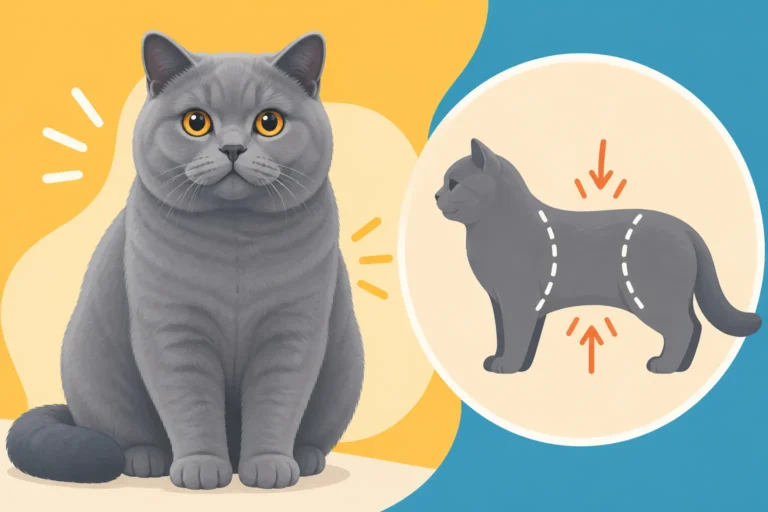
- Body Condition: Are they maintaining a healthy weight? You should be able to feel their ribs easily with slight pressure, but not see them. They should have a discernible waist when viewed from above. Regularly weighing your British Shorthair, especially older ones, is a good habit. How Often an Old British Shorthair Needs Weighing is a good article to review.
- Stool Quality: This might not be glamorous, but healthy stools are a big indicator of good digestion. They should be firm, well-formed, and consistent in color. Diarrhea or very hard, dry stools suggest something isn't quite right.
- Appetite and Thirst: A healthy cat should eat and drink regularly. A sudden drop in appetite or an increase in thirst could signal a problem, though increased thirst is less likely on a high-moisture, wet food diet.
Conversely, if you notice any persistent vomiting, diarrhea, lethargy, poor coat quality, or significant weight changes, it's time to re-evaluate the diet and consult your veterinarian. Every cat is an individual, and what works wonderfully for one British Shorthair might not be the perfect fit for another.
Consulting Your Veterinarian
This tip cannot be stressed enough: your veterinarian is your most valuable resource when it comes to your British Shorthair's diet and health. While online research and advice from fellow cat owners are helpful, they can never replace professional medical guidance.
- Regular Check-ups: Annual (or semi-annual for seniors) wellness exams are crucial. During these visits, your vet can assess your cat's overall health, body condition score, and discuss any changes in appetite or behavior.
- Individual Needs: Your vet knows your British Shorthair's medical history, any predispositions, and current health status. They can recommend specific diets for conditions like kidney disease, diabetes, allergies, or chronic gastrointestinal issues. They can also advise on appropriate portion sizes and calorie intake based on your cat's unique metabolism and activity level.
- Addressing Concerns: If you're struggling to find a food that works, or if your British Shorthair is experiencing health issues, your vet can guide you. They can also recommend specialist veterinary nutritionists if your cat has particularly complex dietary needs.
Think of your veterinarian as a partner in your British Shorthair's health journey. Open communication about diet, exercise, and any concerns you have will help ensure your beloved companion receives the best possible care throughout their life.
Disclaimer
This article is for general informational purposes only and does not constitute professional advice. Laws, prices and regulations vary by location and change over time. Consult a qualified professional for guidance on your specific situation.