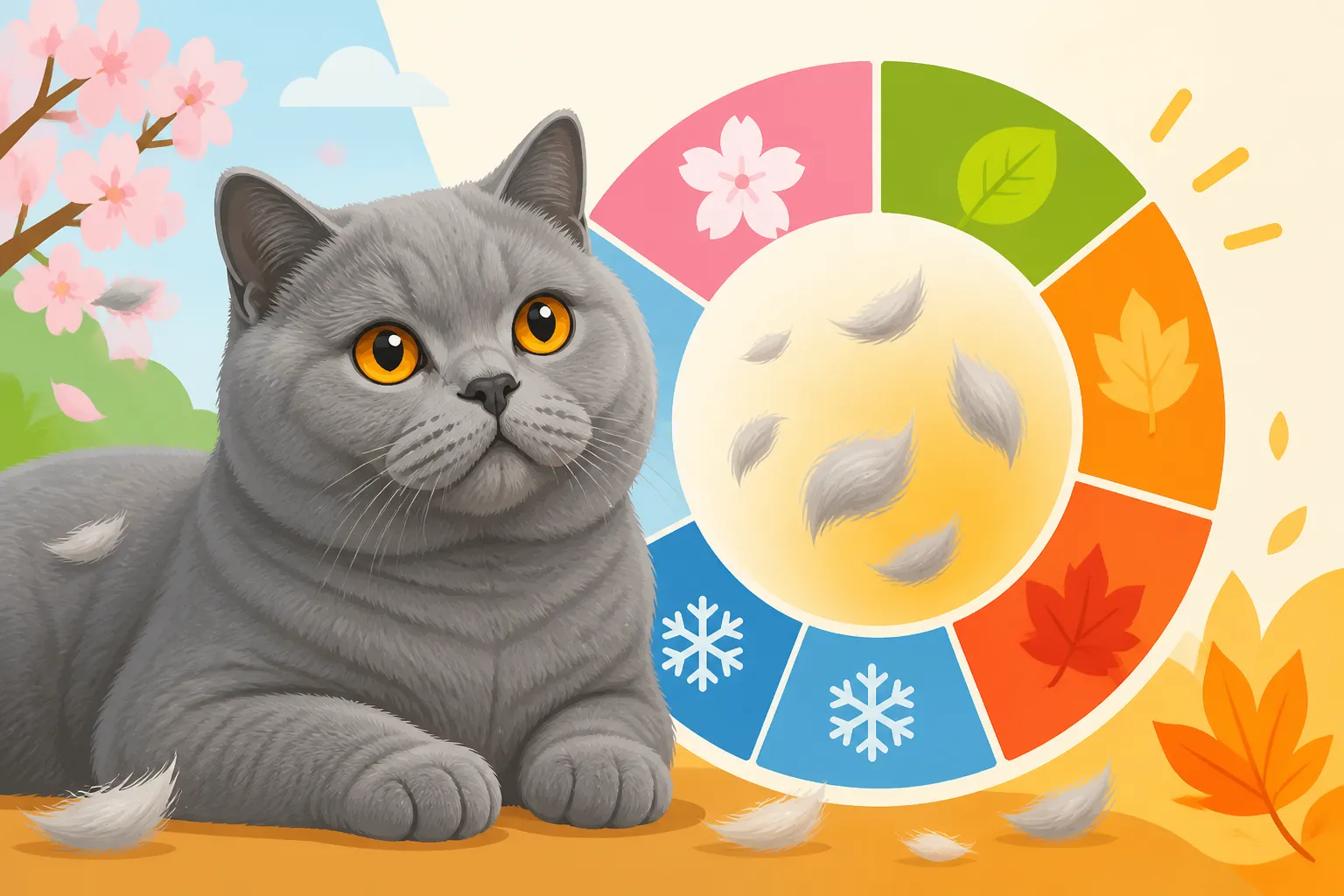
Which Months a British Shorthair Sheds Most
If you share your home with a British Shorthair, you've probably noticed that their incredibly plush, dense coat, while utterly charming, comes with a unique challenge: shedding. It’s not just a constant, low-level affair; these magnificent felines have distinct periods where the fur seems to multiply overnight, coating every surface imaginable. This guide is here to shed some light on the British Shorthair's shedding patterns, helping you understand when to brace for the fluffy onslaught and how best to manage it, keeping both your home and your beloved cat happy.
The Unique Majesty of the British Shorthair Coat
Before we dive into when they shed, it's crucial to appreciate why their shedding feels so prolific. The British Shorthair is renowned for its luxuriously dense, plush coat, often described as feeling like a thick, velvety carpet. This isn't just for show; it's a functional masterpiece designed to protect them.
Why Their Coat is So Dense
Imagine a teddy bear, but alive and purring – that's often the tactile experience of petting a British Shorthair. Their coat is remarkably thick and firm, standing away from their body, which gives them that characteristic round, solid appearance. This density isn't a single layer; it's a double coat, a sophisticated insulation system that has served their ancestors well for centuries in the cooler climates. The sheer volume of hair packed into every square inch of their body means that when individual hairs reach the end of their life cycle, there's a lot of material to be released. This natural process is amplified by the sheer quantity of hair they possess, making their shedding periods quite noticeable. What a British Shorthair's Coat Is Like goes into even more detail about this unique fur.
The Purpose of Their Undercoat
The secret weapon in the British Shorthair's arsenal against the elements, and indeed, the primary source of your shedding woes, is their undercoat. This layer consists of fine, soft, and incredibly numerous hairs that lie close to the skin, providing exceptional insulation. Above this, the coarser guard hairs form the protective outer layer, giving the coat its 'crisp' texture. When the seasons change, or even when indoor conditions shift, it's this insulating undercoat that undergoes the most dramatic renewal. The body naturally pushes out the old, spent undercoat hairs to make way for new growth, optimized for the upcoming temperature. Understanding that you're primarily dealing with these fine, fluffy undercoat hairs during peak shedding can help you choose the right grooming tools and techniques to capture them before they land on your sofa. Why a British Shorthair's Dense Coat Suited the Climate further explains the historical context of their impressive coat.
Decoding the Seasonal Shedding Calendar
While British Shorthairs, especially indoor ones, will shed a little all year round, there are definitely peak seasons when you’ll feel like you’re living in a fur factory. These periods are primarily driven by natural biological responses to changes in light and temperature.
The Great Spring "Blow-Out"
Without a doubt, the most significant shedding period for a British Shorthair happens in the spring. As the days lengthen and temperatures gradually rise, your cat's body signals that it's time to shed the heavy winter undercoat. This isn't a subtle process; it's often referred to as a "blow-out" for a reason! You'll likely notice a dramatic increase in loose fur around late winter and early spring, typically from February through April, though it can extend into May depending on your climate and your individual cat.
During this time, the sheer volume of hair that comes off can be astonishing. Running your hand over your cat might feel like pulling fluff directly from a cotton ball. This is the period when diligent grooming becomes absolutely essential, not just for your sanity but for your cat's comfort and health. If you don't help them remove this dead hair, it can lead to uncomfortable matting, especially in less accessible areas, and a higher risk of hairballs. You'll find yourself reaching for the vacuum and lint roller far more frequently than at any other time of year.
The Autumnal Undercoat Reinforcement
The second major shedding event, though often less intense than the spring purge, occurs in the autumn. As summer fades and the days shorten, your British Shorthair's body begins preparing for colder weather by growing a thicker, denser winter coat. To make room for this new, warmer insulation, they will shed the lighter summer undercoat. This autumnal shedding usually takes place from late August through October.
While you might not see the same dramatic clumps of fur as in spring, there will still be a noticeable increase in shedding. This phase is about transitioning their coat to one that offers maximum protection against the chill. Again, regular grooming helps facilitate this natural process, ensuring the new coat can grow in unimpeded and preventing discomfort for your cat. Think of it as them changing into their cozy winter jumper, but with a bit of a hairy clear-out beforehand. When a British Shorthair Blows Its Coat explores this phenomenon further.
Year-Round, Low-Level Shedding
Now, let's be realistic: a British Shorthair is rarely a no-shed cat. Even outside the intense seasonal shifts, you'll still find evidence of their magnificent coat throughout your home. This is particularly true for cats that live exclusively indoors. Our modern homes, with their consistent heating and artificial lighting, can somewhat disrupt the natural light cycles that trigger the most dramatic seasonal shedding.
Therefore, many indoor British Shorthairs experience a more continuous, albeit lighter, shedding pattern throughout the year. You'll still find fur tumbleweeds, fur on your clothes, and maybe a little extra fluff during grooming sessions. It’s never quite as overwhelming as the spring and autumn "blow-outs," but it's a persistent reminder that you share your space with a beautifully fuzzy creature. This consistent shedding means that a regular, year-round grooming routine, even if it's less intense than during peak seasons, is crucial. Whether an Indoor British Shorthair Sheds Year Round delves into this reality for house cats.
Here's a quick overview of what to expect:
| Season | Shedding Intensity | Primary Purpose | Key Months to Watch |
|---|---|---|---|
| Winter | Low to Moderate | Maintains thick, insulating coat | November – January |
| Spring | High (Blow-Out) | Sheds winter coat for lighter summer | February – April (Peak) |
| Summer | Low to Moderate | Maintains lighter coat | May – August |
| Autumn | Moderate to High | Sheds summer coat for denser winter | Late August – October |
Practical Strategies for Managing British Shorthair Shedding
Living with a shedding cat doesn't have to mean living in a fur-filled nightmare. With the right tools and consistent effort, you can significantly reduce the amount of loose hair floating around your home and keep your British Shorthair comfortable.
The Power of Regular Combing
This is, hands down, your most effective weapon against British Shorthair shedding. Regular combing physically removes the loose, dead undercoat before it has a chance to fall out and spread everywhere. During peak shedding seasons (spring and autumn), aim for daily combing, even if it's just a quick 10-minute session. Outside of these times, 2-3 times a week should suffice.
The key is using the right tools. Forget those slicker brushes with fine wire bristles; they often don't penetrate the dense British Shorthair coat effectively and can even be uncomfortable. Instead, invest in a good quality metal comb with both fine and wide-set teeth. The wider teeth will help untangle any minor knots, and the finer teeth will gently pull out that copious undercoat. A deshedding tool, used carefully and sparingly (once a week, max, during peak season), can also be incredibly effective at reaching the deep undercoat, but be cautious not to overdo it, as it can damage the healthy guard hairs if used too aggressively. For a great selection of these tools, check out what's available on Amazon – you can find everything from sturdy stainless steel combs to specialized deshedding rakes. Which Comb a British Shorthair Needs offers a deeper dive into selecting the perfect grooming tool for your furry friend. Consistency is far more important than intensity; short, frequent sessions are better than long, infrequent ones where your cat might get fed up. How Often a British Shorthair Needs Combing provides more specific advice.
Nutritional Support for a Healthy Coat
While grooming is external, what goes into your cat's body plays a huge role in the health and quality of their coat, and consequently, their shedding patterns. A well-nourished British Shorthair with a healthy coat will shed less excessively and have stronger, shinier fur.
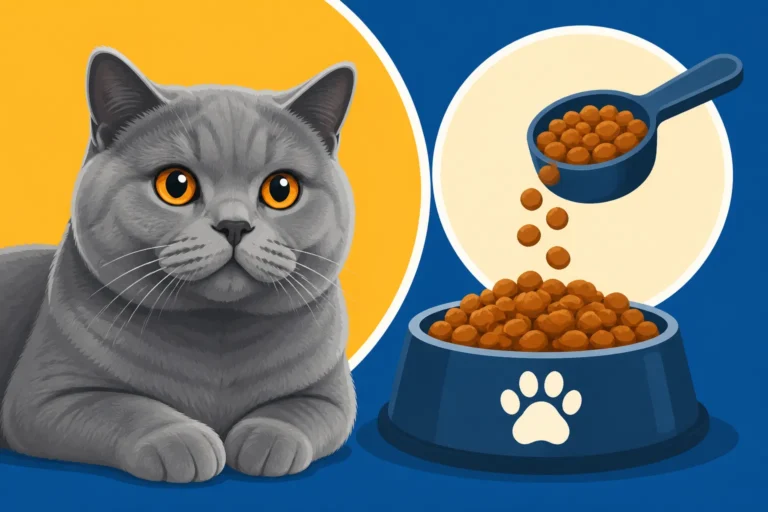
Look for high-quality cat foods that list real meat as the first ingredient and are rich in essential fatty acids, particularly Omega-3 and Omega-6. These fatty acids contribute to healthy skin and a lustrous coat, which can minimize excessive shedding. Some owners also supplement their cat's diet with fish oil, which is a fantastic source of Omegas, but always consult your vet before adding any supplements. Even if you're feeding a good quality kibble, ensure it's specifically formulated for adult cats and meets their nutritional needs. You can often find a wide variety of high-quality foods and supplements, including those with added omegas, on sites like Chewy. A healthy gut also means a healthy coat, so a balanced diet is foundational.
Environmental Control and Home Care
Let's be honest, even with the most diligent grooming, some fur is inevitable. That's where smart home care comes in to help manage the fallout.
Regular vacuuming, especially with a vacuum designed for pet hair, can make a huge difference. Pay attention to areas where your cat sleeps, jumps, or spends the most time. Lint rollers become your best friend for clothing and upholstered furniture before you head out the door. Consider placing blankets or specific "cat beds" in your British Shorthair's favorite lounging spots; these can be easily washed to remove trapped fur, rather than letting it settle into your permanent furniture. Investing in an air purifier with a HEPA filter can also help capture airborne pet dander and loose hairs, improving air quality and reducing the overall amount of fur circulating in your home. Remember to regularly wash your cat's bedding, blankets, and any soft toys they frequent. This not only keeps things clean but removes a surprising amount of loose hair before it finds its way to other surfaces. What British Shorthair Fur Does to Furniture gives more insight into the challenges of managing this lovely fur in your home.
Beyond the Seasons: Other Influences on Shedding
While seasonal changes are the primary drivers, several other factors can influence how much and when your British Shorthair sheds. Recognizing these can help you address potential underlying issues.
Stress and Hormonal Changes
Cats, including our stoic British Shorthairs, can be quite sensitive creatures, and stress often manifests in physical ways, including increased shedding. A sudden change in environment (like a house move), the introduction of a new pet or family member, loud noises, or even a change in routine can trigger a stress-induced "fur dump." When a cat is stressed, their body can temporarily halt the normal hair growth cycle, leading to an increased release of existing hair.
Hormonal fluctuations also play a role. Unneutered or unspayed cats may experience more shedding related to their heat cycles. For example, queens might shed more heavily after a litter or during certain parts of their reproductive cycle. While neutering or spaying usually stabilizes hormones, some cats might still have subtle changes in coat density or shedding post-procedure. Whether Neutering Early Stunts a British Shorthair touches upon how these procedures can impact a cat's development and, indirectly, their coat. If you suspect stress is a factor, try to identify the cause and mitigate it, perhaps by providing more safe hiding spots or maintaining a consistent routine.
Health and Age-Related Shedding
Sometimes, increased or unusual shedding can be a warning sign that something else is going on with your British Shorthair's health. It’s always worth observing for other symptoms if shedding becomes excessive or seems to occur outside the normal seasonal pattern.
Parasites, such as fleas or mites, can cause intense itching and irritation, leading to your cat scratching and grooming excessively, which in turn causes more hair loss. Skin allergies, whether environmental or food-related, can also result in flaky skin and thinning patches of fur. Nutritional deficiencies, perhaps from a low-quality diet, can directly impact coat health, making it dull, brittle, and prone to shedding. Even conditions like hyperthyroidism or kidney disease can manifest as poor coat condition and increased shedding. Older British Shorthairs might also experience changes in their coat. As cats age, their skin loses elasticity, their immune system might not be as robust, and they might not groom themselves as meticulously as they once did due to arthritis or other physical limitations. All of these factors can contribute to more shedding and a less well-maintained coat. What Changes in an Aging British Shorthair's Coat and Signs a British Shorthair Is Unwell are excellent resources if you're concerned about your senior cat's health or any general signs of illness. If you notice excessive shedding accompanied by skin irritation, bald patches, changes in appetite or energy, or any other concerning symptoms, it's always best to consult your veterinarian to rule out any underlying medical conditions.
In summary, while a certain level of shedding is simply part of the British Shorthair experience, understanding their seasonal cycles and other influencing factors empowers you to manage it effectively. Regular, appropriate grooming, a high-quality diet, and a watchful eye on their overall health can significantly reduce the fur burden and ensure your British Shorthair remains the happy, plush companion you adore.
Disclaimer
This article is for general informational purposes only and does not constitute professional advice. Laws, prices and regulations vary by location and change over time. Consult a qualified professional for guidance on your specific situation.