How Much Water a British Shorthair Should Drink
As a British Shorthair owner, few things cause more silent anxiety than wondering if your beloved, fluffy companion is drinking enough water. These stoic, often aloof cats aren't exactly known for guzzling from their bowls, and it's a genuine worry for many of us that their subtle nature might be masking a crucial health issue like dehydration or potential kidney problems. This guide is here to shed light on how much water a British Shorthair really needs, why they often don't drink as much as we'd like, and practical, empathetic ways to ensure your cherished feline stays properly hydrated.
Understanding Your British Shorthair's Unique Hydration Needs
It's easy to look at our domestic cats and forget their wild lineage. Unlike dogs, who often seem perpetually thirsty, cats have a somewhat paradoxical relationship with water. This often leaves British Shorthair owners scratching their heads, wondering if their calm, seemingly unbothered feline is simply not thirsty or quietly suffering. Let's delve into why this is the case and what it means for your British Shorthair.
Why Cats Are Naturally Poor Drinkers
Believe it or not, our adorable British Shorthairs carry the genetic echoes of their desert-dwelling ancestors. In the arid environments where early felines thrived, water was scarce, and they evolved to get most of their hydration from their prey. A mouse, for example, is about 70-80% water. This means cats naturally have a very low thirst drive compared to other animals. They don't always feel the urge to drink until they are already somewhat dehydrated.
This innate characteristic is amplified in a typically sedentary breed like the British Shorthair. Their calm, unhurried temperament means they expend less energy and may not feel the physical impetus to seek out water as frequently as a more active cat might. It's not that they're being difficult; it's simply how their physiology is wired, making it all the more important for us to be proactive in encouraging them to drink.
How Much Water is Enough for a British Shorthair?
Pinpointing an exact number can feel like a moving target, but generally, a cat should consume about 2-4 ounces of water per 5 pounds of body weight per day. Considering that a healthy adult British Shorthair can range quite a bit in size, from a petite female at 9-12 pounds to a robust male reaching 15-20 pounds or even more, this translates to a fair amount of liquid. A 10-pound British Shorthair, for instance, would ideally consume 4-8 ounces of water daily. It’s a lot more than many owners realize, especially when they primarily feed dry kibble.
Several factors can significantly influence this intake. If your British Shorthair is primarily on a dry food diet, they will need to drink considerably more than a cat fed wet food, which already provides a substantial amount of moisture. Activity levels, while generally low for this breed, still play a role—a cat that has a rare burst of zoomies or lives in a warmer environment will need more. Age and overall health are also crucial; kittens need more proportional to their size for growth, and senior cats might need more if they have underlying health conditions. Understanding What a British Shorthair Weighs and How Big It Gets can help you better estimate their individual needs.
Signs of Dehydration in British Shorthairs
Because British Shorthairs are so placid and good at hiding discomfort, recognizing the signs of dehydration can be tricky. They won't always cry out or act frantically. Instead, look for subtle changes. One common indicator is dry, tacky gums; healthy gums should be moist and pink. If you gently pull back their lip and touch their gums, they shouldn't feel sticky. Another sign is lethargy or a noticeable decrease in their already calm activity levels. If your normally relaxed cat seems even more subdued or less interested in their surroundings, it's a red flag.
Sunken eyes can also indicate moderate to severe dehydration. Their glorious, round copper eyes might appear a little less prominent than usual. A quick at-home test is the skin turgor test: gently pinch the skin on the back of their neck or between their shoulder blades, then release it. In a well-hydrated cat, the skin should snap back almost immediately. If it takes a second or two to return to normal, your British Shorthair could be dehydrated. Don't let their plush fur and round physique mask these critical indicators. Observing for these changes is part of Signs a British Shorthair Is Unwell and something every owner should be vigilant about.
The Silent Threat: Health Implications of Poor Hydration
It’s easy to dismiss a cat’s lack of drinking as just "being a cat," but persistent, low-level dehydration can set the stage for a host of health problems that British Shorthairs are particularly susceptible to. Their robust build and quiet nature can often hide these issues until they become quite advanced and painful.
Urinary Tract Issues and Crystal Formation
One of the most immediate and common concerns with insufficient water intake in cats is the impact on their urinary system. When a British Shorthair doesn't drink enough, their urine becomes highly concentrated. This dense urine is the perfect breeding ground for crystals and stones to form in the bladder or kidneys. These can lead to painful urinary tract infections, blockages, and inflammation, collectively known as Feline Lower Urinary Tract Disease (FLUTD). Male cats, with their narrower urethras, are especially prone to life-threatening blockages.
Imagine trying to flush a toilet with only a trickle of water – it simply won't clean effectively. The same principle applies to your cat's urinary system. Regular, ample water intake helps dilute the urine, making it harder for crystals to precipitate and easier for bacteria to be flushed out. This is why hydration is a cornerstone of managing and preventing Urinary Problems in a British Shorthair. It’s a simple, yet incredibly powerful, preventative measure against a very uncomfortable and potentially dangerous condition.
Kidney Disease and Long-Term Effects
While urinary tract issues are often acute, chronic dehydration can place significant strain on your British Shorthair's kidneys over the long term. The kidneys are vital organs responsible for filtering waste products from the blood and maintaining fluid balance. If they're constantly working with insufficient fluid, they can become overworked and damaged. This chronic strain can accelerate the progression of existing kidney conditions or contribute to their development.
British Shorthairs, like many purebred cats, have some predispositions to genetic conditions. For instance, Polycystic Kidney Disease Came Into the British Shorthair With the Persians is a hereditary condition where cysts form in the kidneys. While adequate hydration won't prevent the cysts themselves, it can certainly help the kidneys function more efficiently despite the cysts and potentially slow the progression of kidney failure. Ensuring your cat drinks enough water helps reduce the workload on these crucial organs, helping them stay healthier for longer. Regular What a British Shorthair's Yearly Bloodwork Should Cover will help monitor kidney function, and good hydration can contribute to better numbers.
Overheating and General Malaise
Even though British Shorthairs are not typically highly active, and many are indoor-only cats, poor hydration can still lead to overheating, especially in warmer climates or during hot spells. Cats don't sweat like humans; they primarily cool themselves through panting (though less frequently than dogs) and by evaporating saliva from their fur during grooming. If they're dehydrated, their body's ability to regulate temperature is compromised.
Beyond specific organ issues, a lack of sufficient water impacts overall vitality. Dehydration can lead to dull coats, dry skin, reduced appetite, and a general feeling of malaise. Your British Shorthair might seem less playful, sleep even more than usual, or simply not have their characteristic bouncy, plush feel. Their metabolism relies on water for countless bodily functions, from nutrient absorption to temperature regulation and circulation. Proper hydration is foundational to their overall health and well-being, contributing to a vibrant coat and a happy, comfortable life.
Practical Strategies to Boost Your British Shorthair's Water Intake
So, you understand why hydration is important, but how do you actually get a famously stoic British Shorthair to drink more? It often requires a multi-pronged approach, a bit of creativity, and a healthy dose of patience. These cats can be particular, but with the right tactics, you can turn your dehydrated darling into a regular sipper.
The Magic of Wet Food: A Hydration Powerhouse
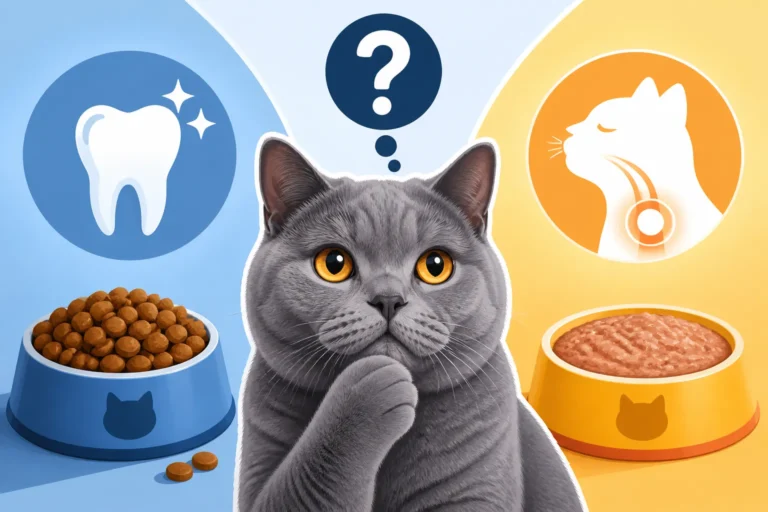
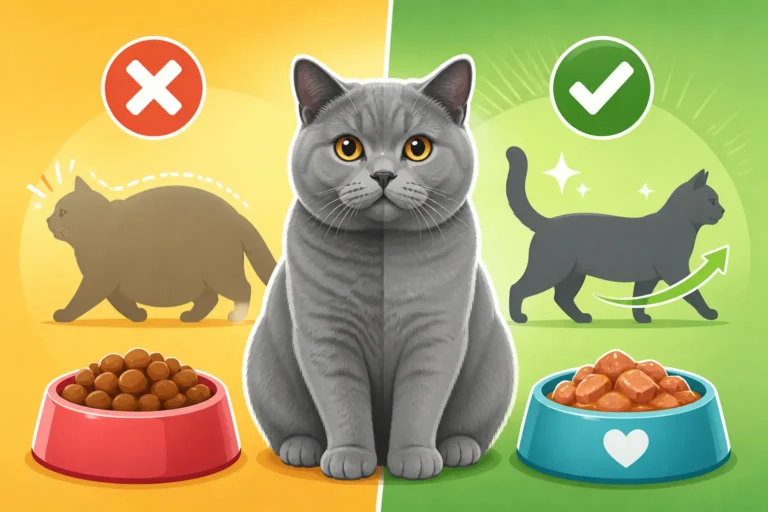
If there's one single change you can make that will drastically improve your British Shorthair's hydration, it's incorporating wet food into their diet. While a typical dry kibble contains only about 6-10% moisture, canned or pouched wet food boasts a moisture content of 70-85%. This means your cat is essentially getting a significant portion of their daily water intake simply by eating!
Think of it this way: if your British Shorthair eats 5 ounces of wet food daily, they're consuming roughly 3.5 to 4.25 ounces of water without ever taking a sip from a bowl. That's a huge boost toward their daily requirement. Many owners find their cats naturally prefer wet food, which also tends to be more palatable. Switching from an all-dry diet to even a partial wet food diet can make an enormous difference. Remember, Whether Wet Food Keeps a British Shorthair Slimmer is another great reason to consider it, as the higher moisture can help them feel fuller.
Water Fountains: Mimicking Natural Sources
Cats are often drawn to running water. In the wild, stagnant water can be a breeding ground for bacteria, so their instincts might tell them that moving water is fresher and safer. This is why a simple water bowl often goes ignored, while a dripping tap captures their full attention. Enter the pet water fountain. These devices circulate water, keeping it fresh, aerated, and enticing.
There's a wide variety of cat water fountains available, from ceramic and stainless steel models that are easy to clean and resist bacterial buildup, to plastic options that are more budget-friendly. Each has its pros and cons, but the key is the constant flow. Some cats prefer a bubbling stream, others a gentle waterfall, and some just like the circulating water in the reservoir. Experiment with different types to see what your British Shorthair prefers. You can find a huge selection on sites like Chewy or Amazon. Just remember to clean the fountain regularly – every few days – and change the filters according to the manufacturer's instructions to keep the water genuinely fresh and appealing. Neglecting this crucial step can make the fountain less appealing, and even unsanitary. You might wonder, Whether a British Shorthair Needs a Water Fountain, and for many, the answer is a resounding yes!
Strategic Water Bowl Placement and Variety
Sometimes, the simplest changes make the biggest impact. The placement and type of water bowl you use can significantly influence your British Shorthair's drinking habits. Cats, being fastidious creatures, often dislike their water bowl being right next to their food bowl or, even worse, their litter box. In nature, they wouldn't eat where they drink, nor would they drink near their toilet area. Try placing multiple water bowls in various locations around your home – quiet corners, sunny spots, even near a favorite sleeping area.
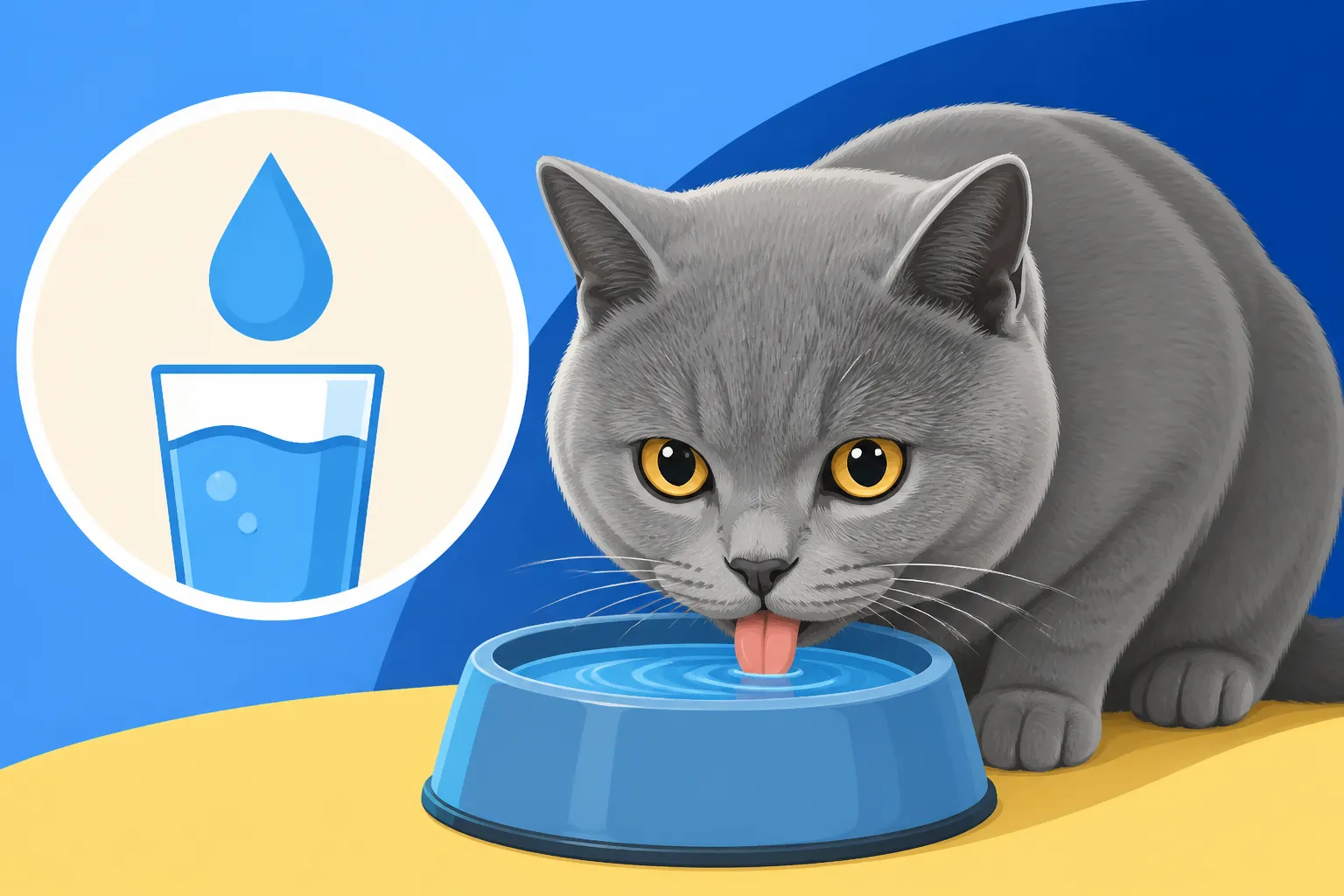
The material and shape of the bowl also matter. Some cats develop aversions to plastic bowls due to potential odors or tastes, or because plastic can harbor bacteria. Ceramic, glass, or stainless steel bowls are often preferred. Furthermore, many cats, including the British Shorthair, experience "whisker fatigue" if their whiskers are constantly brushing against the sides of a deep, narrow bowl. Opt for broad, shallow dishes that allow their sensitive whiskers to remain untroubled while they drink. For an extra incentive, you can try adding a splash of tuna water (from canned tuna in water, not oil!) or unsalted chicken broth to their water bowl as a special treat. Just make sure these "add-ins" are unsalted and given sparingly. Many suitable options for different bowl types are readily available on Amazon.
Overcoming British Shorthair Stubbornness: Advanced Tips
Even with wet food, fountains, and perfectly placed bowls, some British Shorthairs remain stubbornly resistant to increasing their water intake. Their quiet nature means you have to be extra observant and creative. Don't give up! With a few more advanced tricks up your sleeve, you can encourage even the most particular feline to drink more.
Making Water More Appealing
Sometimes, it’s about making the water itself more interesting. For cats that enjoy cold water, try adding a few ice cubes to their bowl or fountain. The cold temperature and the novelty of the floating ice might just pique their curiosity enough to take a few extra sips. You can even freeze unsalted chicken broth into ice cubes for a flavorful treat that adds both hydration and taste.
Consider the sensory experience for your cat. A few drops of salmon oil in the water can make it more palatable due to the scent and taste, although this should be used sparingly to avoid upset stomachs. Some owners even engage their British Shorthairs in "water playtime" – using a floating toy in a broad bowl to make drinking an interactive, positive experience. The key is gentle encouragement, never force. Observing How Much Water a British Shorthair Drinks daily is crucial to know if your efforts are paying off.
Monitoring Intake and Recognizing Red Flags
It’s one thing to offer more water sources, and another to know if your British Shorthair is actually drinking it. This requires a bit of monitoring. One easy way is to mark your cat’s water bowls with a pen or piece of tape to track the water level over 24 hours. If you have multiple cats, this becomes more challenging, but you can still look for general trends. If you primarily use a fountain, tracking how often you need to refill it can give you an idea. For cats on a wet food diet, note the moisture content of their food, as this contributes significantly to their total intake.
Even with the best efforts, if you notice persistent signs of dehydration – lethargy, dry gums, reduced urination, or a lack of appetite – it’s absolutely time to consult your veterinarian. Don't delay. These can be indicators of serious underlying health issues that require professional attention. Early detection and intervention can make a world of difference. Regular check-ups are vital, especially as your cat ages. Caring for an Old British Shorthair often involves heightened vigilance for changes in drinking habits.
The Role of Diet in Overall Hydration
We’ve already highlighted the benefits of wet food, but let's reinforce its vital role. For many British Shorthairs, a diet consisting solely of dry kibble makes it incredibly difficult to meet their hydration needs. Even with multiple water stations and fountains, they simply may not have the inherent drive to drink enough to compensate for the lack of moisture in their food. Transitioning to an all-wet or at least a mixed wet and dry food diet is often the most impactful strategy.
If your British Shorthair has specific medical issues, such as chronic kidney disease or a history of urinary crystals, your veterinarian might recommend a prescription diet designed to support urinary health or kidney function. These diets are often high in moisture and formulated to help dilute urine and balance pH levels. Always discuss dietary changes, especially prescription diets, with your vet to ensure they are appropriate for your cat's specific health needs. Ultimately, a holistic approach that considers both the food they eat and the water they drink is key to your British Shorthair's long-term health. Knowing What a British Shorthair Should Weigh at One Year can help you track their healthy development, which includes proper hydration.
Here’s a quick comparison of common hydration methods:
| Method | Pros | Cons | Best For |
|---|---|---|---|
| Wet Food | High moisture content (70-85%), palatable, part of daily meal. | Can be more expensive than dry food, needs refrigeration after opening. | Any British Shorthair, especially those struggling with low water intake or prone to urinary issues. |
| Water Fountain | Circulates water (appealing to cats), keeps water fresh and cool. | Requires regular cleaning and filter changes, uses electricity. | Cats attracted to running water, owners who want to encourage more active drinking. |
| Multiple Still Bowls | Simple, cost-effective, easy to monitor. | Water can become stagnant quickly, some cats ignore still water. | Cats that prefer still water, owners on a budget, complementing other hydration methods. |
| Broth/Flavored Water | Highly palatable, a treat to encourage drinking. | Use sparingly (unsalted only), can be messy, not a primary hydration source. | Finicky drinkers, occasional boost, adding variety to water. |
Disclaimer
This article is for general informational purposes only and does not constitute professional advice. Laws, prices and regulations vary by location and change over time. Consult a qualified professional for guidance on your specific situation.