How to Weigh a British Shorthair at Home
It’s easy to look at a British Shorthair, with their famously sturdy build and plush, dense coat, and assume they’re perfectly healthy, even when they’re carrying a few extra pounds. But those gorgeous teddy bear looks can actually mask significant weight gain, making it incredibly difficult to tell just by looking if your beloved feline friend is tipping the scales into unhealthy territory. This guide will walk you through the practical, empathetic steps to regularly and accurately weigh your British Shorthair right in the comfort of your own home, giving you an essential tool to monitor their health and catch potential problems early.
Understanding Why Weight Matters for Your British Shorthair
Let's be real, British Shorthairs are built to be robust. Their short, thick legs, broad chests, and rounded features give them a wonderfully substantial feel. This very characteristic, however, is a double-edged sword because it makes it incredibly challenging to discern between a healthy, well-muscled British Shorthair and one that is slowly, subtly, becoming overweight. You might think your cat is just wonderfully cobby, when in fact, excess weight is silently creeping in, bringing with it a host of health risks.
The Silent Threat of Feline Obesity
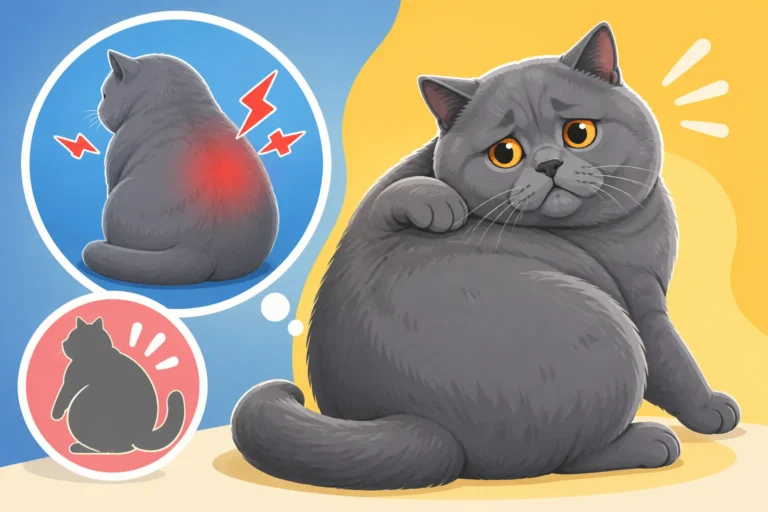
Obesity isn't just about your British Shorthair looking a bit pudgier; it’s a serious health concern that can dramatically impact their quality of life and lifespan. When a British Shorthair carries too much weight, their body is under constant strain. Their joints, which are already designed to support a naturally heavy frame, bear an even greater burden, leading to issues like arthritis. Imagine carrying a backpack filled with bricks all day, every day – that's what extra weight feels like to your cat. Obesity Is the British Shorthair's Real Disease is a stark reminder of these dangers. Beyond musculoskeletal problems, obesity significantly increases the risk of other conditions such as diabetes, heart disease, and even certain types of cancer. It can even make routine procedures, like anesthesia for a dental cleaning, riskier.
Early Detection for Better Health Outcomes
The beauty of regular at-home weighing is that it provides an objective, consistent data point that visual assessment alone cannot. You see your British Shorthair every day, so small changes in their physique can be almost impossible to notice until they've become quite pronounced. A scale, however, doesn't lie. By tracking their weight weekly or bi-weekly, you can spot trends – a gradual creep upwards, or a sudden, unexplained drop – long before you might see it. This early detection is invaluable. If you notice a consistent increase, you can adjust their diet and activity levels before they become significantly overweight, preventing the associated health problems. Conversely, an unexpected weight loss, especially in an older British Shorthair, can be a red flag for underlying health issues that need prompt veterinary attention. Think of it as your early warning system, empowering you to be proactive about your cat's well-being.
Monitoring Health During Illness or Recovery
When your British Shorthair is feeling under the weather, recovering from surgery, or managing a chronic condition, their weight becomes an even more critical indicator of their overall health. A cat fighting an infection or dealing with kidney disease might lose weight rapidly, even if they're eating normally, because their body is working overtime. For cats on medication, monitoring weight can help your vet adjust dosages if necessary. For example, if your cat is on a diuretic for heart issues, significant weight loss might indicate dehydration, while weight gain could mean fluid retention. During these delicate periods, your home scale becomes an extension of the veterinary clinic, allowing you to provide your vet with crucial, up-to-date information that aids in their diagnosis and treatment plan. It gives you a sense of control and participation in their care, rather than waiting until the next scheduled vet visit.
Choosing the Right Scale for Your British Shorthair
So, you're convinced that weighing your British Shorthair at home is a smart move. Fantastic! Now, let's talk about the tool for the job: the scale. You might think any old scale will do, but for a British Shorthair, particularly one that is still growing or needs precise monitoring, some scales are definitely better than others. It's about getting accurate, consistent readings without turning weighing time into a wrestling match.
Human Scales Versus Pet Scales
Many cat owners, understandably, start with what they already have: a human bathroom scale. This can absolutely work, especially for heavier British Shorthairs who are calm enough to be held. The most common method involves weighing yourself first, then picking up your cat and weighing both of you together. The difference between the two readings is your cat's weight. This is a perfectly viable method for many, but it does have its drawbacks. Human scales aren't always the most precise for smaller weights, and getting an accurate reading on a squirming, unhappy cat while you're both on a scale can be tricky.
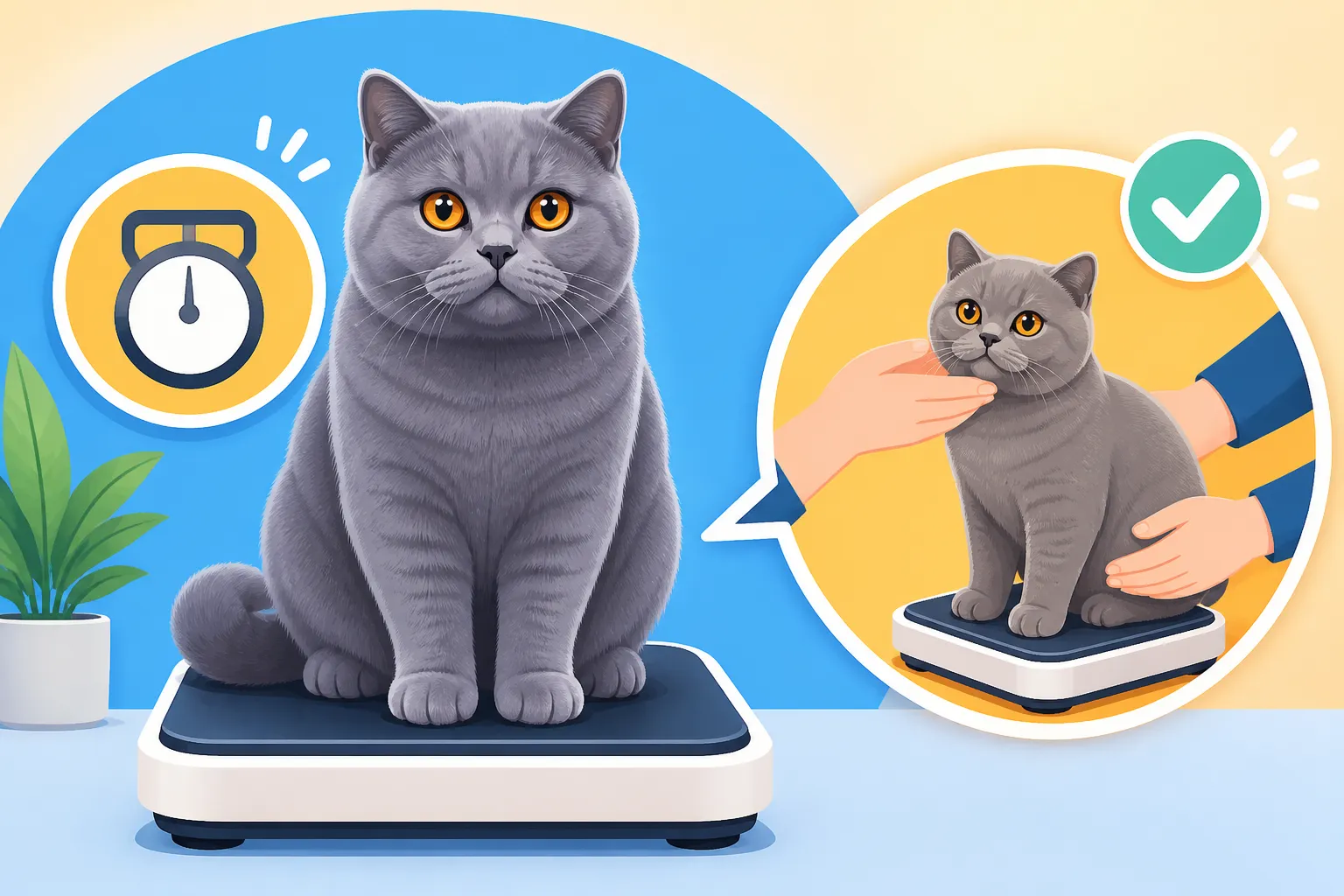
Dedicated pet scales, on the other hand, are often designed with animals in mind. They usually have a larger, flatter platform that cats can comfortably stand or lie on, and some even come with a "hold" function that locks in the weight even if your cat wiggles a bit. While you might find options available on sites like Chewy or Amazon, it's worth noting that pet scales generally offer greater sensitivity for smaller increments, which can be crucial for monitoring slight fluctuations in your British Shorthair's weight, especially if they are on a diet or managing an illness. For a British Shorthair, whose weight can be substantial, ensuring the pet scale has an adequate weight capacity is important.
Digital Versus Analog Scales
When it comes to the display, you'll typically find digital or analog scales. For weighing your British Shorthair, digital scales are almost universally superior.
- Digital Scales: These scales offer clear, precise readings, often down to the nearest tenth of a pound or gram. This level of accuracy is incredibly helpful when tracking small changes that might signal an issue before it becomes apparent. They are typically easier to read quickly, which is a huge bonus when you have a cat who isn't keen on standing still for long. Most digital scales also have a "tare" function, allowing you to zero out the weight of a carrier or basket, which we'll discuss later.
- Analog Scales: These old-school scales with a needle and dial are generally less precise and harder to read accurately. Estimating between hash marks can lead to inconsistent measurements, which defeats the purpose of regular weighing. For the purposes of tracking your British Shorthair's weight with any real precision, I'd strongly recommend opting for a digital scale.
Features to Look For in a Cat-Friendly Scale
If you decide to invest in a dedicated pet scale, or even if you’re choosing a human scale with your cat in mind, here are a few features that can make the process smoother:
- Hold Function: This is a fantastic feature for wriggly cats. The scale will "lock in" the weight once it stabilizes, even if your cat moves off the scale a second later. This means you don't have to squint at a rapidly changing number.
- Low Profile/Flat Platform: A scale that sits low to the ground and has a wide, flat platform is less intimidating for cats. They can often just step onto it, or you can place a comfortable mat or towel on it to make it more appealing. For a British Shorthair, their cobby build means they might find high steps uncomfortable.
- Weight Capacity: Ensure the scale can comfortably handle your British Shorthair's adult weight. Male British Shorthairs can be quite substantial, so check the maximum capacity before you buy.
- Easy to Clean Surface: Accidents happen! A smooth, wipeable surface is always a plus.
Consider browsing options on Chewy for dedicated pet scales, as they often have a good range, or searching for highly-rated digital bathroom scales on Amazon if you prefer the "weigh yourself, then your cat" method with better precision.
The Step-by-Step Guide to Weighing Your British Shorthair at Home
Alright, you've got your scale, and you're ready to get down to business. Weighing a cat, especially one as discerning as a British Shorthair, isn't always as simple as putting them on a platform. It requires a bit of patience, a dash of strategy, and a whole lot of positive reinforcement. The goal is to make this a low-stress routine for both of you, not a traumatic event.
Preparing Your Cat and the Environment
Before you even bring out the scale, set the stage for success.
- Choose a Calm Time and Place: Avoid weighing your British Shorthair right after a zoomie session or when there's a lot of household commotion. Pick a quiet time of day in a familiar room where your cat feels safe and relaxed. The bathroom or kitchen, where you might have your human scale, can work well if it's not a high-traffic area.
- Gather Your Tools (and Treats!): Have your chosen scale ready, along with a soft towel or mat if your cat doesn't like cold surfaces, and, most importantly, their favorite high-value treats. These treats are your secret weapon for positive reinforcement. A few kibbles of their regular food might not cut it; think freeze-dried chicken or salmon.
- Minimize Distractions: Close doors, shoo away other pets, and turn off any loud music or TV. Your British Shorthair needs to focus on the task (and the treats!) at hand.
The "Weigh Yourself, Then Your Cat" Method
This is a classic for a reason, especially if you're using a standard human bathroom scale.
- Step on the Scale Alone: Get a precise reading of your own weight. Make sure it registers and stabilizes. Jot this number down immediately, or commit it to memory.
- Pick Up Your British Shorthair: Approach your cat calmly. Gently scoop them up, supporting their body fully. Remember, many British Shorthairs aren't huge fans of being picked up, so be gentle and reassuring. You might want to refer to How to Pick Up a British Shorthair Without a Fight for tips.
- Step Back on the Scale With Your Cat: Carefully step back onto the scale, holding your cat securely. Wait for the new combined weight to register and stabilize.
- Calculate the Difference: Subtract your solo weight from the combined weight. The result is your British Shorthair's weight.
- Example: You weigh 150 lbs. You and your cat weigh 162.5 lbs. Your cat's weight is 12.5 lbs.
- Reward Immediately: As soon as you've got the number, even if it took a few tries, reward your cat with praise and a tasty treat. This helps them associate the weighing process with positive outcomes.
Using a Dedicated Pet Scale
If you've opted for a pet scale, the process can be a little more direct.
- Place the Scale on a Stable Surface: Ensure the scale is on a flat, even, non-slip surface to prevent wobbling, which can scare your cat and lead to inaccurate readings.
- Make it Inviting: Place a soft, familiar towel or blanket on the scale's platform to make it more comfortable. You can also sprinkle a few treats on it to entice your British Shorthair to approach.
- Encourage Them to Step On: Gently guide your cat onto the platform. Don't force them. Use treats to lure them, or simply place them gently on the scale if they are cooperative.
- Wait for Stability (and Use the Hold Function): Let your cat settle. If your scale has a "hold" function, activate it. This will capture the weight even if your cat decides to move off a second later. If not, try to get a quick, stable reading as they stand or sit calmly.
- Reward and Repeat: Once you have a reading, immediately reward your British Shorthair. If they were particularly calm, make it a jackpot of treats! If they jumped off before you could get a reading, calmly try again, perhaps with more enticing treats or a brief break.
Recording and Tracking Your British Shorthair's Weight
This step is just as crucial as the weighing itself! A single weight measurement is just a snapshot; the real value comes from seeing trends over time.
- Create a Weight Chart or Log: Use a simple notebook, a spreadsheet, or a dedicated pet tracking app.
- Be Consistent with Frequency: Aim to weigh your British Shorthair at the same time of day (e.g., before breakfast) once a week or every two weeks. This minimizes fluctuations due to eating or using the litter box.
- Note Any Relevant Details: Did your cat just eat? Were they particularly stressed? Any notes about the circumstances can help interpret the numbers later. This data will be incredibly useful for your vet during routine check-ups.
| Date | Weight (lbs) | Notes |
|---|---|---|
| Jan 1, 2024 | 12.8 | Calm, before breakfast |
| Jan 8, 2024 | 12.9 | A bit antsy, but good reading |
| Jan 15, 2024 | 13.0 | Very calm, rewarded with salmon treat |
| Jan 22, 2024 | 13.1 | Slight increase, will monitor |
| Jan 29, 2024 | 13.2 | Consistent increase, considering diet adjustment |
This consistent tracking will allow you to quickly see if your British Shorthair is creeping upwards in weight, or if there's any concerning drop that warrants a vet visit.
Interpreting the Numbers: What Your British Shorthair's Weight Tells You
You've successfully weighed your British Shorthair, perhaps multiple times, and you've got a growing log of numbers. That's fantastic! But what do those numbers actually mean? Unlike humans, who often have a broad healthy weight range, for cats, especially a distinct breed like the British Shorthair, knowing how to interpret the scale's reading in context is key to understanding their health.
Healthy Weight Ranges for British Shorthairs
It's important to remember that these are general guidelines, and individual cats can vary. A robust male British Shorthair will naturally be heavier than a more petite female. However, broadly speaking, most healthy adult British Shorthairs fall into a range that surprises many first-time owners.
- Males: Often between 12 to 18 pounds (approximately 5.4 to 8.2 kg). They typically develop those impressive jowls and a broader frame.
- Females: Usually range from 8 to 14 pounds (approximately 3.6 to 6.4 kg). They tend to be a bit daintier, though still substantial.
It's crucial to consult your breeder or vet for a more personalized target weight for your specific cat, taking into account their age, build, and individual genetics. A good breeder should be able to tell you What a British Shorthair Should Weigh at One Year, How Much a Male British Shorthair Should Weigh, and How Much a Female British Shorthair Should Weigh. Remember, a British Shorthair takes a long time to mature, often not reaching their full size and weight until 3 to 5 years of age. So, what's a healthy weight for a one-year-old will likely be different from a fully mature adult.
Signs Your British Shorthair is Overweight
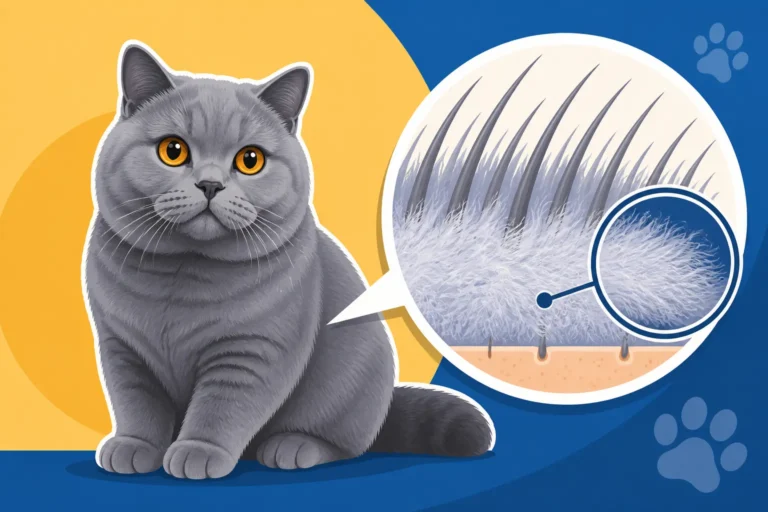
The numbers on the scale are your primary indicator, but you also need to combine them with visual and tactile assessments. British Shorthairs' dense coats are notorious for hiding excess fat, making it incredibly difficult to tell just by looking.
- Beyond the Scale: If your British Shorthair's weight is consistently climbing above the recommended range, or if you notice a steady increase over several weeks, it’s a strong sign they're gaining too much.
- Visual Cues (if visible): You might struggle to see a defined waist from above, and their belly might sag slightly or swing when they walk (this is sometimes called a primordial pouch, but if it's overly large and jiggly, it's often fat).
- Tactile Assessment: This is where you become hands-on. Gently run your hands along your cat’s sides. You should be able to feel their ribs with slight pressure, like feeling the back of your hand. If you have to press firmly to feel them, or if you can't feel them at all, your cat is likely overweight. Similarly, you should be able to feel their spine and hip bones without them protruding sharply. If these are buried under a layer of fat, that's another indicator. How to Feel a British Shorthair's Ribs Through the Plush gives more detail on this technique. You might also notice they struggle to groom their back or are less keen on jumping, which are other Signs a British Shorthair Is Overweight.
Identifying Underweight Concerns
While obesity is a more common issue for British Shorthairs, being underweight can be just as serious. Their plush coats can sometimes hide a declining physique, making regular weighing all the more important.
- Persistent Low Weight: If your cat's weight falls significantly below the healthy range, or if you notice a sudden, unexplained drop over a short period, it's a cause for concern.
- Visual and Tactile Cues: You might be able to see their ribs, spine, or hip bones quite clearly, or they might feel very prominent and sharp when you gently run your hands over them. They might look a bit gaunt or angular, particularly around the face. Their energy levels might also drop, and their coat could appear dull.
- Associated Conditions: Unexplained weight loss can be a symptom of various underlying health issues, including dental problems, kidney disease, hyperthyroidism (especially in older cats), diabetes, or even certain cancers. This is why Why Weight Loss in an Old British Shorthair Is a Warning is such a crucial read.
When to Call the Vet About Weight Changes
Regular weighing empowers you, but it doesn't replace professional veterinary advice. Always contact your vet if you observe any of the following:
- Sudden or Rapid Weight Loss/Gain: A significant change (more than 5-10% of body weight) over a short period (a few weeks).
- Consistent Trend Outside Healthy Range: Your British Shorthair's weight is consistently increasing or decreasing, despite your attempts to adjust diet or activity.
- Accompanying Symptoms: Any weight change coupled with changes in appetite (eating more or less), thirst, urination, bowel movements, energy levels, or behavior.
- Uncertainty: If you're simply unsure whether your cat's weight is healthy for their individual build, or if you need guidance on how to manage their weight.
Your vet can perform a physical examination, assess their body condition score, and recommend diagnostic tests if necessary to rule out underlying medical conditions. They can also help you create a safe and effective weight management plan if your British Shorthair is overweight or underweight.
Troubleshooting Common Challenges When Weighing Your British Shorthair
Let's face it, cats are rarely enthusiastic participants in anything they don't instigate themselves, and weighing can sometimes feel like a personal affront to their feline dignity. It's completely normal to encounter a few bumps in the road, especially when dealing with a British Shorthair's calm yet often stubborn nature. Don't get discouraged! With a bit of patience and some clever tricks, you can make the process much smoother.
Dealing with a Reluctant or Anxious Cat
Some British Shorthairs are perfectly happy-go-lucky, while others view the scale with deep suspicion, as if it's some alien device plotting their demise. If your cat falls into the latter category, force is never the answer. It will only make future weighing sessions harder and create a negative association.
- Start Slow and Build Positive Associations: Don't expect perfection on the first try. Introduce the scale gradually. Leave it on the floor in a common area for a few days so your cat can sniff it, explore it, and realize it's not a threat. Place treats near it, then on it.
- Use High-Value Rewards: I can't stress this enough! Their absolute favorite treat (like Churu purée, freeze-dried meat, or a tiny bit of cooked chicken) should only come out for weighing time. This creates a strong positive association.
- Short, Frequent Sessions: Instead of one long, frustrating session, try a few very short ones. Even if they just step one paw on the scale for a second, reward them. The goal is to build up their tolerance.
- Gentle Handling and Reassurance: Speak to your cat in a calm, soothing voice. Stroke them gently if they enjoy it. Avoid sudden movements. If they get too stressed, take a break and try again later. Sometimes, placing them in a soft blanket and then on the scale can provide a sense of security.
- Consider a Carrier: If your British Shorthair absolutely refuses to stand on a scale, you can use a small, lightweight carrier. Weigh the empty carrier first (tare it if your scale allows), then place your cat in the carrier and weigh them together. This isn't ideal for accuracy compared to a direct weigh, but it's better than no weight at all. Just be sure to use the exact same carrier each time.
Getting Accurate Readings on a Wriggly Cat
Even a cooperative British Shorthair might decide to shift their weight or walk off the scale just as you're trying to read the number. This can be infuriating!
- Patience is Key: Don't rush. Give your cat a moment to settle. Sometimes they just need a second to decide what's happening.
- Use the "Hold" Function: If your pet scale has this feature, it's a lifesaver. Activate it, and the scale will typically beep or display an icon when it has locked in a stable weight, even if your cat then decides to bolt.
- Distraction Techniques: While they're on the scale, try holding a toy they love, like a wand toy, just above their head to keep them still and focused. Or, place a dollop of a soft, irresistible treat (like a lickable purée treat) on the scale for them to lick, which usually keeps them rooted in place for a crucial few seconds.
- Enlist a Helper: If you have another person in the household, they can gently hold your cat (without putting any of their own weight on the scale) or distract them with toys or treats while you focus on getting the reading.
- Multiple Readings: If you're concerned about a single reading's accuracy, take two or three consecutive readings. If they are all very close, you can be confident in the number. If they vary wildly, try again after a short break.
Inconsistent Readings and How to Handle Them
You might find that your British Shorthair weighs a slightly different amount each time, even within the same session. While some minor fluctuation is normal, significant inconsistencies need to be addressed.
- Calibrate Your Scale: Most digital scales have a calibration function or a recommended reset procedure. Check your scale's manual. An uncalibrated scale can give you wildly inaccurate numbers.
- Ensure a Flat, Hard Surface: Soft carpets, uneven floorboards, or wobbly tables can all throw off a scale's accuracy. Always place your scale on a firm, level, hard surface.
- Consistency in Method: Stick to the same weighing method every time. If you use the "weigh yourself, then your cat" method, always use the same human scale. If you use a pet scale, always use that specific one. Don't switch back and forth, as different scales can have slight variations in their calibration.
- Weigh at the Same Time: As mentioned before, weighing before breakfast (when their stomach is empty and bladder is likely lighter) can help reduce natural daily fluctuations.
- Check for Obstructions: Make sure nothing is touching the scale or your cat that might be affecting the reading (e.g., your hand resting on the scale, a toy accidentally on the platform).
- Environmental Factors: Extreme temperatures or humidity can sometimes affect electronic scales, though this is less common with modern household scales. Just ensure the environment is stable.
By being mindful of these common issues and having a few tricks up your sleeve, you can turn what might initially be a stressful chore into a manageable and even routine part of your British Shorthair's health care.
Maintaining a Healthy Weight for Your British Shorthair Beyond the Scale
Getting regular weight readings is a fantastic step, but it's just one piece of the puzzle. The real work comes in taking those numbers and using them to guide your British Shorthair towards a lifetime of healthy weight. Given their calm demeanor and propensity for gaining weight, this is an ongoing commitment that involves careful diet management and encouraging gentle activity.
The Role of Diet and Portion Control
This is, without a doubt, the single most critical factor in managing your British Shorthair's weight. They are not known for self-regulating their food intake, and their luxurious coat can mask weight gain until it's a significant problem. Portion Control Is the Whole Job With a British Shorthair is not an exaggeration – it truly is the cornerstone.
- Measure Everything: Eyeballing food portions is a recipe for disaster. Use a kitchen scale to accurately weigh out your cat's dry food and a measuring spoon for wet food. Even a small handful extra each day can lead to substantial weight gain over time.
- High-Quality Food: Invest in a high-quality cat food that is appropriate for your British Shorthair's age and activity level. Look for foods with real meat as the primary ingredient and avoid excessive fillers. A good protein content helps maintain muscle mass, which is important for their sturdy build.
- Wet Food is Your Friend: While dry food is convenient, incorporating wet food into their diet is often beneficial for weight management. Wet food has a higher water content, making it more filling for fewer calories. It also contributes to better hydration, which is vital for kidney health.
- Scheduled Meals, Not Free Feeding: Resist the urge to leave food out all day. British Shorthairs will often graze and overeat. Instead, feed them two to three measured meals a day. This allows you to control their intake and monitor their appetite. You can find more details in Feeding a British Shorthair That Will Eat Whatever You Put Down.
- Mindful Treats: Treats are fine in moderation, but they are often calorie-dense. Factor them into your cat's daily calorie allowance. Opt for healthy, low-calorie options like small pieces of cooked chicken or commercial treats specifically designed for weight management.
Encouraging Activity and Play
British Shorthairs are not known for their boundless energy. They are typically calm, reserved, and prefer napping to parkour. This means you, as their human, have to take an active role in encouraging them to move. Getting a Low Energy British Shorthair to Move might feel like a challenge, but it's essential.
- Short, Frequent Play Sessions: Don't expect your British Shorthair to play for an hour straight. Aim for 5-10 minute play sessions several times a day. Consistency is more important than duration.
- Engaging Toys: Experiment with different types of toys. Wand toys with feathers or small soft objects on the end are often effective because they mimic prey movement. Laser pointers can be fun, but always end a laser session with a physical toy they can "catch" to prevent frustration. Puzzle feeders are excellent for combining mental stimulation with physical activity, making them work for their food.
- Vertical Space: While they aren't champion climbers, providing sturdy cat trees or shelves that they can comfortably ascend can encourage more movement. Ensure any cat furniture is stable and strong enough to support their weight.
- Interactive Play: British Shorthairs often respond best to interactive play with their human. Dangle a toy, drag it across the floor, or hide it for them to "hunt." This engagement strengthens your bond and gets them moving.
- Harness Training (Optional): For some British Shorthairs, slow, supervised outdoor walks on a harness can provide novel stimulation and exercise, though this requires dedication and patience. It's not for every cat, but it can be a great way to explore the world. If you're looking for more ways to get them moving, check out How to Get a British Shorthair to Move.
Regular Veterinary Check-ups and Professional Advice
Even with diligent at-home weighing and care, regular veterinary check-ups are non-negotiable. Your vet is your best partner in ensuring your British Shorthair remains at a healthy weight and catches any potential issues.
- Annual Wellness Exams: Every British Shorthair, regardless of age, should have at least one comprehensive wellness exam each year. For seniors or those with chronic conditions, biannual visits are often recommended. How Often a British Shorthair Needs a Wellness Exam is a good guide. During these visits, your vet will perform a thorough physical examination, including a body condition score, which is a hands-on assessment of their fat reserves and muscle mass.
- Discuss Weight Trends: Bring your weight log with you to your vet appointments. This objective data is incredibly helpful for your vet to understand your cat's weight journey and can highlight subtle trends they might otherwise miss.
- Professional Guidance: If your cat is consistently gaining or losing weight, your vet can help diagnose any underlying medical causes and formulate a precise dietary and exercise plan tailored to their specific needs. They can recommend prescription weight management diets if necessary, or suggest specific strategies for increasing activity levels.
- Dental Health: Good dental health is linked to overall health and appetite. Regular dental check-ups are vital, as dental pain can affect a cat's willingness to eat, impacting their weight.
By combining consistent at-home weighing with careful dietary management, engaging play, and regular veterinary oversight, you're not just helping your British Shorthair look good; you're setting them up for a longer, healthier, and happier life.
Disclaimer
This article is for general informational purposes only and does not constitute professional advice. Laws, prices and regulations vary by location and change over time. Consult a qualified professional for guidance on your specific situation.