Whether a British Shorthair Should Be Free Fed
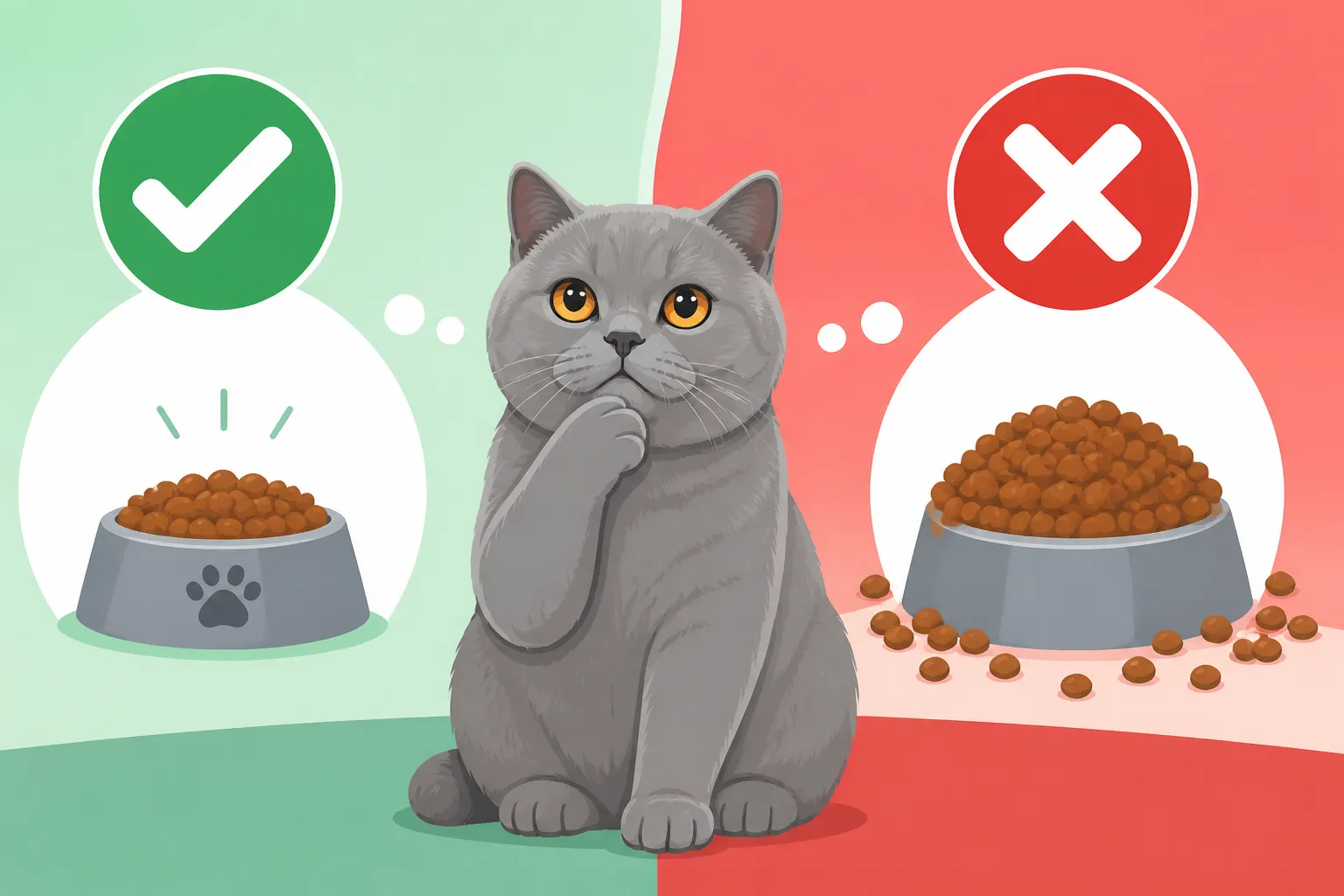
It's a common dilemma for British Shorthair owners, isn't it? That constant, seemingly innocent availability of kibble in a bowl, always there for your beloved, placid cat to graze upon. Many of us fall into the trap of thinking it's convenient, or that our cats will simply eat what they need. However, for a British Shorthair, free feeding often paves a direct path to frustrating weight struggles and associated health issues. This guide is here to shed light on why continuous access to food isn't ideal for this particular breed and to offer practical, empathetic solutions to keep your furry companion healthy and thriving.
The British Shorthair's Natural Inclination to Overeat
Let's face it, our British Shorthairs are not known for their boundless energy. They're built for comfort, not for chasing down prey across vast distances, which means their metabolism is naturally geared towards conserving energy. This inherent calmness, combined with their strong food drive, often makes free feeding a risky game.
A Breed Built for Comfort, Not Speed
Think about it: the British Shorthair is the quintessential "lap cat" – or, more accurately, the "sit next to you on the sofa" cat. They are placid, serene, and generally prefer a quiet, comfortable spot to a high-octane chase scene. While this makes them wonderful companions, it also means their daily caloric expenditure is significantly lower than a more active breed, like an Abyssinian or a Bengal. You often see them lounging, observing the world with their characteristic thoughtful expression, burning minimal energy. When food is always available, it's incredibly easy for these lovely, low-key felines to consume more calories than they actually expend. This isn't a moral failing on their part; it's simply a mismatch between their natural lifestyle and the endless buffet presented by a free-fed bowl. They aren't going to self-regulate themselves into a lean, active physique.
The Lack of a "Full" Signal
Many domestic cats, and British Shorthairs are particularly prone to this, simply don't have a strong "I'm full, stop eating" signal, especially when faced with highly palatable, calorie-dense kibble. In the wild, a cat would hunt, eat their fill, and then go long periods without food, relying on their internal mechanisms to tell them when they'd had enough. Modern cat food, however, is designed to be incredibly appetizing, often making it difficult for a cat to stop once they start. That bowl of crunchy goodness is just too tempting to leave alone, and they might graze throughout the day, adding up small portions that eventually become a significant calorie surplus. It's a bit like us humans with a bag of potato chips – one or two aren't so bad, but it's hard to stop before the bag is empty. Our British Shorthairs can be the same way with their food bowl, especially if they enjoy the taste.
Why Free Feeding Exacerbates Weight Problems
The consequence of constant availability combined with a leisurely lifestyle is almost inevitable: weight gain. It's not just about aesthetics; it's about setting your beloved British Shorthair up for a lifetime of potential health struggles.
Constant Calorie Availability
When food is perpetually in the bowl, it creates an environment where your British Shorthair can eat whenever boredom strikes, whenever they pass by, or whenever they simply fancy a nibble. This unrestricted access leads to continuous snacking throughout the day and even into the night. Each small visit to the food bowl, even if it's just a few pieces of kibble, contributes to their overall calorie intake. Unlike humans who might consciously track calories (or at least try to!), a cat relies on its caregiver to manage its diet. If that management isn't present, they can easily consume far more than their body needs for maintenance, let alone for their typically sedate activity levels. This constant availability means their digestive system is always working, never getting a true break, and it conditions them to associate any moment of mild hunger or boredom with immediate food gratification.
Difficulty in Monitoring Intake
Another significant problem with free feeding, particularly in multi-cat households, is the complete lack of oversight regarding individual food intake. You might assume each cat is eating its fair share, but the reality can be quite different. One cat might be a stealthy gourmand, slowly but surely consuming the lion's share, while another might be eating less than you realize, perhaps due to stress or an underlying health issue. This makes it virtually impossible to accurately assess if your British Shorthair is eating too much, too little, or even if they’ve suddenly gone off their food – a critical indicator of illness. If you're free-feeding and suddenly notice your British Shorthair is looking a bit heavier or lighter, you have no baseline data to understand why or how much the situation has changed. This lack of data can delay intervention, especially if you're trying to figure out How to Tell a Chunky British Shorthair From a Fat One.
Impact on Body Condition
The British Shorthair's dense, plush coat and naturally cobby build can be a double-edged sword when it comes to weight management. Their wonderful "teddy bear" physique can cunningly hide excess weight, making it difficult for even attentive owners to spot the early signs of obesity. By the time you can visibly see a pronounced paunch or notice they're struggling to groom their back, your cat might already be significantly overweight. Their body condition needs to be assessed regularly, which involves feeling their ribs, spine, and waist. With a free-fed cat, this assessment often comes too late, long after the problem has begun to develop. Learning How to Feel a British Shorthair's Ribs Through the Plush is crucial, but it's even more effective when combined with controlled portions.
The Link Between Free Feeding and Health Issues
This isn't just about your British Shorthair looking a little rounder; it's about the very real and serious health implications that arise from chronic overeating and obesity. These issues can significantly reduce their quality of life and lifespan.
Obesity: The Gateway Disease
Obesity isn't merely a cosmetic concern for British Shorthairs; it is genuinely a gateway disease, opening the door to a host of other severe health problems. When a British Shorthair carries too much weight, every system in their body is under increased strain. Their heart has to work harder to pump blood, their joints bear more load, and their internal organs can become swamped with fat. This is why Obesity Is the British Shorthair's Real Disease is a topic that can't be stressed enough. It’s not an isolated problem but a foundational one that can trigger a cascade of complications. The heavier your cat becomes, the more difficult it is for them to move, play, and even groom themselves properly, leading to a sedentary lifestyle that further perpetuates the weight gain cycle.
Diabetes and Joint Strain
One of the most concerning health issues directly linked to obesity in cats is diabetes mellitus. Just like in humans, prolonged periods of overnutrition can lead to insulin resistance, where the body's cells no longer respond effectively to insulin, resulting in high blood sugar levels. A British Shorthair with diabetes will require daily insulin injections and a strict diet for the rest of their life, which is a significant commitment. Beyond diabetes, the sheer physical burden of carrying extra weight takes a massive toll on their skeletal system. Their sturdy but not indestructible joints, particularly in their hips and knees, are constantly stressed. This can lead to or exacerbate conditions like arthritis, making movement painful and reluctant, which is especially problematic for a breed already disinclined to vigorous exercise. What Obesity Does to a British Shorthair's Joints is a painful reality many owners face.
Other Related Ailments
The ripple effect of free feeding and subsequent obesity extends even further. British Shorthairs are already somewhat prone to Urinary Problems in a British Shorthair, and reduced water intake—often associated with a purely dry, free-fed diet—can worsen this. Dry kibble is highly concentrated, and if cats aren't actively seeking out enough water, their urine can become overly concentrated, increasing the risk of bladder stones and urinary tract infections. Overweight cats are also more susceptible to conditions like fatty liver disease (hepatic lipidosis), which can be life-threatening. Additionally, their skin folds can become irritated and infected, particularly if they struggle to groom themselves properly, leading to dermatological issues.
The Psychological Impact of Free Feeding
While we often focus on the physical dangers, the psychological and behavioral aspects of free feeding shouldn't be overlooked. A well-managed meal routine can contribute to a happier, more engaged cat.
Boredom Eating and Lack of Stimulation
For an indoor British Shorthair, life can sometimes be a bit too predictable, a bit too calm. They aren't scaling trees or hunting mice. In this context, food can easily become a primary source of entertainment and comfort. When the food bowl is always full, a cat might wander over and eat simply because there's nothing else particularly engaging to do. This "boredom eating" is a genuine issue, contributing to weight gain and failing to provide any meaningful mental or physical stimulation. It denies them the natural satisfaction of working for their food, however simple that "work" might be. It exacerbates the natural tendency for Why a British Shorthair Will Not Exercise Itself if their main form of engagement is simply walking to a bowl.
Reduced Owner-Cat Bonding
Mealtime, believe it or not, is a fantastic opportunity for bonding with your British Shorthair. When you're the one providing the delicious meal, it reinforces your role as a benevolent caregiver and strengthens the trust between you. Think about how a kitten purrs with contentment while nursing – that positive association with food and care continues into adulthood. With free feeding, this daily ritual is lost. The food is just there, without any specific interaction with you. Scheduled meals allow for a consistent, positive interaction that can involve gentle petting, talking, or even a short play session before they eat. This dedicated mealtime can be a cornerstone of your relationship, providing structure and meaningful engagement that a constantly full bowl simply cannot.
Effective Alternatives to Free Feeding
So, if free feeding is out, what's a loving British Shorthair owner to do? Don't worry, there are plenty of excellent, straightforward alternatives that promote health and happiness.
Portion Control and Timed Meals
This is arguably the single most effective strategy for managing your British Shorthair's weight and overall health. The concept is simple: you calculate their daily caloric needs (your vet can help you determine this accurately based on their ideal weight and activity level) and divide that amount into two or three scheduled meals throughout the day. This could be breakfast and dinner, or breakfast, lunch, and dinner. Suddenly, food becomes a precious, anticipated resource, not a constant fixture.
The benefits are numerous:
- Precise Intake: You know exactly how much your cat is eating.
- Routine and Predictability: Cats thrive on routine, and meal times provide a sense of security and structure.
- Weight Management: It's far easier to adjust portions to achieve or maintain a healthy weight when you're in control.
- Health Monitoring: Any sudden changes in appetite are immediately noticeable, allowing for quicker veterinary intervention if needed.
For more on this, you might find Portion Control Is the Whole Job With a British Shorthair incredibly helpful. It truly is the foundation of their diet.
Using Puzzle Feeders and Slow Feed Bowls
Once you've embraced portion control, the next step is to make mealtime a little more engaging. This is where puzzle feeders and slow feed bowls come into their own. These tools don't just slow down eating, which is beneficial for digestion and satiety; they also provide much-needed mental stimulation. Instead of simply scooping food from a bowl, your British Shorthair has to "work" for it, engaging their natural foraging instincts.
There's a wide variety of options available:
- Puzzle Balls: Your cat bats these around, and kibble falls out as they play.
- Slow Feed Bowls: These have ridges or obstacles that force your cat to eat around them, preventing rapid gulping.
- Activity Boards/Mats: These have various compartments, tunnels, and nooks where you can hide kibble, encouraging sniffing and problem-solving.
You can find excellent options on online retailers like Chewy or Amazon, offering a range of styles and difficulty levels. Starting with an easier one and gradually introducing more complex puzzles can be a fun journey for both of you. Imagine your British Shorthair working a little for their dinner, rather than just gulping it down – it satisfies a natural drive and makes eating a rewarding activity rather than a mindless one.
Incorporating Wet Food
While dry kibble often gets a bad rap, it's not inherently "bad," but for British Shorthairs, incorporating wet food into their diet can be incredibly beneficial. Wet food has a much higher moisture content, which helps with hydration – a critical factor for feline urinary health. This can be especially important if your cat isn't a big drinker from their water bowl.
The benefits of wet food:
- Hydration: Increased water intake helps dilute urine, potentially reducing the risk of urinary crystals and stones.
- Satiety: The higher water and often protein content can make your cat feel fuller for longer, which is a huge plus for weight management. Whether Wet Food Keeps a British Shorthair Slimmer is definitely something to consider.
- Variety: Many cats enjoy the different textures and flavors of wet food, adding enrichment to their diet.
You can feed wet food as one of their scheduled meals, or even mix a small amount with their dry kibble to enhance palatability and hydration. Fresh food options can also be a fantastic way to boost moisture and provide high-quality protein. Just remember to factor the calories from wet food into their total daily allowance to maintain portion control.
Transitioning Your British Shorthair to a Controlled Feeding Schedule
Making the switch from free feeding to a scheduled routine requires patience and consistency, but it's absolutely achievable, even with the most food-motivated British Shorthair.
Gradual Introduction to Scheduled Meals
Cats are creatures of habit, and sudden, drastic changes can be stressful. The key to success is a gradual transition. Start by picking up the food bowl for short periods, perhaps just an hour or two at a time, gradually increasing the duration. Offer small, measured meals at consistent times, two to three times a day. For example, if you aim for two meals, offer one in the morning and one in the evening. Keep a record of how much they eat at each sitting.
Over a week or two, slowly reduce the amount of time the food is freely available, until it's only out during designated meal windows (e.g., 30 minutes to an hour for each meal). If your cat doesn't finish, remove the bowl until the next scheduled meal. They will learn quickly that food is available at specific times and that they need to eat when it's offered. It might feel a bit harsh at first, but it's for their long-term health.
Dealing with Hunger Pangs and Begging
Let's be realistic: your British Shorthair might look at you with those big, round eyes, trying to guilt you into filling the bowl. They might follow you around, meow, or even try to trip you. This is completely normal! They've been accustomed to constant access, and their internal clock (and stomach!) needs to adjust.
Here's how to cope:
- Ignore the Begging: As hard as it is, try to resist giving in. If you give in even once, you reinforce the begging behavior.
- Distraction is Key: When they start begging between meals, try to distract them with a short play session using a wand toy, a puzzle feeder with a tiny portion of their daily allowance, or simply some gentle petting.
- Maintain Consistency: This is paramount. The more consistent you are, the faster they will adapt to the new routine.
- Smaller, More Frequent Meals (if needed): If your cat is truly struggling, you can split their daily allowance into more frequent, smaller meals (e.g., four small meals instead of two larger ones) to bridge the hunger gaps, slowly reducing the frequency as they adapt.
Monitoring Progress and Adjusting as Needed
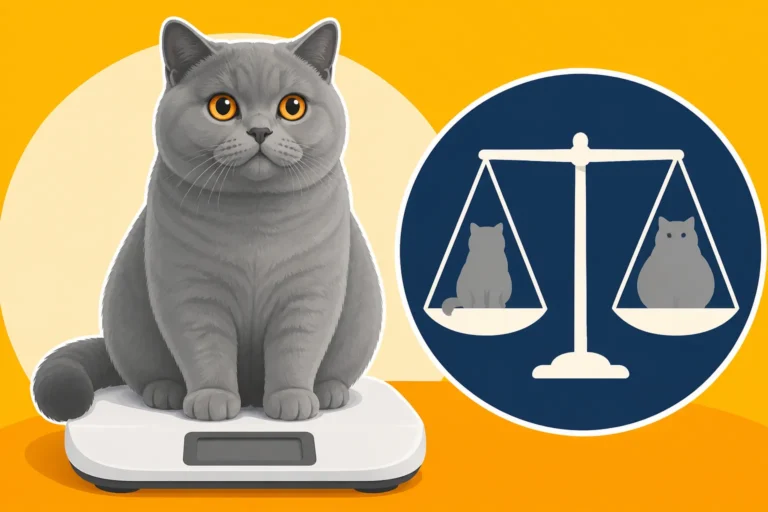
Once you've established a feeding schedule, ongoing monitoring is essential. Regularly weighing your British Shorthair at home is crucial. You can do this by weighing yourself, then weighing yourself holding your cat, and subtracting the difference. How to Weigh a British Shorthair at Home provides a detailed method.
Keep a close eye on their body condition score by gently feeling their ribs and spine. You want to feel the ribs easily under a slight layer of fat, without them being visibly prominent or obscured by a thick layer of padding. If they're losing weight too quickly, or still gaining, consult your veterinarian. They can help you adjust caloric intake, suggest appropriate foods, or even put your British Shorthair on a specific When a Vet Puts a British Shorthair on a Prescription Diet if necessary. This ongoing partnership with your vet is vital to ensure your cat remains at a healthy weight and condition throughout their life.
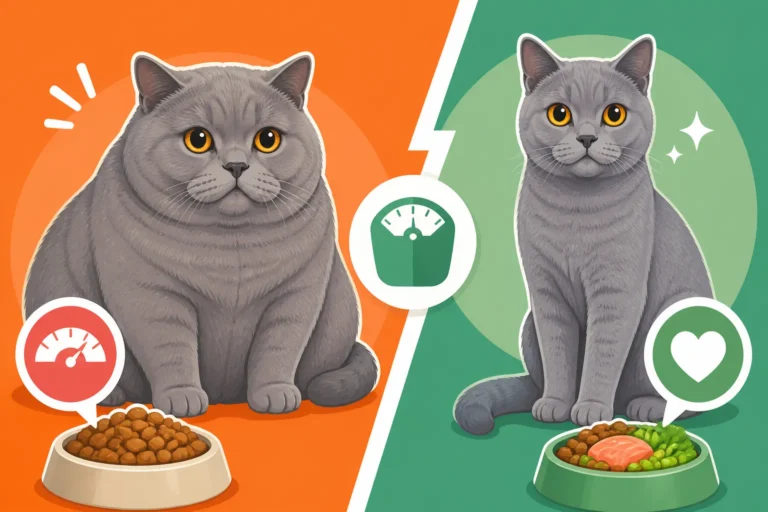
Free Feeding Versus Scheduled Feeding: A Comparison
To make the benefits clearer, here's a quick comparison of free feeding versus scheduled feeding for your British Shorthair.
| Feature | Free Feeding (Constant Access) | Scheduled Feeding (Portion Controlled) |
|---|---|---|
| Weight Management | High risk of obesity due to continuous grazing and overconsumption | Easier to maintain a healthy weight through controlled caloric intake |
| Health Risks | Increased risk of diabetes, joint problems, urinary issues, etc. | Reduced risk of obesity-related diseases |
| Dietary Control | Impossible to know exact intake per cat, especially in multi-cat homes | Precise measurement of food intake, easy to adjust for weight goals |
| Behavioral Impact | Can lead to boredom eating, less mental stimulation | Creates routine, satisfies natural foraging instincts with puzzle feeders |
| Bonding | Less owner-cat interaction around food | Reinforces owner-cat bond through shared mealtime rituals |
| Digestive Health | Constant grazing can stress digestive system | Regular meal times allow for digestive rest |
| Early Illness Signs | Harder to detect appetite changes, delaying diagnosis | Easy to spot changes in appetite, indicating potential health issues early |
Ultimately, for a British Shorthair, moving away from free feeding is one of the most loving and responsible decisions you can make. It protects them from a host of preventable diseases, promotes a healthier weight, and can even enrich your relationship. It takes effort, yes, but seeing your British Shorthair thrive is absolutely worth it.
Disclaimer
This article is for general informational purposes only and does not constitute professional advice. Laws, prices and regulations vary by location and change over time. Consult a qualified professional for guidance on your specific situation.