Whether a British Shorthair Suits a Quiet Household
It’s a common dream: a peaceful home where you can unwind after a long day, perhaps with a purring feline companion nearby. But for many, the reality of cat ownership can involve rambunctious antics, constant demands for attention, or incessant vocalizations that disrupt that very peace. If you're someone who cherishes a calm environment and wonders if a British Shorthair will fit right into your serene sanctuary, you've come to the right place. This guide will explore the British Shorthair's unique temperament and tell you exactly why this wonderfully stoic and placid breed often makes the perfect addition to a quiet household.
The British Shorthair's Natural Inclination Towards Calm
One of the most defining characteristics of the British Shorthair is their inherently calm and composed nature. They aren't the kind of cat that will swing from your curtains or bolt around the house like a furry rocket. Instead, they carry themselves with a dignified tranquility, observing the world around them with a quiet confidence. This inherent serenity is a huge draw for those seeking a pet that complements, rather than complicates, a peaceful home.
A Cat of Serene Observation
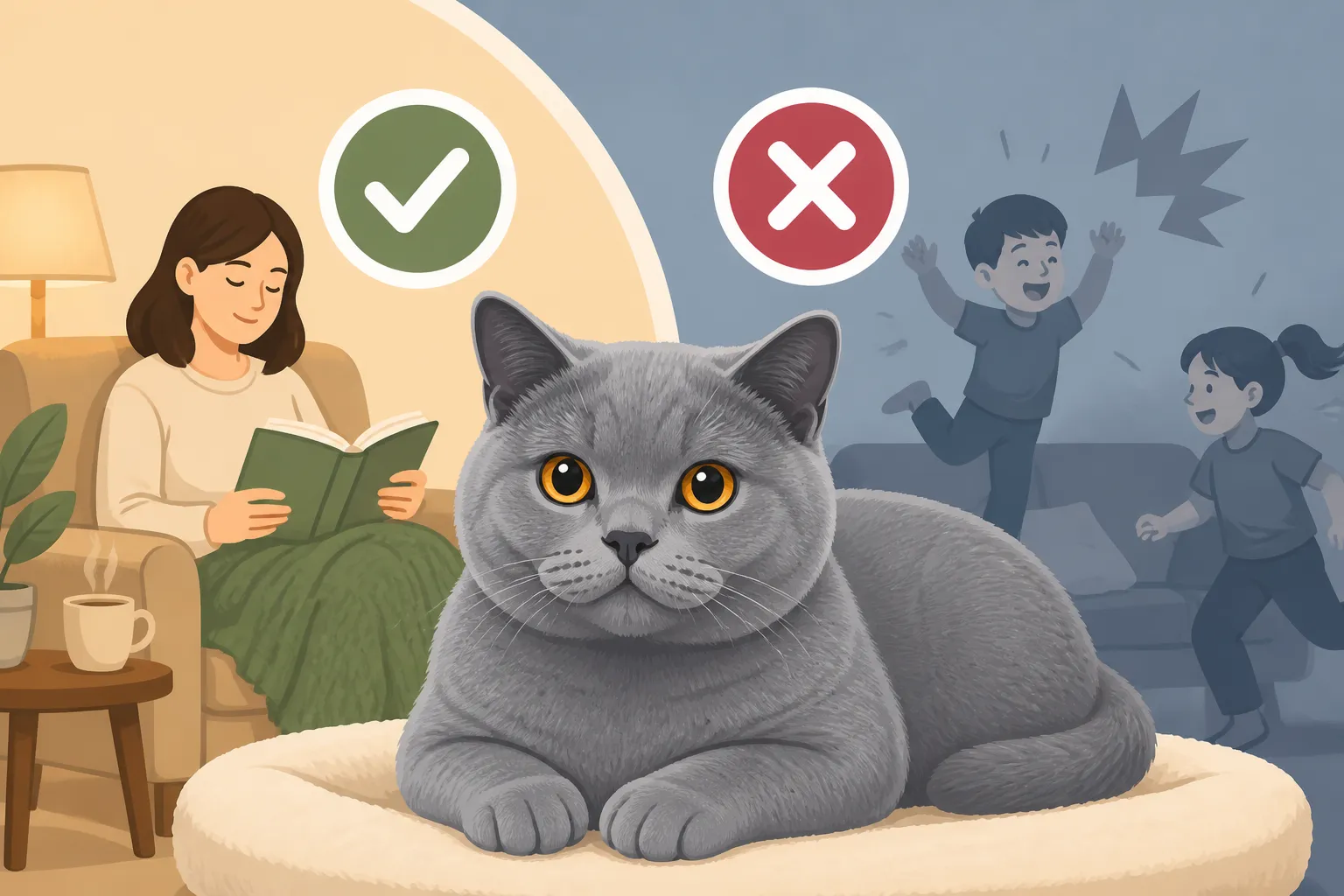
British Shorthairs are masters of serene observation. They love to be with you, but not necessarily on you. Imagine curling up on the sofa with a good book; your British Shorthair is likely to choose a nearby armchair or a sunbeam on the floor, content to simply share the space. They'll watch you, perhaps blink slowly in contentment, and enjoy the quiet presence you offer. This isn't aloofness; it's just their way of being a companion without being demanding. They appreciate a calm pace of life and are rarely found exhibiting frantic energy. Even when they're young, British Shorthair kittens tend to have a more grounded energy compared to many other breeds, preferring playful pounces to sustained sprints. Their natural disposition means they thrive in an environment where they aren't constantly stimulated or overwhelmed.
They enjoy a consistent routine and predictable surroundings, which a quiet household naturally provides. Loud, sudden noises or constant commotion can be unsettling for any cat, but the British Shorthair's calm demeanor means they particularly appreciate an absence of such stressors. They will often choose a comfortable, slightly elevated spot where they can survey their domain without being in the thick of things. Think of them as the stately, unruffled monarch of your living room, perfectly content to reign from a plush throne by the window. This preference for quiet companionship makes them an ideal fit for individuals or families who also value a tranquil pace of life.
Minimal Vocalization
If you've ever lived with a particularly chatty cat, you know how quickly constant meowing can grate on your nerves, especially if you crave quiet. The good news for quiet households is that British Shorthairs are renowned for being one of the most silent cat breeds out there. You won't typically hear a British Shorthair engage in lengthy, insistent conversations or piercing cries for attention. They communicate with subtle gestures, a gentle nudge, or a look from those big, round eyes that somehow conveys exactly what they want. It’s a truly refreshing trait for those who prefer the gentle hum of peace to constant feline commentary.
When a British Shorthair does vocalize, it's usually a soft, almost kitten-like chirp or a low, rumbling trill. These sounds are often reserved for moments of genuine pleasure or gentle requests, like greeting you at the door or asking for a meal. They're not loud or demanding; they're sweet, understated expressions that fit perfectly into a quiet home. This minimal vocalization also means you're less likely to be woken up in the middle of the night by a cat loudly announcing their presence or demanding food. Their quiet nature extends to their general movements as well; they move with a graceful, unhurried gait, rarely crashing into things or creating unnecessary noise. You might even find yourself checking to see where they are, only to discover them quietly observing you from a sunbeam, a silent, furry guardian of your peace. For more on their communication style, check out How Vocal a British Shorthair Is.
Understanding Their Need for Personal Space
Another reason the British Shorthair is such a fantastic choice for a quiet household is their intrinsic respect for personal space – both yours and theirs. They aren't cats that typically demand to be glued to your side every waking moment. While they certainly appreciate affection and interaction, they also value their independence and enjoy their own company, making them low-maintenance companions in terms of constant interaction.
Independent Nature and Affection
British Shorthairs have a wonderful independent streak. They love their people, certainly, but they're not what you'd call a "velcro" cat. They'll greet you at the door, weave around your legs, and might even follow you from room to room just to be in your vicinity. However, when it comes to physical affection, they often prefer to dole it out on their own terms. A head bonk, a rub against your leg, or a quiet purr while sitting next to you on the sofa are their preferred ways of showing love. They might enjoy a good stroke or a chin scratch, but often for shorter durations than some more clingy breeds. They generally aren't big fans of being picked up and carried around for extended periods, preferring all four paws firmly on the ground.
This independent nature perfectly suits a quiet home because it means you won't constantly have a cat vying for your direct attention. You can enjoy your activities without interruption, knowing your British Shorthair is content just being in the same space. They provide comforting companionship without the relentless demands that can sometimes be overwhelming in a quiet setting. They're there, a warm, fuzzy presence, but they allow you the freedom to simply exist without constant engagement. You might find them settling on a cushion beside you, purring softly, offering a sense of calm reassurance without needing to be the center of attention. If you're curious about how they truly express their love, read How Affectionate a British Shorthair Is.
Tolerance for Alone Time
Many cat owners worry about leaving their feline friends alone, especially if they have a demanding work schedule or spend time away from home. With a British Shorthair, this concern is significantly lessened. They are remarkably self-sufficient and cope exceptionally well with periods of solitude, making them ideal for individuals who work full-time or have a quieter social life that means less constant human interaction at home. As long as they have access to food, water, a clean litter box, and a few comfortable spots to nap, they are generally quite content to entertain themselves or, more likely, simply nap the day away.
They don't tend to develop the kind of destructive separation anxiety that can plague more co-dependent breeds. This isn't to say they don't miss you – they absolutely do! But their quiet resilience means they won't typically express that missing by shredding your furniture or howling mournfully. Instead, they save their most enthusiastic greetings for when you return, a sweet purr and a rub against your legs being their welcome home. This trait is invaluable for anyone who wants the joy of cat ownership without the guilt of leaving a pet alone for a standard workday. They truly embody the phrase A British Shorthair Is Genuinely Fine on Its Own. To delve deeper into how long they can comfortably be left, take a look at How Many Hours a British Shorthair Can Be Left.
Low Energy and Play Habits
When envisioning a pet for a quiet household, high-energy animals that require constant exercise or stimulation are often ruled out. This is another area where the British Shorthair shines, as their energy levels tend to be on the lower, more sedate side, aligning perfectly with a tranquil home environment.
The Sedate Lifestyle
British Shorthairs are not known for being acrobats or marathon runners. Their sturdy, "cobby" build means they are well-suited to a more relaxed pace of life. You'll often find them napping in a sunbeam, sprawled elegantly on a plush rug, or simply observing the world from a comfortable vantage point. Their idea of a good time often involves a short burst of play followed by a lengthy, luxurious nap. This sedate lifestyle is a huge boon for quiet households, as it means you won't feel pressured to constantly engage in vigorous play sessions or worry about them tearing through the house with boundless energy. They fit perfectly into an environment where quiet contemplation and relaxation are prioritized.
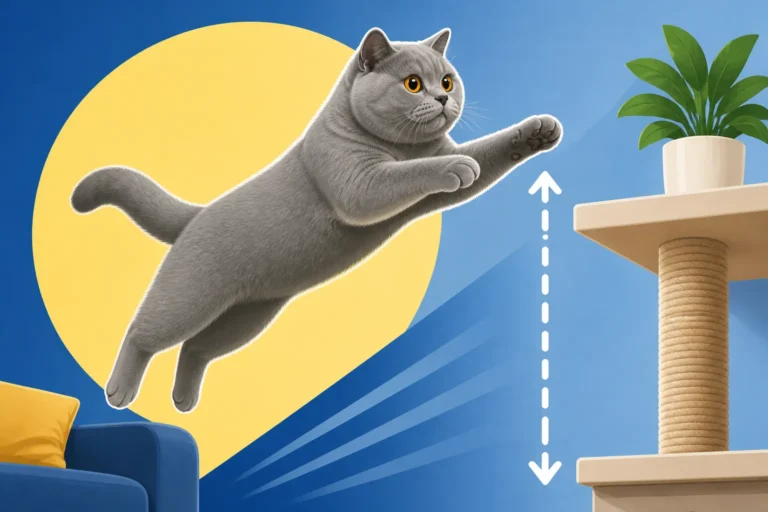
While they may be calm, it doesn't mean they don't need exercise. It's just that their exercise needs are modest and easily met within a quiet home. Short, engaging play sessions are often all it takes to keep them happy and healthy. This manageable energy level also helps prevent obesity, a common issue in this breed, as their natural inclination to be sedentary makes them prone to weight gain if not managed. A few minutes of focused play with a wand toy can provide all the stimulation they need, after which they'll happily retreat to their favorite napping spot. For tips on encouraging activity in this calm breed, see Getting a Low Energy British Shorthair to Move.
Enrichment in a Quiet Setting
Just because a British Shorthair is calm and quiet doesn't mean they don't need mental and physical enrichment. In fact, providing appropriate enrichment is crucial for their well-being, and it can be perfectly tailored to a quiet household. Instead of high-intensity games, focus on activities that stimulate their minds and encourage gentle movement. Puzzle feeders, for example, are fantastic for engaging their natural hunting instincts in a low-energy way. You can hide treats in various compartments, encouraging them to think and bat at the toy to release the reward. You can find a wide variety of these on sites like Amazon, from simple treat balls to more complex designs.
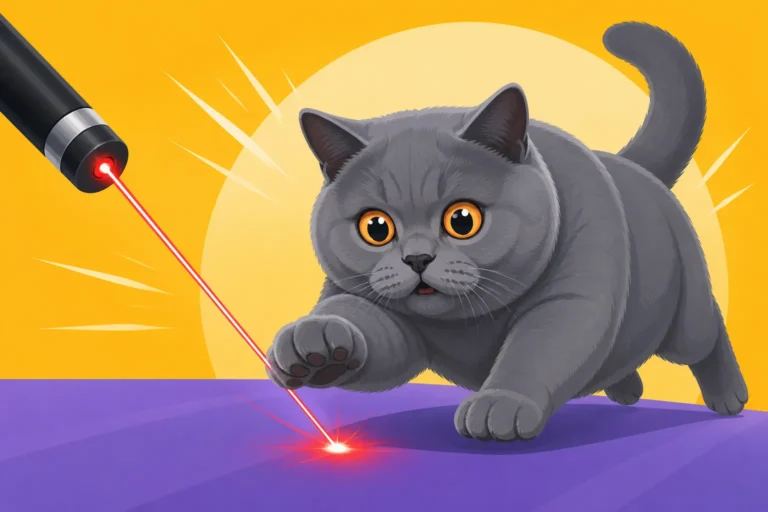
Window perches offer another wonderful form of quiet enrichment. British Shorthairs absolutely adore watching the world go by from a comfortable, elevated spot. A sturdy window perch allows them to observe birds, squirrels, or simply the changing weather without needing to exert much physical energy. Even a soft bed placed on a windowsill can provide hours of quiet entertainment. Interactive toys like wand toys are also excellent, allowing you to control the pace of play. A slow, slinking feather toy that mimics prey can entice even the most sedentary British Shorthair into a short, satisfying hunt. For specific toy recommendations, read Which Toys a British Shorthair Will Actually Chase. The key is to provide options that align with their calm personality, ensuring they remain stimulated and happy within your tranquil home.
Considerations for a Truly Quiet Home
While the British Shorthair is an excellent match for a quiet household, there are still some important nuances to consider to ensure both you and your feline companion thrive. Understanding their needs, even within a calm environment, can prevent misunderstandings and foster an even stronger bond.
Socialization and Early Experiences
Even the calmest cat needs proper socialization, especially during their kittenhood. While a quiet household is ideal, it shouldn't be completely devoid of varied experiences. A well-socialized British Shorthair will be more resilient and less prone to fear or stress when encountering new things, even if those things are infrequent. This means gentle exposure to different sounds (not necessarily loud ones, but varied household noises), different textures, and calm interactions with a few different people during their formative months. A reputable breeder will have already started this process, but it's important to continue it in your home.
In a quiet home, this socialization might look like inviting a calm friend over for coffee, playing soft music occasionally, or gently introducing them to the sound of a vacuum cleaner from a distance. The goal isn't to overwhelm them but to build their confidence in a controlled, low-stress manner. A British Shorthair that has been gently exposed to various stimuli as a kitten will be much more adaptable and less likely to become anxious or reclusive, even in an otherwise tranquil environment. The foundation laid in kittenhood deeply impacts an adult cat's temperament, making early, positive experiences crucial for fostering a well-adjusted, calm companion.
Managing Sudden Changes or Noise
While British Shorthairs thrive in a quiet, predictable environment, it's important to remember that they are still creatures of habit and can be sensitive to sudden, unexpected changes or loud noises. A surprise party, an impromptu home renovation, or even just rearranging the furniture drastically can be unsettling for them. Their calm exterior might hide a momentary flicker of anxiety. They tend to prefer routine, and an abrupt departure from that routine can cause them stress. They might retreat to a quiet, hidden spot until the commotion subsides, only emerging when peace is restored. They are not prone to panic, but they certainly prefer an orderly existence.
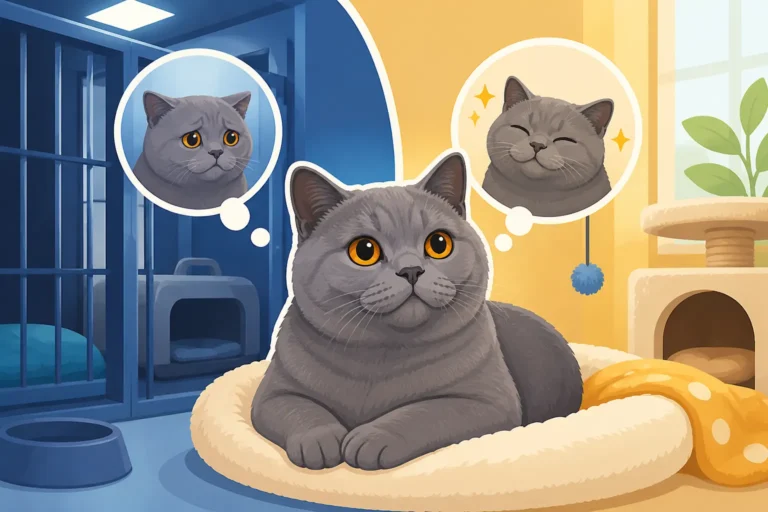
If you know a period of disruption is coming, such as hosting guests or having work done in the house, it’s best to prepare your British Shorthair in advance. Create a safe, quiet "sanctuary" space for them with their bed, food, water, and litter box where they can retreat and feel secure. Offer them extra comfort and reassurance during these times. While they might tolerate a brief period of noise, their true happiness lies in a consistent, tranquil home. Understanding their preference for predictability means you can manage occasional deviations in a way that minimizes their stress and ensures their continued contentment in your quiet household. You can learn more about their sensitivity to change by reading Why a British Shorthair Hates Change.
British Shorthair Traits for a Quiet Household
To summarize just how well a British Shorthair fits into a quiet household, here's a quick comparison of their typical traits versus those of a more active, demanding breed:
| Trait | British Shorthair (Ideal for Quiet Home) | More Active/Demanding Breed (Less Ideal for Quiet Home) |
|---|---|---|
| Energy Level | Low; prefers naps, short play bursts | High; needs constant activity, prone to zoomies |
| Vocalization | Minimal; soft chirps, trills; generally silent | Frequent; loud meows, insistent demands |
| Affection Display | Close proximity, head bonks, gentle rubs | Lap cat, constant purring, demands to be held |
| Independence | High; content alone for periods | Low; prone to separation anxiety, needs constant company |
| Response to Change | Prefers routine, can be unsettled by disruption | More adaptable but can still be energetic or destructive |
| Play Style | Short, focused sessions; puzzle toys | Long, vigorous play; climbing, chasing |
The British Shorthair truly is a wonderful choice for those who value peace and quiet in their home. Their calm disposition, minimal vocalization, and appreciation for personal space make them a harmonious addition to any tranquil environment.
Disclaimer
This article is for general informational purposes only and does not constitute professional advice. Laws, prices and regulations vary by location and change over time. Consult a qualified professional for guidance on your specific situation.