Whether an Older British Shorthair Gets Friendlier
It’s a common experience for British Shorthair owners to wonder if their beloved, somewhat reserved companion will ever truly warm up in a significant way. You love their calm demeanor, their quiet presence, and that utterly charming teddy bear look, but sometimes you just wish for a bit more overt affection. As these magnificent cats mature, many guardians hope for a shift towards a more outwardly friendly personality. This guide will delve into whether an older British Shorthair does indeed become friendlier, exploring the nuances of their aging behavior and how you can foster a deeper bond.
Understanding the British Shorthair's Baseline Temperament
Before we can even begin to talk about how an older British Shorthair might become friendlier, we need to really understand what "friendly" means in the context of this particular breed. British Shorthairs aren't known for being the most demonstrative cats right out of the gate. They have a reputation, and often an earned one, for being independent and perhaps a little aloof, which can sometimes be a source of quiet frustration for owners yearning for more cuddles.
The Stereotype Versus Reality
The typical British Shorthair personality is one of dignified calm. They are often described as serene, easygoing, and incredibly patient. They're not usually the kind of cat to climb onto your lap and demand attention, nor are they typically found draped over your shoulder. This can be a bit of a shock if you're used to more clingy breeds or if you've grown up with a cat that was always underfoot. You might find yourself thinking, "Does my British Shorthair even like me?" when they choose to sit on the next cushion over, rather than right on you. This isn't a sign of dislike; it's just their way. Their affection is usually much more subtle, expressed through quiet companionship. They might follow you from room to room, just to be in the same space, or offer a gentle head butt when you walk by. A slow blink from across the room is often their version of a big hug. It's a quiet appreciation of your presence, rather than a demanding need for physical contact. If you're looking for more insight into their affectionate nature, you might find our post on How Affectionate a British Shorthair Is particularly illuminating.
Early Life Socialization and Impact
A significant factor in any cat's adult personality, including the British Shorthair, is their early socialization. A kitten raised in a bustling household, handled regularly and gently by different people, and exposed to various sights and sounds, is more likely to grow into a confident, well-adjusted adult. Conversely, a kitten that had limited human interaction or negative experiences during its formative weeks might be more reserved, even timid, throughout its life. This isn't to say that an older cat can't change, but their initial experiences lay a foundational blueprint for their comfort levels with humans. A reputable breeder plays a crucial role here, ensuring that kittens are raised in an environment that encourages positive human interaction. If your British Shorthair started life with less-than-ideal socialization, it might take even more patience and gentle encouragement to coax them out of their shell as they age.
How Age Can Influence a British Shorthair's Social Behavior
So, the big question: does age make a British Shorthair friendlier? The answer isn't a simple yes or no, but it's generally a hopeful "yes, quite possibly, and often in wonderful ways." As British Shorthairs transition into their senior years, which typically begins around the age of ten or twelve, you might notice some shifts in their demeanor. This isn't usually a sudden transformation, but rather a gradual evolution that can lead to a deeper, more outwardly expressed bond. For more on when they hit their senior years, check out The Age a British Shorthair Is Considered Senior.
The Slowing Down Effect
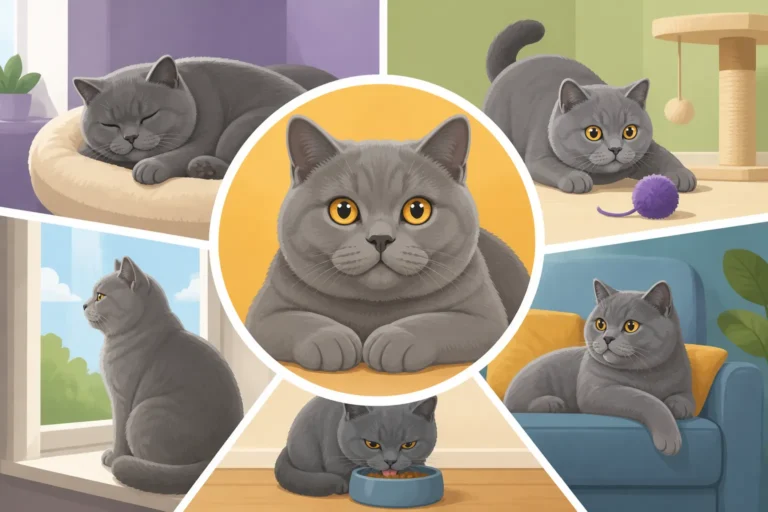
One of the most noticeable changes in an aging British Shorthair is a natural decrease in energy levels. Those bursts of kitten-like play, which were already somewhat muted in their adult years, become even rarer. They'll spend more time napping, observing the world from a comfortable perch, and generally seeking out warmth and soft places to rest. This slowing down often brings them physically closer to their human companions. A cat that once preferred to nap on a distant armchair might now choose a spot right next to you on the sofa, simply because it's warmer, more comfortable, or they just appreciate the quiet companionship. They might not be demanding cuddles, but their presence is a powerful form of affection. If you're wondering about their activity levels, our article on An Aging British Shorthair Plays Less offers a deeper look into this aspect of senior life.
Increased Reliance and Security
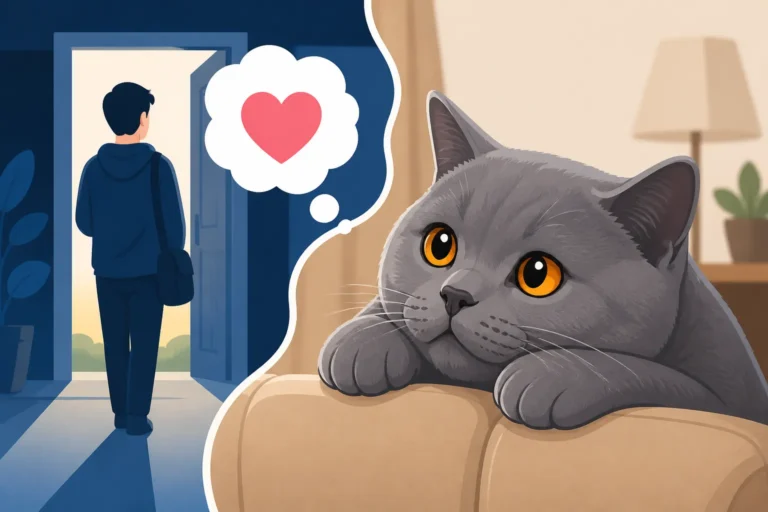
As British Shorthairs age, they can become more reliant on their owners. Their senses might dull a bit – perhaps their hearing isn't as sharp, or their eyesight isn't quite what it used to be. They might feel a bit more vulnerable, especially if there are changes in the household or if their routine is disrupted. This increased reliance often leads them to seek greater security and comfort from their human caregivers. You might find them following you more closely, or seeming to check in with you more often. This isn't just about food or attention; it's about reassurance. They know you are their safe haven, and they might express this by wanting to be in closer proximity to you. This can translate into them seeking out gentle pats, sitting on your lap for short periods, or even just curling up near your feet while you work or relax.
Health Considerations and Behavior Changes
It's absolutely crucial to distinguish genuine shifts towards friendliness from behavioral changes caused by underlying health issues. Unfortunately, pain and discomfort can sometimes manifest as a cat seeking more attention for reassurance, but it can also make them withdraw or become irritable if touched in a sensitive area. Older British Shorthairs are susceptible to conditions like arthritis, which can make jumping and even moving around painful, and dental disease, which can cause significant oral discomfort. Arthritis in an Older British Shorthair and Gingivitis in a British Shorthair are common ailments that can drastically alter a cat's willingness to be handled or interact.
If your previously standoffish cat suddenly becomes very clingy or, conversely, becomes unusually withdrawn, a vet visit is paramount. Changes in behavior are often the only clues our stoic British Shorthairs give us that something isn't quite right. Hyperthyroidism, kidney disease, and even certain types of cancer can all impact a senior cat's disposition. Regular wellness exams, especially for older cats, are non-negotiable. It's truly a matter of their quality of life. For more detailed guidance on their overall health needs, our comprehensive post Caring for an Old British Shorthair is an excellent resource.
Encouraging Friendliness and Bonding in Older British Shorthairs
If you're noticing your older British Shorthair showing signs of warming up, or you simply want to encourage a deeper bond, there are many proactive steps you can take. Remember, consistency, patience, and respecting their inherent nature are key.
Creating a Comfortable and Predictable Environment
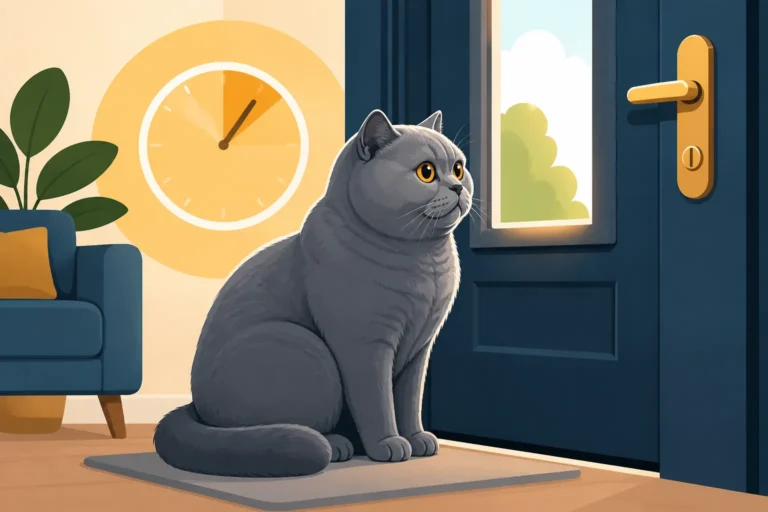
Older cats thrive on routine and stability. They appreciate knowing what to expect, and sudden changes can cause stress, which might make them retreat rather than engage. Maintaining a consistent feeding schedule, regular (though gentle) playtimes, and predictable quiet periods can create a sense of security that encourages them to relax and be themselves. Ensure they have plenty of soft, warm, and easily accessible sleeping spots. As they age, jumping becomes harder, so ramps or steps to their favorite elevated spots can be very helpful. You might even consider a heated bed, easily found on platforms like Amazon, which can be incredibly soothing for arthritic joints and provide a cozy haven that encourages them to settle near you. Providing a calm, quiet space where they can retreat if overwhelmed is also crucial, especially if your home has a lot of activity.
Gentle Interaction and Respecting Boundaries
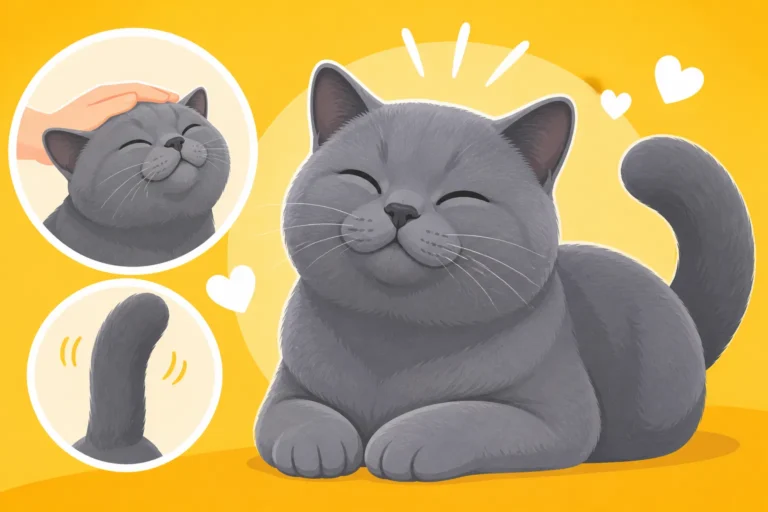
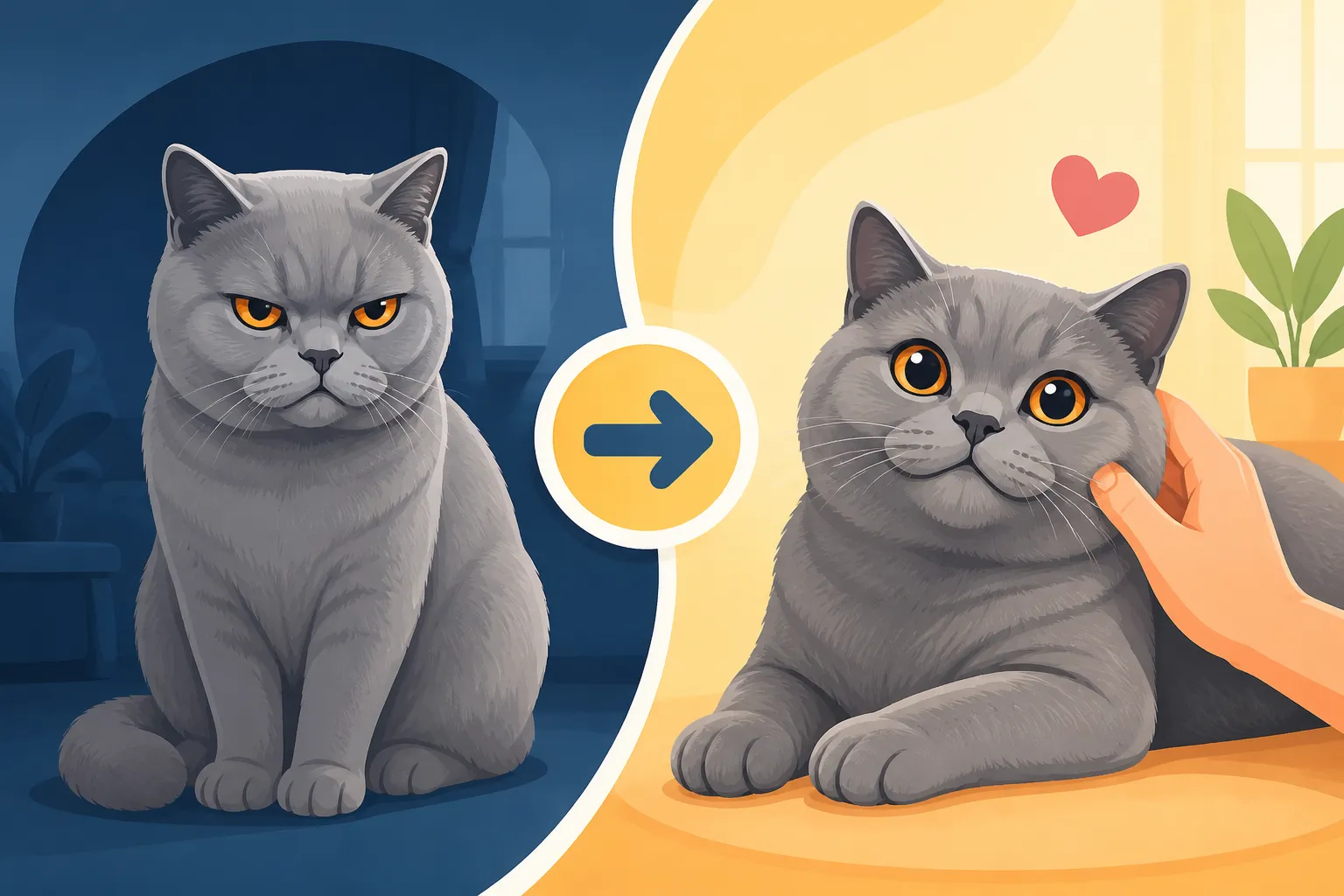
The key to bonding with a British Shorthair, especially an older one, is to let them set the pace. Avoid forcing interactions. Instead, invite them to engage on their terms. Offer a gentle hand for them to sniff, and if they lean into it, try a slow, gentle stroke along their cheeks or behind their ears – areas they usually enjoy. Most British Shorthairs appreciate a good head scratch or chin rub far more than being picked up, something many are reluctant about even in their youth. How Well a British Shorthair Can Be Cuddled at All might be an interesting read here. Learn their preferences and stick to them. If they start to twitch their tail or pull away, respect that boundary immediately. Positive, short interactions are much more effective than prolonged, unwanted ones. Over time, these brief, pleasant exchanges build trust and can lead to them seeking you out more often.
Engaging in Low-Impact Play and Enrichment
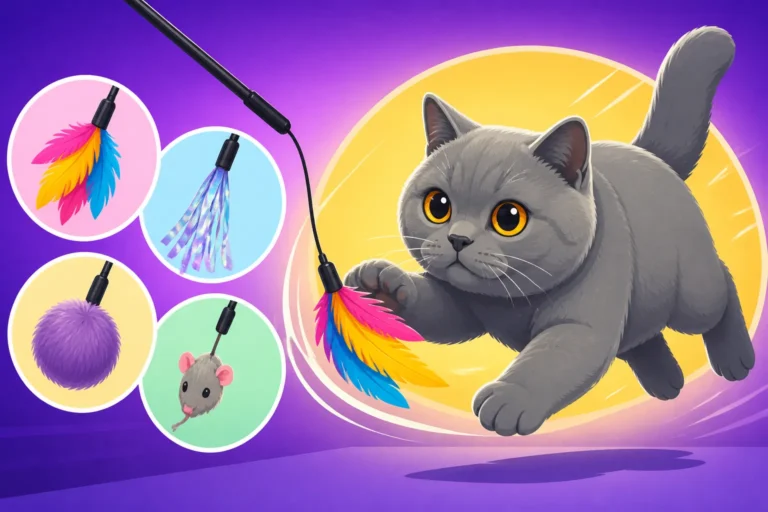
Just because an older British Shorthair is slowing down doesn't mean they don't enjoy play. Their play style just changes. Instead of high-energy chasing, they might prefer short bursts of activity or games that require less strenuous movement. Wand toys are fantastic for this, as you can control the movement and bring the "prey" to them, rather than expecting them to chase it vigorously. Many excellent options are available on Amazon. Which Toys a British Shorthair Will Actually Chase can give you some ideas. Puzzle feeders are another wonderful way to provide mental stimulation without much physical exertion. These can be particularly beneficial for British Shorthairs, who are prone to weight gain and can become quite food-motivated. A puzzle feeder makes mealtime a fun, engaging activity, rather than just a quick gulp of kibble.
Nutritional Support and Comfort
A healthy body supports a happy mind. As British Shorthairs age, their nutritional needs change. They might require food tailored for senior cats, which often has different calorie levels and nutrient profiles to support aging joints, kidney health, and overall vitality. Discuss this with your veterinarian to find the best diet for your specific cat. Our post on Whether an Aging British Shorthair Needs Softer Food might provide some additional food for thought. If arthritis is an issue, a vet might recommend joint supplements, which can significantly improve their comfort and mobility. When they feel physically better, they are often more inclined to engage with their surroundings and their human companions. Imagine trying to be friendly when every movement is a dull ache – it's tough!
Common Misconceptions and Realistic Expectations
It's easy to project our hopes and desires onto our pets, but with British Shorthairs, it's particularly important to maintain realistic expectations about how much their personality might shift in their golden years.
Not All Cats Change Dramatically
While many older British Shorthairs do become more outwardly affectionate, it's not a universal guarantee. Some will remain consistently independent, preferring to observe from a comfortable distance rather than engaging in physical contact. The idea of "friendlier" might mean they are more tolerant of your presence, perhaps willing to sit closer, or accepting a few more strokes, but they might never become a true "lap cat" if that wasn't their inherent nature. It's important to appreciate the unique bond you have, whatever form it takes. Their quiet companionship is a gift in itself. Don't be disappointed if your British Shorthair doesn't suddenly transform into a cuddle monster; cherish the subtle ways they show their love.
Distinguishing True Friendliness from Needing Help
As mentioned earlier, a sudden, dramatic change in an older cat's behavior – whether becoming overly clingy or unusually withdrawn – should always prompt a veterinary visit. While a gradual increase in seeking proximity can be a lovely sign of growing affection, an abrupt shift might indicate discomfort or illness. Signs a British Shorthair Is Unwell can be subtle and easily missed, especially in a breed as stoic as the British Shorthair. They are masters at hiding pain and illness, a survival instinct that can make it challenging for owners to detect problems. If your normally reserved cat suddenly demands constant attention, or if your already affectionate cat suddenly pulls away, it's worth having them checked out by a vet. That sudden clinginess might be a plea for comfort due to an unseen ailment. Remember, How a British Shorthair Hides Pain means you need to be extra vigilant for any behavioral changes that could signal a problem.
Here’s a quick overview of how a British Shorthair's friendliness might evolve:
| Life Stage | Typical Sociability | Potential Changes with Age |
|---|---|---|
| Kitten | Playful, curious, may tolerate handling, learning boundaries. | Early socialization is key here. Well-socialized kittens are more likely to grow into confident adults. Some might be more reserved from the start, while others might be surprisingly boisterous. |
| Adult (1-9 years) | Calm, independent, prefers proximity over laps, subtle affection (head butts, slow blinks). May tolerate handling briefly but often prefers floor-level interaction. Less prone to high-energy play as they mature past 3-4 years. | Generally maintains a consistent personality. Some individuals might become slightly more tolerant of affection over time as they settle into their routines and bond with their household. Their activity levels typically decrease. |
| Senior (10+ years) | Often seeks warmth and comfort, may become more reliant on owners, potentially increased seeking of gentle physical contact, reduced energy for intense play. | Many British Shorthairs become more outwardly affectionate and seeking of companionship. This often manifests as choosing to nap closer to you, following you more, or enjoying gentle strokes for longer periods. Health can significantly impact this. |
Ultimately, whether your older British Shorthair gets friendlier is a journey unique to each individual cat. Many owners do report a lovely softening in their senior years, where these quiet companions seem to appreciate their human bond more overtly. By understanding their needs, respecting their boundaries, and ensuring their good health, you can foster an environment where your British Shorthair feels safe, loved, and perhaps, a little more inclined to show their affection.
Disclaimer
This article is for general informational purposes only and does not constitute professional advice. Laws, prices and regulations vary by location and change over time. Consult a qualified professional for guidance on your specific situation.