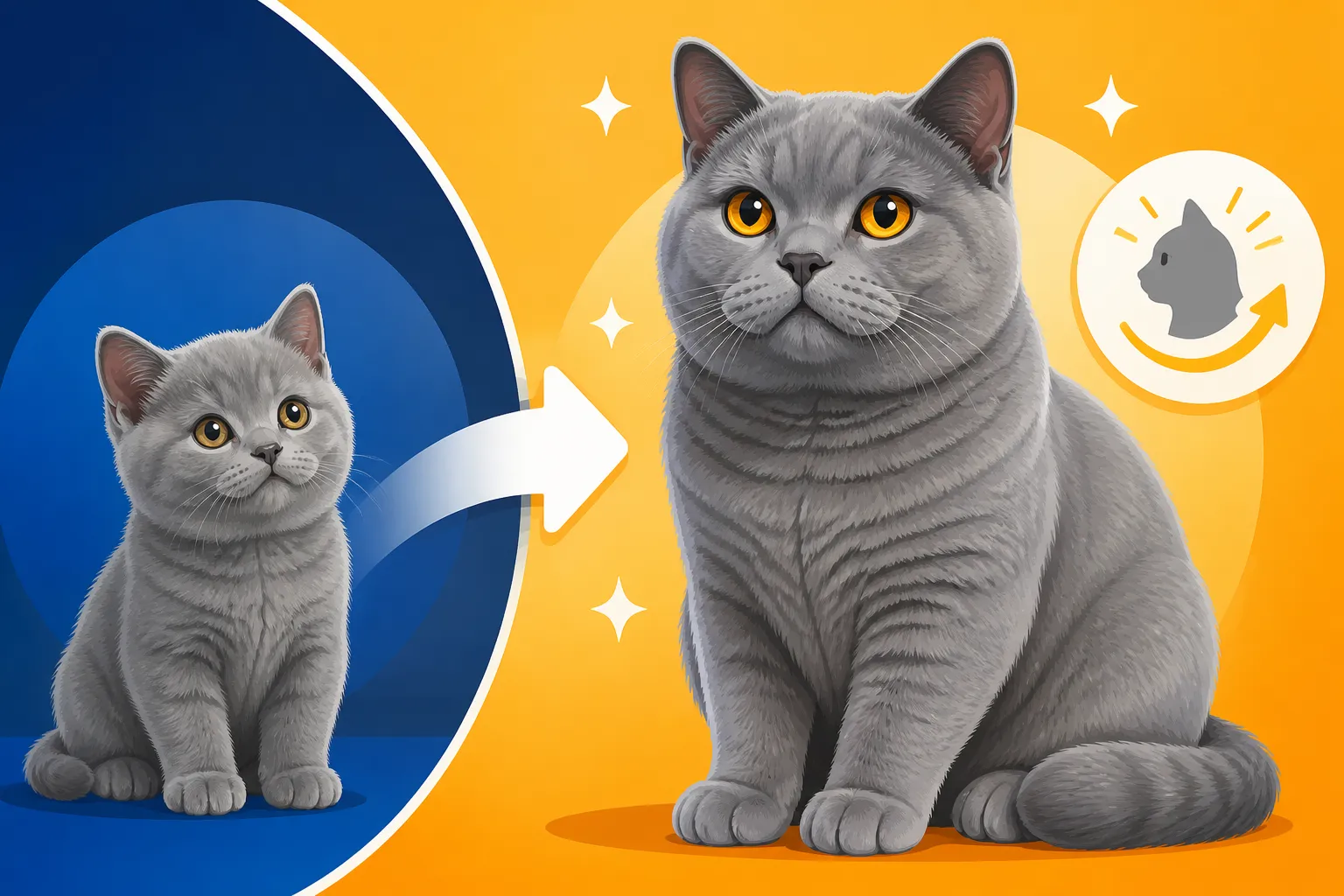
What Changes in a British Shorthair at Three
It's easy to assume that by the time a cat hits their first birthday, they're pretty much done with the major changes. They've outgrown the frantic kitten energy, their adult coat is in, and they seem to have settled into their personality. But if you're living with a British Shorthair, you might notice that the three-year mark actually ushers in a new, albeit subtle, phase of development. This guide will delve into the nuanced shifts you can expect as your British Shorthair transitions into a truly magnificent young adult.
Physical Development: Reaching Peak British Shorthair Grandeur
While many cat breeds hit their adult size and shape much earlier, the British Shorthair is a glorious slow-burn. Three years old is a significant milestone, but it’s often just when they start truly showcasing the impressive physique they’re known for. Don't be surprised if your three-year-old still has a bit more filling out to do!
The Slow Burn of Full Maturity
Unlike some of their more lithe and agile counterparts, British Shorthairs are a breed built for substance. Their stocky, cobby build, broad chest, and robust bone structure aren't fully formed overnight. Many owners report that their British Shorthairs continue to gain muscle mass and bone density, particularly in their chest and shoulders, well past their second birthday, often not reaching their absolute prime until three to five years of age. This means that while your two-year-old might have looked like an adult, your three-year-old will likely appear even more substantial, more rounded, and more "brick-like" in their impressive build. It's a journey of gradual development, not a sudden spurt. If you're wondering how much more they'll grow, remember that the true, impressive heft often comes with time. For more on this, you might want to read How Long a British Shorthair Takes to Fill Out.
It's crucial to distinguish between healthy growth and unhealthy weight gain during this period. Your British Shorthair should be filling out with muscle and density, not just fat. A good breeder will often tell you that the true 'type' of the cat, its breed standard conformation, really starts to shine around this age. Their legs become even thicker, their paws more substantial, and their overall frame becomes incredibly dense. It's a beautiful transformation to witness, as the playful kitten matures into the iconic, powerful teddy bear cat we all adore. Keeping an eye on their actual weight versus their ideal body condition is key. You can find more detail on ideal weights in What a British Shorthair Should Weigh at Three.
Coat and Condition Refinements
By three years old, your British Shorthair’s magnificent coat should be at its absolute peak. You'll notice the plush, dense undercoat and the slightly coarser guard hairs that give their fur its characteristic "crisp" feel. It stands away from the body, adding to their rounded, teddy bear appearance. This isn't just about aesthetics; a healthy, dense coat is a hallmark of the breed and indicates good overall health. While regular grooming is always important, especially during seasonal sheds, at three, the coat often achieves a luxurious depth and texture that was still developing in their younger years.
Beyond the general coat quality, male British Shorthairs, in particular, will truly start to develop their impressive jowls around this age. These are the wonderfully full, rounded cheeks that give them such a distinctive, often serious, expression. They contribute significantly to the breed's signature round head and add to their overall mature appearance. Females might also develop fuller cheeks, but the prominent jowls are typically a male characteristic. This development further enhances the look, giving them that wise, distinguished air we associate with a fully mature British Shorthair.
Behavioral Shifts: From Playful Adolescent to Serene Adult
If your British Shorthair was still holding onto some remnants of kittenish energy at two, by three years old, you're likely to see a noticeable shift towards a more settled, dignified demeanor. They don't lose their personality, but they often channel their energy in different ways.
Settling into Their Rhythm
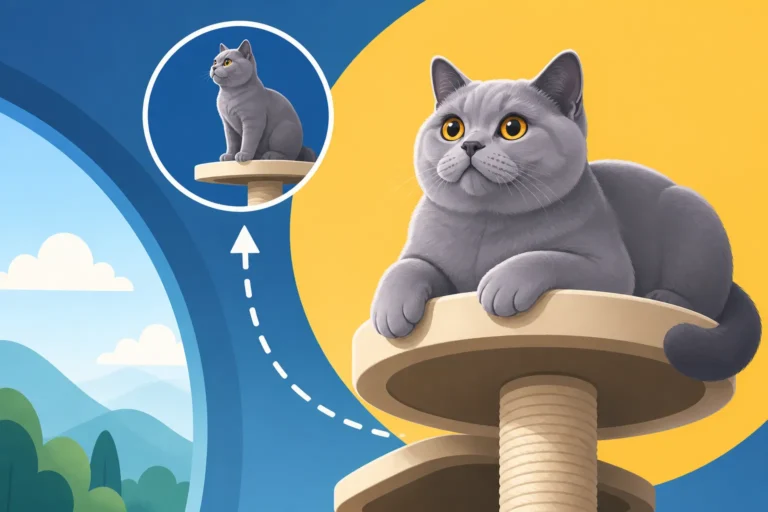
The boundless, often chaotic, energy of kittenhood typically gives way to a more measured, calm presence by the time a British Shorthair reaches three. While they might still have bursts of playful activity, these are often shorter and less frequent than in their younger days. You'll find them more content to observe their surroundings from a comfortable perch, perhaps a soft blanket on the sofa, rather than tearing through the house. This isn't to say they become boring; far from it. Their presence becomes more grounding, their quiet companionship a cherished part of your daily routine. It’s the age when they truly embody the "couch potato" stereotype, but in the most endearing way possible.
They become creatures of habit, often establishing very predictable daily routines. They'll know exactly when to expect their meals, when you usually sit down for your evening unwinding, and when it's time for a quiet cuddle. This predictability is a comfort to them, and they thrive on it. This settling-down phase is a welcome change for many owners who appreciate a more tranquil companion. If you've been wondering When a British Shorthair Settles Down, three years old is often that sweet spot. They might still show some kitten-like antics occasionally, but the overall shift is towards a more composed adult cat. This is also often the age where you truly see them as completely independent of their kitten selves, a true departure from How Long a British Shorthair Stays a Kitten.
Evolution of Play Habits
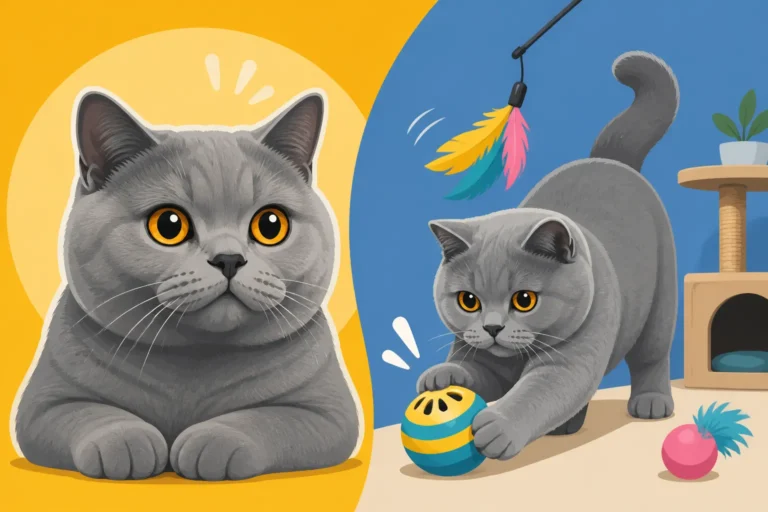
While the intensity of play might wane, a three-year-old British Shorthair certainly doesn't stop playing entirely. Instead, their play tends to become more intentional and less driven by sheer, unbridled energy. They might prefer interactive toys that stimulate their hunting instincts rather than just chasing a laser pointer for endless minutes. Feather wands, crinkle balls, or even puzzle feeders become more appealing. They still enjoy interaction, but they might initiate it less frequently, or perhaps prefer shorter, more focused sessions. You might notice they're more particular about what they play with and when.
This shift is a natural part of their maturation and can be linked to Why a British Shorthair Stops Playing at Three with the same vigor as a kitten. It's a good time to introduce new types of enrichment to keep their minds engaged, even if their bodies are slowing down a bit. Think about smart toys or treat puzzles that require problem-solving. Many owners find that quality interactive toys, easily found on Amazon, can reignite their play drive. A robust cat tree designed for heavier cats (search for options on Amazon) might become more appealing as a vantage point, even if they're not scaling it quite as actively as before. It's all about adapting to their evolving preferences.
Solidifying Affection and Routine
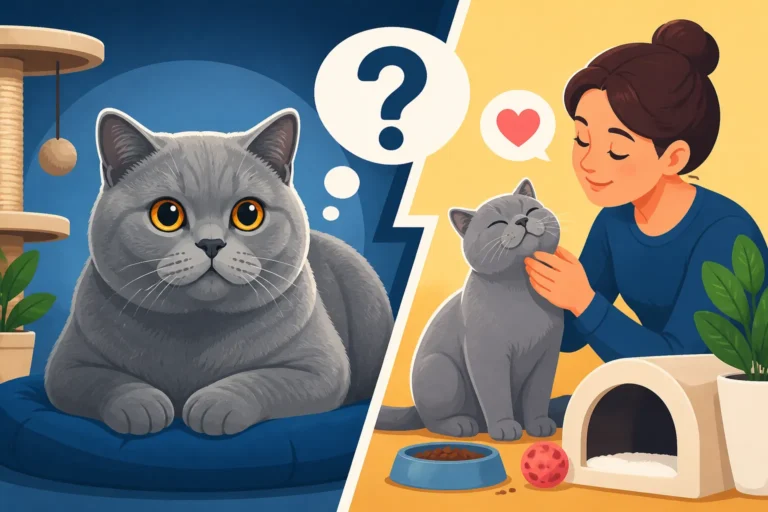
At three years old, your British Shorthair's bond with you will likely feel incredibly strong and deeply ingrained. They are typically not "lap cats" in the traditional sense, but their affection is profound and demonstrated in their own unique ways. They might follow you from room to room, settle nearby while you work or relax, and offer gentle headbutts or soft purrs. This age often marks a peak in their quiet companionship, a sense of mutual understanding that deepens with each passing year. They’ve fully integrated into the family unit and feel secure in their environment.
Routines become even more important to them. Any disruption might be met with mild confusion or a quiet protest, though they usually adapt fairly well. They thrive on the predictability of their day: meal times, designated play sessions, and quiet moments with their humans. This adherence to routine makes them incredibly stable and reassuring companions. You might also notice that their expressions of affection, while still subtle, are more consistent. They've found their comfort zone, and that comfort zone almost always includes you, even if it's from the next armchair over.
Health and Care Considerations for the Three-Year-Old British Shorthair
As your British Shorthair moves past the intensive growth phases of kittenhood and adolescence, the focus shifts slightly in terms of care. Prevention and maintaining a healthy adult lifestyle become paramount.
Weight Management Becomes Crucial
One of the most critical aspects of caring for a three-year-old British Shorthair is vigilant weight management. This breed is predisposed to gaining weight easily, thanks to their naturally stocky build, dense fur that can hide excess pounds, and their generally calm, low-activity nature. As their metabolism naturally slows down slightly and their growth plateaus, any overfeeding can quickly lead to an unhealthy weight. This is truly the age where Obesity Is the British Shorthair's Real Disease starts to become a very real concern for many owners.
Now more than ever, Portion Control Is the Whole Job With a British Shorthair. Free feeding is a recipe for disaster with this breed. You need to be meticulous about measuring their food and adhering to recommended daily calorie intakes for adult cats of their size and activity level. If you haven't already, invest in a good quality pet scale, easily found on Amazon, to monitor their progress. Their thick coat can be deceptive, making it hard to feel their ribs or discern a waistline. This vigilance will help prevent issues like diabetes, arthritis, and other weight-related health problems that can significantly shorten their lifespan and impact their quality of life. Understanding Why a British Shorthair Gains Weight So Easily is key to staying ahead of the problem.
Continued Health Screening and Vigilance
While many genetic health screenings are typically done in kittenhood or early adolescence, reaching three years old doesn't mean you can let your guard down entirely. It's still important to maintain regular veterinary check-ups, typically once a year, to catch any emerging health issues early. British Shorthairs can be stoic and hide pain or illness incredibly well, so a professional eye is invaluable.
Specific breed-related conditions, such as Hypertrophic Cardiomyopathy (HCM), can sometimes manifest around this age, though they can appear earlier or later. While there isn't a DNA test for British Shorthair HCM, regular cardiac screening via echocardiogram is a responsible part of their ongoing care, especially if they are part of a breeding program or have a family history of the condition. The Age HCM Usually Appears in a British Shorthair can vary, making ongoing vigilance important. Discuss a suitable screening schedule with your veterinarian, particularly if they recommend specific tests based on your cat's individual history or any subtle changes you might notice. Remember, early detection vastly improves management and outcomes for many conditions.
Common Misconceptions About the Three-Year Mark
It's easy to fall into certain traps of thinking about your cat's development, especially with a breed like the British Shorthair that matures at its own pace. Understanding these common misconceptions can help you provide better, more tailored care.
Not a "Finished Product" Yet
While a three-year-old British Shorthair certainly isn't a kitten anymore, it's a mistake to think of them as a completely "finished" product in every sense. Yes, their major growth spurts are over, and their personality is largely established, but they continue to subtly evolve. Their bond with you will deepen, their understanding of household routines will solidify, and their physical condition, particularly muscle tone and overall density, can still improve with proper diet and environmental enrichment.
Think of it less as reaching a final destination and more as entering a long, comfortable phase of adulthood. They might still surprise you with new preferences, unexpected bursts of energy, or an even deeper level of affection than you thought possible. The journey with a British Shorthair is one of appreciation for their steady, graceful maturation, not just a race to full size.
Individuality Reigns
While this guide offers general insights into what changes around the three-year mark for British Shorthairs, it's vital to remember that every cat is an individual. Just like people, some British Shorthairs might be a bit more precocious and settle down earlier, while others might retain a surprising amount of kittenish enthusiasm well past their third birthday. Some might reach their full physical grandeur closer to two, while others take a full five years to really fill out.
Don't panic if your cat doesn't perfectly fit every description. Instead, observe your individual British Shorthair. What are their unique quirks? How do they show affection? What are their preferred playtimes? Use these general guidelines as a framework, but always prioritize your cat's specific needs and personality. Their unique charm is part of what makes them such wonderful companions.
| Characteristic | Kitten (Under 1 Year) | Adolescent (1-3 Years) | Young Adult (3+ Years) |
|---|---|---|---|
| Physical Growth | Rapid growth, lean body | Filling out, some growth remaining | Reaching peak size/heft, jowls developing |
| Activity Level | High energy, frequent play | Moderate energy, longer play sessions | Calm, dignified, shorter play bursts |
| Social Needs | Highly dependent, exploratory | Developing independence, bonding | Secure, affectionate, enjoys routine |
| Dietary Needs | High calorie, kitten-specific food | Transition to adult food, watch portions | Strict portion control, adult formula |
| Grooming | Basic grooming | Regular combing, coat developing | Regular combing, dense coat maintenance |
| Vet Visits | Multiple for vaccinations/neutering | Annual check-ups, screening | Annual check-ups, ongoing screening |
This article is for general informational purposes only and does not constitute professional advice. Laws, prices and regulations vary by location and change over time. Consult a qualified professional for guidance on your specific situation.