Which Litter Box Size a British Shorthair Needs
One of the most frustrating things as a British Shorthair owner, especially when they're still learning or if you've recently moved, is finding that your beloved cat has decided to relieve themselves outside the litter box. More often than not, the culprit isn't spite or a sudden behavioral shift, but simply a litter box that doesn't accommodate their wonderfully substantial and somewhat regal physique. This guide is here to walk you through exactly what kind of litter box your British Shorthair truly needs to keep them comfortable, happy, and using their designated potty spot every single time.
Why Size Truly Matters for Your British Shorthair's Litter Box
It might seem like a trivial detail – a box is a box, right? But for a British Shorthair, the size and shape of their litter box can make all the difference between a clean home and frustrating accidents. These aren't dainty, slender felines; they are robust, cobby cats that need space to feel secure and perform their natural functions without feeling cramped.
The British Shorthair's Unique Physique and Its Impact on Box Choice
Let's talk about that glorious British Shorthair build. They are famous for their round faces, broad chests, and dense, muscular bodies. How Much a British Shorthair Weighs can be quite a bit, with males often reaching up to 15 pounds or more, and even females being surprisingly heavy for their perceived size. This "cobby" body type means they take up a lot of real estate, especially when they're trying to maneuver in a confined space. Imagine trying to use a tiny restroom in an airplane – it’s just not comfortable, is it? Your British Shorthair feels the same way about a small litter box.
When a litter box is too small, your British Shorthair might find themselves hitting the sides or backing up against the wall as they try to get into position. This isn't just a minor annoyance; it can make them feel vulnerable and exposed, which goes against their innate need for security while eliminating. They need to feel stable and unconstrained. If the box wobbles or if they feel unstable, they might decide it's simply not worth the bother, leading them to seek out more "spacious" alternatives in your home, like a laundry pile or a quiet corner. This is a common frustration for many owners, who wonder why their otherwise perfectly litter-trained cat suddenly has accidents. It often starts with discomfort.
The Importance of Turning, Digging, and Positioning Comfortably
Cats are fastidious creatures, and part of their routine involves a very specific set of movements when they use the litter box. They typically enter, turn around several times, dig a significant hole, do their business, and then meticulously cover it up. These aren't just quirks; they are ingrained instincts. A British Shorthair, with their substantial size, needs ample room to perform these actions without feeling like they're playing a game of Tetris.
If the box is too narrow or too short, your British Shorthair won't be able to turn fully, leading to them potentially eliminating too close to an edge or even having their rear end hang outside the box entirely. This leads to unfortunate "misses" that aren't intentional but rather a consequence of spatial limitations. The digging action is also crucial; they love to really get in there and excavate. If their paws hit the sides of the box after just a couple of scrapes, they'll get frustrated and might abandon the covering process altogether, leaving their waste exposed. This not only defeats the purpose of the litter but can also lead to odor issues and a general sense of unease for your cat. They just want to do their natural thing without obstruction.
The Hygiene Factor and Preventing Accidents
Another critical aspect of litter box size for British Shorthairs is hygiene. A smaller box, especially with a larger cat, means that the litter quickly becomes soiled, and there's less clean space for them to stand or dig. British Shorthairs are generally very clean cats and will go to great lengths to avoid stepping in their own waste. If the box is too small and quickly becomes a mucky minefield, they'll understandably look for cleaner ground elsewhere.
Think about it from their perspective: they have plush, dense fur, and if they're constantly stepping in soiled litter because there's no room to avoid it, they're going to feel pretty gross. This can lead to them tracking soiled litter out of the box, not to mention developing a strong aversion to the box itself. You might also notice that an unhappy British Shorthair will sometimes only partially cover their waste, or even not at all, because they simply don't have the room to dig properly or don't want to get their paws any dirtier than they already are. Ultimately, a clean, spacious box encourages good litter habits and prevents those exasperating "accidents" that can make you question your cat's intelligence (when in reality, it's about their comfort).
How to Measure Up: Finding the Ideal Dimensions
So, how do you actually figure out what size litter box your magnificent British Shorthair needs? It's not just about grabbing the biggest one you see on the shelf; it's about understanding the specific dimensions that cater to their unique build and habits.
The "1.5 Times Your Cat's Length" Rule and Why It's a Starting Point
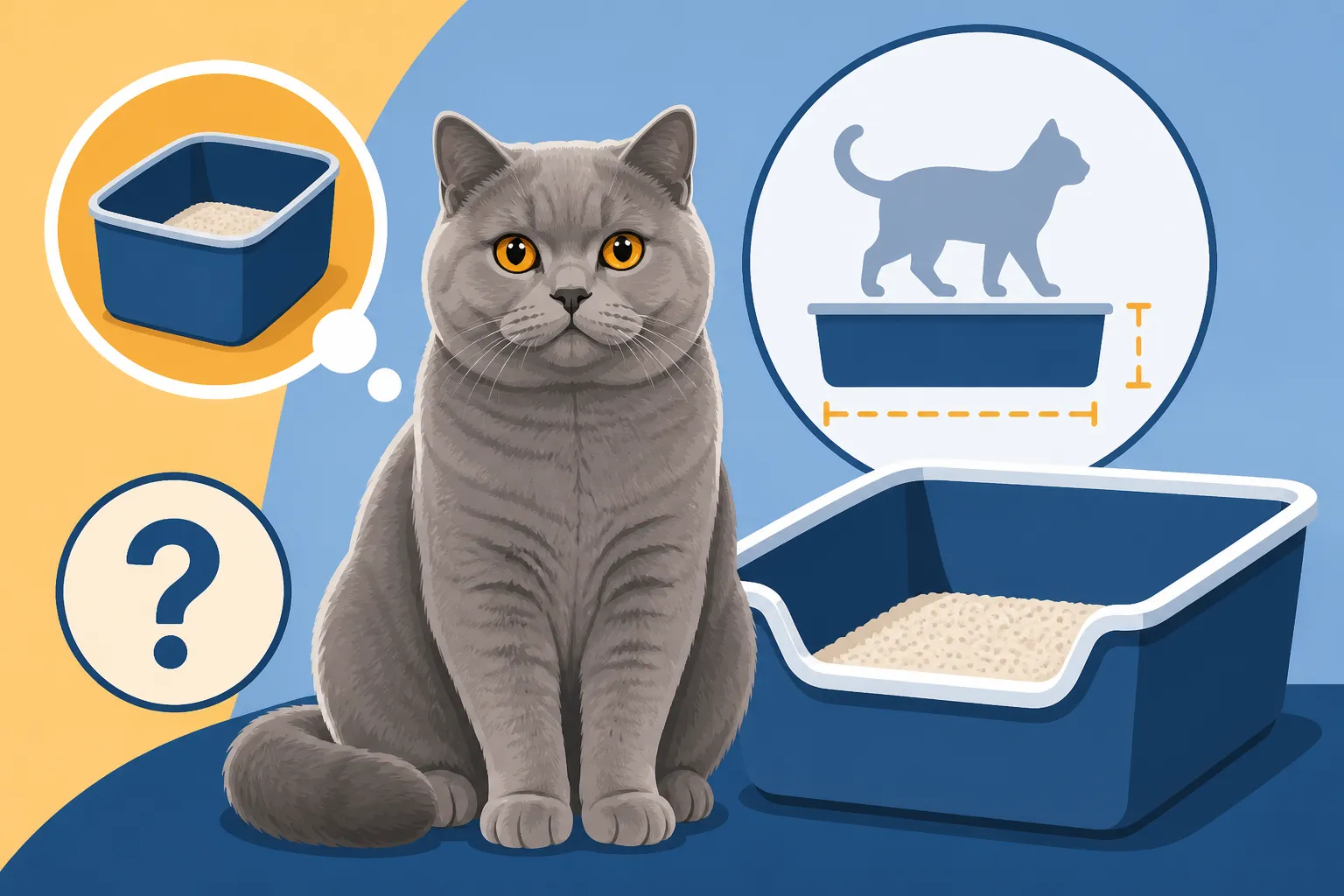
You've probably heard the common rule of thumb: a litter box should be at least 1.5 times the length of your cat. This is a good starting point for many breeds, but for a British Shorthair, it should really be considered the absolute bare minimum, and often, you'll need even more space. To apply this rule, measure your British Shorthair from the tip of their nose to the base of their tail (don't include the tail itself). Then, multiply that measurement by 1.5. That's your target length for the interior of the litter box.
However, remember that British Shorthairs aren't just long; they're broad and tall. So, while this rule gives you a baseline for length, you also need to factor in their overall girth and their ability to comfortably stand and turn. If your cat measures, say, 18 inches from nose to tail base, you're looking for a box that's at least 27 inches long. But don't stop there. This breed needs more than just length; they need volume and openness to feel truly at ease.
Considering Width, Length, and Height for Optimal Comfort
Let's break down each dimension that truly matters for your British Shorthair's litter box:
- Length: As mentioned, this needs to accommodate your cat stretching out and taking a few steps, not just standing still. A longer box gives them the necessary runway to perform their pre-potty rituals and find the perfect spot.
- Width: This is arguably the most critical dimension for a British Shorthair. Their broad shoulders and cobby body mean they need a significantly wide box to turn around completely without feeling squashed. If they can't make a full 180-degree turn comfortably, they'll inevitably end up digging litter out or eliminating too close to the edge. Aim for a width that is at least as long as your cat's body (nose to tail base) if not more. A British Shorthair often prefers to turn in a sweeping arc rather than a tight pivot.
- Height: The height of the walls serves two purposes: containing litter scatter and allowing easy access. For most British Shorthairs, especially those who love to dig vigorously, higher walls are a blessing, helping to keep the litter inside the box. However, you need to be mindful of the entry point. Why a Heavy British Shorthair Needs a Low Sided Box is crucial to consider, particularly for kittens, senior cats, or those who might be Whether an Aging British Shorthair Gets Stiff. A low entry point on one side, with higher walls elsewhere, can be the perfect compromise.
Practical Examples of Box Sizes and Types for British Shorthairs
Given their size, a truly suitable litter box for a British Shorthair will almost always be labeled "jumbo," "extra-large," or even a commercial storage tote. Standard litter boxes, even many marked "large," are simply too small for this robust breed.
For an average adult British Shorthair, you're realistically looking for a litter box with interior dimensions of at least 24-30 inches long, 18-20 inches wide, and walls that are at least 10-12 inches high. If you can find something larger, even better! Many owners find that large plastic storage totes, often found on Amazon or at home improvement stores, make excellent, affordable, and spacious litter boxes. You can easily cut a low entry point into one side for accessibility.
Here's a quick comparison of common litter box types and their suitability:
| Litter Box Type | Pros for British Shorthairs | Cons for British Shorthairs |
|---|---|---|
| Standard Open Pan | Easy access, good visibility, affordable. | Usually too small in length/width; low sides lead to litter scatter. |
| Jumbo Open Pan | Better length/width for movement; still good visibility. | Still might have lower sides; can be hard to find truly large ones in stores. |
| High-Sided Open Pan | Excellent for containing litter scatter; good for diggers. | Entrance can be too high for seniors/kittens if no low entry point. |
| Covered/Hooded Box | Contains odors and litter; offers privacy. | Traps odors inside (unpleasant for cat); often too cramped; dark/claustrophobic. |
| Top-Entry Box | Excellent for litter scatter control; dog-proof. | Difficult for heavy, arthritic, or older British Shorthairs to jump in/out. |
| Storage Tote Conversion | Very spacious, customizable entry, affordable, durable options. | Requires DIY modification (cutting entry hole); aesthetics might be basic. |
| Stainless Steel Pan | Hygienic, non-porous, odor-resistant, durable. | Higher upfront cost; can be heavy; limited size options in some brands. |
Many British Shorthairs express a strong preference for open-top litter boxes. Lids, while appealing to humans for odor control, can trap smells inside and make the space feel even smaller and more intimidating to your cat. Unless absolutely necessary (e.g., to keep a dog out), an open pan is often the best choice for this breed.
Beyond Size: Other Crucial Litter Box Features for British Shorthairs
While size is paramount, it's not the only factor that goes into creating the perfect potty setup for your British Shorthair. Other features can significantly enhance their comfort and encourage consistent litter box use.
Entry and Exit Points: Accommodating All Ages and Abilities
This is closely related to height but deserves its own discussion. The way your British Shorthair gets in and out of their box is incredibly important, especially given their dense build and potential for conditions like Arthritis in an Older British Shorthair.
- Side Entry: Most traditional litter boxes offer a side entry, where your cat steps over a lip. For a healthy adult British Shorthair, a lip of 5-7 inches is usually manageable, but any higher can become a deterrent. For younger kittens, or for aging British Shorthairs who might have stiff joints, a lip that's 3-4 inches or less is ideal. Some high-sided litter pans available on Amazon are designed with one lower entry side, which is a fantastic compromise.
- Top Entry: These boxes require your cat to jump onto the lid and then down into the box. While they are excellent for preventing litter scatter and keeping other pets (like dogs) out of the box, they are generally not suitable for British Shorthairs. Their heavy, cobby build isn't designed for agile jumping, and forcing them to repeatedly jump in and out can put undue strain on their joints. Furthermore, as they age, this becomes even more difficult, making them prone to accidents as they avoid the uncomfortable entry.
Always prioritize ease of access. Your British Shorthair should be able to step in and out of the box smoothly and effortlessly. If you see them hesitating at the edge, struggling to get in, or making an awkward leap, it's a sign the entry isn't comfortable for them.
Material, Durability, and Ease of Cleaning
The material of the litter box might seem minor, but it affects hygiene and longevity, which indirectly impacts your British Shorthair's willingness to use it.
- Plastic: Most litter boxes are made of plastic. While affordable and lightweight, plastic can scratch over time, creating tiny grooves where bacteria and odors can harbor. Even with diligent cleaning, a plastic box can start to smell after a year or two. When choosing plastic, look for thicker, more rigid plastics that are less likely to scratch deeply.
- Stainless Steel: An increasingly popular option, stainless steel litter pans are incredibly hygienic. They don't absorb odors, are much easier to clean thoroughly, and are incredibly durable. While they have a higher upfront cost, they can last a lifetime, potentially saving you money in the long run. Many excellent stainless steel options can be found online, including on Amazon. The smooth surface means less sticking and easier scooping, which is a big plus for busy owners.
- Ease of Cleaning: Regardless of material, ensure the box has smooth interior surfaces and no tight corners that are difficult to reach with a scoop or brush. A box that's easy to clean encourages you to clean it more often, which is vital for keeping your British Shorthair happy.
Number of Boxes and Placement Strategy
This is often overlooked but is just as important as the box itself. The golden rule for litter boxes is "N+1": one box per cat, plus one extra. This means if you have one British Shorthair, you should have at least two litter boxes available to them.
Why two for one cat?
- Choice: Cats like having options. Sometimes they prefer to urinate in one box and defecate in another. Offering a choice can reduce stress and increase consistent use.
- Cleanliness: If one box gets used or soiled before you have a chance to scoop, the second box provides a fresh, clean alternative.
- Accessibility: Placing boxes in different, easily accessible locations means your British Shorthair never has to go far. This is particularly important if you have a multi-level home or if your cat is Why a British Shorthair Is So Still and generally less inclined to travel long distances for their potty break.
When it comes to placement, think like a cat:
- Quiet & Private: Place boxes in quiet areas away from high-traffic zones, loud appliances, or where they might be startled by children or other pets.
- Accessible: Ensure easy access. Don't hide them in the back of a closet or down a flight of narrow stairs if your cat is aging or heavy.
- Away from Food & Water: Cats instinctually prefer to keep their elimination areas separate from where they eat and drink. Never place a litter box right next to their food and water bowls.
- Multiple Locations: If you have multiple floors, ensure there's at least one box on each level your cat frequents. If you're considering another cat, understanding How many British Shorthairs are blood type B or other breed-specific traits might be on your mind, but for litter box purposes, always consider having an extra box.
By implementing the N+1 rule and strategic placement, you're not just providing a toilet; you're creating a respectful and stress-free environment for your British Shorthair.
Common Mistakes and Troubleshooting Litter Box Issues
Even with the best intentions, it's easy to make mistakes with litter box choices or placement, leading to frustrating issues. Understanding these common pitfalls can help you identify and resolve problems quickly.
The Trap of Covered Boxes and Small Openings
While a covered litter box might seem appealing to you as an owner – perhaps to contain odors or keep things tidy – for many British Shorthairs, it's a huge no-go. Covered boxes can feel like a cramped, smelly cave. Imagine using a porta-potty: the odors are trapped, the air circulation is poor, and the space feels incredibly confined. Your cat experiences something similar.
British Shorthairs, with their solid build, often find the interior of a covered box too small for comfortable turning and digging, even if the exterior seems large. The restricted opening can also make them feel vulnerable and unable to escape quickly if startled, which goes against their natural instincts. This feeling of being trapped, combined with unpleasant odors, frequently leads to litter box aversion. If your British Shorthair suddenly starts having accidents, especially near the litter box but not in it, a covered box might be the primary culprit. Consider switching to a large, open pan.
Not Enough Boxes or Inaccessible Locations
As we discussed, the N+1 rule is crucial. A single litter box, even a perfectly sized one, might not be enough for your British Shorthair, especially if it's placed in an inconvenient location. If you live in a multi-story home and the only litter box is in the basement, an older or less mobile British Shorthair might find the journey too difficult, leading them to find a closer, albeit inappropriate, spot to relieve themselves.
Similarly, placing a litter box in a laundry room that's frequently noisy with washing machines, or in a bustling hallway, can deter your British Shorthair. They crave peace and privacy when they're vulnerable. If their potty spot is constantly interrupted or noisy, they'll seek out quieter alternatives, even if it means breaking their litter training. Remember, a British Shorthair is quite content with its own company for a fair amount of time, but when it comes to personal business, they demand discretion. How many hours a British Shorthair can be left alone is important, but equally important is that their basic needs, like an accessible litter box, are met during that time.
Observing Your British Shorthair's Habits and Adapting
The best advice for any British Shorthair owner is to become a keen observer of your cat's behavior. If your British Shorthair is hesitant at the litter box, sniffs around the edges, seems to struggle to get in or out, or doesn't dig/cover adequately, these are all signs that something isn't quite right with their litter box setup.
Don't be afraid to experiment. If you suspect the size is an issue, try upgrading to a truly jumbo box or even a modified storage tote (easily found on Amazon). If a covered box isn't working, try an open pan. If the location is too noisy, move it to a quieter corner. Your British Shorthair will communicate their preferences through their actions. Sometimes, a litter box issue isn't about the box at all, but a medical concern, so if problems persist despite changes, always consult your vet to rule out issues like Urinary problems in a British Shorthair. Ultimately, providing a comfortable, clean, and accessible litter box setup is a cornerstone of responsible British Shorthair ownership and contributes immensely to their overall well-being and your peace of mind.
Disclaimer
This article is for general informational purposes only and does not constitute professional advice. Laws, prices and regulations vary by location and change over time. Consult a qualified professional for guidance on your specific situation.