How Far a British Shorthair Is Safe With a Baby
Bringing a new baby home is an incredibly exciting time, but if you're a devoted British Shorthair parent, it often comes with a secret worry: how will my calm, dignified feline friend react to this loud, unpredictable tiny human? It’s a completely valid concern, and navigating the introduction and co-existence of a beloved cat and a newborn takes thoughtful planning and patience. This guide is here to walk you through how to ensure a peaceful, safe, and happy home for both your British Shorthair and your newest family member.
Understanding the British Shorthair Temperament Around Children
The British Shorthair is renowned for its placid, gentle nature, which often makes them wonderful companions in households with children. However, it's crucial to remember that every cat is an individual, and their tolerance levels can vary. Understanding the general breed traits will help you anticipate potential reactions and manage expectations.
The British Shorthair's Calm Demeanor
One of the most endearing qualities of the British Shorthair is their generally calm and unflappable temperament. They aren't typically a breed prone to bursts of frantic energy or nervous anxiety. Instead, they prefer quiet observation, lounging in sunny spots, and being near their humans without necessarily being on them. This relaxed attitude can be a huge asset when introducing a baby. A British Shorthair is less likely to be startled by sudden baby cries or movements than a more high-strung breed. They often take new things in stride, assessing the situation from a safe distance before deciding how to react. This isn't to say they won't be curious, but their curiosity is usually tempered with a certain degree of British reserve. They might watch from the top of a cat tree, observing the new smells and sounds, rather than immediately rushing in to investigate. This inherent calmness is a significant factor in How well a British Shorthair suits a first time cat owner and definitely plays a role in their integration with children.
How British Shorthairs Express Discomfort
While generally calm, British Shorthairs are not robots, and they do have limits. Unlike some more vocal or demonstrative breeds, a British Shorthair might not give overt, dramatic warnings when they're feeling stressed or uncomfortable. You won't often hear loud, angry hisses or see aggressive swatting unless they feel truly cornered or threatened. Instead, their discomfort is usually expressed subtly. Look for changes in body language: flattened ears, a tail swishing low and slowly (not playfully), dilated pupils, a stiffening of the body, or a sudden urge to retreat. They might start hiding more often, perhaps under the bed or in a favored quiet nook. They might also stop engaging in activities they once enjoyed, or their appetite might change. If your usually social British Shorthair suddenly avoids a room when the baby is there, that's a clear signal they need more space. It’s vital to recognize these nuanced cues, as they are your cat’s way of saying, "I need a break." Ignoring these early warnings can lead to increased stress for your cat, which could, in rare and extreme circumstances, escalate to a more defensive reaction.
The Importance of Personal Space for British Shorthairs
British Shorthairs are known for being affectionate on their own terms. They love to be near you, perhaps curling up on the sofa next to you, but they are generally not "lap cats" in the traditional sense, and many actively dislike being picked up. A British Shorthair will not be picked up is a common phrase you'll hear from owners, and it's a critical point when considering a baby. A baby's natural instinct is to grab, pull, and explore with their hands, which can feel incredibly invasive and frightening to a cat that values its personal space so highly. A British Shorthair needs to know that there are places where they can retreat completely undisturbed – high up on a cat shelf or in a room where the baby cannot go. This isn't about the cat being antisocial; it's about respecting their boundaries and ensuring they feel secure in their own home. Providing these safe havens is paramount to preventing stress and ensuring they can comfortably coexist with a growing child.
Preparing Your British Shorthair for a New Baby
Preparation is key to a smooth transition. Don't wait until the baby arrives to start introducing changes. Begin well in advance to help your British Shorthair gradually adapt to the upcoming shifts in their environment and routine.
Gradual Introduction to Baby Sights, Sounds, and Smells
Long before the baby comes home, start introducing new stimuli associated with infants. Set up the nursery and allow your British Shorthair to explore it on their own terms, under supervision. Let them sniff the crib, the changing table, and the baby's clothing. You can even place a baby blanket or outfit that has been worn by the baby (or a friend's baby) in your cat's favorite sleeping spot a few weeks before the due date. This helps them get used to the unfamiliar scent. Play recordings of baby sounds – crying, cooing, giggling – at low volumes initially, gradually increasing the volume over time. The goal is to desensitize your cat so that these new noises aren't a sudden shock when the baby arrives. You can find many calming baby sounds and even specific cat desensitization tracks on platforms like Amazon, or simply search for "baby sounds for pets" online. Reward your cat with treats and praise when they react calmly to these new experiences. This positive association is crucial.
Creating Safe Zones for Your Cat
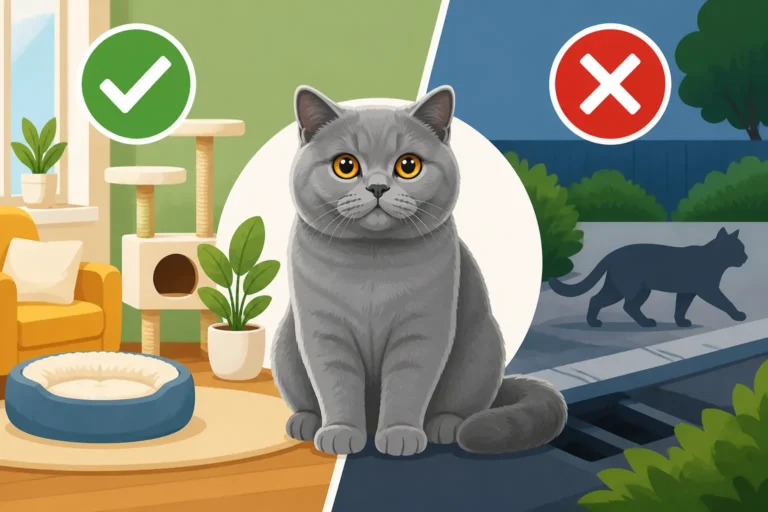
As mentioned, personal space is vital for a British Shorthair. Before the baby arrives, designate several "cat-only" zones. These should be places where the baby will never be allowed to go, providing your cat with sanctuary. This could be a spare room, a high shelf, or a cat tree strategically placed out of a baby's reach. Ensure these areas have everything your cat needs: food, water, a litter box, and comfortable sleeping spots. Consider a tall, sturdy cat tree – you can find excellent multi-level options on Amazon – that allows your British Shorthair to observe the household from a safe vantage point. Cats often feel more secure when they have a vertical escape route. Installing a baby gate in a doorway with a cat flap or a gap at the bottom that only your cat can squeeze through is an effective way to maintain separation while still allowing your British Shorthair freedom of movement throughout parts of the house. This strategy respects their need for retreat and helps prevent accidental confrontations.
Maintaining Routine and Positive Associations
Cats, and British Shorthairs especially, are creatures of habit. The arrival of a baby will inevitably disrupt your routine, so try to make some adjustments beforehand. If you know your cat's feeding schedule will change, or if you'll have less time for play, start easing into the new routine before the baby comes. For instance, if you usually play with your cat for an hour every evening, reduce it to 30 minutes, and fill the other 30 minutes with quiet petting or just being in the same room. This helps them adjust to the decreased direct attention. When the baby does arrive, try to maintain as many aspects of your cat’s routine as possible. Feed them at their usual times, keep their litter box meticulously clean, and still dedicate some one-on-one time, even if it's just a few minutes of petting or brushing. Always associate the baby's presence with positive experiences for your cat. When the baby is around, offer treats, praise, or a favorite toy. This helps your cat build a positive association with the baby, rather than seeing them as a source of stress or competition. Remember, a well-cared-for cat that feels secure is a calm cat.
Safe Interactions Between Your British Shorthair and Baby
Once the baby is home, the real work of integration begins. This phase requires constant vigilance and a proactive approach to managing interactions.
Constant Supervision is Non-Negotiable
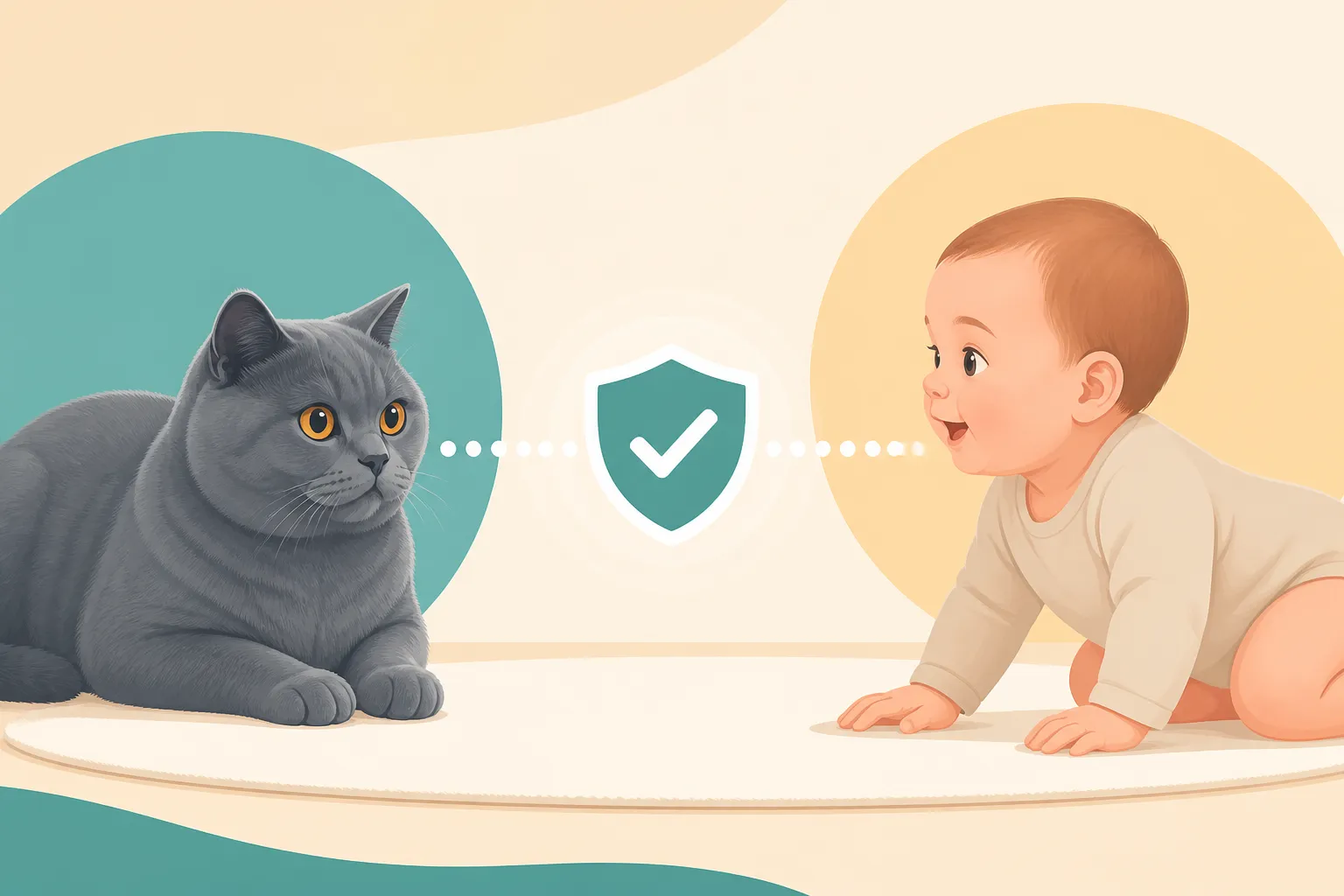
This cannot be stressed enough: never leave your British Shorthair and your baby unsupervised, not even for a second. Even the most gentle cat can react unpredictably if startled or inadvertently harmed by a baby's grab. A baby's movements are erratic, their cries are sudden, and their grabbing reflexes can be strong, all of which can be frightening to a cat. While your British Shorthair is unlikely to seek out confrontation, a defensive swat or bite could occur if they feel threatened and have no escape. This is not a judgment of your cat's character; it's a recognition of natural animal instincts and the vulnerability of a baby. When you need to leave the room, even just to grab something from another room, either take the baby with you or ensure your cat is safely secured in a separate space. You might consider using a sturdy playpen for the baby, creating a clear physical barrier that keeps your cat at a safe distance while still allowing them to be in the same room.
Teaching Safe Boundaries as the Baby Grows
As your baby grows into a toddler, they will become more mobile and naturally more curious about the family cat. This is where teaching boundaries for both baby and cat becomes critical.
Teach your child gentle touch from a very young age. Show them how to stroke your British Shorthair softly, using an open hand, rather than grabbing or pulling. Explain that the cat is a living creature, not a toy, and that cats sometimes need their space. If your cat shows any sign of discomfort – even a subtle ear twitch or tail flick – gently redirect your child's attention. Teach your child the cat's "no-go" zones, like their bed, their food bowl, and their litter box. Consistency is key here. Conversely, teach your cat that certain baby items, like the crib, are also no-go zones for them. While rare, a cat seeking warmth might inadvertently lie on a baby’s face, obstructing their breathing. Cat deterrents, like double-sided tape or motion-activated air sprayers (which can often be found on Amazon), can be temporarily used to keep cats out of cribs and bassinets during the critical infant stage.
Here's a quick reference table for managing interactions as your child develops:
| Baby Stage | Developmental Characteristics | Recommended Cat Interaction Strategies | Key Considerations |
|---|---|---|---|
| Newborn (0-3 months) | Immobile, cries, erratic movements, strong grasping reflex. | Supervise all interactions. Keep cat out of crib/bassinet. Allow cat to observe from a distance. | Risk of accidental smothering; cat feeling displaced. Ensure cat has escape routes and safe zones. |
| Infant (4-12 months) | Rolling, crawling, sitting up, exploring with hands and mouth, pulling. | Continue constant supervision. Teach "gentle hands." Prevent grabbing/pulling. Redirect child's focus. | Baby's increased mobility means more direct (and potentially unwelcome) contact. Watch for subtle cat stress signals. |
| Toddler (1-3 years) | Walking, talking, more intentional but still clumsy movements, testing boundaries. | Actively teach boundaries for both cat and child. Reward gentle interactions. Reinforce cat's safe zones. | Child can chase, grab, and may not understand "no." Cat may become defensive if cornered. Ensure cat can escape readily. |
| Preschool (3-5 years) | Better motor skills, understanding of rules, empathy developing. | Reinforce gentle play and respect for cat's space. Encourage supervised interaction (e.g., brushing). | Child can be an active participant in cat care. Continue to monitor for overstimulation of the cat. |
Recognizing Stress Signals in Your British Shorthair
It’s paramount to become an expert at reading your British Shorthair's body language, especially when the baby is present. Their signs of stress can be subtle:
- Flattened ears or ears swiveled backward: This indicates anxiety or irritation.
- Dilated pupils: Even in a well-lit room, this can be a sign of fear or overstimulation.
- Tail tucked low or twitching: A low, slow swish is different from playful swishing. A tucked tail signifies fear.
- Stiff body posture, hunched: The cat looks rigid, not relaxed.
- Excessive grooming: Licking themselves rapidly or pulling at fur can be a displacement behavior due to stress.
- Hiding or retreating: If your cat consistently seeks refuge under furniture or in another room, they're feeling overwhelmed.
- Changes in eating or litter box habits: Stress can manifest as loss of appetite, overeating, or inappropriate urination/defecation.
- Growling or low hissing: These are clear warnings that the cat is deeply uncomfortable and needs immediate space.
If you observe any of these signs, immediately separate your cat and the baby. Give your cat a quiet space to decompress. Never punish your cat for showing these signs; they are communicating their distress. Instead, adjust the environment to reduce stress. Maybe the cat needs more alone time, or perhaps their safe zones aren't as effective as you thought. Understanding How a British Shorthair hides pain can also be beneficial, as underlying discomfort might exacerbate their reaction to new stressors.
Practical Tips for a Harmonious Home
Beyond direct interactions, managing the overall home environment can significantly contribute to a peaceful coexistence.
Managing Resource Guarding (Food, Litter, Sleep)
The arrival of a baby can inadvertently trigger resource guarding in your British Shorthair, even if they've never shown it before. Suddenly, their "resources" (food, water, litter box, your attention, prime sleeping spots) are perceived as being at risk due to the new arrival. To mitigate this:
- Multiple Resources: Ensure you have enough litter boxes (the general rule is one per cat plus one extra, so for one cat, two boxes), and that they are spacious and easily accessible. Which litter box size a British Shorthair needs is important; they are large cats and appreciate ample room. Have multiple feeding stations if possible, even for a single cat, or ensure their food is in a quiet, undisturbed location.
- Elevated Food/Water: Consider placing food and water bowls on a counter or a cat tree where the baby cannot reach them. This prevents the baby from crawling into the bowls, and also reassures your cat that their sustenance is safe from the new "invader."
- Consistent Attention: Make a conscious effort to give your British Shorthair dedicated attention every day, even if it's just 10-15 minutes of petting, playing, or grooming. This helps reinforce their bond with you and reassures them they haven't been forgotten. Remember, How a British Shorthair shows it is pleased is often through quiet presence and purrs, so just being near them can be enough.
Enrichment and Attention for Your Cat
It's easy for the cat to feel neglected when a baby demands so much time and energy. However, a bored or under-stimulated British Shorthair can develop behavioral issues.
- Playtime: Even though British Shorthairs aren't the most active breed, they still need mental and physical stimulation. Engage them with wand toys, laser pointers, or puzzle feeders. Just a few short play sessions throughout the day can make a big difference. Think about how Getting a low energy British Shorthair to move can be crucial for their well-being, both physically and mentally.
- Vertical Space: British Shorthairs love to observe. Provide vertical spaces like cat trees, wall shelves, or window perches where they can watch the action from above, feeling safe and in control.
- Interactive Toys: Toys that your cat can play with independently, like ball tracks or electronic mice (many options available on Amazon), can keep them occupied when you're busy with the baby.
- Grooming: Use grooming as a bonding opportunity. Their dense, plush coats require regular combing to prevent mats and reduce shedding. How often a British Shorthair needs combing is a good routine to establish and maintain, providing quiet, positive interaction.
Hygiene and Health Considerations
Maintaining a clean and healthy environment is paramount for both your cat and your baby.
- Litter Box Hygiene: Scoop the litter box daily, ideally twice a day, to prevent odors and discourage inappropriate urination. Use a sturdy, non-toxic litter. Ensure litter boxes are not accessible to the baby, as curious toddlers might try to play in them.
- Shedding Management: British Shorthairs have dense coats and do shed, particularly during seasonal "blows." Regular combing will reduce the amount of cat hair around the house, which is good for general hygiene and reduces potential allergens for the baby. While not hypoallergenic, managing their shedding is important.
- Regular Vet Check-ups: Ensure your British Shorthair is up-to-date on all vaccinations and parasite prevention. A healthy cat is a happy cat, and any underlying health issues can make them more irritable or withdrawn, potentially affecting their tolerance of the baby. Routine check-ups can also help you understand What a British Shorthair's yearly bloodwork should cover and catch issues early.
- Nail Trims: Keep your British Shorthair's claws trimmed. While a scratch is rarely intentional, sharp claws can do more damage if a defensive swat occurs. How often a British Shorthair's claws need cutting is something to incorporate into your regular cat care routine.
By proactively managing your British Shorthair's environment, respecting their boundaries, and ensuring they feel loved and secure, you can create a safe and harmonious home where your cat and baby can thrive together. It takes effort, but the bond between a child and a pet is truly priceless.
Disclaimer
This article is for general informational purposes only and does not constitute professional advice. Laws, prices and regulations vary by location and change over time. Consult a qualified professional for guidance on your specific situation.