Whether a British Shorthair Prefers a Floor Bed
Many British Shorthair owners wonder if their beloved, chunky companions truly prefer sleeping on the floor or in low-lying beds, often feeling a bit puzzled when their expensive, plush cat tree goes untouched. It's a common frustration to invest in vertical territory only for your British Shorthair to choose the cool tile or a simple mat. This guide will dive deep into why your British Shorthair might indeed favor a floor bed and how to make sure they're comfortable and content, no matter their preference.
Understanding the British Shorthair's Natural Instincts and Comfort Zones
It's easy to forget that while our British Shorthairs are pampered housecats, they still carry echoes of their ancestry in their behaviors and preferences. Their lineage gives us some excellent clues as to why they might choose a floor bed over a towering cat condo.
Why Their Ancestry Matters for Sleeping Habits
The British Shorthair's ancestors weren't agile, tree-dwelling jungle cats. Instead, they were robust, hardy working cats, often found patrolling barns, stables, and urban streets. They were built for solidity and strength on the ground, not for scaling great heights. Think of them as the original "ground control" felines. This heritage means they often feel most secure and at ease when they are literally grounded. They thrive on stability and a strong sense of being safe from above, rather than seeking out high perches. Their "cobby" build, characterized by a broad chest, sturdy legs, and a powerful frame, reinforces this preference. They are not designed for the same kind of acrobatic climbing as, say, an Abyssinian or a Siamese. For a British Shorthair, a solid, low spot feels natural and provides a sense of security, much like their ancestors would have found shelter in a cozy, tucked-away spot on the farm floor. It’s less about a love for the floor itself and more about the innate desire for a safe, unexposed resting place.
The Importance of a Sense of Security
Security is paramount for any cat, but for the British Shorthair, it often translates into seeking out enclosed or semi-enclosed spaces that offer protection. A floor bed, especially one with raised sides or a cave-like design, can mimic this perfectly. Imagine a donut bed with high bolsters – it creates a little fortress. Your British Shorthair can curl up inside, feeling supported and protected on all sides, a sensation that harks back to their wilder roots where being hidden meant being safe from predators.
Compare this to an open, elevated perch on a cat tree. While some adventurous BSH might use them for a quick nap or to survey their domain, for deep, uninterrupted sleep, many find them too exposed. A heavier cat like a British Shorthair might also feel a slight instability on higher platforms, which can detract from their feeling of complete security. They want to know they can settle in without any fear of falling or being ambushed, and often, the lowest, most solid ground offers just that. They love to feel anchored and substantial, mirroring their physical presence.
The Physical Realities of a British Shorthair and Bed Preferences
Beyond instinct, the unique physical characteristics of a British Shorthair play a significant role in their sleeping habits and why a floor bed might be their ultimate comfort zone. Their body shape and general activity levels really dictate what feels good to them.
Their Stocky Build and Jumping Habits
Let's be honest, British Shorthairs are built like miniature tanks. They are solid, muscular, and carry a good amount of weight. This is part of their charm, but it also means they aren't naturally inclined to be champion jumpers. While they can jump onto a sofa or a lower shelf, repeated high jumps can be taxing on their joints, especially as they get older or if they're carrying a bit of extra weight. We often discuss What Obesity Does to a British Shorthair's Joints, and it's a real concern that makes jumping even less appealing.
Think about the impact of landing: a heavier cat experiences more stress on their ankles, knees, and hips. Over time, this cumulative stress can lead to discomfort or even exacerbate existing joint issues like arthritis, which can appear in an older British Shorthair. So, why put in the effort and risk the impact when a perfectly comfortable spot is just a step away? A floor bed eliminates the need for any strenuous leaping, making it a much more attractive option for a cat who values ease and comfort above all else. Why a Heavy British Shorthair Should Not Jump Down is a crucial consideration for their long-term health.
Ease of Access and Mobility
This point ties directly into their build. A floor bed is the epitome of convenience. There's no climbing, no balancing act; it's simply there, waiting. This effortless access is incredibly appealing to a British Shorthair, a breed known for its calm and often quite still demeanor. They aren't usually zipping around the house like a Bengal; instead, they prefer to move with purpose and conserve energy. Why a British Shorthair Is So Still is a trait that means they'll naturally gravitate towards the path of least resistance for resting.
For senior British Shorthairs, or those dealing with conditions like arthritis, ease of access becomes even more critical. Getting into and out of a low bed is simple and pain-free, allowing them to rest deeply without worrying about stiff joints. Even a younger, healthy British Shorthair will appreciate the sheer simplicity of a floor bed. It removes any potential barrier to comfort, making it a truly inviting spot for a cat who values an unhurried lifestyle. What Changes in a British Shorthair After Ten often includes reduced mobility, making floor beds an even better choice.
Temperature Regulation and Comfort
British Shorthairs are blessed with an incredibly dense, plush coat that often stands away from their body, giving them that distinct teddy bear look. How Dense a British Shorthair's Coat Is can be a double-edged sword: fantastic for keeping them warm, but sometimes a bit much when the house gets a little too toasty. Their thick fur can make them prone to overheating, especially in warmer climates or during summer months.
The floor, particularly tiled or hardwood areas, is often the coolest spot in the house. By choosing a floor bed, your British Shorthair might be instinctively seeking out a cooler microclimate. Placing a comfortable, breathable floor bed in a spot where air circulates well, or on a cool surface, can provide significant relief. While a plush bed on a raised platform might seem luxurious, if it traps heat, your British Shorthair will quickly abandon it for a cooler option, even if it's just the bare floor. They are masters of finding the ideal temperature for their naps.
Exploring the Appeal of Different Bed Types for Your British Shorthair
So, while floor beds might be a top choice, it's worth understanding the spectrum of bed options and how they appeal to our British Shorthair companions. Not all floor beds are created equal, and some elevated options can still have their place.
The Allure of the Simple Floor Bed
The beauty of a floor bed lies in its simplicity and direct fulfillment of a British Shorthair's core needs: security, ease, and comfort. These aren't just flat mats, either. The variety available is astounding, offering different levels of support and enclosure.
- Donut and Bolster Beds: These are often a huge hit. The raised edges provide that crucial sense of security and enclosure, allowing your British Shorthair to nestle in and feel completely protected. The plush interior is inviting, and the circular shape perfectly accommodates their tendency to curl up. You'll find everything from luxurious faux fur donut beds to simpler, machine-washable options on platforms like Amazon, offering a wealth of choices to suit any cat and owner's preference.
- Orthopedic Mats and Cushions: For British Shorthairs who might have joint sensitivity, even if they aren't visibly in pain (remember, How a British Shorthair Hides Pain incredibly well!), an orthopedic memory foam mat can be a godsend. These offer excellent support for their substantial bodies, distributing weight evenly and reducing pressure points. They are often less about enclosure and more about pure cushioning comfort.
- Simple Flat Mats: Sometimes, the simplest things are the best. A soft, washable blanket or a flat mat placed in a favored corner is often all a British Shorthair needs. It provides a soft barrier from the cool floor while still allowing them to stretch out if they wish.
The key across all these floor bed types is accessibility and the inherent stability they offer. They don't require any athletic feats to use, making them ideal for the laid-back British Shorthair.
Why Some Elevated Beds Still Work and How to Choose
It's not to say that all elevated options are out of the question for a British Shorthair. Many do enjoy an occasional high vantage point for observing household goings-on or sunbathing. However, these are often for short periods of lounging, not for deep, extended sleep. If you're going to introduce an elevated bed or a cat tree, keep these considerations in mind:
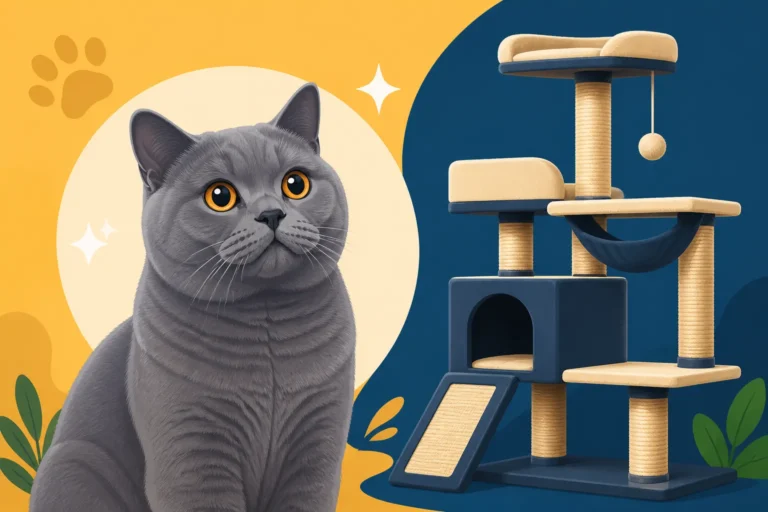
- Sturdy and Low-Profile Cat Trees: If you want a cat tree, choose one that's designed for larger, heavier cats. Look for wide, deep platforms that offer ample space for a British Shorthair to stretch out without feeling precarious. Stability is paramount; a wobbly tree will quickly be ignored. Consider a tree with multiple levels that are easily accessible, perhaps with ramps or gentle steps, rather than requiring large jumps. Which Cat Tree a British Shorthair Uses effectively will be one that supports their weight and offers easy climbing.
- Window Perches: A sturdy window perch can be a fantastic way to satisfy their natural curiosity and desire for warmth (from the sun) without requiring significant climbing. Again, ensure it's robust enough to support their weight and securely attached. Many British Shorthairs love a good sun puddle, and a window perch lets them enjoy it comfortably. How Much a British Shorthair Uses a Window Perch often depends on its stability and comfort.
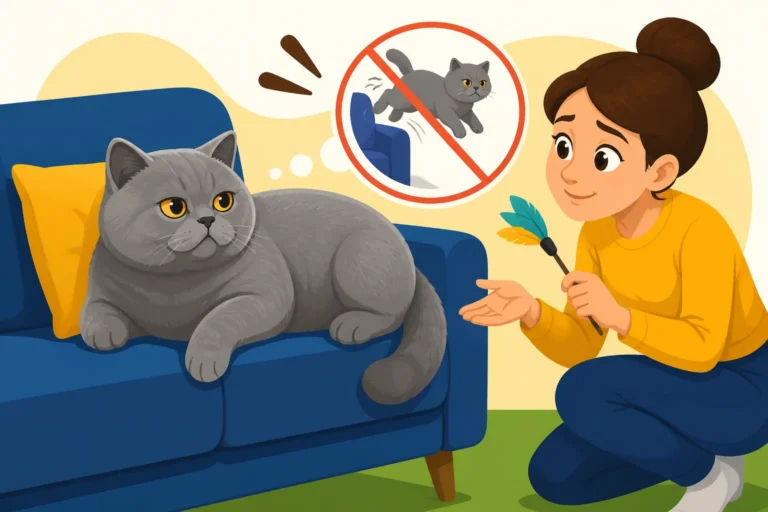
- Pet Stairs or Ramps: If you have a favorite sofa or armchair that your British Shorthair loves to nap on, but jumping up or down seems a bit much for them, consider adding pet stairs or a ramp. This makes their cherished, slightly elevated spots accessible without strain.
The goal is to provide options that align with their physical capabilities and desire for security. Avoid flimsy, tall, or narrow structures that might make them feel unsteady or require too much effort.
Offering Choices and Observing Preferences
Ultimately, every British Shorthair is an individual. What one adores, another might simply tolerate or ignore. The best strategy is to offer a variety of sleeping arrangements and let your cat decide. You might find your British Shorthair cycles through different spots depending on the time of day, the temperature, or even their mood.
- Variety is Key: Place a plush donut bed on the floor in a quiet corner, an orthopedic mat near a sunny window, and maybe a sturdy, low-level cat tree in a common area. See which ones get the most use.
- Observe Subtle Cues: Does your cat consistently choose the floor despite other options? Do they only use the cat tree for a few minutes before relocating? Are they stretching out on a cool tile floor when it's warm? These are all indicators of their preferences. They might rub their cheeks on a particular blanket, or knead a certain texture, showing their approval.
- Preferences Can Change: A young British Shorthair might be more adventurous with heights, but as they age and become The Age a British Shorthair Is Considered Senior, their needs shift. Joint stiffness or reduced energy might make them exclusively prefer floor beds. Similarly, in winter, they might seek out warmer, more enclosed floor beds, while in summer, they might prefer cooler, flatter mats. Pay attention to these shifts and adjust offerings accordingly.
Practical Tips for Encouraging Bed Use and Maximizing Comfort
Once you understand why your British Shorthair might lean towards a floor bed, it's time to put that knowledge into action. Creating an irresistible sleeping environment isn't hard, but it does require a little thought.
Strategic Placement of Beds
Location, location, location! Where you place your British Shorthair's bed can make all the difference between a beloved snooze spot and an ignored piece of pet furniture.
- Quiet Corners and Low-Traffic Areas: British Shorthairs cherish their peace and quiet. Placing a floor bed in a secluded corner of a room where they won't be constantly disturbed by foot traffic or loud noises will make it much more appealing. They appreciate a sense of retreat.
- Near Radiators or Sunny Spots (Seasonal): In colder months, placing a floor bed near a gentle heat source, like a radiator (but not directly touching it, of course!), or in a sunny spot where a sunbeam falls, can make it incredibly inviting. British Shorthairs, despite their thick coats, appreciate warmth when they're resting.
- Avoid Drafty Areas: Just as they seek warmth, they shun cold drafts. Keep beds away from leaky windows or frequently opened doors, which can create uncomfortable airflow.
- Social Yet Safe: While they love quiet, British Shorthairs also enjoy being near their humans. Try placing a floor bed in the living room or an office where you spend a lot of time, but in a spot that still offers a degree of privacy, perhaps under a desk or beside a sofa. They can be close to you without being on you, a classic British Shorthair trait.
Making the Bed Irresistible
Sometimes, a little persuasion can go a long way in making a new bed feel like home.
- Familiar Scents: Place a worn t-shirt that smells like you, or a favorite blanket from their old sleeping spot, inside the new bed. Familiar scents provide comfort and reassurance.
- Treats and Catnip: A sprinkle of catnip or a few of their favorite treats strategically placed in the bed can encourage exploration and positive association. Don't overdo it, but a little enticement can work wonders.
- Warmth and Softness: Ensure the bed itself is soft and comfortable. Many British Shorthairs adore plush, velvety textures. Consider adding a small, soft blanket, especially one that retains heat, inside the bed. Whether a British Shorthair Needs a Bigger Bed is also important; they should be able to stretch out or curl up comfortably without feeling squeezed.
- Cleanliness: Regularly wash the bed according to its care instructions. Cats are fastidiously clean creatures, and a fresh-smelling bed is always more inviting. For beds found on Amazon, for instance, many are designed with removable covers for easy washing.
By paying attention to both the physical needs and natural inclinations of your British Shorthair, you can create a truly comforting and preferred sleeping environment. Whether it's a plush donut on the floor or a sturdy, low-level perch, the goal is always their ultimate contentment.
| Bed Type | Pros for British Shorthair | Cons for British Shorthair | Ideal Placement |
|---|---|---|---|
| Donut/Bolster Floor Bed | High sense of security, easy access, supportive for curling. | Can be warm in summer if too plush, takes up floor space. | Quiet corner, near owner, away from drafts. |
| Orthopedic Mat/Cushion | Excellent joint support, easy access, good for stretching. | Less feeling of enclosure, can be flat for some preferences. | Under a window, on a cool surface, in a sunny spot. |
| Low-Level Cat Tree (Sturdy) | Provides slight elevation for observation, multiple platforms. | Still requires some climbing, must be very stable. | Common areas, near windows for bird watching. |
| Window Perch | Great for sunbathing and watching outdoors, easy access. | Not ideal for deep sleep, only one viewpoint. | Securely attached to a favored window. |
| Simple Blanket/Mat | Versatile, movable, easily washed, allows stretching. | Minimal enclosure, can shift around. | Any preferred spot, on furniture or floor. |
Disclaimer
This article is for general informational purposes only and does not constitute professional advice. Laws, prices and regulations vary by location and change over time. Consult a qualified professional for guidance on your specific situation.