Signs a British Shorthair Is Lonely
It's a common misconception that our beautiful British Shorthairs are perfectly content being left alone for long stretches, simply because they're known for their calm and independent nature. While they certainly aren't clingy lap cats, they do form deep bonds with their humans, and prolonged solitude can take a real toll on their emotional well-being. This guide will help you decipher the subtle—and sometimes not-so-subtle—signs that your beloved British Shorthair might be feeling the pangs of loneliness, so you can help them feel more secure and loved.
Behavioral Shifts Indicating Loneliness
When a British Shorthair is feeling lonely, their usually placid demeanor might start to fray around the edges. These behavioral changes aren't always dramatic, but they are often noticeable departures from their typical routine and personality. It's about looking for patterns and understanding what's different for your individual cat.
Sudden Clinginess or Avoidance
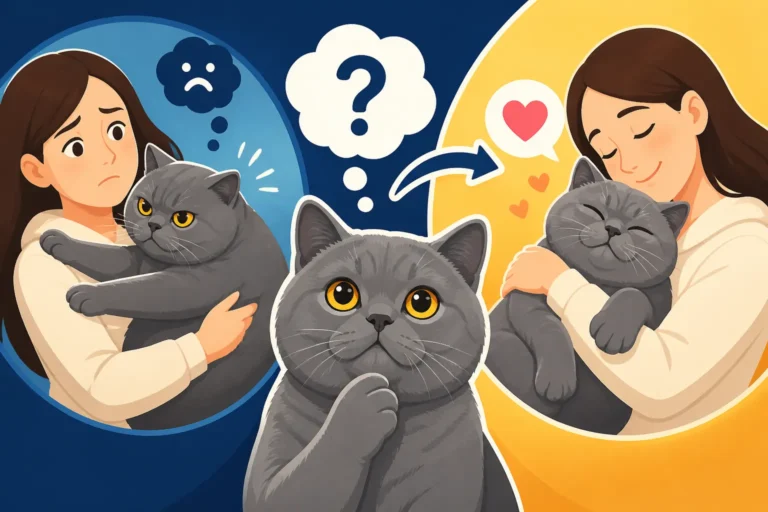
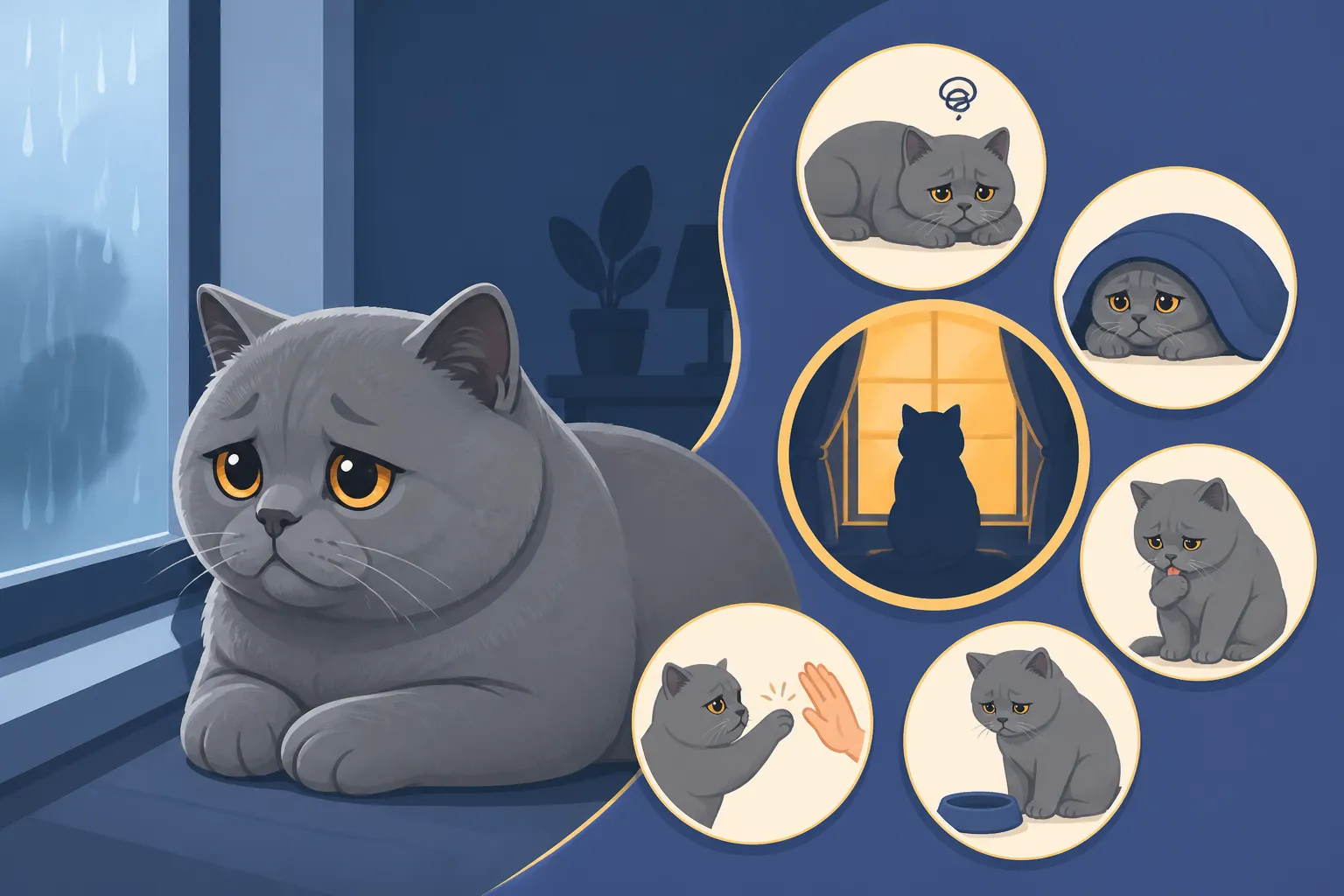
One of the most perplexing signs of loneliness can be a sudden shift in how your British Shorthair interacts with you. Where they once might have preferred to sit a respectful distance away, observing your activities, you might now find them unusually clingy. This isn't the typical "lap cat" behavior some breeds exhibit; for a British Shorthair, it might mean constantly following you from room to room, sitting right at your feet, or gently bumping their head against your legs more often than usual. They're seeking reassurance and connection, trying to fill the void left by your absence. It's their way of saying, "Please don't leave me again."
Conversely, some British Shorthairs might react to loneliness by withdrawing completely. Instead of seeking you out, they might start hiding more, spending excessive time tucked away under beds or in closets, even when you are home. This avoidance can stem from a feeling of insecurity or an inability to cope with the emotional stress of loneliness. They might seem less interested in your presence, avoiding eye contact or even moving away when you approach. This isn't aloofness; it's a sign they're struggling and perhaps feeling overwhelmed. They're shutting down because they don't know how to express their distress.
Observing these shifts requires careful attention to your cat's baseline behavior. If your naturally independent British Shorthair suddenly becomes your shadow, or if your moderately social cat starts disappearing, it’s a red flag. Consider when these behaviors started—did they coincide with a change in your work schedule, a new baby, or another disruption to their routine? Often, a change in environment or routine is the trigger that amplifies their feelings of being alone. For more insights into their typical social patterns, you might find A British Shorthair Sits Near You, Not On You particularly enlightening.
Changes in Play and Activity Levels
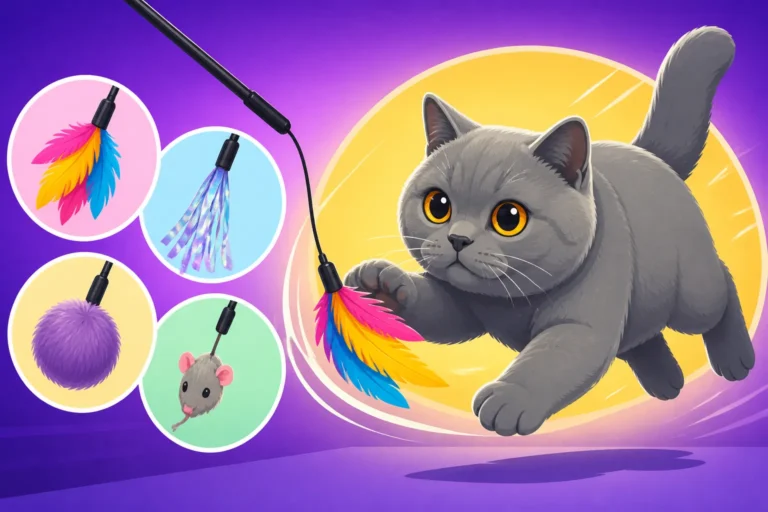
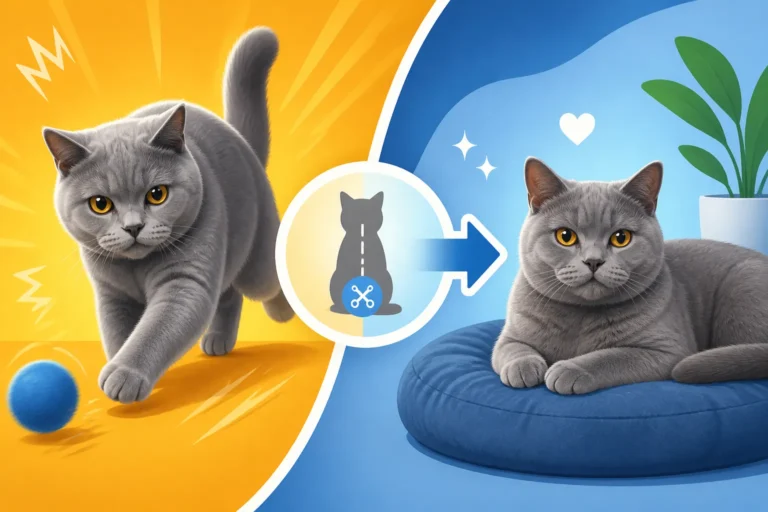
British Shorthairs are not known for being high-energy, but they do have their playful moments, especially when they're younger. They enjoy short bursts of play, often involving chasing a favorite toy or batting at a wand. When a British Shorthair is lonely, you might notice a distinct drop in their willingness to engage in these activities. That feather wand that used to elicit a slow, deliberate pounce might now be completely ignored, or they might watch it with a dull, uninterested gaze. They might spend more time sleeping than is typical, beyond their usual 16-18 hours, or simply staring blankly into space.
This reduction in play isn't just about boredom; it's a symptom of their emotional state. A lonely cat often lacks the mental and emotional stimulation to feel like playing. They might feel lethargic, or simply not find joy in activities they once loved. It’s a sad sight when a cat, especially one known for its quiet dignity, seems to lose its spark. They may seem to have given up on trying to engage with their environment because the primary source of their comfort and interaction (you!) is absent or perceived as absent too often.
It’s crucial to remember that a British Shorthair's normal activity level is already on the lower side. You might think, "Oh, they're just being a British Shorthair," but a further decrease is significant. If you’ve been leaving them for longer periods, or if there’s less interactive playtime when you are home, this disinterest in play could be a direct result. Toys that once thrilled them might gather dust. Investing in interactive toys, perhaps from Amazon, that can provide mental stimulation even when you're not actively playing can help, but they are rarely a full substitute for human connection. For more on their typical energy, check out How Active a British Shorthair Is.
Physical and Vocal Indications of Distress
Loneliness isn't just an internal feeling; it can manifest in very real, observable ways that impact your British Shorthair's physical health and communication. These signs are often easier to spot than subtle behavioral changes, but they can also be confused with other health issues, making a vet visit important for ruling out medical causes.
Excessive Grooming or Lack Thereof
A British Shorthair's coat is one of their most defining features – dense, plush, and usually impeccably maintained. When they're feeling stressed or lonely, this meticulous grooming routine can go one of two ways. Some cats will start over-grooming, licking and pulling at their fur excessively, sometimes to the point of creating bald patches or skin irritation. This is a self-soothing behavior, a way for them to cope with anxiety and stress. You might notice them focusing on specific areas, like their belly, inner thighs, or paws, almost ritualistically. The constant licking releases endorphins, offering a temporary sense of calm in their lonely world.
On the other hand, a lonely or depressed British Shorthair might completely neglect their grooming. Their once pristine coat might become dull, greasy, matted, or full of dander. They may stop cleaning themselves after using the litter box, leading to hygiene issues. This lack of grooming indicates a general disinterest in their well-being, a sign of depression or overwhelming stress that leaves them without the energy or motivation to maintain themselves. If you see their coat starting to look a bit "unkempt," it's worth investigating, especially if it's coupled with other changes. It's a clear signal that something is amiss beyond just the state of their fur.
It’s important to distinguish between normal grooming and problematic extremes. A cat might groom more when stressed, but it should not lead to skin lesions or bald spots. Similarly, a temporary lapse in grooming due to a slight upset is different from a sustained, noticeable decline in coat quality. If you observe either of these extremes, a vet check is a good idea to rule out underlying medical conditions before attributing it solely to loneliness. Their thick coat already requires some attention, so any significant change here is meaningful. For tips on regular coat care, you can read A British Shorthair's Coat Stands Away From Its Body.
Changes in Appetite and Litter Box Habits
Food is a big motivator for many cats, and British Shorthairs are no exception, often having a healthy appetite. However, loneliness and stress can throw their eating habits completely out of whack. Some lonely British Shorthairs might suddenly eat significantly less, turning their nose up at their favorite meals or picking at their food half-heartedly. This mirrors human responses to stress, where anxiety can suppress appetite. Their body language might suggest a lack of enthusiasm even for high-value treats.
Conversely, some cats will overeat when lonely or stressed, using food as a comfort mechanism, much like some humans do. You might find them constantly begging for food, trying to get into food containers, or displaying an insatiable hunger even after a meal. This can lead to rapid weight gain, which is a serious concern for British Shorthairs given their predisposition to obesity. Either extreme—sudden loss of appetite or ravenous overeating—is a significant indicator that their emotional state is disturbed.
In conjunction with appetite changes, loneliness can also manifest in altered litter box habits. While inappropriate urination or defecation can have many causes, including urinary problems or Bladder Stones in a British Shorthair, it can also be a clear sign of stress or protest. A lonely cat might start eliminating outside the box, perhaps in a place that smells strongly of their human, like your bed or laundry pile. They might be trying to mix their scent with yours, or it could be a desperate plea for attention, knowing it will get a reaction from you. Any sudden change in litter box use, especially if it involves accidents, warrants immediate attention and a vet visit to rule out medical issues first.
| Symptom Category | Normal British Shorthair Behavior | Signs of Loneliness |
|---|---|---|
| Interaction | Calm, independent, nearby but not always on lap, affectionate on their terms. | Excessive clinginess (following constantly, sitting on feet) OR marked withdrawal (hiding, avoiding contact). |
| Play | Short, deliberate play sessions with favorite toys, sometimes ignored if uninterested. | Significant decrease in play interest, lethargy, ignoring once-loved toys. |
| Grooming | Meticulous, plush coat, self-cleaning. | Over-grooming (bald spots, skin irritation) OR under-grooming (dull, matted, greasy coat). |
| Appetite | Healthy, enjoys meals, may beg for treats. | Significant decrease in food intake OR excessive overeating/begging. |
| Litter Box | Consistent use of clean, appropriate litter box. | Urinating/defecating outside the box, especially in "human" areas. |
| Vocalization | Quiet, soft trills/chirps, only meows for specific needs. | Increased or unusual vocalizations (excessive meowing, howling) OR profound silence. |
Increased or Unusual Vocalizations
British Shorthairs are generally known for being quiet cats. They aren't typically loud, demanding vocalists like some other breeds. Their "meows" are often soft trills, chirps, or gentle murmurs, used sparingly to communicate their needs or express contentment. This quiet nature makes any significant change in their vocalizations a particularly striking sign of distress. If your usually silent British Shorthair suddenly starts meowing excessively, especially when you leave or return home, or at unusual times of the day or night, it’s a strong indicator of loneliness.
This increased vocalization isn't just random noise; it's often a form of protest or an attempt to call for your attention. They might pace while meowing, or direct their plaintive cries towards you as you prepare to leave for work. Sometimes, the meows might even turn into more mournful howls or wails, especially if they are feeling truly abandoned or anxious. This is their way of expressing their emotional pain and confusion, trying to communicate that they are not okay with being left alone. You might notice this more acutely after you've been away for a How Many Hours a British Shorthair Can Be Left period.
Conversely, a truly depressed and lonely British Shorthair might become even more silent than usual, almost to the point of being unresponsive. They might cease their usual quiet greetings or their occasional trills, falling into a profound quietness that feels empty. This extreme silence, especially if it replaces their normal, albeit subtle, vocal patterns, can be just as concerning as excessive meowing. It signals a deep sense of despair or resignation. Understanding How Vocal a British Shorthair Is normally is key to recognizing these worrying shifts.
Destructive Behaviors and Self-Soothing
When a British Shorthair's loneliness becomes overwhelming, they may resort to behaviors that seem destructive or out of character. These actions are rarely malicious; they are typically manifestations of anxiety, boredom, or a desperate attempt to cope with their emotional state or elicit a response from you.
Inappropriate Scratching or Chewing
We all expect our cats to scratch, it's a natural behavior for them to maintain their claws and mark their territory. We provide scratching posts and cat trees, sometimes even those specifically designed to handle a What a Cat Tree for a Heavy British Shorthair Costs. However, if your British Shorthair suddenly starts scratching furniture, carpets, or walls far more frequently or in places they never did before, it could be a sign of loneliness and anxiety. This isn't about needing to sharpen claws; it's a stress-induced behavior. They might be trying to release pent-up energy, mark their territory more aggressively due to insecurity, or simply attempting to get your attention by doing something they know will provoke a reaction.
Similarly, chewing on inappropriate items can indicate stress or boredom. You might find them gnawing on electrical cords, house plants (which can be toxic!), plastic bags, or even clothing items left on the floor. These behaviors can be quite dangerous, and they're usually a desperate attempt to self-soothe or provide some form of stimulation in an otherwise empty environment. A cat that feels neglected or under-stimulated will often find ways to entertain themselves, even if those ways are destructive. It's a cry for mental engagement and reassurance that they aren't forgotten.
Before you get frustrated, remember that these are often cries for help. Providing more appropriate outlets for their natural urges can sometimes mitigate the issue, but addressing the root cause of loneliness is paramount. Ensure they have multiple, varied scratching surfaces and safe chew toys. You might even consider puzzle feeders from Amazon to keep their minds occupied during your absence. For context on their natural urges, Why a British Shorthair Scratches Furniture can offer further reading.
Increased Anxiety and Restlessness
Loneliness isn't just about feeling sad; it often comes hand-in-hand with anxiety. A lonely British Shorthair might exhibit signs of general restlessness, even when you are home. They might pace back and forth, unable to settle down in one spot. They could seem constantly on edge, startled by minor noises, or frequently checking windows for your return. This underlying anxiety can manifest as jumpiness or exaggerated reactions to everyday stimuli. They are essentially waiting, constantly, for something to change, for their human to reappear and bring comfort and security back into their world.
You might also notice subtle signs of obsessive-compulsive behaviors that stem from their anxiety. This could include repetitive licking of a certain spot, excessive kneading, or unusual fixation on a particular object. These are coping mechanisms, an attempt to bring some predictability and control back into their environment when they feel they have none. It’s a sad state when a cat feels so unsettled that they develop these habits.
This heightened state of anxiety is particularly taxing on a British Shorthair, a breed that thrives on routine and a peaceful environment. Any disruption, especially the absence of their primary caregiver, can lead to these feelings of unease. It underscores that while they are independent, they are not impervious to the need for companionship and stability. If you're wondering how much quiet time they can truly endure, How a British Shorthair Copes With a Full Working Day explores this in more detail.
Addressing Loneliness in Your British Shorthair
Once you've identified the signs, the next step is to address your British Shorthair's loneliness. This isn't about spoiling them, but about providing the mental, emotional, and physical enrichment they need to thrive. Every cat is an individual, so what works for one might not be the perfect solution for another.
Increasing Quality Time and Interaction
The most direct way to combat loneliness is to increase the amount and quality of time you spend with your British Shorthair. This doesn't necessarily mean hours of intense play, which might overwhelm an already quiet breed. Instead, focus on consistent, predictable interactions. Dedicate short, focused play sessions of 10-15 minutes, perhaps twice a day, using toys they actually enjoy. Don't be surprised if they're not chasing a laser pointer for ages; some British Shorthairs prefer a more Which Toys a British Shorthair Will Actually Chase style of play, like batting at a crinkle ball or stalking a feather wand from a relaxed position.
Beyond play, simply being present and engaging with them can make a huge difference. Sit near them while you read or watch TV, offering gentle strokes and quiet praise. Engage in "passive companionship" – just existing in the same room, talking to them softly as you go about your tasks. For a British Shorthair, who might prefer to sit near you rather than on you, this kind of calm presence is deeply comforting. They just want to know you're there, that they're not alone in the house.
Consider enriching their environment with things like window perches where they can watch the outside world, or puzzle feeders that make them work for their meals, engaging their minds when you're busy. Even short, consistent routines, like a specific cuddle time each evening, can provide a sense of security and reduce anxiety. Remember, your presence is their greatest comfort, and even if they don't demand constant attention, they thrive on knowing you are reliably there for them.
Considering a Companion
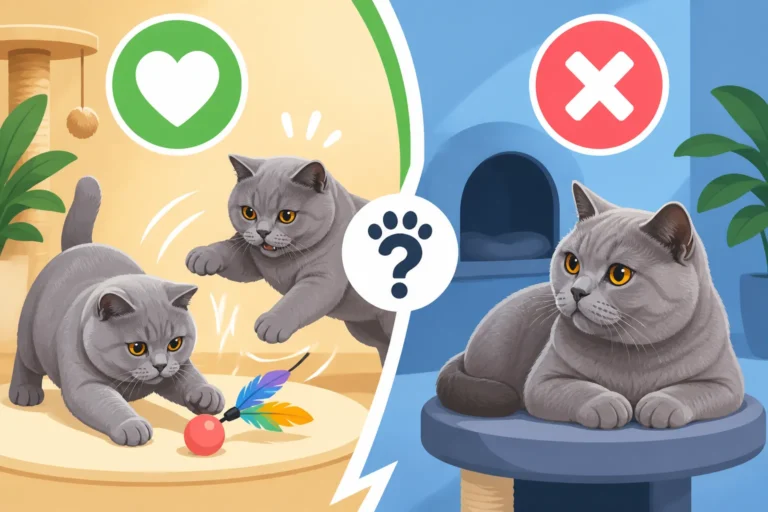
For some British Shorthairs, especially those who are alone for long periods during the day, a companion might be the ideal solution. This isn't a decision to take lightly, as introducing a new pet requires careful planning and patience. British Shorthairs are generally good with other cats, but a slow, gradual introduction is essential to ensure a smooth transition. Look for a companion with a similar temperament—another calm, perhaps slightly older cat might be a better fit than a rambunctious kitten, although some British Shorthairs thrive with the playful energy of a younger friend.
The goal isn't just to have another body in the house, but to provide genuine companionship and stimulation. A compatible companion can engage in play, mutual grooming, and simply share space, helping to alleviate the profound sense of solitude. While they may not become inseparable buddies, even a respectful co-existence can significantly improve a lonely cat's quality of life. Before taking this step, it's worth reading When a British Shorthair Needs a Companion for more detailed considerations on introducing a new feline friend.
If a feline companion isn't feasible, consider other options, such as a cat sitter for midday visits if you're away for exceptionally long hours. Even a friendly neighbor popping in to offer some play and attention can break up the monotony of a long day. The key is to find reliable ways to ensure your British Shorthair isn't left in prolonged isolation, regardless of whether that solution involves another pet or human interaction.
Disclaimer
This article is for general informational purposes only and does not constitute professional advice. Laws, prices and regulations vary by location and change over time. Consult a qualified professional for guidance on your specific situation.