How to Leash Train a British Shorthair
Many British Shorthair owners adore their calm, placid cats but sometimes feel a pang of guilt that their beloved indoor feline doesn't experience the great outdoors. The idea of leash training your British Shorthair can feel daunting, imagining a stubborn tug-of-war or a cat simply flopping over in protest. This guide aims to demystify the process, showing you how to introduce your British Shorthair to supervised outdoor adventures safely and happily, turning potential frustration into fulfilling excursions.
Understanding Your British Shorthair's Unique Temperament for Leash Training
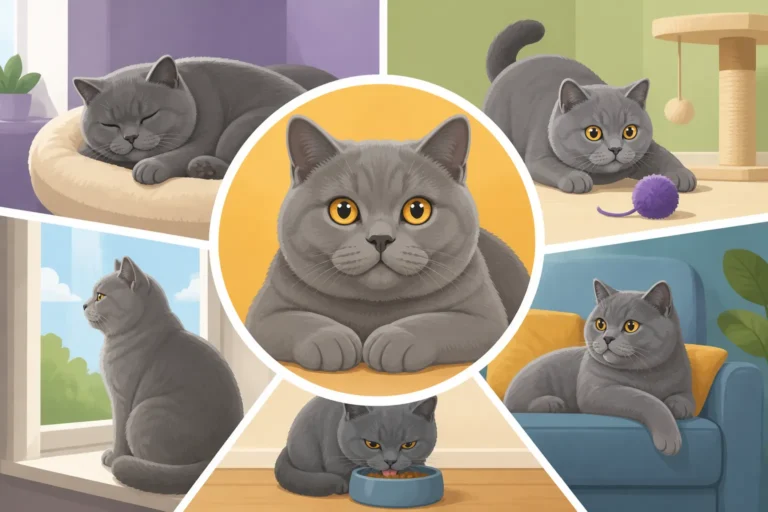
Before we even think about harnesses and leashes, it's crucial to understand the British Shorthair's personality. These aren't your typical high-strung, perpetually-on-the-go felines. They are renowned for their calm, placid, and generally unhurried nature, which can be both a blessing and a challenge when it comes to leash training. You might be wondering, Why a British Shorthair Is So Still? This inherent calm means they're less likely to bolt in a panic, but also potentially less inclined to engage with the idea of a walk.
Their laid-back demeanor means patience is your absolute best friend. Unlike some breeds that might take to a leash with enthusiasm, a British Shorthair might view the entire endeavor with profound disinterest or even mild annoyance. They are creatures of habit and comfort, and introducing something new like a harness can feel like a major disruption to their peaceful existence. Expect gradual progress, not overnight success.
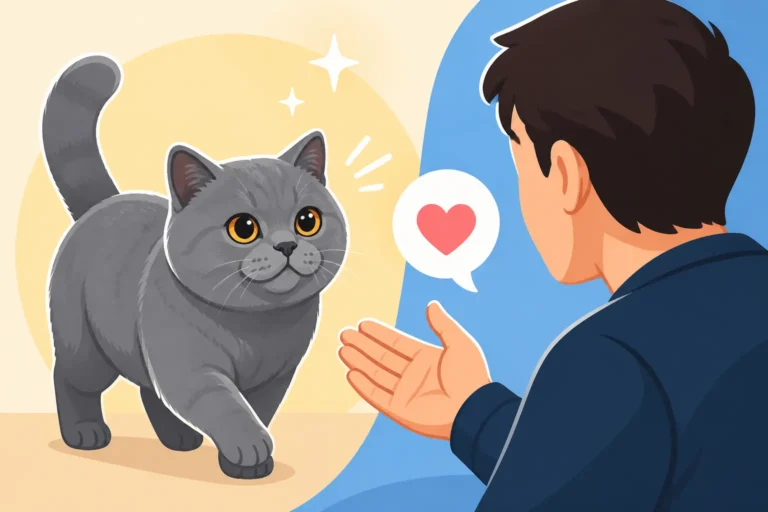
It's also worth noting that British Shorthairs can be quite independent. While they enjoy being near their humans, they aren't always keen on being picked up or directed. This means that a gentle, positive reinforcement approach is far more effective than trying to force the issue. If your British Shorthair is accustomed to dictating the terms of interaction, learning to cooperate on a leash will be a new experience for both of you.
Why Your British Shorthair Might Enjoy Leash Walks
Despite their calm disposition, there are several compelling reasons why your British Shorthair might genuinely benefit from and even enjoy leash walks. First, it offers mental enrichment that an indoor environment, however stimulating, sometimes can't replicate. The sights, sounds, and smells of the outdoors are a sensory feast. Even a short stroll around the garden can provide a wealth of new experiences. This is especially important if you're trying to figure out How Much Play a British Shorthair Needs to keep them active and engaged.
Secondly, for a breed prone to weight gain like the British Shorthair, a little extra activity never hurts. While they're not known for being exercise enthusiasts, a supervised walk encourages movement beyond their usual sleepy laps around the house. This can contribute to their overall health and help manage their weight, complementing their diet and indoor play. Every bit of gentle exercise can make a difference in preventing issues like obesity.
Finally, it's about strengthening your bond. Shared experiences, even something as simple as exploring the backyard together, can deepen the connection between you and your cat. It allows them to trust you in new environments and rely on you for safety and guidance. It's a unique way to interact that goes beyond petting sessions on the sofa.
Assembling Your Essential Leash Training Toolkit
Before you even think about putting anything on your British Shorthair, you need to gather the right equipment. Rushing this stage can lead to frustration for both of you, and it’s much harder to backtrack once your cat associates an unpleasant experience with the gear. Investing in high-quality, comfortable items specifically designed for cats is paramount. Trying to use a dog harness, for example, is almost always a recipe for disaster.
Remember that cats are masters of escape, particularly when stressed or uncomfortable. A poorly fitting harness is an open invitation for them to slip out and disappear. Given the British Shorthair's somewhat dense, plush coat and sturdy build, you'll need something that accommodates their unique physique while still being secure.
Think of this phase as laying the groundwork for success. Having everything ready means you can introduce items calmly and consistently, without scrambling for misplaced bits when your cat is finally feeling cooperative.
Choosing the Right Cat Harness
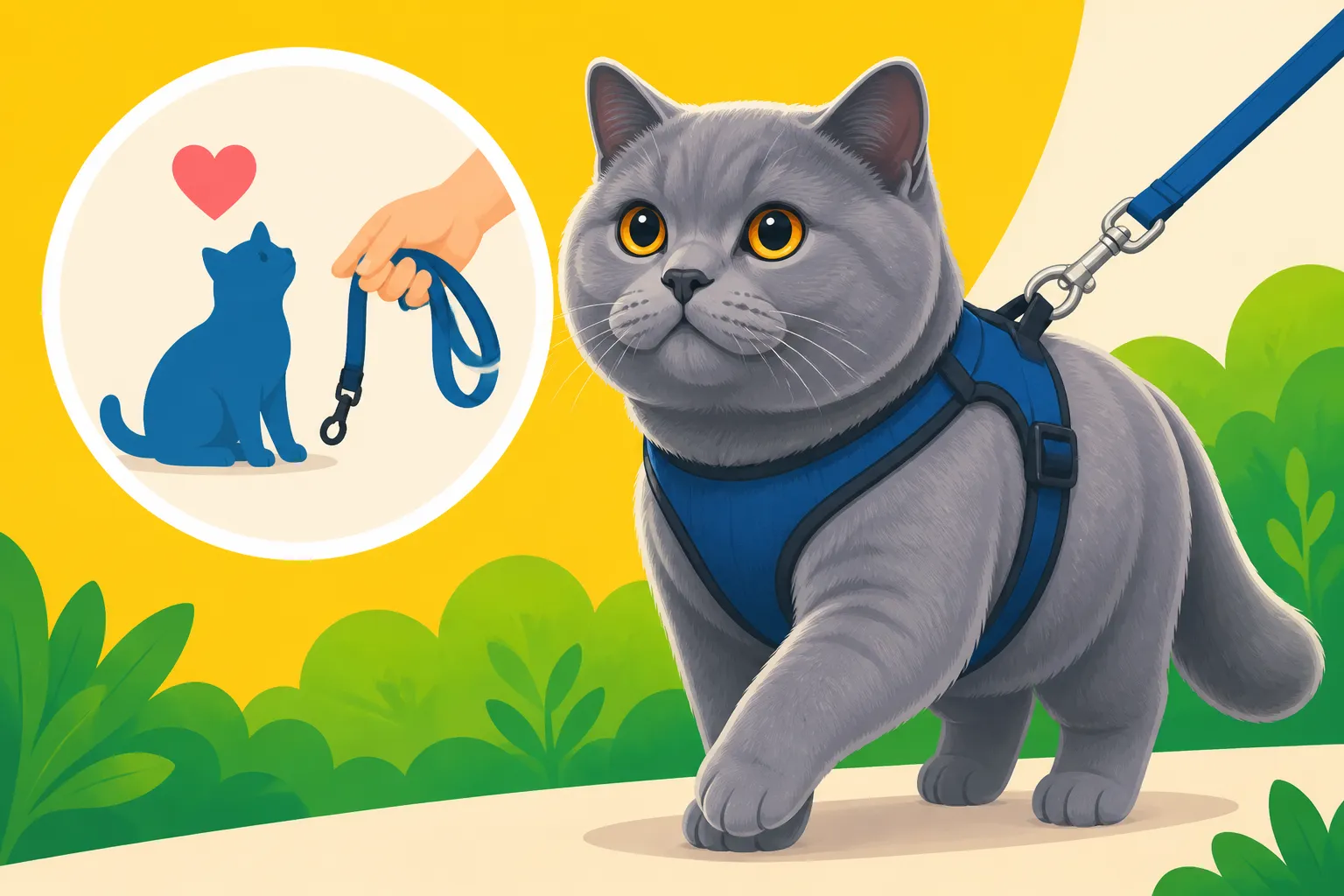
The market is flooded with cat harnesses, and it can feel overwhelming to pick the right one. For a British Shorthair, a vest-style harness or an H-style harness (sometimes called a figure-8 or step-in) are generally the best options. Avoid simple neck collars, as they offer no security and can be dangerous if your cat tries to pull away.
Vest harnesses distribute pressure more evenly across the chest and back, which many cats find more comfortable. They also tend to be harder for a cat to back out of. Look for materials that are soft, breathable, and not too bulky, especially considering their thick fur. Adjustable straps are crucial to ensure a snug, escape-proof fit without restricting movement. Brands available on sites like Amazon offer a wide range of options, allowing you to read reviews and compare sizes tailored for larger cats. Remember, How Much a British Shorthair Weighs can vary, so measure your cat carefully.
The H-style harness is also a good choice, as it's often lighter and less restrictive for some cats. It typically features two loops, one for the neck and one for the chest, connected by a strap. Again, adjustability is key. When trying one on, you should be able to comfortably slide two fingers under the harness straps at all points, but no more. If it's too loose, they'll be gone in a flash. If it's too tight, it will chafe and cause discomfort, leading to an immediate aversion to the harness.
Selecting the Ideal Leash and Carrier
Once you have a harness, you'll need a leash. A lightweight, four to six-foot leash is usually ideal for cat walks. Avoid heavy, thick dog leashes that can feel cumbersome for a cat. Retractable leashes are generally not recommended for cat training as they offer less control and can be quite startling if the lock mechanism engages suddenly. A simple, sturdy nylon or rope leash is perfectly fine.
Beyond the harness and leash, a comfortable carrier is another indispensable part of your toolkit. This isn't just for vet visits; it can be a safe haven during outdoor excursions, or a way to transport your cat to a safe, quiet starting point in your yard. A carrier with good ventilation and enough space for your British Shorthair to stand up and turn around is essential. You might even consider a backpack-style carrier for ease of transport during longer walks or if you need to carry your cat to a safe spot before letting them walk. Many good options can be found on Amazon, often with features like clear windows so your cat can see out, which can reduce anxiety. Learning How to Get a British Shorthair Into a Carrier is a skill that will serve you well in many situations beyond leash training.
The Gentle Art of Harness Acclimatization
This is arguably the most critical stage of leash training a British Shorthair. Their calm nature can sometimes be mistaken for indifference, but they are incredibly sensitive to new sensations and routines. Rushing this step almost guarantees resistance and can set your training back significantly. The goal here is to create positive associations with the harness long before you ever think about going outside.
Remember that a British Shorthair might view the harness as an alien object, something restrictive and uncomfortable. Your job is to transform that perception into something neutral, or even pleasurable, through gradual exposure and rewards. This takes patience, consistency, and a keen eye for your cat's body language. Don't be discouraged if it takes days or even weeks; every cat is different, and British Shorthairs prefer to do things on their own timeline.
Start small, keep sessions short, and always end on a positive note. If your cat shows any signs of stress or discomfort, immediately ease up. This is a marathon, not a sprint, and building trust is far more important than achieving immediate results.
Introducing the Harness Indoors
Begin by simply leaving the harness out in an area your cat frequents, perhaps near their food bowl or favorite sleeping spot. Let them sniff it, rub against it, and generally get used to its presence without any pressure. You can even place a treat on it occasionally. The idea is to make it a normal, non-threatening part of their environment. This passive exposure can last for a few days.
Next, start with brief "wearing" sessions. The first few times, just drape the harness over their back for a second or two, immediately followed by a high-value treat, a favorite toy, or some gentle praise. Don't even attempt to buckle it yet. The moment you see any positive reaction, like a sniff or a tolerant blink, reward it. Gradually increase the duration of draping the harness, always pairing it with something positive. You might notice your British Shorthair doing their classic "flop" or freezing; this is a normal reaction as they adjust.
Once they tolerate the harness draped over them, try buckling it, but only for a few seconds. Again, immediate rewards are key. Do this several times a day for short periods. Don't leave the harness on unsupervised, as they could get tangled or chew on it. Slowly extend the wearing time, working up to a few minutes. During these sessions, distract them with play or food. You want them to associate the harness with good things happening. This process can be slow, but it's vital. Some cats will try to walk like a crab or simply refuse to move, which is why patience is essential.
Practicing With the Leash and Carrier
After your British Shorthair is completely comfortable wearing the harness for extended periods indoors – walking, eating, and even napping in it without issue – it's time to introduce the leash. Attach the leash to the harness while your cat is wearing it indoors. Let them drag the leash around for a few minutes while you supervise closely. This allows them to get used to the feel and weight of the leash without the added pressure of you holding it. Always ensure the leash is light enough not to impede their movement or make them feel tethered.
Once they're accustomed to dragging the leash, you can start holding it. Follow them around the house, letting them lead. Don't pull or guide them; simply allow them to explore with the leash gently in your hand. Offer treats and praise when they walk normally. The goal is for them to feel no resistance or control from the leash at this stage. You might even find this a useful way to encourage a bit more activity, which is always good for a British Shorthair, a breed for which Obesity Is the British Shorthair's Real Disease.
Simultaneously, continue to make the carrier a positive space. Leave its door open, place treats or toys inside, and occasionally feed your cat in it. The more comfortable they are with the carrier, the less stressful it will be to use it as a safe transport option for outdoor adventures. You could even practice short trips around the house in the carrier to simulate travel.
Introducing the Outdoor World, One Paw at a Time
With your British Shorthair happily sporting their harness and leash indoors, the moment you've been waiting for arrives: the first outdoor adventure. This stage requires even more care and sensitivity than the indoor training. The outside world is a whirlwind of new stimuli, and what seems mundane to us can be overwhelming for a cat. Your British Shorthair's instinctual caution will kick in, and you need to respect that.
The key here is to start small and close to home. Don't expect to go for a long walk around the block on day one. A few minutes in a very familiar, secure outdoor space is more than enough. The goal is to build positive associations with the outdoors, making it a place of curiosity and calm, rather than fear or stress.
Always prioritize your cat's comfort and safety above all else. If they show signs of fear, retreat. Pushing them too far, too fast, can ruin all the progress you've made and create a lasting aversion to outdoor excursions.
The First Outdoor Foray
Choose a calm, quiet time of day for your cat's first outdoor experience. Early mornings or late evenings are often best, as there's less foot traffic, fewer cars, and fewer loud noises. Start in a very secure and familiar area, such as your own enclosed backyard or patio. Avoid busy streets or public parks initially. You want an environment where your British Shorthair feels relatively safe and can't be easily startled by unexpected events.
Carry your cat out in their carrier, or if they are very comfortable, hold them securely. Place them down on the ground, still holding the leash. Let them take the lead. They might freeze, sniff the air cautiously, or immediately try to hide. This is all normal. Don't pull on the leash or try to force them to move. Just sit or stand quietly nearby, offering reassurance in a soft voice. Let them explore at their own pace, even if that pace is absolutely none at all. A British Shorthair may simply choose to sit and observe, soaking in the new smells and sounds.
Keep these first sessions incredibly short – five to ten minutes is plenty. End on a positive note, ideally before your cat shows signs of being overwhelmed. Immediately offer a treat or engage in a favorite indoor activity once you're back inside. This reinforces the idea that outdoor time is a positive, temporary experience, not a scary, prolonged ordeal.
Gradually Expanding Their Horizon
As your British Shorthair becomes more comfortable with these short, controlled backyard sessions, you can begin to slowly expand their world. Perhaps move to a slightly different part of the yard, or let them investigate a new bush. Still keep the environment quiet and free from potential threats. Maintain a gentle hold on the leash, allowing them freedom to explore but ready to intervene if needed.
Over time, you might introduce them to a very quiet patch of grass just outside your immediate property, if safe. Always be vigilant for anything that might frighten them: dogs, loud vehicles, strangers, or other cats. The British Shorthair is generally adaptable, but their calm demeanor can mask underlying anxiety. If they become visibly stressed – ears flattened, tail tucked, hissing, or trying to bolt – it's time to go back inside. Some cats might even try to find a hiding spot, demonstrating their inherent caution. Remember that a British Shorthair will typically prefer to sit near you, not on you, so don't expect them to seek comfort in your lap outdoors if that's not their usual indoor behavior.
For a British Shorthair who primarily lives indoors, understanding How a British Shorthair Copes in an Apartment can give you insights into their adaptability. An apartment cat might benefit from exploring a quiet hallway or a secluded balcony before tackling the wider world. The goal is always to slowly broaden their experiences, ensuring each step is a positive one.
Navigating Challenges and Building Confidence
Leash training a cat, especially a British Shorthair, is rarely a smooth, linear journey. You're likely to encounter moments of resistance, sudden fear, or just plain stubbornness. It's easy to get frustrated when your carefully planned outing turns into your cat flopping onto the pavement or refusing to move. However, these challenges are normal, and how you respond to them will define your success.
The key is to approach each obstacle with empathy and a problem-solving mindset. Remember that your British Shorthair isn't trying to be difficult; they're reacting to an unfamiliar or perceived threatening situation based on their instincts and comfort levels. Your role is to be their advocate and guide, helping them overcome these feelings with patience and positive reinforcement.
Building confidence takes time and consistent positive experiences. Every successful, stress-free outing, no matter how brief, contributes to their growing comfort with the harness, leash, and the outside world.
Addressing Resistance and Freezing
It's very common for cats, including British Shorthairs, to resist the harness, often by flopping over, crawling on their bellies, or simply freezing in place. When this happens, avoid pulling on the leash or forcing them to move. This will only increase their fear and aversion. Instead, try to entice them forward with a high-value treat or a favorite toy. Call their name gently and offer encouragement. If they take even one step, reward them lavishly.
If your cat consistently freezes or refuses to move, it might mean you've moved too quickly. Revert to shorter sessions in a more familiar or less stimulating environment. Perhaps they're not quite ready for the front yard and need more time in the back. Sometimes, a cat will only move if they feel they are hiding or stalking something, so a little peek-a-boo play with a wand toy might get them going. For many British Shorthairs, Getting a Low Energy British Shorthair to Move indoors is already a challenge, so expecting a burst of outdoor enthusiasm might be asking too much.
Another common issue is your cat trying to wriggle out of the harness. This is why a snug, escape-proof fit is paramount. If they repeatedly succeed, they'll learn that it's an effective way to get out of the situation. If they manage to slip out, remain calm, retrieve them immediately, and reassess the harness fit. Sometimes, a different style of harness might be needed.
Overcoming Fear and Unexpected Scares
The outdoor world is unpredictable, and your British Shorthair is bound to encounter something that spooks them. A sudden loud noise, a barking dog, or a quickly approaching person can turn an enjoyable outing into a terrifying experience. When this happens, your immediate reaction is crucial. Don't panic. Scoop your cat up gently but firmly, offering comfort and security. If they are in their carrier nearby, guide them back into it for safety.
Retreat to a safe, familiar indoor space and allow your cat to decompress. Offer treats and quiet comfort. Don't immediately try to go back outside. Give them time to recover from the scare. Subsequent outings should initially be even shorter and in a more controlled environment than before the incident, gradually rebuilding their confidence. It’s important to understand Signs a British Shorthair Is Unwell, as unusual behavior outdoors could be a sign of distress rather than just stubbornness.
Always be hyper-aware of your surroundings. Scan for potential threats before you even step outside. If you see a large dog approaching, for instance, pick up your cat or guide them to a hidden spot. Your British Shorthair relies on you to be their protector in this new, vast world. This constant vigilance can be tiring, but it's part of the responsibility of giving your indoor cat a taste of the outdoors.
| Training Stage | Goal | Typical Duration | Key Strategies |
|---|---|---|---|
| Harness Introduction | Neutralize harness; associate with positive | 3-7 Days | Leave out, drape, short wearing with treats. |
| Indoor Leash Practice | Comfort with leash, no resistance to holding | 3-7 Days | Let drag, follow cat's lead, gentle holding, rewards. |
| First Outdoor Foray | Positive association with safe outdoor space | 1-3 Weeks | Short sessions (5-10 min), quiet, familiar area, no force. |
| Expanding Exploration | Gradually increase exposure and duration | Ongoing | New areas if safe, longer sessions (15-30 min), vigilance. |
Prioritizing Safety and Well-being Outdoors
Taking your British Shorthair outdoors, even on a leash, comes with inherent risks that must be carefully managed. Your cat is relying on you to keep them safe from dangers that don't exist within the confines of your home. It’s not just about physical threats; it’s also about ensuring their comfort and health in varying environmental conditions. Thinking through these aspects before each outing can prevent unnecessary stress or accidents.
Remember that while you're introducing them to new experiences, you're also exposing them to potential hazards. Unlike dogs, cats are not instinctively looking to please you or follow your every command, making their outdoor behavior less predictable. Their independent nature means you need to be constantly aware of their actions and surroundings.
This commitment to safety is a huge part of being a responsible British Shorthair owner, extending beyond just their walks. It includes everything from vaccinations to knowing how to react in an emergency, as well as understanding Whether a British Shorthair Should Go Outside at all.
Environmental Hazards and Predatory Concerns
One of the biggest concerns for any outdoor cat, even a leashed one, is the presence of other animals. Dogs, even friendly ones, can be overwhelming or frightening for a cat, and wild animals like coyotes, foxes, or even large birds of prey can pose a serious threat. Always keep a lookout for these dangers. If you see a dog, pick up your British Shorthair immediately or move to a safe distance. Never assume another animal will be friendly or ignore your cat.
Traffic is another obvious hazard. Even if you're in a quiet area, a sudden car or bicycle can be startling. Always keep your cat close to you, especially near roads or driveways. Invisible threats also abound, such as toxic plants, pesticides on lawns, or discarded food items that could be harmful. Stick to areas you know are safe and free from chemicals. Avoid areas where you see bait boxes for rodents.
Weather conditions also play a significant role. British Shorthairs, with their dense coats, can overheat quickly in hot, humid weather. Similarly, extreme cold can be uncomfortable and potentially dangerous. Choose mild days for walks. Always ensure your cat has access to fresh water before and after an outing, and watch for signs of overheating like panting or lethargy.
Health Considerations and Ongoing Vigilance
Before embarking on any outdoor adventures, ensure your British Shorthair is up-to-date on all vaccinations and parasite prevention. This includes core feline vaccines and potentially others like feline leukemia virus (FeLV) if they might come into contact with other cats or their environments. Regular flea, tick, and worm treatments are absolutely essential, as outdoor exposure significantly increases their risk of infestation. Consult your veterinarian about the best preventative care plan for your specific area.
A microchip is also highly recommended, even for a leashed cat. Accidents happen, and if your British Shorthair somehow slips their harness and gets lost, a microchip greatly increases the chances of a safe return. While it's rare for a properly fitted harness to fail, it's always best to be prepared for the unexpected.
Finally, always observe your British Shorthair closely during and after outdoor excursions. Look for any unusual behavior, limping, changes in appetite or litter box habits, or signs of skin irritation from plants or insect bites. Their thick fur can sometimes hide issues, so a gentle full-body check after each walk is a good habit. If you notice anything concerning, contact your vet. The joy of a shared outdoor adventure should never come at the expense of your cat's health and safety.
Disclaimer
This article is for general informational purposes only and does not constitute professional advice. Laws, prices and regulations vary by location and change over time. Consult a qualified professional for guidance on your specific situation.