How Much Play a British Shorthair Needs
It's a common sight: you look over at your British Shorthair, and they're serenely observing the dust motes dancing in a sunbeam, or perhaps curled into the tightest, most adorable ball on the sofa. They certainly don't seem like the type to be tearing through the house, scaling curtains, or launching themselves into acrobatic feats. This tranquil demeanor often leaves owners wondering just how much play a British Shorthair actually needs, especially when their calm nature can sometimes mask a need for more engagement than they let on. This comprehensive guide will delve into the unique play requirements of British Shorthairs, helping you understand their activity levels, identify the most effective ways to engage them, and integrate crucial enrichment into their daily lives for optimal health and happiness.
Understanding the British Shorthair's Natural Activity Level
Let's be honest, if you've ever owned or spent time with a British Shorthair, you know they're not exactly known for their boundless energy. They're the quintessential calm, collected, and often quite sedentary house cats. This can be both a blessing and a slight challenge for owners, as it might lead one to believe they don't need much in the way of exercise or mental stimulation. However, beneath that placid exterior lies a cat that still benefits immensely from interactive play.
The 'Statuesque' Reputation
British Shorthairs have earned a well-deserved reputation for being rather stoic and unhurried. They tend to be less prone to the frantic bursts of energy you might see in a Bengal or the constant curiosity of a Siamese. Instead, they often prefer to observe their surroundings from a comfortable vantage point, moving with a deliberate grace that belies their quiet nature. You might find them stretching out for a long nap, then slowly padding to their food bowl, and then settling back down for another snooze. This isn't laziness in a negative sense; it's simply their natural predisposition. Owners often joke that their British Shorthair acts more like a furry, sentient cushion than a cat, and there's a good reason for that perception. Their quiet presence makes them wonderful companions, but it can also make it harder to discern when they need to stretch their legs and minds.
Why They Appear Less Energetic
Part of the British Shorthair's lower energy profile comes down to their genetics and their very physical build. This breed was historically developed from the common street cats of Britain, which, while capable hunters, weren't bred for extreme agility or endurance. Their cobby, muscular bodies and relatively short legs are designed for strength and stability, not for scaling great heights or sustained high-speed chases. They carry a dense bone structure and a plush, thick coat that adds to their sturdy appearance, making them look substantial and solid. Imagine trying to be a nimble acrobat with that kind of build – it's just not what they're set up for.
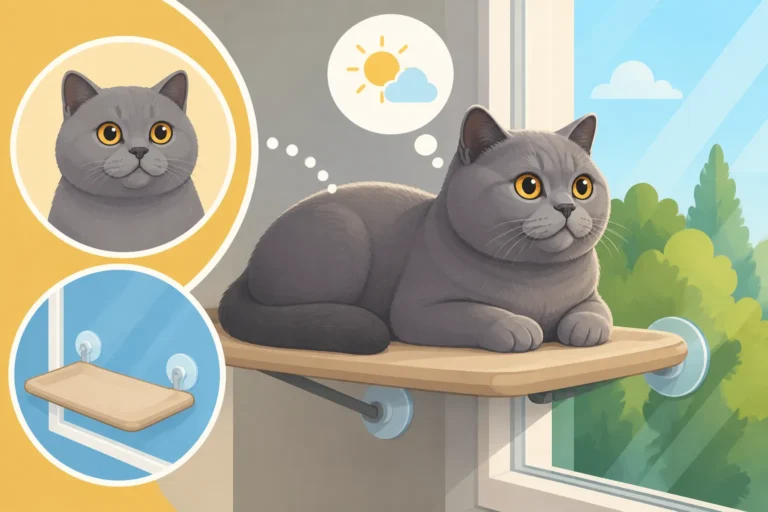
Furthermore, their temperament tends towards calm and easygoing. They're not typically driven by an incessant need for attention or constant activity. This doesn't mean they're aloof; quite the opposite, they often form deep bonds with their families, but they express that affection in a more understated way, often preferring to be near you rather than on your lap, as discussed in A British Shorthair Sits Near You, Not On You. So, while other breeds might be bouncing off the walls, your British Shorthair might be perfectly content to watch a bird out the window for an hour, which, for them, can be a form of mental enrichment in itself.
The Hidden Need for Stimulation
Despite their seemingly low-key lifestyle, it’s a mistake to assume British Shorthairs don’t require regular mental and physical engagement. Their calm demeanor can sometimes hide a subtle boredom or lack of fulfillment if their natural instincts aren't adequately stimulated. A truly calm cat is a well-enriched cat, not just one that sits still. If a British Shorthair lacks appropriate outlets for play, they might not act out with destructive behaviors like some more high-strung breeds, but they could become withdrawn, overly lethargic, or even develop subtle stress indicators like overgrooming or changes in appetite.
Lack of proper play also directly impacts their physical health. The British Shorthair is famously prone to weight gain, and regular, even if short, bursts of activity are crucial for maintaining a healthy weight and muscle tone. Without it, they are at a higher risk of developing obesity and the myriad health problems that come with it. Think of play as their daily mental and physical workout, even if it doesn't look like a high-intensity gym session. It's about providing opportunities for them to express their innate cat-ness in a safe and engaging way.
Identifying the Right Kind of Play for a British Shorthair
Since British Shorthairs aren't naturally inclined to be marathon runners or Olympic jumpers, the key to successful play lies in understanding their specific preferences and physical capabilities. It's not about forcing them into activities they dislike, but rather finding ways to tap into their instincts in a manner that suits their unique temperament.
Prioritizing Short, Intense Bursts
Forget about hour-long play sessions where you’re waving a feather wand until your arm aches. Your British Shorthair is far more likely to engage with and benefit from shorter, more intense bursts of activity. These mini-sessions, often lasting just five to ten minutes, are perfect for capturing their attention and satisfying their hunter's instinct without exhausting them or overwhelming their calm nature. The idea is to mimic the natural hunting cycle: a period of intense focus and chase, followed by a "kill" and a period of rest.
These brief but energetic interactions can be incredibly effective because they align with a cat's natural hunting patterns in the wild. A cat doesn't continuously hunt for hours; they expend bursts of energy on a single prey item. By keeping play sessions concise and impactful, you prevent your British Shorthair from getting bored or deciding the effort isn't worth it. Instead, they remain engaged and eager for the next interaction. Two or three such sessions spread throughout the day are far more beneficial than one long, desultory play.
Engaging the Prey Drive
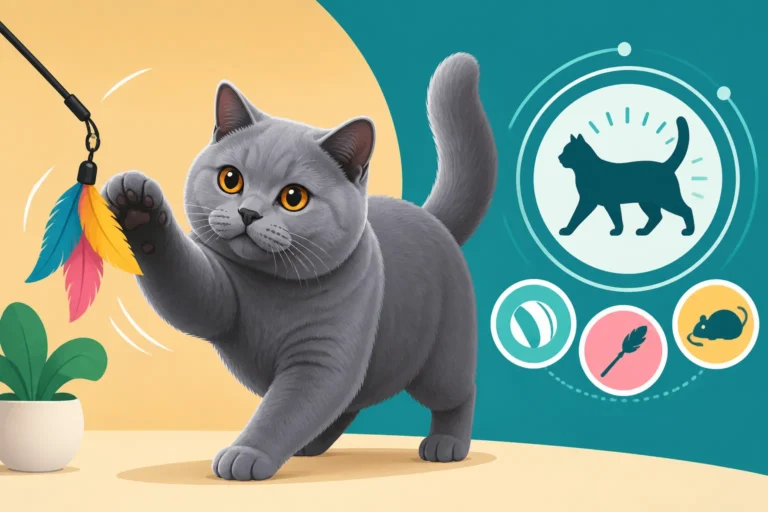
Even the most relaxed British Shorthair possesses a primal prey drive, and tapping into this is the most effective way to encourage them to play. The best toys are those that mimic the movement and appearance of small prey, such as birds or rodents. Think about the types of toys your British Shorthair will actually chase. Feather wands, for example, are often a huge hit. The erratic, floating movement of feathers can instantly spark their interest, even if they were just snoozing a moment ago. When using a wand toy, make the "prey" dart, hide, and occasionally pause, just like a real mouse or bird would. Don't just wave it wildly in their face; make it enticing. Drag it along the floor, let it peek from behind furniture, then make it "fly" into the air.
The "catch and kill" part of the game is absolutely crucial. Never end a play session with the cat frustrated or unable to catch the toy. Allow them to pounce, grab, and "kill" the toy multiple times. This satisfies their hunting instinct and builds their confidence, making them more likely to engage in play next time. After a successful "kill," let them hold onto the toy for a moment, bat it around, and feel victorious. Then, subtly reintroduce it for another round. For a great selection of durable and engaging wand toys, many owners find excellent options available on Amazon.
Intellectual Stimulation Through Puzzle Toys
While physical play is vital, don't overlook the importance of mental enrichment. British Shorthairs, despite their chill exterior, are intelligent creatures who can get bored if their minds aren't stimulated. This is where puzzle toys and treat-dispensing toys truly shine. These aren't just for food-motivated cats; they provide a challenge that engages their problem-solving skills and satisfies their natural foraging instincts.
A puzzle feeder, for instance, requires your British Shorthair to manipulate the toy in some way to release kibble or treats. This slows down eating, which is beneficial for managing their weight, and provides a significant mental workout. Instead of just gulping down their meal from a bowl, they have to think, strategize, and work for their food. This kind of activity can prevent boredom, reduce stress, and even make mealtime more exciting for them. There are many different types of puzzle feeders, from simple treat balls to more complex mazes, allowing you to find one that matches your cat's skill level. Many popular and effective puzzle toys can be found easily on Amazon, ranging in complexity and design. This intellectual engagement is just as important as physical exercise for their overall well-being. Whether a Puzzle Feeder Motivates a British Shorthair explores this further.
The Frequency and Duration of Play Sessions
Getting the balance right with play frequency and duration is key to keeping your British Shorthair engaged and healthy without overwhelming them. It’s a delicate dance of consistency and understanding your cat’s individual rhythm.
Daily Minimums for Health and Happiness
For a British Shorthair, consistent, short bursts of play are far more effective than sporadic, lengthy ones. As a general guideline, aim for at least two, and ideally three, dedicated play sessions each day. Each session doesn't need to be long; five to ten minutes of active, engaging play is usually sufficient to capture their interest and provide adequate stimulation. What truly matters is the consistency. Regular play reinforces the habit and helps your cat anticipate and enjoy these interactions.
Think of these sessions as essential appointments in your cat's day, just like mealtimes. They contribute significantly to their physical condition and mental alertness. These short, focused periods of activity are excellent for burning off a few calories, stimulating their minds, and preventing the kind of deep-seated boredom that can lead to subtle behavioral changes or exacerbate their propensity for weight gain. It's about building a predictable routine that they can rely on for their enrichment needs.
Tailoring Play to Age and Individual Personality
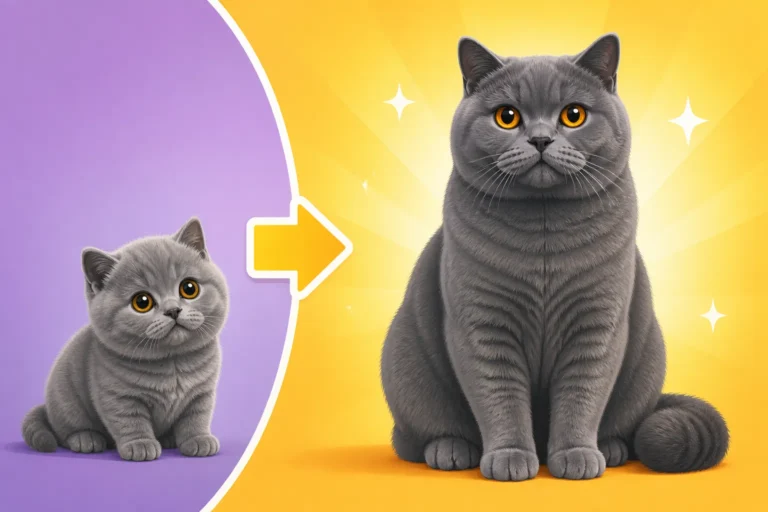
It’s important to remember that not all British Shorthairs are cut from the exact same cloth, and their play needs will naturally evolve over their lifespan. A British Shorthair kitten, for example, will typically display more energy and a greater willingness to play for longer periods, often chasing anything that moves with boundless enthusiasm. They are still discovering the world and their own capabilities. As they mature, their playfulness tends to mellow. Why a British Shorthair Stops Playing at Three delves into this natural decline in intense play activity.
An adult British Shorthair will settle into a more predictable, calm routine. While they still need play, their sessions might become even shorter and more focused. Senior British Shorthairs, especially those starting to experience conditions like Arthritis in an Older British Shorthair, will require even gentler, lower-impact play. Their energy levels might be considerably reduced, and you might need to find ways to engage them that don't put strain on their joints. Always observe your individual cat’s cues: a flicking tail, dilated pupils, or a crouched stance indicates engagement, while walking away or lying down suggests they're done. Some British Shorthairs, even as adults, might retain a more playful spirit than others, enjoying a wider variety of toys or longer sessions. It’s all about understanding your specific feline friend.
Incorporating Play into Routine
Creating a consistent play routine isn't just about making sure they get their exercise; it's also about providing a sense of predictability and security for your British Shorthair. Cats thrive on routine, and knowing when to expect play sessions can actually increase their enthusiasm. A fantastic strategy is to link play to other daily events, such as before meals. This simulates the "hunt-eat-groom-sleep" cycle that cats follow in the wild. Playing vigorously for 5-10 minutes right before their morning and evening meals can make their food taste even better and gives purpose to their activity.
Another excellent way to maintain interest is by rotating toys. Even the most beloved toy can lose its appeal if it's always available. By putting some toys away and bringing them out on a rotating schedule, you make them seem new and exciting again. This also applies to puzzle feeders; having a couple of different ones to switch between keeps their minds stimulated. Consider having a dedicated "playtime box" for interactive toys that only come out when you're directly engaging with your British Shorthair, saving their personal favorites like crinkle balls and soft mice for solo batting around.
Overcoming the British Shorthair's Reluctance to Play
Let's face it, getting a British Shorthair to embrace playtime isn't always as easy as dangling a string. Their inherent calm nature can sometimes be misinterpreted as disinterest, leading owners to give up too quickly. But with a bit of strategy and a lot of patience, you can unlock their inner hunter.
The Art of Enticement and Persistence
One of the biggest frustrations for British Shorthair owners can be their cat’s initial reluctance to engage. You bought the fancy new toy, you’re waving it around, and your cat gives you a look that clearly says, "Is that really for me? I'm quite comfortable here, thank you." It's tempting to think they're just not playful, but often, it's about finding the right trigger and being persistent. As discussed in Getting a Low Energy British Shorthair to Move, they often need a little more coaxing than other breeds.
Start by observing what truly catches their eye. Is it a slow, slithering motion, or a sudden dart? Some British Shorthairs are mesmerized by feathers, others by crinkly sounds. Don't be afraid to experiment with different types of wand attachments and movements. Try to make the toy behave like real prey – moving away from them, hiding, and then reappearing. A key is to start subtly; don't bring the toy too close to their face initially, as this can be startling. Instead, let it appear from a distance, piquing their curiosity before bringing it closer. Patience is paramount. You might have to try several times over a few days before they fully engage, but once they do, it's incredibly rewarding.
Creating an Inviting Play Environment
The environment itself can significantly impact your British Shorthair's willingness to play. Because of their solid build, they might not be natural climbers, but they still appreciate vertical space and varied terrain. Ensure your home offers comfortable, safe spaces for play where they feel secure. This might mean clearing a space on the floor where they can pounce without slipping, or providing sturdy, low-to-the-ground platforms they can easily jump onto.
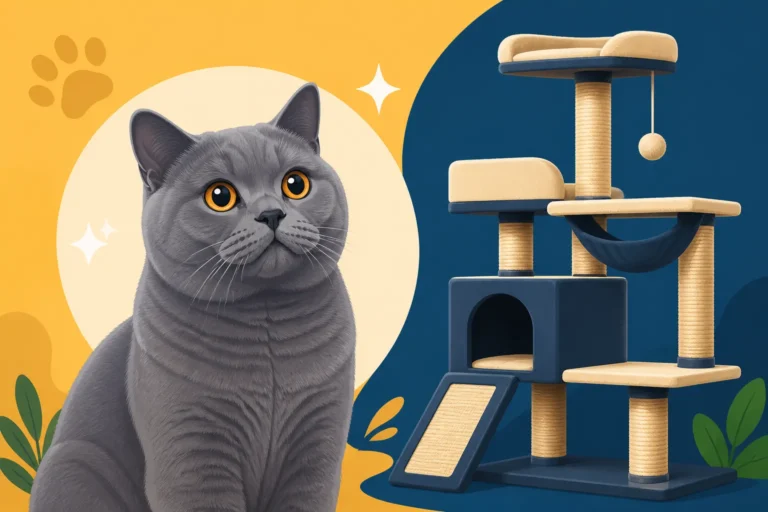
While they may not scale the tallest cat trees with the agility of a Siamese, they still enjoy having high perches to observe their domain. Look for sturdy, well-balanced cat trees that can support their weight. A common complaint is that many standard cat trees are a bit flimsy for a fully-grown British Shorthair, which can weigh considerably more than an average cat. Investing in a robust cat tree, perhaps one made with solid wood or a wider base, will ensure it feels stable and inviting. Many excellent, heavy-duty options designed for larger breeds can be found on Amazon, giving your British Shorthair the confidence to explore vertical spaces. As mentioned in Which Cat Tree a British Shorthair Uses, stability is key for these substantial cats. Even if they only use the lower levels, having options for elevation can enrich their environment.
Understanding Play Preferences
Every British Shorthair is an individual, and their play preferences can vary widely. While some might be instantly captivated by a classic feather wand, others might completely ignore it. This means you need to become a bit of a cat-play detective. Does your British Shorthair prefer to chase, stalk, pounce, or bat?
- Wand Toys: These are almost universally good for interactive play. Experiment with different attachments – feathers, crinkly fabric, soft faux fur. The key is to make you the puppeteer, bringing the toy to life.
- Laser Pointers: These can be great for getting them moving, but always, always end a laser session by directing the beam onto a physical toy or treat that they can "catch" and "kill." Without a tangible reward, laser play can lead to frustration and redirected hunting behaviors, as they never get to complete the hunting cycle.
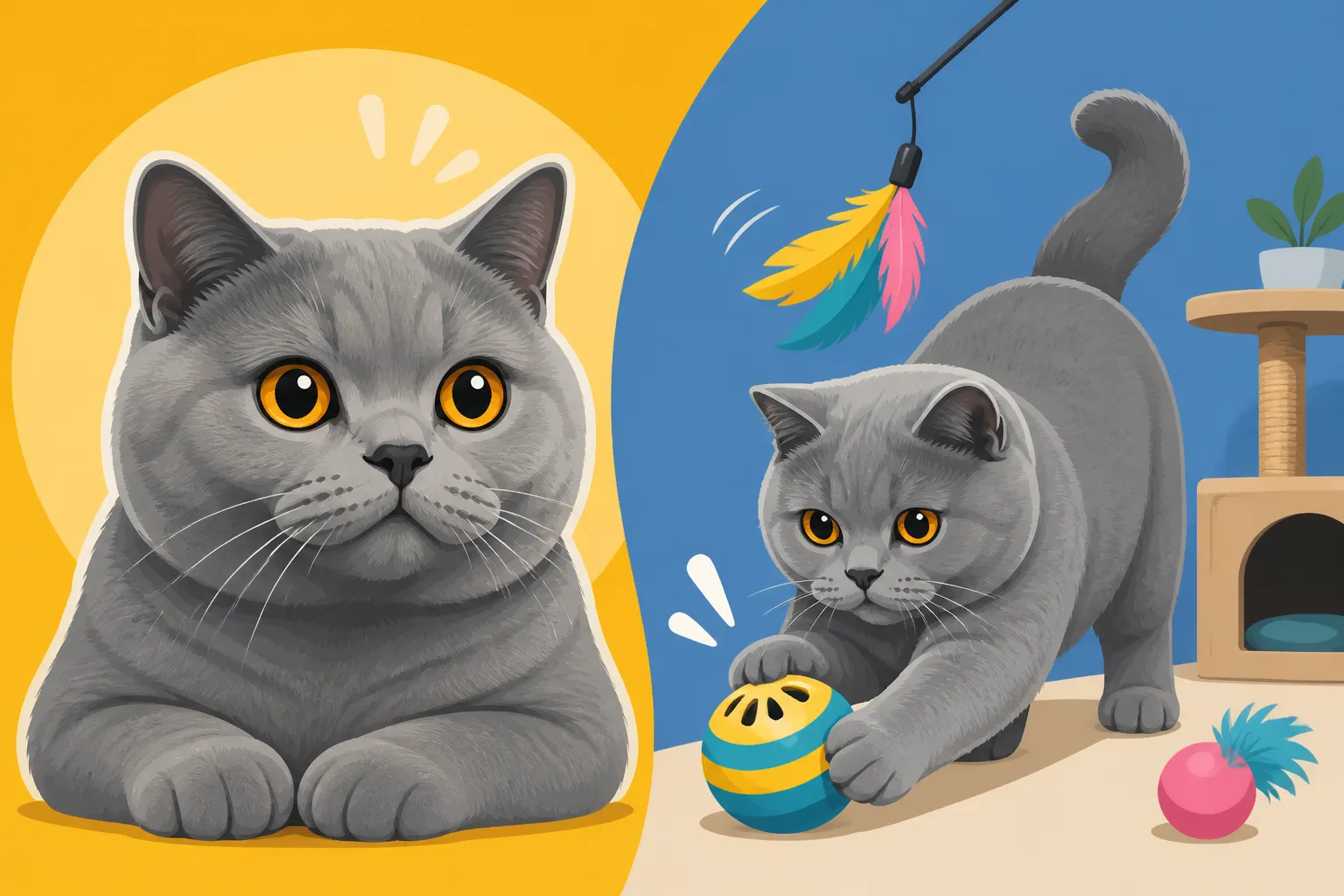
- Crinkle Balls & Soft Mice: These lightweight toys are excellent for solo play. British Shorthairs often enjoy batting them around, carrying them in their mouths, and stalking them.
- Kicker Toys: A plush toy filled with catnip or silvervine, designed for them to grab with their front paws and "kick" with their back legs, can be a great way to let them expend some energy and satisfy their predatory instincts in a safe manner.
- Interactive Electronic Toys: When you're busy, these can provide some independent stimulation. Look for toys that move unpredictably or have lights and sounds, but remember that human interaction is always best.
Don't be discouraged if your British Shorthair isn't instantly thrilled with a new toy. Some cats need time to warm up. Introduce new toys slowly, leave them out for exploration, and try different times of day. What works for one British Shorthair might not work for another, so keep trying until you find their particular passion.
The Crucial Link Between Play and British Shorthair Health
It's easy to view play as mere entertainment, but for a British Shorthair, it’s an absolutely fundamental component of their overall health strategy. Given their predispositions, incorporating consistent, appropriate play can quite literally add years and quality to their lives.
Preventing Obesity and Related Issues
This is arguably the most critical health benefit of regular play for a British Shorthair. Their calm demeanor, combined with a hearty appetite, makes them highly susceptible to weight gain. A chunky British Shorthair might look adorable, but obesity is a serious health risk, leading to a cascade of problems. Insufficient play directly contributes to a caloric imbalance, where calories consumed outweigh calories burned. This sedentary lifestyle means extra pounds pile on quickly.
The consequences of obesity are severe. Excess weight puts significant strain on their joints, potentially leading to or exacerbating conditions like What Obesity Does to a British Shorthair's Joints and Arthritis in an Older British Shorthair. It also dramatically increases their risk of developing Diabetes in a British Shorthair, a condition that requires lifelong management with insulin and can be costly and stressful for both cat and owner. Furthermore, obesity can affect their liver, respiratory function, and overall mobility. Therefore, interactive play isn't just a suggestion; it's a vital part of a preventative health regimen, working hand-in-hand with portion control and a healthy diet. Even modest increases in activity, like regular short play sessions, can make a huge difference in managing their weight and preventing these serious health issues.
Supporting Joint Health
As noted, British Shorthairs are sturdy, substantial cats. While this gives them their iconic teddy bear appearance, it also means their joints carry a considerable load. Regular movement, even gentle play, is essential for maintaining joint flexibility, strengthening the muscles that support their joints, and promoting good circulation. When a British Shorthair is inactive, their joints can become stiff, and the surrounding muscles weaken, making them more prone to pain and degenerative conditions as they age.
Think of it this way: a car that sits in the garage too long can seize up, just as a body that remains sedentary can lose its suppleness. Even if your British Shorthair isn't leaping gracefully, simple movements like stalking, pouncing on a toy, or batting a crinkle ball require the use of various joints and muscle groups. This low-impact, consistent activity is far more beneficial than periods of extreme inactivity followed by sudden, strenuous bursts (which they rarely do anyway). For older British Shorthairs, gentle play tailored to their mobility is crucial for managing existing arthritis and preventing further deterioration.
Mental Well-being and Enrichment
Beyond the physical benefits, play is a cornerstone of a British Shorthair’s mental well-being. Cats, even calm ones, are natural predators. Suppressing these instincts without providing appropriate outlets can lead to boredom, frustration, and stress. While a British Shorthair might not shred your furniture out of boredom, they could become withdrawn, anxious, or excessively groom themselves. How Active a British Shorthair Is demonstrates that while they are calm, they are not without needs.
Interactive play provides crucial mental stimulation, allowing them to engage their minds in problem-solving and strategic "hunting." It reinforces their bond with you, as you become part of their "pride" and their most exciting interactive partner. This consistent engagement keeps their minds sharp, which is especially important as they enter their senior years. A mentally stimulated cat is a happier, more resilient cat, better able to cope with changes in routine or environment. Play is truly holistic care, addressing both the body and mind.
Practical Play Strategies and Toy Recommendations
Now that we understand the 'why', let's get into the 'how'. Implementing effective play strategies for your British Shorthair doesn't have to be complicated or expensive. It's all about understanding their nature and providing the right tools and interaction.
The Best Toys for Engaging a British Shorthair
When selecting toys, remember the British Shorthair's preference for bursts of activity and their natural prey drive. Here are some top recommendations that tend to be hits:
- Wand Toys with Feather or Natural Fiber Attachments: These are often the absolute best for interactive play. The movement of feathers or natural fibers mimics birds or small animals, making them irresistible. Look for durable wands with interchangeable attachments. Many high-quality options are readily available on Amazon.
- Crinkle Balls and Soft Mice: These lightweight toys are perfect for solo play. The crinkly sound of some balls can be highly engaging, and soft mice allow them to carry, stalk, and bat without being too heavy.
- Laser Pointers (Used Responsibly): As mentioned, lasers are fantastic for getting them moving, but always end a session by letting them "catch" a physical object (like a treat thrown on the floor or a wand toy) to satisfy their hunting instinct.
- Puzzle Feeders: These toys, which require your cat to work for their food or treats, are excellent for mental stimulation and slowing down eating. They come in various designs, from simple treat balls to more complex mazes.
- Kicker Toys: These typically elongated, soft toys are ideal for your British Shorthair to grab with their front paws and 'kick' with their back feet. Many are infused with catnip or silvervine to enhance their appeal.
- Food Dispensing Toys: Similar to puzzle feeders, these encourage foraging behavior and make mealtime an enriching experience.
When purchasing toys, prioritize durability and safety. Avoid toys with small parts that could be swallowed or strings that could become a choking hazard.
Rotating Toys and DIY Options
Even the most cherished toy can become boring if it's always lying around. A simple strategy is to create a "toy rotation" system. Have a selection of toys available for a few days, then put some away and bring out others. This keeps things fresh and exciting, making old favorites seem new again. It prevents them from becoming desensitized to their playthings and maintains interest over time.
Don't underestimate the power of DIY toys either! You don't need to spend a fortune to entertain your British Shorthair. A crumpled piece of paper, a cardboard toilet paper roll, or even a simple piece of string (supervised play only!) can sometimes be more engaging than an expensive toy. Just ensure that any homemade toys are safe, without sharp edges or small components that could be ingested. A paper ball that can be batted and then torn apart can provide immense satisfaction.
Making Play Fun for Both of You
Your enthusiasm is contagious! If you approach playtime with genuine enjoyment, your British Shorthair is more likely to respond in kind. Get down on their level, use an encouraging tone of voice, and celebrate their "catches." Playtime should be a bonding experience, not a chore. Ending a play session on a high note, perhaps with a final successful pounce and a small treat, will leave your British Shorthair feeling happy and eager for the next round. It’s important to remember that How Much Play Keeps a British Shorthair Slim is more effective when you are actively involved and making it fun.
Consistency and patience are your best friends. Even if your British Shorthair doesn't instantly become a whirling dervish, those regular, short bursts of engaging play are laying the foundation for a healthier, happier life. It's about meeting them where they are and nurturing their natural instincts, one playful pounce at a time.
| Play Type | Recommended Frequency | Duration (per session) | Key Benefits | Example Toys |
|---|---|---|---|---|
| Interactive Play | 2-3 times daily | 5-10 minutes | Physical exercise, mental stimulation, bonding | Feather wands, laser pointers (with reward) |
| Solo Play | Available constantly | Self-directed | Independent entertainment, outlet for casual energy | Crinkle balls, soft mice, kicker toys |
| Puzzle Play | 1-2 times daily | 10-20 minutes | Mental enrichment, slows eating, prevents boredom | Treat-dispensing balls, puzzle feeders |
| Environmental | Permanent | Throughout the day | Vertical space, observation points, sensory input | Sturdy cat trees, window perches, scratching posts |
Disclaimer
This article is for general informational purposes only and does not constitute professional advice. Laws, prices and regulations vary by location and change over time. Consult a qualified professional for guidance on your specific situation.