Whether a British Shorthair Gets Separation Anxiety
It's completely normal to worry about our feline companions when we have to leave them home alone. As British Shorthair owners, we often cherish their calm, independent nature, but sometimes we wonder if that quiet demeanor masks deeper feelings of loneliness or distress when we're gone. This comprehensive guide will delve into whether British Shorthairs are prone to separation anxiety, how to recognize the subtle signs, and practical steps you can take to ensure your plush-coated friend feels safe and content even when you're not right there.
Understanding the British Shorthair's Natural Temperament
The British Shorthair is renowned for its laid-back, stoic disposition. They're often described as the "teddy bears" of the cat world, and for good reason! Their calm nature makes them wonderfully adaptable companions, often perfectly content to observe the household from a comfortable perch rather than constantly demanding attention. This inherent independence is a defining characteristic of the breed, shaping how they interact with their environment and their human family.
The Independent Spirit of the British Shorthair
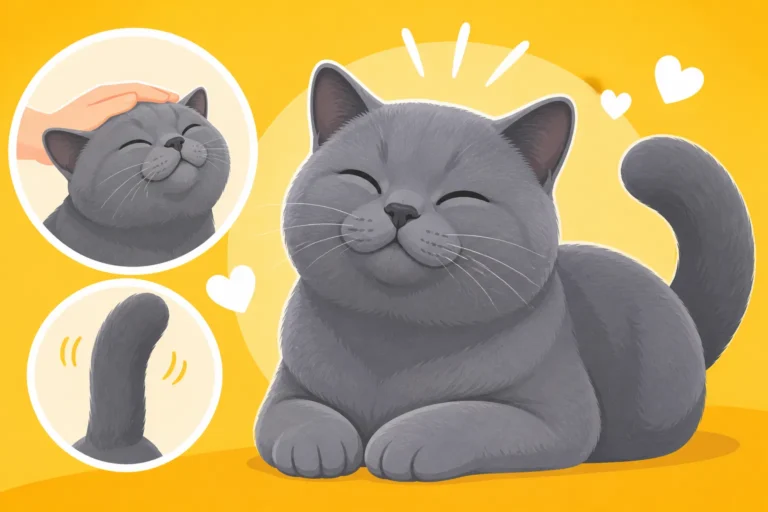
Unlike some breeds that might cling to their owners or demand constant interaction, British Shorthairs generally possess a strong sense of self-sufficiency. They enjoy being in the same room as you, perhaps curled up on a nearby sofa or stretched out on a sun-drenched rug, but they're not typically "lap cats" in the traditional sense. This isn't to say they don't crave affection; they absolutely do, but often on their own terms. A gentle head boop, a slow blink, or a quiet purr next to you signifies their contentment, rather than a frantic demand for play or cuddles.
This independence is a huge part of their charm and one of the reasons they can thrive in households where owners work full-time or have busy schedules. You might find your British Shorthair greets you with a reserved enthusiasm when you return, a quiet trill and a rub against your legs, rather than an over-the-top display. They appreciate routine and a predictable environment, finding comfort in the familiar rhythms of the home. This calm self-possession is often what draws people to the breed, but it can also make it challenging to discern when their quietness might be something more. Many owners worry whether their cat is genuinely fine on its own (A British Shorthair Is Genuinely Fine on Its Own).
Affection on Their Own Terms
While they are independent, British Shorthairs are by no means aloof or uncaring. They form deep bonds with their human families, but their expressions of affection tend to be more subtle and understated. They might follow you from room to room, just to be near you, or choose to sleep on the foot of your bed rather than directly on your chest. You'll often find them observing you with those famously round, expressive eyes, a silent testament to their watchful companionship.
Their comfort with solitude doesn't mean they don't value your presence. It simply means they have a robust internal world and aren't constantly seeking external validation or stimulation. This trait is often a blessing for owners who need a cat that can handle alone time gracefully. However, it also means that signs of distress can be harder to spot, as their baseline behavior is already quite composed. Understanding this natural tendency is the first step in differentiating normal British Shorthair behavior from genuine anxiety.
Distinguishing Normal Independence from Separation Anxiety
Given the British Shorthair's naturally calm and self-sufficient personality, it can be tricky to tell the difference between their typical independent behavior and actual separation anxiety. Many owners might confuse a cat's preference for personal space with loneliness, when in reality, the cat is perfectly content. It's crucial to look for specific behavioral changes that go beyond their usual serene demeanor.
What Normal Alone Time Looks Like
For a British Shorthair, normal alone time usually involves a lot of napping. They are not high-energy cats, and a significant portion of their day is spent sleeping, especially when the house is quiet. You might find them stretched out on a bed, curled up in a sunbeam, or perhaps observing the birds from a window perch. They might engage in a short play session with a favorite toy or have a snack, but generally, their activity levels dip significantly when their humans are away.
They usually maintain their regular eating, drinking, and litter box habits without issues. When you return home, they might offer a quiet greeting, a purr, or rub against your legs, then settle back into their routine. There isn't an overwhelming sense of panic or a desperate need for attention. They simply pick up where they left off. If you’re wondering how long they typically manage, we have a whole guide on How Many Hours a British Shorthair Can Be Left. This peaceful solitude is a hallmark of the breed and a sign of a well-adjusted cat.
When Independence Crosses into Anxiety
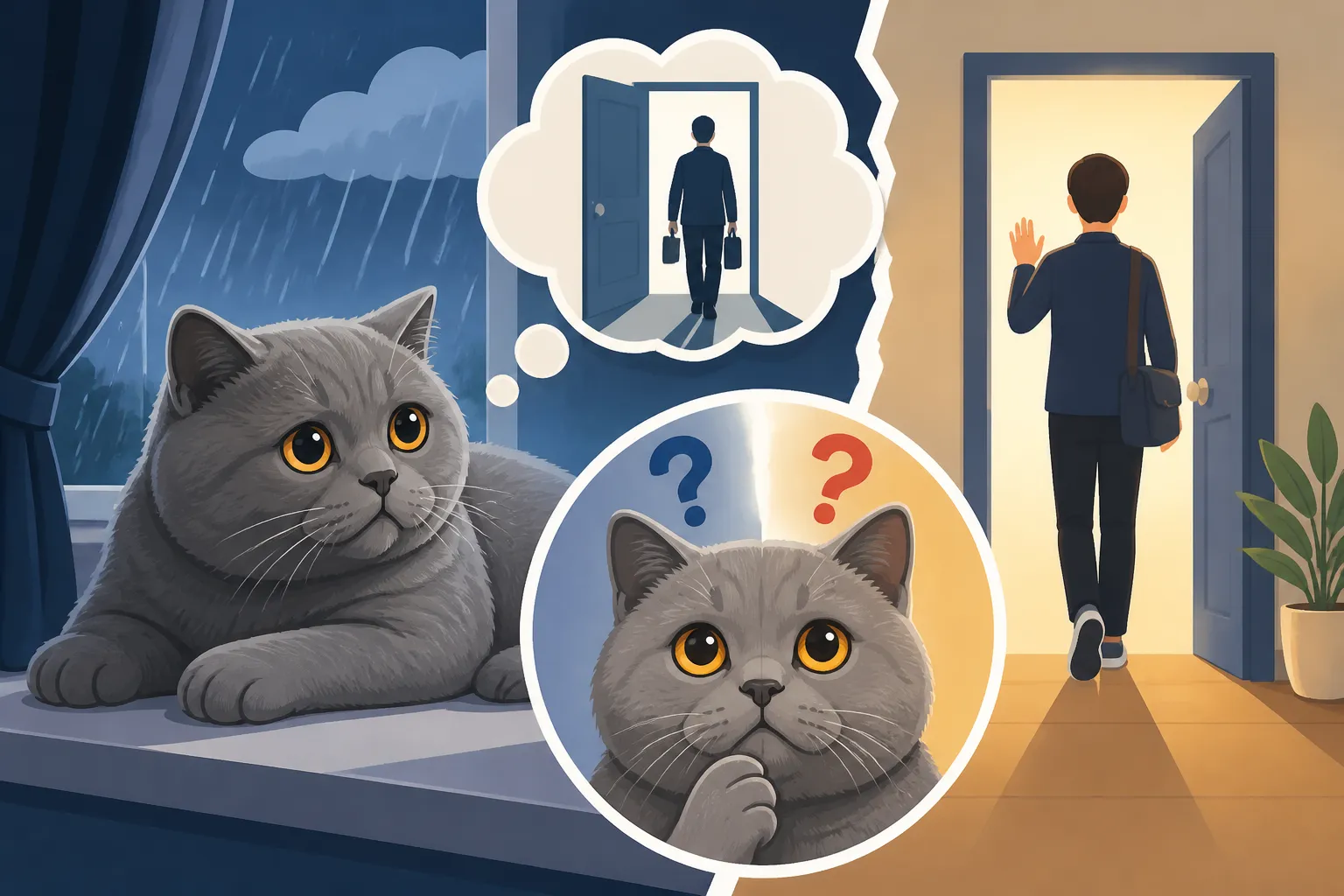
True separation anxiety in a British Shorthair, or any cat, manifests as a profound distress triggered by the owner's absence. It's not just boredom or a fleeting desire for company; it's a deep emotional reaction. This anxiety can stem from various factors, such as a sudden change in routine, a traumatic event, or simply an insecure attachment formed early in life. The key is that the behaviors associated with it are not typical for the cat and occur specifically when you are away or preparing to leave.
One of the challenges with British Shorthairs is that their general quietness can make severe anxiety harder to detect until it's quite advanced. A cat that is typically reserved might become even more withdrawn when stressed, or their destructive behaviors might be less obvious than in a more boisterous breed. It's important to differentiate between a cat who simply prefers not to be picked up – a common British Shorthair trait – and one who is truly suffering from emotional distress when you're out the door. The distinction lies in the severity and consistency of the negative behaviors, and whether they only appear in your absence.
Common Signs of Separation Anxiety in British Shorthairs
Identifying separation anxiety in a British Shorthair requires keen observation, as their calm nature can sometimes mask distress. Owners often notice these signs only after repeated incidents, or upon reviewing camera footage of their cat's behavior when they are out. It's not just about a bit of fuss when you leave; it’s a pattern of destructive or distressed behavior specifically tied to your absence.
Destructive and Disruptive Behaviors
One of the most immediate and distressing signs of separation anxiety can be destructive behavior. This isn't just a playful swipe at a curtain; it's often targeted and driven by stress. You might come home to find scratched furniture, torn carpets, or even shredded upholstery, particularly near exit points like doors or windows where they might have been attempting to reach you. Anxious cats might also chew on inappropriate items, like electrical cords or house plants, which can be dangerous.
Another tell-tale sign is inappropriate urination or defecation outside the litter box. This isn't usually a cleanliness issue but a stress response. If your British Shorthair, who is normally meticulous about their litter habits, starts having "accidents" specifically when you're away, it’s a strong indicator of anxiety. These incidents are not acts of defiance, but rather a manifestation of profound emotional distress. It's their way of communicating that they are deeply unhappy and unsettled by your absence, especially if they are usually good with Which Litter Box Suits a British Shorthair.
Vocalizations and Physiological Changes
While British Shorthairs are generally known for being quite How Vocal a British Shorthair Is, excessive vocalization when alone can be a clear sign of separation anxiety. This might include incessant meowing, howling, or crying that only occurs when you're not home. Neighbors might report hearing continuous plaintive sounds, or you might capture them on a pet camera. This is different from the occasional meow for attention; it's persistent and reflects a heightened state of distress.
Beyond vocalizations, you might observe physiological changes. Anxious cats can sometimes excessively groom themselves to the point of developing bald patches or skin irritation. They might also exhibit changes in appetite, either refusing to eat or drinking while you're gone, or conversely, overeating. Some might even vomit or have diarrhea when left alone. When you return, they might display an overly excited or frantic greeting, followed by clinging behavior that is out of character for their breed's usual independent demeanor. If you're seeing persistent changes, it might be worth investigating Signs a British Shorthair Is Unwell more broadly.
Here's a quick comparison of normal vs. anxious behaviors:
| Behavior Aspect | Normal British Shorthair Alone Time | British Shorthair with Separation Anxiety |
|---|---|---|
| Activity Level | Mostly sleeping, calm observation, occasional self-play | Pacing, frantic searching, excessive vocalization, restlessness |
| Litter Habits | Consistently uses litter box | Urinates/defecates outside box, especially near exits |
| Vocalization | Minimal, occasional quiet trill or purr upon return | Persistent meowing, howling, crying when alone |
| Eating/Drinking | Eats/drinks normally throughout the day | Refuses to eat/drink, or overeats; may vomit/have diarrhea |
| Destruction | No intentional destruction, maybe light scratching on posts | Targeted scratching (doors, windows), chewing on inappropriate items |
| Greeting | Calm, affectionate rub or purr | Overly excited, frantic, clingy, hard to settle |
Preventing Separation Anxiety Before It Starts
Prevention is always better than cure, especially when it comes to behavioral issues like separation anxiety. For British Shorthair kittens and newly adopted adults, setting the right foundation from the beginning can make a world of difference. It's about building confidence and security, ensuring they understand that your departure is not a permanent abandonment.
Gradual Acclimation to Alone Time
Start early by gradually acclimating your British Shorthair to short periods of solitude. Even when you're home, occasionally step into another room and close the door for a few minutes, gradually increasing the duration. This teaches them that being alone is not scary and that you always come back. When you leave, keep your departures and arrivals low-key. Avoid long, dramatic goodbyes or overly enthusiastic greetings, as these can inadvertently heighten their anxiety. A calm, matter-of-fact approach reinforces that your leaving is just a normal part of the day.
For kittens, ensuring they have a secure base and plenty of enrichment as they grow is key. A cozy bed, a stimulating environment, and consistent routines will build their confidence. If you've just brought home a British Shorthair kitten, resisting the urge to constantly hold or play with them for the first few weeks, and allowing them independent exploration, can foster a healthy sense of self-reliance. This approach helps them feel secure in their environment, even when you're not directly interacting with them.
Creating an Enriching and Predictable Environment
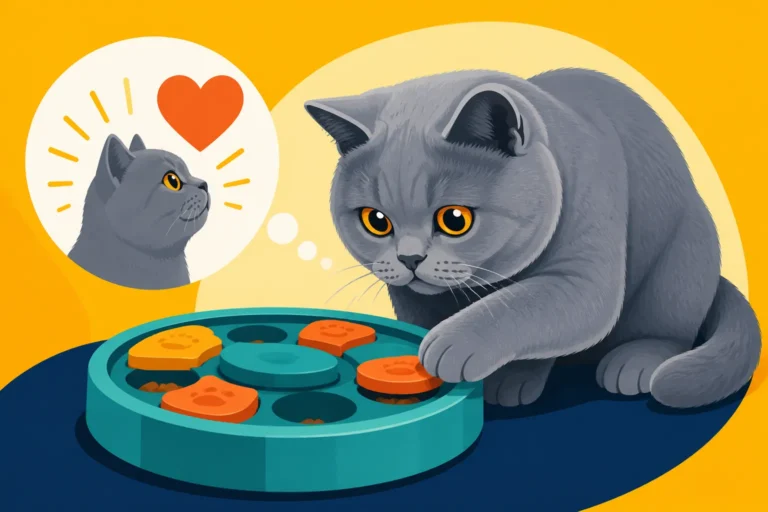
A predictable routine provides a sense of security for any cat, but especially one prone to anxiety. Consistent feeding times, play sessions, and cuddle moments help your British Shorthair anticipate what's next and reduces uncertainty. When you're away, make sure their environment is engaging. Puzzle feeders filled with their favorite treats can keep their minds active, encouraging them to "work" for their food rather than devouring it all at once. Interactive toys, like those found on Amazon, that dispense treats or mimic prey can provide mental and physical stimulation.
Consider vertical space, too. A sturdy cat tree or shelves provide safe perches from which they can observe their territory, which is especially important for Which Cat Tree a British Shorthair Uses given their solid build. Access to window perches allows them to watch the outside world, offering endless entertainment. Make sure fresh water is always available, perhaps from a cat fountain, as some British Shorthairs are notoriously poor drinkers. A calm, clean, and stimulating environment goes a long way in preventing anxiety and promoting overall well-being. Ensuring they have a dedicated, comfortable resting spot that's "theirs" can also provide immense comfort.
Managing and Reducing Anxiety in Your British Shorthair
If your British Shorthair is already showing signs of separation anxiety, don't despair! There are many strategies you can employ to help them feel more secure and comfortable when you're away. It requires patience, consistency, and sometimes a multi-faceted approach, but seeing your beloved cat relax and thrive is incredibly rewarding.
Enrichment and Engagement During Alone Time
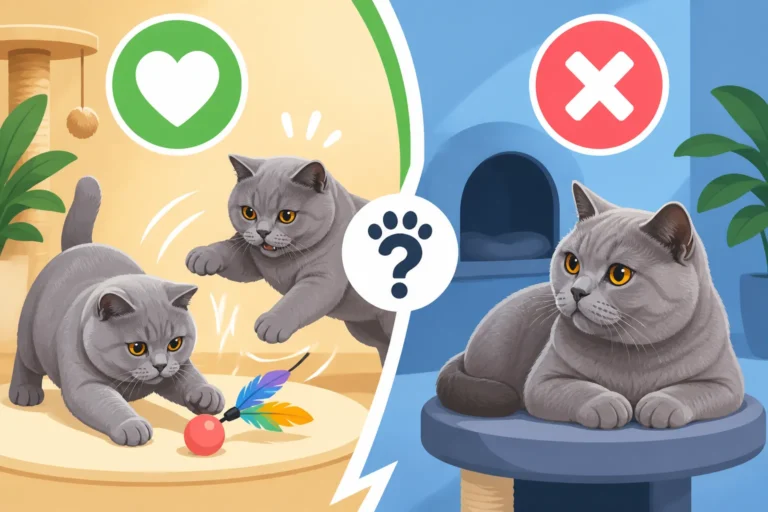
One of the most effective ways to combat separation anxiety is to make alone time less lonely and more engaging. Provide a variety of toys that can keep them occupied. Think beyond the simple ball of yarn; consider puzzle toys that dispense treats, automated laser pointers, or even catnip-filled mice. Rotating these toys regularly keeps things fresh and interesting, preventing boredom. You can easily find a great selection of these on platforms like Amazon. For a low-energy breed, stimulating them to move is important, so finding Which Toys a British Shorthair Will Actually Chase is key.
Creating an enriching environment also means offering sensory stimulation. Consider playing soft classical music or leaving the TV on a nature channel at a low volume. Some cats respond well to diffusers that release calming pheromones, which can create a more tranquil atmosphere. Ensure they have access to their favorite cozy sleeping spots and a clean litter box. The goal is to make their environment as comforting and stimulating as possible so that your absence feels less like a void and more like quiet time for relaxation and play. If your British Shorthair struggles with boredom, a dedicated play session before you leave can also help burn off some energy and settle them down.
Behavioral Modification and Counter-Conditioning
This approach focuses on changing your British Shorthair's emotional response to your departure. Start by desensitizing them to your pre-departure cues. These are the actions you take before leaving, like picking up your keys, putting on your shoes, or grabbing your bag. Instead of doing these only when you leave, perform them randomly throughout the day without actually going anywhere. This helps to break the association between these actions and your departure, lessening their anticipatory anxiety.
Next, implement counter-conditioning. Pair your departure cues with something positive. For example, give your cat a high-value treat or a favorite puzzle toy only when you're about to leave. This teaches them that your departure means good things are coming. Start with very short absences—just stepping out the door for a minute and returning—and gradually increase the duration as your cat shows comfort. Never punish your cat for anxiety-related behaviors; this will only worsen their stress. Instead, focus on positive reinforcement and patience. If your British Shorthair struggles with Signs a British Shorthair Is Lonely, you might also consider whether When a British Shorthair Needs a Companion is an option, although this needs careful consideration of personalities.
Considering Professional Help and Medical Options
If behavioral modification strategies aren't enough, or if your British Shorthair's anxiety is severe, it's always wise to consult with your veterinarian. They can rule out any underlying medical conditions that might be contributing to the behavior and offer guidance. In some cases, your vet might recommend working with a certified feline behaviorist. A behaviorist can observe your cat, assess their specific triggers, and develop a tailored plan that addresses their unique needs.
For very severe cases of separation anxiety, medication might be an option. This is usually considered a last resort and is often used in conjunction with behavioral therapy, not as a standalone solution. Anti-anxiety medications can help reduce the cat's overall stress levels, making them more receptive to learning new behaviors and coping mechanisms. Your vet is the best person to discuss whether medication is appropriate for your British Shorthair, what options are available, and what potential side effects might be.
Disclaimer
This article is for general informational purposes only and does not constitute professional advice. Laws, prices and regulations vary by location and change over time. Consult a qualified professional for guidance on your specific situation.