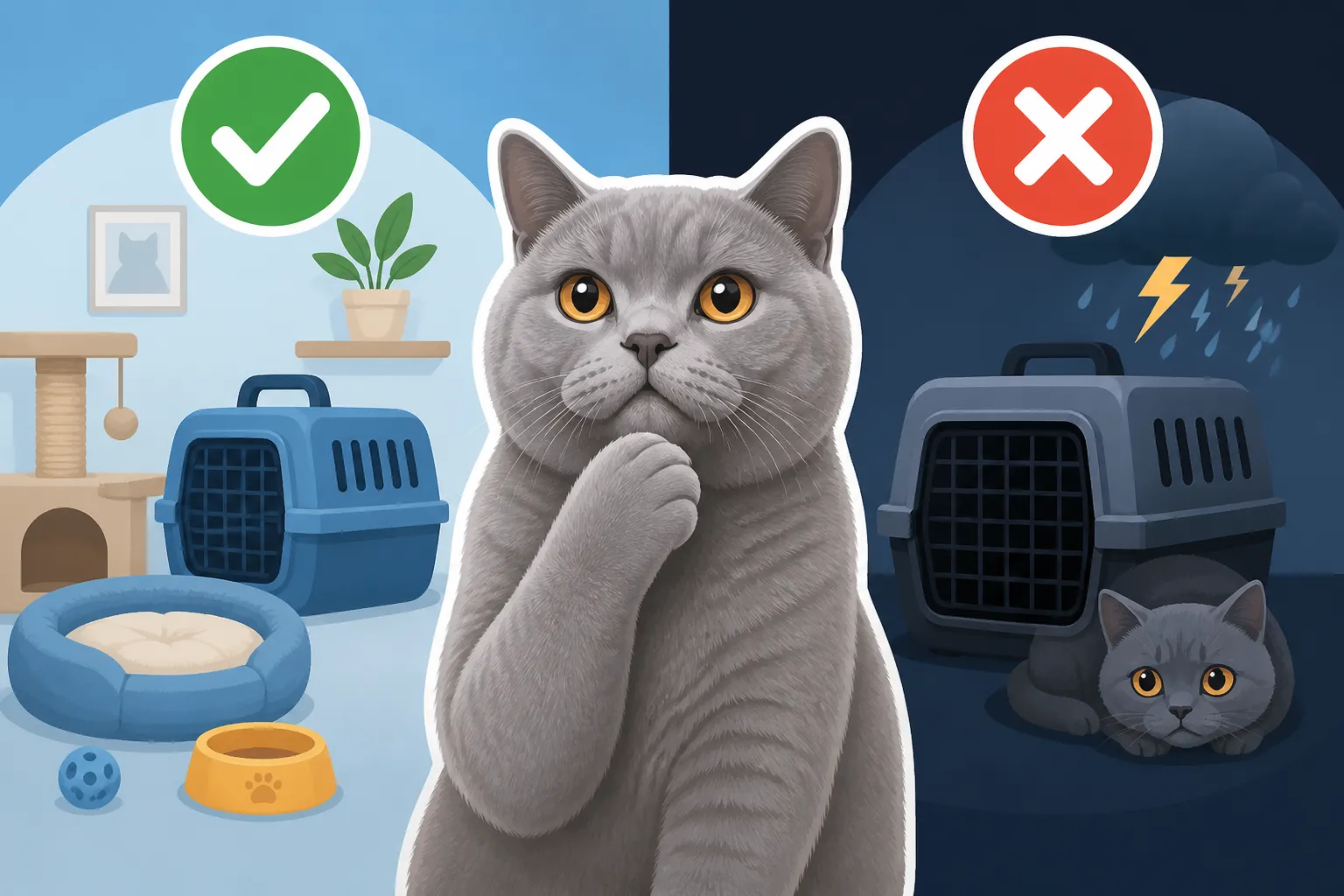
Whether Boarding Suits a British Shorthair
Leaving your beloved British Shorthair when you go away can be a source of real anxiety for any cat parent. You worry endlessly if they’ll be happy, if they’ll eat, or if they’ll just sit in a corner feeling lonely. It’s a common dilemma, especially with a breed known for its calm demeanor but also its deep attachment to routine. This guide aims to explore whether traditional boarding suits a British Shorthair and what alternatives might offer a better fit for their unique personality, helping you make an informed decision for your furry family member.
Understanding the British Shorthair Temperament
British Shorthairs are magnificent, calm, and generally laid-back cats, but their serene exterior often hides a deep sensitivity to changes in their environment and routine. They aren't typically the sort of cat that easily shrugs off a disruption, which means considering their unique temperament is absolutely crucial when planning for any time away. It’s not about them being difficult; it’s about respecting their intrinsic nature.
The British Shorthair's Independent Nature
While British Shorthairs love their human companions, they are often described as independently affectionate. They might not be the quintessential lap cat, preferring to sit near you rather than on you, observing the world from a comfortable distance. This independence often leads owners to believe they'll be perfectly fine alone, but it's a nuanced independence. They thrive on familiarity and a predictable environment. A change in scenery, even if it seems benign to us, can be quite unsettling. They appreciate a calm household where their routine is consistent and their quiet spaces are respected. You might find your British Shorthair is A British Shorthair Is Genuinely Fine on Its Own, but that doesn't mean they don't notice your absence or appreciate their normal surroundings.
This independent streak also means they aren't usually high-energy, demanding constant interaction. They are generally The Quietest Cat in the House, preferring quiet contemplation to boisterous play sessions, especially as they mature. This calmness can be a double-edged sword when considering boarding; on one hand, they might not outwardly express distress, but on the other, their stoicism can mask inner turmoil. They rely on their home environment as their safe haven, and removing them from it can strip away that sense of security, even if they appear outwardly composed.
Sensitivity to Change and New Environments
One of the most significant traits of the British Shorthair is their profound dislike for change. These are creatures of habit, content with their established daily rituals and familiar surroundings. Even a minor alteration, like moving furniture or introducing a new scent, can cause a subtle ripple of unease. Imagine being plucked from your comfortable home, with all its familiar smells, sounds, and sights, and placed into a strange room filled with unfamiliar noises and other animals. For a British Shorthair, this isn't just a temporary inconvenience; it can be a source of genuine stress. They may show this stress in subtle ways, such as reduced appetite, excessive grooming, or becoming more withdrawn.
This sensitivity makes traditional boarding a particularly tricky proposition for many British Shorthairs. They don't typically adapt quickly to new places. Their robust, cobby bodies might look resilient, but their emotional landscape can be quite fragile when faced with the unknown. They thrive on the security of their own territory, and a sudden relocation to an impersonal kennel, no matter how well-appointed, can lead to anxiety. This is why many owners wrestle with the decision of how to ensure their cat’s well-being while they're away. The idea that Why a British Shorthair Hates Change isn't just a quirky saying; it's a fundamental aspect of their care.
Social Needs and Affectionate Quirks
Despite their independent nature, British Shorthairs are deeply affectionate in their own reserved way. They form strong bonds with their human family members, often expressing their love through gentle head-butts, following you from room to room, or simply curling up on a nearby sofa. They are not typically lap cats, often preferring to be A British Shorthair Sits Near You, Not On You, but their presence is a constant, comforting one. This means that while they might not cry for attention the way some breeds do, they certainly notice and miss your presence.
Their social needs are more about companionship and stability than constant physical interaction. A British Shorthair values the quiet presence of their family. Being alone in a unfamiliar place, surrounded by other cats they don't know, can be overwhelming. They might become withdrawn, refusing to engage with caregivers or even eat their food. Their affectionate quirks, like that soft purr when you finally settle down next to them, are tied to the comfort and safety of their home and the people they trust. Understanding this unique balance of independence and subtle social needs is paramount in deciding if boarding is truly suitable.
What to Look for in a Boarding Facility
If, after careful consideration, you decide that boarding is the most practical option for your British Shorthair, then choosing the right facility becomes absolutely paramount. Not all boarding kennels are created equal, especially when it comes to accommodating a breed as particular as a British Shorthair. It’s not just about finding a place that takes cats; it's about finding one that understands and respects the specific needs of a British Shorthair.
Safety and Security Measures
The first priority for any boarding facility should always be the safety and security of your feline friend. For a British Shorthair, who might be prone to stress-related behaviors or, at worst, an escape attempt if truly panicked, this is even more critical. Look for facilities with robust security measures. Are the individual cat "condos" or rooms truly escape-proof? Are there double-door entry systems to prevent a dash if a cat gets past the primary door? Are windows and ventilation systems securely screened?
Beyond physical security, consider the health and hygiene protocols. A clean environment is essential to prevent the spread of illness. Ask about their vaccination requirements – reputable facilities will demand up-to-date vaccinations for all boarders, including rabies and FVRCP. Inquire about their cleaning schedule and the type of disinfectants they use. You want to ensure your British Shorthair isn't exposed to unnecessary health risks in an already stressful situation. Many pet insurance providers, like Healthy Paws, emphasize preventative care and may have stipulations about the safety of boarding facilities for coverage.
Individualized Care and Attention
Generic care simply won't cut it for a British Shorthair. These cats thrive on routine and personal connection, even if it’s just a quiet presence. A good boarding facility will offer individualized care, recognizing that each cat is an individual with unique needs. Ask about their staff-to-cat ratio. A higher ratio generally means more one-on-one attention for each boarder. How much dedicated time does each cat get for interaction, grooming, or quiet observation? Do they have staff who are genuinely knowledgeable about feline behavior, especially subtle signs of stress?
The best facilities will also respect your cat's dietary needs and medication schedules meticulously. If your British Shorthair is on a specific diet or needs medication, ensure the facility has a clear, proven protocol for administration. This level of personalized care can significantly reduce stress, as it mimics the consistency your cat experiences at home. If your British Shorthair has a sensitive stomach or is prone to Obesity Is the British Shorthair's Real Disease, maintaining their specific diet is non-negotiable.
Environmental Enrichment and Comfort
Since British Shorthairs are so sensitive to their environment, the physical setup of the boarding space is incredibly important. Look for facilities that offer spacious, comfortable accommodations, ideally with multiple levels for climbing and exploring. While your British Shorthair may not be a prolific climber, having options can provide a sense of control and security. How much a British Shorthair climbs might not be extensive, but vertical space is still good. Natural light is a huge plus, as is a quiet location away from barking dogs or other loud noises.
Consider the amenities: are there cozy beds, scratching posts, and toys? While your British Shorthair might not be the most playful cat, having familiar items or new, engaging distractions can help them feel more at home. Some facilities offer "catio" access or rooms with views of bird feeders, which can provide mental stimulation. A comfortable, clean, and stimulating environment goes a long way in making a British Shorthair's stay as stress-free as possible. The goal is to minimize the shock of unfamiliarity and maximize opportunities for quiet contentment, much like their preferred activities when you are home, as explored in What a British Shorthair Does All Day.
Preparing Your British Shorthair for Boarding
Even if you find the perfect boarding facility, preparation is key to ensuring your British Shorthair has the smoothest possible experience. These cats thrive on routine and predictability, so easing them into the idea of boarding, and making sure they have all their home comforts, can make a world of difference to their well-being. Don't underestimate the power of thoughtful planning.
Gradual Acclimation and Practice Stays
One of the best strategies for a British Shorthair, given their aversion to change, is a gradual introduction to the boarding environment. If possible, start with short "practice stays" before a longer trip. This might involve a few hours, then an overnight, and eventually a weekend. This allows your cat to get used to the sights, sounds, and smells of the facility while knowing you'll return. It also gives the staff a chance to learn your cat's personality and preferences. Think of it as a gentle easing-in period, reducing the sudden shock of a full, long separation.
For kittens or younger British Shorthairs, early socialization and exposure to different environments can also help them become more adaptable, though this breed will always lean towards preferring their home turf. Even for adult cats, a short visit to the facility just to explore before a practice stay can reduce anxiety. It's all about slowly desensitizing them to the newness, allowing them to build a sense of familiarity and trust with the new space and the people caring for them. This preparation is critical because How a British Shorthair Copes With Boarding can vary greatly depending on their individual temperament and preparation.
Essential Items to Pack for Comfort
When it comes to packing for your British Shorthair's boarding stay, familiarity is your greatest tool. Bring items from home that carry your scent and offer comfort. This should definitely include their own food and treats. Switching food suddenly can cause digestive upset, which is the last thing you want for an already stressed cat. If you use a specific brand, make sure to pack enough for the entire stay, perhaps ordered in advance from Chewy. Also, include their favorite bed or blanket, a t-shirt you've recently worn, and a familiar toy or two. These items provide tangible links to their home and help them feel more secure.
| Item Type | Why It's Important | Example Items |
|---|---|---|
| Food & Treats | Avoids digestive upset and maintains routine. | Their usual kibble, wet food pouches, favorite dental treats. |
| Comfort Items | Familiar scents and textures reduce anxiety. | Favorite blanket, unwashed t-shirt of yours, their regular bed. |
| Toys | Offers distraction, mental stimulation, and a sense of normalcy. | Preferred wand toy, crinkle balls, puzzle feeder. |
| Medication | Ensures continuity of necessary health care. | Clearly labeled prescriptions, supplements. |
| Vet Records | Quick access to health history in case of emergency. | Vaccination certificates, recent health check summary. |
Don't forget any medications your British Shorthair might be on, with clear instructions. Even if your cat is usually healthy, it's wise to have their vet records on hand for the facility, including proof of vaccinations. These small efforts to bring a piece of home with them can make a monumental difference in how well your British Shorthair settles in, making their temporary living space feel a little less alien and a lot more like their own.
Communicating with the Boarding Facility
Open and thorough communication with the boarding facility is absolutely non-negotiable. Before your cat's stay, provide them with a detailed rundown of your British Shorthair's routine, preferences, quirks, and any potential anxieties. Let them know what their typical day looks like, when they eat, how they prefer to be petted (or not), and what their favorite hiding spots are. Share their history, any past health issues, and even their body condition score, especially if they are on a weight management plan.
Discuss your cat's specific personality. For instance, if your British Shorthair tends to be reserved or takes a long time to warm up to strangers, make sure the staff is aware. Explain that they might be A British Shorthair Will Not Be Picked Up and prefer quiet, gentle interaction. Provide emergency contact information, your vet's details, and instructions for any unforeseen circumstances. The more information the staff has, the better equipped they will be to provide tailored, compassionate care that truly understands and respects your British Shorthair's unique needs. This upfront communication can ease anxieties for both you and your cat, knowing everyone is on the same page.
Alternatives to Traditional Boarding
Understanding that traditional boarding might not be the ideal solution for every British Shorthair, it’s worth exploring alternatives that can provide a more comfortable and less stressful experience. The goal is to keep your cat's routine as undisturbed as possible and allow them to remain in their familiar territory. These options often alleviate the stress that can accompany sudden environmental changes, which is particularly important for this breed.
In-Home Pet Sitters and Their Benefits
For many British Shorthair owners, an in-home pet sitter is often the gold standard solution. This option allows your cat to remain in the comfort and familiarity of their own home, surrounded by all their usual scents, sounds, and objects. A pet sitter visits your home, usually once or twice a day, to feed your cat, clean the litter box, and provide attention and playtime. This preserves their routine, which is incredibly beneficial for a breed like the British Shorthair who Why a British Shorthair Hates Change. They get to sleep in their own bed, eat from their own bowl, and maintain their established schedule.
Beyond routine, an in-home pet sitter provides individualized care. They can spend dedicated time with your British Shorthair, offering quiet companionship or gentle play, depending on your cat's preferences. They can administer medications, bring in mail, and even water plants, giving you peace of mind about your home too. You avoid the stress of transporting your cat to a new place, and your British Shorthair avoids the anxiety of a strange environment filled with unknown animals. For breeds that are generally A British Shorthair Is Genuinely Fine on Its Own, but still appreciate human presence, a pet sitter strikes a perfect balance. Many services allow you to find vetted, insured sitters, giving an extra layer of confidence.
Friends, Family, and Trusted Neighbors
Leveraging your personal network of friends, family, or trusted neighbors can be another excellent alternative to traditional boarding, especially if you have someone genuinely knowledgeable about cats. This option often provides a level of care and familiarity that even a professional sitter might not replicate, simply because of the existing bond or understanding. If a friend or family member already knows your British Shorthair, they'll be aware of their specific personality quirks, their preferred brand of kibble (perhaps a specific formula from Chewy), and how they respond to different interactions.
The key here is trust and reliability. Ensure the person you choose is truly committed to the task, understands the responsibility, and can commit to the agreed-upon schedule of visits. Provide them with detailed instructions, emergency contacts, and clear guidelines for any feeding or medication requirements. Offer to compensate them for their time or return the favor in the future. This informal arrangement can be incredibly comforting for a British Shorthair, as it minimizes disruption and provides care from a known, trusted individual, effectively keeping How a British Shorthair Handles a House Move from being a concern.
House Swaps and Other Creative Solutions
For longer trips, or if you have a reciprocal arrangement with another pet owner, a house swap can be a really creative and cost-effective solution. In this scenario, you stay at their pet-friendly home while they stay at yours, ensuring both sets of pets remain in their familiar environments. This takes meticulous planning and a high level of trust, but for a British Shorthair, it means staying at home with a new, temporary caregiver, which is often preferable to being relocated. It can be a genuine win-win, allowing both parties to enjoy their travels with less worry about their furry companions.
Other solutions might include taking your British Shorthair with you if your destination is truly cat-friendly and the journey isn't too stressful – though most British Shorthairs do not enjoy car travel. Another option, especially for a generally How a British Shorthair Copes With a Full Working Day type of cat, is to have a close friend or family member move into your home for the duration of your trip. This offers continuous human presence and maintains the most consistent routine possible, practically eliminating any environmental shock. Ultimately, the best choice will always be the one that provides the least stress and the most continuity for your beloved British Shorthair.
Disclaimer
This article is for general informational purposes only and does not constitute professional advice. Laws, prices and regulations vary by location and change over time. Consult a qualified professional for guidance on your specific situation.