What a British Shorthair’s Joint Supplement Costs
It’s a heart-wrenching moment when you notice your beloved British Shorthair, usually so calm and composed, hesitating before jumping onto their favorite chair, or perhaps moving a little stiffer than usual after a nap. Joint pain and stiffness can quietly creep up on our feline friends, especially as they age or if they carry a bit of extra weight. This guide is here to shed light on what a British Shorthair's joint supplement costs, helping you understand the financial commitment involved in supporting their mobility and comfort.
Understanding Why Your British Shorthair Might Need Joint Support
Many British Shorthair owners adore their cats for their placid, sedentary nature, but this very trait, combined with their sturdy build, can unfortunately predispose them to joint issues. It's not always obvious, which makes understanding the "why" and "when" crucial.
The British Shorthair's Predisposition to Joint Issues
British Shorthairs are known for their "cobby" build – a broad chest, strong, short legs, and a generally stocky frame. While this gives them their iconic teddy bear look, it also means they carry a significant amount of weight on those relatively short limbs. Think about the cumulative impact of that mass on their joints over a lifetime. Couple that with their famously laid-back personality – many would rather lounge than leap – and you have a recipe for potential joint stiffness and discomfort, especially as they get older. It's not uncommon for them to develop conditions like Arthritis in an Older British Shorthair just from the wear and tear associated with their body type and natural inactivity. Maintaining a healthy weight is absolutely paramount for these cats, as What Obesity Does to a British Shorthair's Joints can significantly exacerbate any underlying joint problems.
Recognizing the Subtle Signs of Joint Discomfort
One of the biggest challenges with cats, and British Shorthairs are no exception, is their incredible ability to hide pain. They are masters of stoicism, often suffering in silence for a long time before showing overt signs of discomfort. You might not see them limping dramatically. Instead, look for subtle shifts in behavior: a reluctance to jump to favorite perches, perhaps needing a stepping stool where they never did before. Maybe they're not grooming themselves as meticulously on their back or hips, or they might be sleeping more than usual. Sometimes, even a slight change in their litter box habits, like struggling to get in or out, can be a sign. Any noticeable change in their gait, even if it's just a slight stiffness after getting up, warrants attention. If you're observing any of these, it's a good idea to consider that your British Shorthair might be unwell, and joint pain could be a contributing factor.
When a Veterinarian Might Recommend a Supplement
The decision to start a joint supplement should ideally come from a conversation with your veterinarian. They can perform a thorough physical examination, assess your cat's mobility, and potentially recommend diagnostics like X-rays to get a clearer picture of their joint health. For example, if your British Shorthair is starting to show signs of stiffness or has been diagnosed with early arthritis, your vet might suggest a supplement as a proactive measure. They’ll consider your cat's age – The Age a British Shorthair Is Considered Senior is when these conversations often become more frequent – weight, and overall health profile. Don't just guess or self-diagnose; getting a professional opinion ensures you're addressing the right issue with the right approach.
Breaking Down the Types of Joint Supplements and Their Cost Factors
Once you've decided with your vet that a joint supplement is a good idea, you'll quickly realize there's a dizzying array of options out there. Understanding what makes them different, and how that impacts the price, is key.
Common Ingredients and Their Price Impact
Most joint supplements for cats feature a core set of ingredients, each playing a role in supporting joint health.
- Glucosamine: This is a natural compound found in cartilage, often used to help rebuild and repair cartilage, as well as reduce inflammation.
- Chondroitin Sulfate: Another natural component of cartilage, chondroitin works synergistically with glucosamine to help maintain cartilage elasticity and block destructive enzymes.
- MSM (Methylsulfonylmethane): An organic sulfur compound, MSM is often included for its anti-inflammatory and pain-relieving properties.
- Omega-3 Fatty Acids: Often sourced from fish oil, these are powerful anti-inflammatories that can help reduce joint pain and stiffness. Some supplements combine these, while others focus on one or two. The quality and concentration of these ingredients, along with their sourcing (e.g., wild-caught fish oil vs. farm-raised), can significantly affect the cost. Higher concentrations or more bioavailable forms often come with a higher price tag.
Format and Brand Differences
Joint supplements come in various forms, each with its own cost implications and ease of administration.
- Chews/Treats: These are often the most palatable for cats, as they resemble treats, making it easier to get your British Shorthair to take them. However, they can sometimes be more expensive per dose due to the added palatability ingredients and processing. Brands often differentiate themselves through taste and texture to appeal to picky eaters. Many popular brands offer these through pet retailers like Chewy.
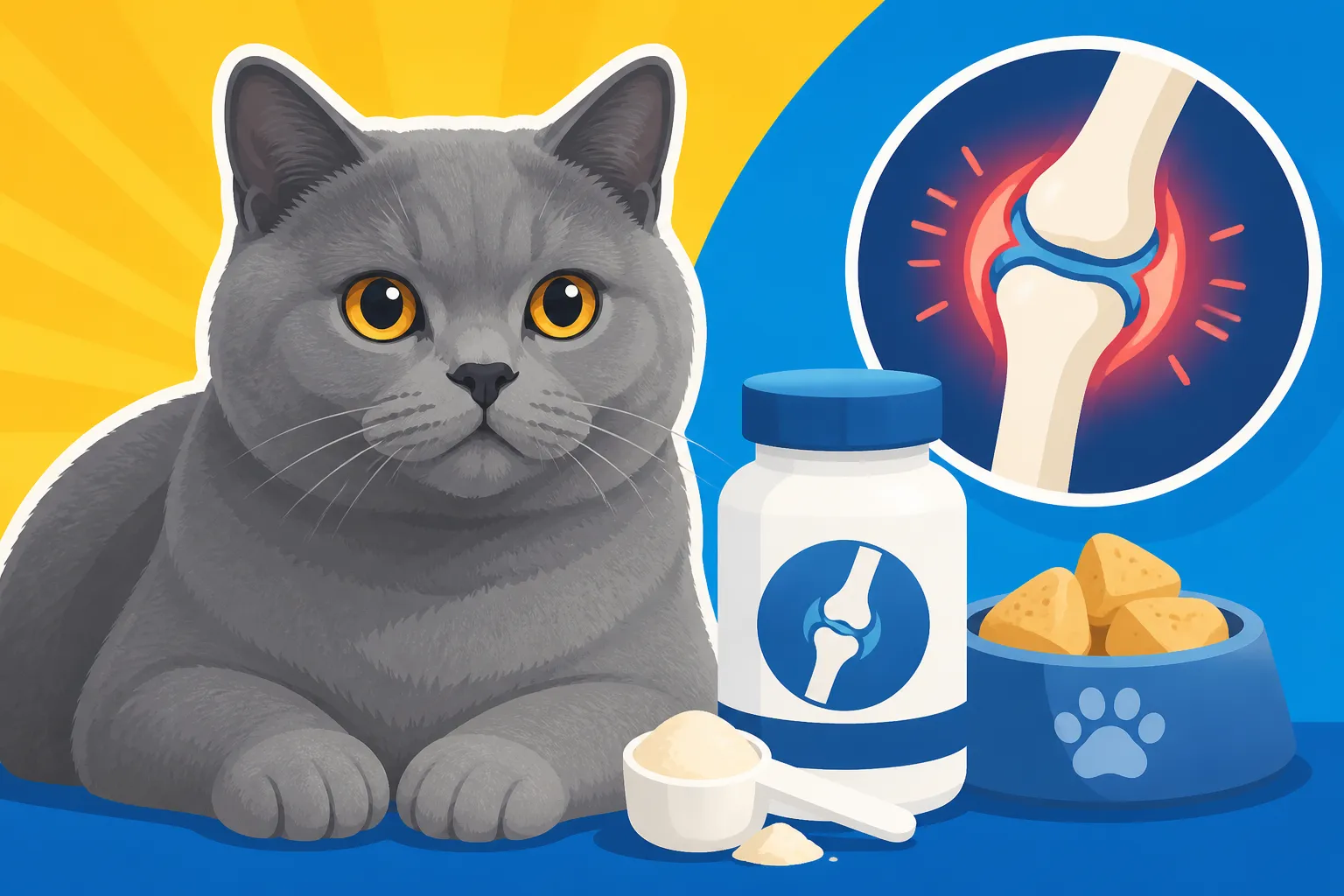
- Powders: These can be sprinkled over wet food, offering a flexible dosing option. Powders tend to be more cost-effective per dose than chews, but some cats might be sensitive to the taste or texture, refusing their food.
- Liquids: Similar to powders, liquids can be mixed into food or given directly via a syringe. They offer precise dosing and can be very effective, but again, palatability can be an issue for some cats.
Reputable brands often invest more in research, quality control, and ensuring the active ingredients are truly present at the stated levels. This commitment to quality and efficacy often translates to a higher price point compared to generic or lesser-known brands. Don't forget that if your British Shorthair is on a special diet, you'll need to ensure any supplement won't interfere with their tailored nutrition.
The Spectrum of Quality and Efficacy
When it comes to joint supplements, the saying "you get what you pay for" often rings true. Very cheap supplements might have lower concentrations of active ingredients, use less bioavailable forms, or lack stringent quality control. This can lead to them being less effective, meaning you're spending money without seeing the desired results for your British Shorthair.
On the other hand, premium supplements, while costing more upfront, might offer:
- Higher Potency: More active ingredients per dose.
- Better Absorption: Ingredients formulated for maximum uptake by the body.
- Additional Beneficial Ingredients: Beyond the basics, some include things like hyaluronic acid or herbal extracts.
- Third-Party Testing: Independent verification of ingredient purity and concentration.
The cost difference can be substantial. A lower-end supplement might be under the equivalent of a dollar a day, while a premium option could be several dollars daily. It's worth discussing with your vet if a specific brand or ingredient profile is likely to be more beneficial for your cat's specific needs, even if it means a higher monthly outlay.
The Real Cost of Consistency: Monthly and Yearly Outlays
Joint supplements aren't a one-time purchase; they're an ongoing commitment to your British Shorthair's comfort and mobility. Understanding the long-term financial picture is crucial.
Calculating Your Monthly Supplement Budget
The monthly cost of a joint supplement for your British Shorthair will depend on several factors:
- Type of Supplement: As discussed, chews, powders, and liquids have different price points.
- Brand and Quality: Premium brands with higher quality ingredients will naturally cost more.
- Dosage: Larger cats, or those with more severe joint issues, might require a higher initial "loading dose" or a consistent higher maintenance dose, meaning you go through the product faster. A typical British Shorthair might weigh anywhere from What a British Shorthair Should Weigh at One Year to How Much a Male British Shorthair Should Weigh or How Much a Female British Shorthair Should Weigh, so their dose will be tailored to their size.
- Retailer: Prices can vary between online retailers (like Chewy, which often offers subscription discounts) and your local veterinary clinic.
On average, you might expect to spend anywhere from the equivalent of $20 to $60 or more per month on a quality joint supplement for your British Shorthair. It's helpful to break it down by the daily cost to truly understand the commitment.
Long-Term Financial Planning for Joint Health
When you factor in years of supplementation, the costs really add up. If you're spending, say, $40 a month, that's $480 a year. Over five years, that's $2,400. This is why budgeting is so important. This isn't just about the initial purchase, but about a sustained effort to keep your British Shorthair comfortable. These costs become part of What an Aging British Shorthair's Bills Look Like, alongside other senior care expenses. It’s also important to remember that keeping their weight in check from a young age can prevent some of these issues later on, which is something to consider when you're looking at things like How Much a British Shorthair Should Actually Eat.
When Professional Vet Care and Insurance Come Into Play
Supplements are often just one part of a comprehensive approach to managing joint health. Regular veterinary check-ups are essential to monitor progress and adjust treatment plans. These visits, along with potential diagnostic tests, add to the overall cost. For example, your vet might recommend a yearly weigh-in to ensure your British Shorthair's weight is optimal, which is a small but important part of long-term joint care.
This is where pet insurance can be a huge help. Policies from providers like Healthy Paws can assist with covering a portion of veterinary costs for diagnostics, medications, and sometimes even prescribed therapeutic diets related to joint issues. It's important to read the fine print of any insurance policy to understand what is covered, especially concerning pre-existing conditions or ongoing chronic care. While supplements themselves might not always be covered, the underlying condition leading to their recommendation often is, making the overall financial burden more manageable.
Making an Informed Decision for Your British Shorthair's Joints
Choosing the right joint supplement for your British Shorthair can feel overwhelming, but a thoughtful approach will ensure you're doing the best for your furry friend without breaking the bank unnecessarily.
Consulting Your Veterinarian First
I cannot stress this enough: always start with your veterinarian. They are your best resource for tailored advice. Don't fall into the trap of self-diagnosing or relying solely on anecdotal evidence from other cat owners. Your vet can accurately assess your British Shorthair's specific needs, rule out other underlying health conditions, and recommend a supplement that is safe and appropriate. They can also advise on the correct dosage and potential interactions with any other medications your cat might be taking. This professional guidance is invaluable in protecting your cat's health and ensuring you don't waste money on ineffective products.
Reading Labels and Researching Brands
Once you have a veterinary recommendation, take the time to research the specific ingredients and brands. Look for transparency from manufacturers regarding their sourcing, manufacturing processes, and quality control. Are the active ingredients clearly listed with their concentrations? Are there any third-party certifications or seals of approval? Customer reviews can offer insights into palatability and ease of use, but remember that individual results vary. Some brands will focus heavily on certain aspects, like sustainability or specific dietary considerations, while others will prioritize sheer potency. Always cross-reference what you read with trusted veterinary resources.
Balancing Cost with Your Cat's Well-being
It's natural to be mindful of costs, but when it comes to your British Shorthair's health, it’s about finding the right balance between affordability and efficacy. The cheapest option isn't always the best if it doesn't provide the relief or support your cat needs, leading to wasted money and continued discomfort for your pet. Conversely, the most expensive supplement isn't automatically superior.
Consider the long-term value. An investment in a good quality supplement now could potentially reduce the need for more expensive interventions down the line. Think of it as investing in their quality of life, allowing your British Shorthair to enjoy their golden years with greater comfort and mobility. Just like a proper diet contributes to overall health, so too does targeted joint support. It's a key part of ensuring Caring for an Old British Shorthair is as comfortable and fulfilling as possible for both of you.
In the end, the cost of a British Shorthair's joint supplement is an ongoing investment in their well-being. By being informed, working closely with your vet, and choosing wisely, you can help your cherished companion maintain their characteristic calm demeanor with comfortable, happy joints for years to come.
Disclaimer
This article is for general informational purposes only and does not constitute professional advice. Laws, prices and regulations vary by location and change over time. Consult a qualified professional for guidance on your specific situation.