What an Overweight British Shorthair Costs at the Vet
It's heartbreaking to see your beloved British Shorthair struggling with weight, but even more so to realize the toll it takes not just on their health, but on your wallet. Many British Shorthair owners face the frustration of their seemingly placid cat steadily gaining pounds, often leading to a cascade of expensive veterinary visits and treatments. This comprehensive guide will walk you through the various costs associated with an overweight British Shorthair, from initial dietary changes to managing serious obesity-related health conditions.
The Weighty Truth: Why British Shorthairs Get Overweight and the Initial Vet Steps
The round, plush appearance of a British Shorthair is part of their undeniable charm, but it also makes it incredibly easy for them to become overweight without you even realizing it. Their naturally cobby build and dense coat can cleverly camouflage those extra pounds, making it a challenge to spot the issue until it's already a problem. This breed simply isn't known for its athletic prowess, preferring cozy naps to rigorous play, which further compounds the weight gain dilemma.
The Sedentary Lifestyle and Plush Coat Conundrum
British Shorthairs are, by nature, quite calm and laid-back. They often enjoy quiet companionship over boisterous games, and their energy levels tend to be lower than many other breeds. This inherent tranquility, combined with their love for food and often insatiable appetites, creates a perfect storm for weight gain. You might think your cat is just enjoying their well-deserved rest, but those long hours of napping can quickly add up to excess weight if their caloric intake isn't strictly managed. It's a common lament among British Shorthair owners: "My cat just loves to eat and sleep!"
Compounding this issue is their magnificent, dense coat. It's a beautiful feature, but it also makes it notoriously difficult to assess their body condition accurately by sight alone. What might look like a healthy, well-padded cat could, in reality, be a British Shorthair carrying a significant amount of extra fat. This can lead to a delay in recognizing the problem, giving the weight more time to accumulate and potentially cause underlying health issues to develop. Learning to accurately How to Tell a Chunky British Shorthair From a Fat One is crucial for early intervention.
When a British Shorthair carries too much weight, it's not just about aesthetics; it puts immense strain on their entire system. Their hearts have to work harder, their joints bear more pressure, and their internal organs are often surrounded by fat, impairing their function. This silent accumulation of fat can lead to inflammation and metabolic changes that pave the way for a host of health problems, which we'll explore in more detail later. The initial cost might just be a vet visit, but the hidden costs can truly stack up.
First Consult: Assessing the Chub and Crafting a Plan
Recognizing your British Shorthair is overweight is the first crucial step, and often, it begins with a visit to your veterinarian. This initial consultation is where the reality check happens. The vet will conduct a thorough physical examination, palpating your cat's ribs, spine, and waistline to perform a body condition score (BCS). This isn't just about stepping on a scale; it's about a qualitative assessment that considers fat distribution and muscle mass, which is particularly important for a naturally cobby breed like the British Shorthair.
During this visit, your vet will discuss your cat's current diet, eating habits, activity levels, and any changes you've observed. They might ask detailed questions about the type of food, portion sizes, treat frequency, and even how many meals your cat receives daily. This information is vital for them to understand the root cause of the weight gain and formulate an effective weight loss strategy. This initial visit alone will incur a consultation fee, which can vary depending on your location and the clinic.
Following the examination, the vet will outline a personalized weight management plan. This typically involves specific dietary recommendations, often suggesting a reduction in calories and an increase in fiber. They might also recommend ways to increase your British Shorthair's activity levels, even if it's just gentle, short play sessions. This plan isn't a one-and-done solution; it often requires follow-up visits to monitor progress, adjust diet, and ensure your cat is losing weight safely and effectively. Each of these follow-up appointments will add to the overall cost, but they are essential for success and for preventing rapid, unhealthy weight loss, which can be dangerous for cats.
Diet Management: The Long-Term Investment in a Healthier Waistline
Once your veterinarian has confirmed your British Shorthair is overweight and a plan is in place, the focus shifts heavily to diet management. This isn't just a temporary fix; it's a long-term commitment that requires consistency and often a financial investment in specialized foods and ongoing professional guidance. Many owners find this aspect challenging, as their British Shorthairs can be quite persistent in their demands for food!
The Commitment to Prescription Weight Loss Formulas
One of the most common and effective tools in a British Shorthair's weight loss journey is a prescription weight loss diet. These aren't just "light" versions of regular cat food you find at the grocery store. Prescription diets are scientifically formulated with specific nutrient profiles to help cats lose weight safely while still feeling full and receiving all the necessary vitamins and minerals. They typically have lower calorie counts, higher fiber content to promote satiety, and carefully balanced protein levels to help maintain muscle mass during weight loss.
Your veterinarian will recommend a specific brand and type of prescription food, often from companies like Royal Canin, Hill's, or Purina. The cost of these specialized diets is generally higher than standard over-the-counter foods, and this is an ongoing expense that you'll need to factor into your budget for several months, or even longer, depending on how much weight your British Shorthair needs to lose. A single bag or case of wet food can run significantly higher than conventional options, and given the large appetite of some British Shorthairs, you might go through it quite quickly. Shopping for these specialized diets can often be done conveniently through online retailers like Chewy, which offers home delivery.
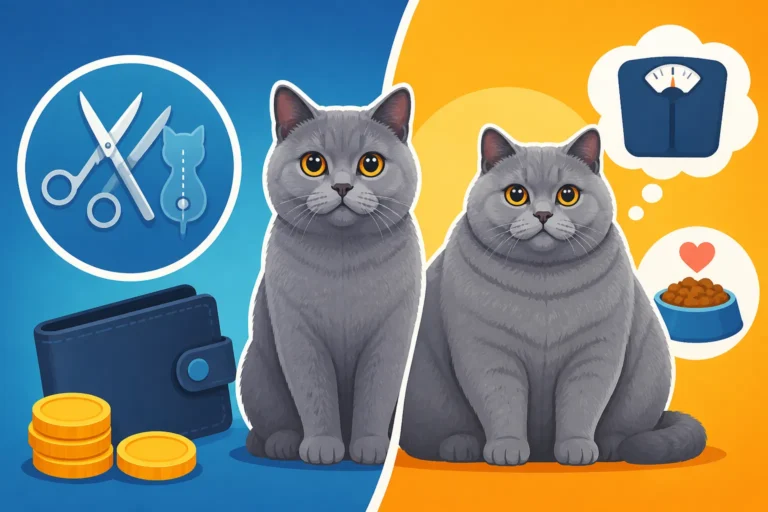
It’s crucial to stick to the vet-recommended food and portion sizes precisely. Giving in to those adorable, pleading eyes with extra treats or sneaking in some of their old food will sabotage the weight loss efforts and ultimately cost you more in the long run, both in food expenses and potential health complications. Portion Control Is the Whole Job With a British Shorthair, and it truly is the cornerstone of success.
Ongoing Nutritional Support and Professional Guidance
Successfully managing a British Shorthair's weight isn't usually a solo mission. Ongoing nutritional counseling and regular weigh-ins with your vet or vet tech are incredibly valuable. These check-ins allow the veterinary team to monitor your cat's progress, celebrate successes, and troubleshoot any challenges you might be facing. Perhaps your cat isn't losing weight as expected, or maybe they're showing signs of hunger or discomfort on the new diet. These are all things that can be addressed during these follow-up visits.
Each follow-up appointment, even if it's just a quick weigh-in with a technician, will likely incur a small fee. While individually these might seem minor, over several months, they add up. However, this investment is well worth it. Professional guidance helps ensure your British Shorthair is losing weight at a healthy pace (typically 0.5% to 2% of body weight per week) and that their overall health isn't being compromised. Losing weight too quickly, for instance, can lead to serious health issues like hepatic lipidosis, a dangerous liver condition.
Your vet might also provide guidance on enriching your cat's environment to encourage more activity or suggest alternative, low-calorie treats to satisfy their cravings without derailing the diet. They can also help you understand how to transition your cat back to a maintenance diet once their ideal weight is reached, which is a delicate balance in itself. The financial commitment to these follow-up consultations is a direct investment in your cat's long-term health and preventing more severe, and costly, conditions down the line. It's about ensuring that the weight loss journey is safe, effective, and sustainable for your British Shorthair.
Navigating the Health Fallout: Medical Conditions Linked to Obesity
The most significant and often most expensive costs associated with an overweight British Shorthair stem from the myriad of health conditions that can develop or be exacerbated by excess weight. These aren't just minor inconveniences; they can be serious, chronic illnesses requiring extensive veterinary care, specialized medications, and potentially emergency interventions. The long-term costs here truly dwarf the initial expenses of diet food or vet visits.
Aching Joints and the Onset of Arthritis
One of the most immediate and painful consequences of obesity in British Shorthairs is the strain it places on their joints. Their already cobby, sturdy build is designed to carry a certain weight, but when that weight is exceeded, the cartilage in their joints begins to wear down faster. This can lead to or worsen conditions like arthritis, causing chronic pain, reduced mobility, and a reluctance to move even more. You might notice your British Shorthair struggling to jump onto their favorite perch, or showing stiffness when they stand up after a nap.
Diagnosing arthritis often involves veterinary examinations, and sometimes, X-rays to assess the severity of joint damage. These diagnostic procedures can involve costs for sedation, imaging, and interpretation by a radiologist. Once diagnosed, managing arthritis is usually a lifelong commitment. Treatment often includes pain medications, anti-inflammatory drugs, and joint supplements. The cost of these medications can be substantial and ongoing, with some specific feline pain relievers being quite expensive.
Beyond medication, some British Shorthairs might benefit from physical therapy, acupuncture, or even therapeutic laser treatments to alleviate pain and improve mobility. These specialized treatments add another layer of expense. Investing in joint-friendly ramps or steps to help them access elevated areas can also be beneficial, but again, represents an added cost. The continuous management of Arthritis in an Older British Shorthair due to obesity can easily run into hundreds of dollars annually, potentially for many years.
The Complexities and Costs of Feline Diabetes
Obesity is a major risk factor for the development of Type 2 diabetes mellitus in cats, much like it is in humans. When a British Shorthair carries excessive weight, their body's cells can become resistant to insulin, leading to high blood sugar levels. If left unmanaged, diabetes can lead to severe health complications, including nerve damage, kidney problems, and even life-threatening conditions.
Diagnosing feline diabetes requires several veterinary tests, including blood glucose curves, fructosamine levels, and urinalysis, which all come with their own laboratory fees. Once diagnosed, managing Diabetes in a British Shorthair is a significant undertaking. Most diabetic cats require daily insulin injections, which means you'll need to purchase insulin vials or pens, as well as a steady supply of tiny needles (syringes). The cost of insulin alone can be a recurring and substantial expense.
Beyond insulin, you'll need to monitor your cat's blood glucose levels at home, which involves purchasing a glucometer, test strips, and lancets. These supplies, while essential, add to the ongoing costs. Regular vet visits for bloodwork and adjustments to insulin dosages are also critical, and each visit incurs a consultation fee and lab charges. In severe cases or during diabetic crises, emergency hospitalization might be necessary, and these situations can escalate into bills ranging from hundreds to thousands in a very short time. The financial and emotional toll of managing diabetes is immense, highlighting just how critical weight management is.
Other Internal Woes: Liver and Urinary Tract Issues
The impact of obesity extends beyond joints and blood sugar. A British Shorthair carrying too much fat is also at a significantly higher risk for other internal organ problems. One of the most serious is hepatic lipidosis, or fatty liver disease. This condition can develop rapidly if an overweight cat suddenly stops eating (perhaps due to stress, illness, or a crash diet), causing the liver to be overwhelmed by fat. It's a life-threatening condition that requires immediate and intensive veterinary care.
Diagnosing hepatic lipidosis involves blood tests, ultrasounds of the liver, and sometimes a liver biopsy, all of which are costly procedures. Treatment typically requires hospitalization, intravenous fluids, anti-nausea medications, and nutritional support, often through a feeding tube if the cat refuses to eat. These hospital stays can last for days or even weeks, racking up bills that easily climb into the thousands. This demonstrates What Obesity Does to a British Shorthair's Liver in a very concrete way.
Overweight male British Shorthairs are also more prone to urinary tract issues, including bladder stones and blockages. The reduced mobility associated with obesity can mean they don't posture as well for urination, leading to urine retention or incomplete voiding, which can predispose them to crystal and stone formation. A urinary blockage is a life-threatening emergency, requiring immediate veterinary intervention, often involving catheterization, hospitalization, and surgical removal of stones in severe cases. These emergency procedures are incredibly expensive, emphasizing the preventative value of maintaining a healthy weight.
Proactive Care: Investing in Prevention and Long-Term Well-being
While dealing with obesity-related health issues can be incredibly costly, investing in proactive and preventative care for your British Shorthair is a far more economical and humane approach. It's about fostering a lifestyle that supports a healthy weight from the outset or working diligently to achieve it before serious complications arise. This involves not just diet, but also encouraging movement and consistent health monitoring.
Engaging the Reluctant Athlete: Enrichment and Exercise Costs
British Shorthairs are not naturally inclined to be athletes, and convincing them to move can be a challenge. However, regular, gentle exercise is crucial for weight management and overall health. This means you, as the owner, need to be actively involved in encouraging play, which might involve purchasing a variety of toys to discover what sparks their interest. Laser pointers, feather wands, and small, crinkly balls are often good starting points. While individual toys might not be hugely expensive, the cumulative cost of trying different things and replacing worn-out items adds up.
For British Shorthairs who enjoy vertical spaces, investing in sturdy cat trees is important, especially since they can be quite heavy. A good quality, stable cat tree that can withstand their weight and encourage climbing and stretching can be a significant upfront cost, but it provides valuable enrichment and exercise opportunities. Puzzle feeders are another excellent investment, as they make your cat "work" for their food, slowing down meal times and providing mental stimulation. These range from simple dispensing balls to more complex interactive feeders.
Beyond physical items, dedicating time each day to active play sessions is perhaps the most valuable, albeit "unpaid," cost. Even 10-15 minutes, twice a day, can make a difference. These regular interactions not only help burn calories but also strengthen your bond with your British Shorthair and keep their minds sharp. Think of it as an investment in their long-term health and your shared enjoyment. Regularly weighing your British Shorthair at home can also help you track progress and adjust their activity levels and diet as needed.
The Unseen Value of Regular Health Monitoring
Routine health check-ups are always important for any pet, but they become even more critical for a British Shorthair that is overweight or on a weight loss journey. These regular veterinary visits allow your vet to catch subtle changes in health before they escalate into serious, expensive problems. Early detection of conditions like diabetes, kidney disease, or developing joint issues can dramatically improve prognosis and reduce the cost of treatment in the long run.
Annual wellness exams typically involve a physical examination, discussions about diet and lifestyle, and often include routine bloodwork and urinalysis. What a British Shorthair's Yearly Bloodwork Should Cover includes screening for common issues such as kidney function, liver enzymes, and thyroid levels, which can be affected by obesity or mimic its symptoms. These proactive tests can identify underlying issues that contribute to weight gain or are consequences of it, such as an underactive thyroid (though rare in cats, hyperthyroidism is more common in older cats).
While each annual exam and round of bloodwork incurs a fee, these costs are generally far less than treating an advanced, neglected condition. For an overweight British Shorthair, your vet might recommend more frequent weigh-ins or even semi-annual check-ups, especially during an active weight loss phase. Think of these as preventative maintenance for your furry friend. They are an investment in keeping your British Shorthair healthy and happy, ultimately saving you from the emotional and financial burden of severe illness.
When Things Go Wrong: Emergency and Surgical Costs
Even with the best preventative care and diligent weight management, sometimes things take a turn for the worse. When an overweight British Shorthair requires emergency care or surgery, the costs can skyrocket due to inherent complications linked to their excess weight. This is a stark reminder of the potential financial burden that obesity can place on pet owners.
Anesthesia Risks and Their Impact on Surgical Bills
Should your British Shorthair ever need surgery, even for a routine procedure like a dental cleaning, their overweight status significantly increases the risks and, consequently, the costs associated with anesthesia. Fat tissue is not as vascular as muscle, which can affect how anesthetic drugs are distributed and metabolized in the body. Overweight cats often require more careful dosing and longer recovery times from anesthesia.
Furthermore, excess abdominal fat can put pressure on the diaphragm, making it harder for the cat to breathe during surgery and recover smoothly afterward. This means that an overweight British Shorthair undergoing anesthesia often requires more intensive monitoring, including advanced blood pressure, oxygen saturation, and electrocardiogram (ECG) monitoring. Specialized equipment and more dedicated veterinary staff are often necessary to ensure their safety. This extra level of care translates directly into higher surgical fees, as the clinic must allocate more resources and expertise to mitigate the increased risks. Whether a British Shorthair Tolerates Anesthesia is a critical question for any procedure, and obesity can complicate the answer.
Even for planned procedures, the pre-surgical workup might be more extensive for an overweight cat, including more comprehensive blood panels or chest X-rays to assess heart and lung function. All these additional measures, while vital for your cat's safety, contribute to a higher overall bill compared to a healthy-weight cat undergoing the same procedure. It’s an unfortunate reality that being overweight makes any medical intervention more complex and costly.
Tackling Acute Crises: The High Price of Urgent Care
Acute medical crises can strike any cat, but an overweight British Shorthair is often at higher risk for certain emergencies, and their recovery can be more challenging and expensive. For example, if an overweight cat develops sudden respiratory distress, possibly due to undiagnosed heart disease or fluid accumulation in the lungs (a common complication of advanced heart failure), emergency hospitalization is immediately required. Their ability to breathe is already compromised by extra weight, making such situations extremely critical.
Emergency veterinary visits, particularly outside of regular clinic hours, command premium fees. Diagnosis in an emergency setting often involves quick-turnaround blood tests, X-rays, and possibly ultrasound scans to identify the problem. Treatment for acute crises can include oxygen therapy, intravenous fluids, strong medications, and continuous overnight monitoring. These services, performed under urgent circumstances, quickly accumulate substantial costs, often reaching into the thousands of dollars within just a day or two. Signs a British Shorthair Is Breathing Hard should prompt immediate veterinary attention, especially for an overweight cat.
Other emergencies, such as a severe diabetic crisis (ketoacidosis) or an acute exacerbation of joint pain rendering them immobile, will also require intensive and costly care. The longer an overweight cat is hospitalized, the higher the daily costs for room and board, medications, diagnostics, and nursing care. These are the bills that can shock owners and illustrate the ultimate financial consequence of allowing a British Shorthair to become or remain significantly overweight.
Softening the Financial Blow: The Role of Pet Insurance
Considering the potentially astronomical costs associated with an overweight British Shorthair's health issues, pet insurance can seem like a beacon of hope. However, it's crucial to understand how it works, especially concerning weight-related conditions, to avoid disappointment and ensure you're truly getting value for your money. It's not a magic bullet, but it can be a significant financial buffer.
Deciphering Policies: What Pet Insurance Covers (and Doesn't)
Pet insurance plans are designed to help cover unexpected veterinary expenses, which can be a godsend when a major illness or accident strikes. For an overweight British Shorthair, this could mean help with bills for diabetes management, arthritis medication, or emergency treatments for conditions like hepatic lipidosis. The key phrase, however, is "unexpected." Most pet insurance policies have strict rules about pre-existing conditions.
This means if your British Shorthair is already diagnosed as overweight or with an obesity-related condition (like diabetes or arthritis) before you enroll them in a policy or before the waiting period for that condition expires, the insurance company will likely consider it a pre-existing condition and will not cover treatment costs for it. This is why it's always advised to get pet insurance when your cat is young and healthy, ideally before any weight issues or related ailments manifest. Companies like Healthy Paws offer comprehensive plans, but even they adhere to the pre-existing condition clause.
It's also important to read the fine print regarding wellness and preventative care. Many standard accident and illness policies do not cover routine exams, weight management food, or supplements, as these are considered part of routine care or dietary expenses, not treatment for an illness. Some providers offer optional "wellness packages" for an extra premium that might cover some of these preventative costs, but it's essential to compare what's included versus the added cost. Understanding these limitations upfront will prevent frustrating surprises later.
Making an Informed Choice: Selecting the Right Coverage
Choosing the right pet insurance for your British Shorthair requires careful research and comparison. You'll need to consider several factors, including the monthly premium, the deductible (how much you pay out of pocket before coverage kicks in), the reimbursement percentage (what percentage of the bill the insurance pays), and any annual limits on payouts. For a breed prone to weight gain and associated issues, opting for a plan with higher reimbursement and lower deductibles might be more appealing, even if the monthly premium is a bit higher.
When comparing plans, look closely at how they categorize and treat chronic conditions. An overweight British Shorthair, even if they lose weight, might still be at a higher risk for conditions like diabetes or arthritis throughout their life. A good policy will offer robust coverage for chronic conditions, continuing to pay out year after year, up to the annual limit, as long as the condition wasn't pre-existing. This kind of long-term coverage is invaluable for managing lifelong illnesses.
Ultimately, whether pet insurance is "worth it" is a personal decision based on your financial situation and risk tolerance. However, for a British Shorthair owner facing the potential for significant veterinary bills due to obesity-related illnesses, it can provide immense peace of mind. It allows you to make treatment decisions based on what's best for your cat's health, rather than solely on what you can afford out of pocket. Thinking about Insuring a British Shorthair proactively can genuinely save you from heartbreaking financial dilemmas down the road.
Here’s a general overview of potential veterinary costs associated with an overweight British Shorthair:
| Service Category | Typical Cost Descriptor (General) | Notes |
|---|---|---|
| Initial Assessment & Diet | ||
| Vet Consultation (First Visit) | Moderate to Significant | Includes physical exam, body condition scoring, diet discussion. |
| Follow-up Weigh-ins/Consults | Minor to Moderate (per visit) | Essential for monitoring progress and adjusting plans. |
| Prescription Weight Loss Food | Significant & Ongoing | Higher than standard food; continuous expense for months/years. |
| Obesity-Related Health Issues | ||
| Arthritis Diagnosis (X-rays) | Significant | May require sedation, imaging, specialist interpretation. |
| Arthritis Medication/Supplements | Moderate to Significant & Ongoing | Lifelong expense for pain management and joint support. |
| Diabetes Diagnosis (Blood tests) | Significant | Includes glucose curves, fructosamine, urinalysis. |
| Insulin & Supplies | Significant & Ongoing | Daily expense for insulin, syringes, glucometer, test strips. |
| Hepatic Lipidosis Treatment | Extremely High (Emergency) | Hospitalization, IV fluids, feeding tubes, extensive diagnostics. |
| Urinary Blockage (Emergency) | Very High (Emergency) | Catheterization, hospitalization, medication, potential surgery. |
| Preventative & General Care | ||
| Annual Wellness Exam | Moderate | Routine check-up, helps catch issues early. |
| Routine Bloodwork | Moderate to Significant | Screens for organ function, diabetes indicators. |
| Enrichment Toys/Cat Trees | Variable (Upfront & Replacements) | Encourages activity, crucial for weight management. |
| Surgical & Emergency Risks | ||
| Anesthesia Surcharge | Moderate Addition | Overweight cats require more monitoring, higher risk. |
| Emergency Vet Visit (Initial) | High | Premiums for after-hours care. |
| Emergency Hospitalization (Daily) | Very High | Intensive care, medication, diagnostics, round-the-clock monitoring. |
Disclaimer
This article is for general informational purposes only and does not constitute professional advice. Laws, prices and regulations vary by location and change over time. Consult a qualified professional for guidance on your specific situation.