What Neutering Costs Before a British Shorthair Gains Weight
Bringing a British Shorthair into your home is such a joy, but as any owner knows, it also comes with a lot of considerations, not least of which is their health and well-being. One question that often comes up, especially for those beautiful male BSHs with their developing jowls, is the cost of neutering and how it impacts their tendency to pack on the pounds. It's a real concern, given how quickly these lovely cats can go from perfectly proportioned to a little too plump. This guide will walk you through what to expect in terms of neutering costs and, crucially, why doing it before they gain significant weight can save you a lot more than just worry in the long run.
Understanding the Base Cost of Neutering a British Shorthair
Neutering your male British Shorthair is one of the most common veterinary procedures, and while it's generally straightforward, the cost can vary quite a bit. It's not just a simple flat fee; several factors come into play that influence the final bill.
Standard Neutering Procedure and Its Pricing
When we talk about neutering, for a male cat, we're typically referring to castration – the surgical removal of the testicles. This procedure prevents reproduction, reduces certain hormone-driven behaviors, and is a key part of responsible pet ownership. For a British Shorthair, the procedure itself is largely the same as for any other cat, but their naturally stocky build and sometimes more reserved temperament can influence how a vet approaches the anesthesia and post-operative care.
The base price for neutering can fluctuate widely depending on where you live. A veterinary clinic in a bustling city center, for example, might have higher overheads than one in a rural area, and these costs are naturally passed on. The type of clinic also plays a role: a full-service veterinary hospital with specialists and advanced equipment might charge more than a smaller, more localized practice or a low-cost spay/neuter clinic. Beyond the surgery itself, most vets will recommend pre-surgical bloodwork. This isn't just an upsell; it's a vital step to ensure your British Shorthair is healthy enough to undergo anesthesia. These tests check organ function and blood clotting abilities, minimizing risks. Skipping this can seem like a saving upfront, but it's a gamble with your beloved cat's life.
What's Included in the Neutering Fee?
When you get a quote for neutering, it's really important to understand what that fee actually covers. It's rarely just the snipping itself. Typically, a comprehensive neutering package will include the following:
- Pre-surgical examination: The vet will do a thorough physical check to ensure your cat is in good health before the procedure.
- Anesthesia: This includes the anesthetic drugs themselves and the monitoring equipment used during the surgery. Your British Shorthair will have their heart rate, breathing, and oxygen levels closely watched by a veterinary technician throughout the entire process.
- The surgical procedure: This is the core of the neutering, performed by the veterinarian.
- Pain medication: Often, your cat will receive an injection of pain relief before waking up and may be sent home with oral pain medication for a few days to ensure they're comfortable during recovery.
- E-collar (Elizabethan collar): This is that cone-shaped device that prevents your cat from licking or biting at their incision site, which is crucial for proper healing and preventing infection. Trust me, it's worth it, even if they look utterly miserable wearing it.
- Post-operative check-ups: Some clinics include a follow-up visit a few days later to check the incision site and ensure everything is healing correctly.
However, sometimes other services are not included in the initial quote. For example, if your British Shorthair has an undescended testicle (cryptorchidism), the surgery becomes more complex, requiring an abdominal incision, and thus, the cost will be significantly higher. Microchipping, vaccinations, or flea and worm treatments are also often offered at the time of neutering but are usually add-on costs. Always ask for a detailed breakdown so there are no surprises when you pick up your fluffy friend.
The Link Between Neutering, Metabolism, and Weight Gain in British Shorthairs
This is where the "before they gain weight" part of the query really comes into play. Neutering significantly impacts a cat's metabolism, and for a breed already predisposed to weight gain like the British Shorthair, this can be a critical factor in their long-term health and your financial outlay.
Why Neutering Can Lead to Weight Gain
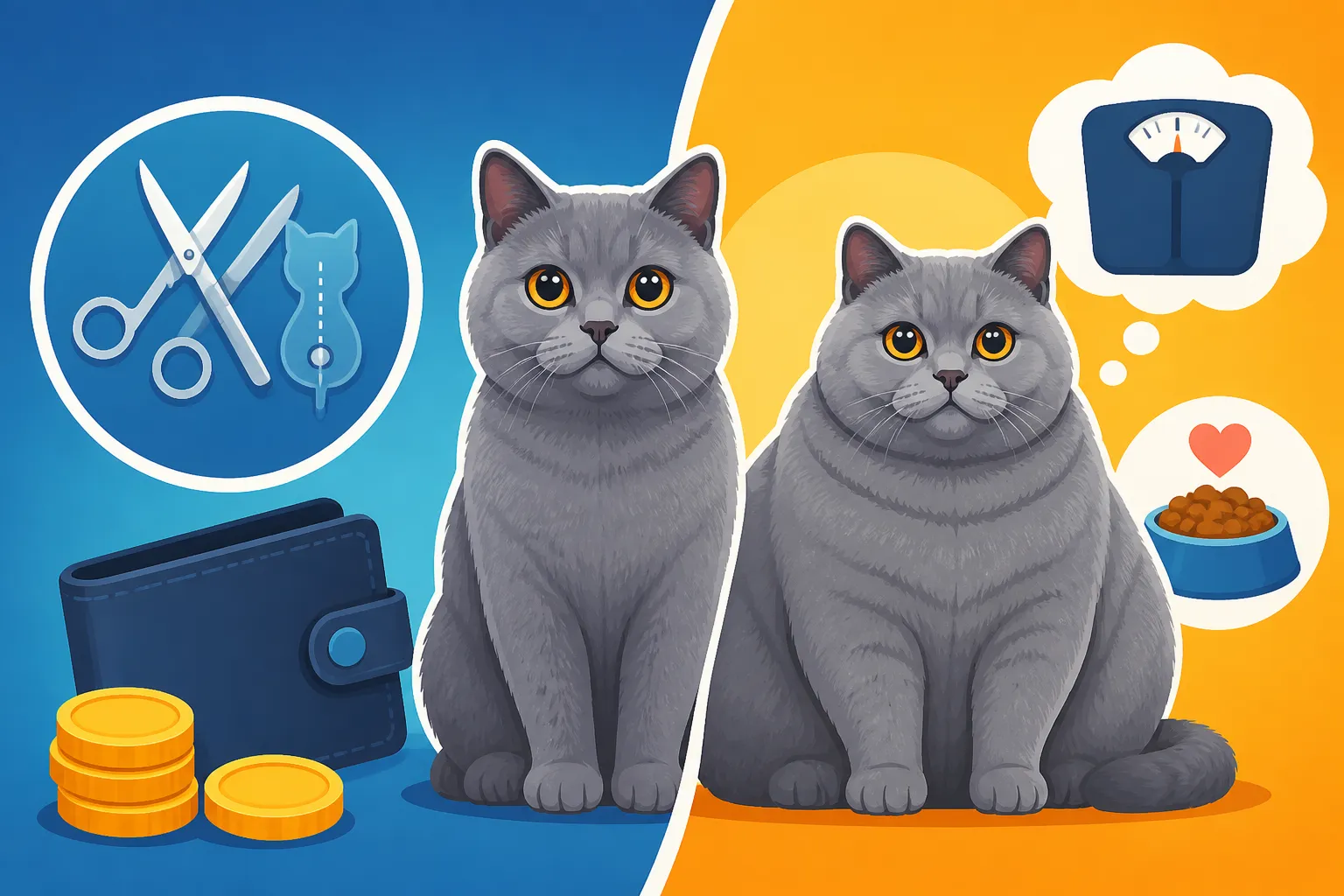
It's a common lament among cat owners: "My cat got fat after they were neutered!" And it's not just your imagination. The hormonal changes that occur after neutering have a direct effect on a cat's body. The removal of the testicles means a drop in testosterone, which plays a role in regulating metabolism. Think of it this way: intact males often have higher energy needs, are more active, and have hormones that keep their appetites somewhat in check. After neutering, their metabolic rate slows down, meaning they require fewer calories to maintain their weight.
Compounding this, many neutered cats also experience an increase in appetite. It’s a double whammy: they need less food, but they feel hungrier. For a British Shorthair, who are already known for being incredibly calm and preferring naps to vigorous exercise, this creates a perfect storm for weight gain. Their naturally cobby, round physique can also make it difficult for owners to spot the subtle early signs of gaining a few extra pounds. Before you know it, their adorable round face has spread to their body, and their once crisp, standing-away coat starts to feel padded. You might find yourself wondering Why a British Shorthair Gains Weight So Easily.
The Cost Implications of Overweight British Shorthairs
Allowing your British Shorthair to become overweight or obese might seem like a cosmetic issue, but it's far from it. It's a serious health concern that translates directly into significantly higher vet bills and ongoing costs. These costs can dwarf the initial neutering fee, making that upfront "saving" seem utterly trivial in comparison.
Obese British Shorthairs are at a much higher risk for a whole host of serious health problems. Diabetes Mellitus, for instance, is far more prevalent in overweight cats. Treating a diabetic cat involves regular veterinary visits, glucose monitoring (which can be tricky and stressful), and daily insulin injections for the rest of their life. Diabetes in a British Shorthair can be an incredibly expensive and time-consuming condition to manage. Beyond that, the extra weight puts tremendous strain on their joints, leading to conditions like arthritis, particularly as they age. Imagine the cost of pain medication, joint supplements, and possibly even specialized diets to manage joint pain. This is a very real concern, and understanding What Obesity Does to a British Shorthair's Joints truly highlights the long-term impact.
Heart disease, urinary tract problems, liver issues (like hepatic lipidosis), and even a decreased ability to groom themselves (leading to skin issues) are all linked to obesity. Each of these conditions requires veterinary diagnosis, medication, and often specialized prescription diets that can be considerably more expensive than regular cat food. So, while the initial neutering cost might feel like a pinch, the cost of managing an overweight British Shorthair's health complications can become a continuous drain on your finances, not to mention the emotional toll of seeing your beloved cat suffer.
Proactive Weight Management Strategies and Their Costs
The good news is that preventing weight gain in your neutered British Shorthair is entirely within your control. It requires a proactive approach, but the investment in prevention is almost always far less than the cost of treating obesity-related illnesses.
The Cost of Prevention Versus Treatment
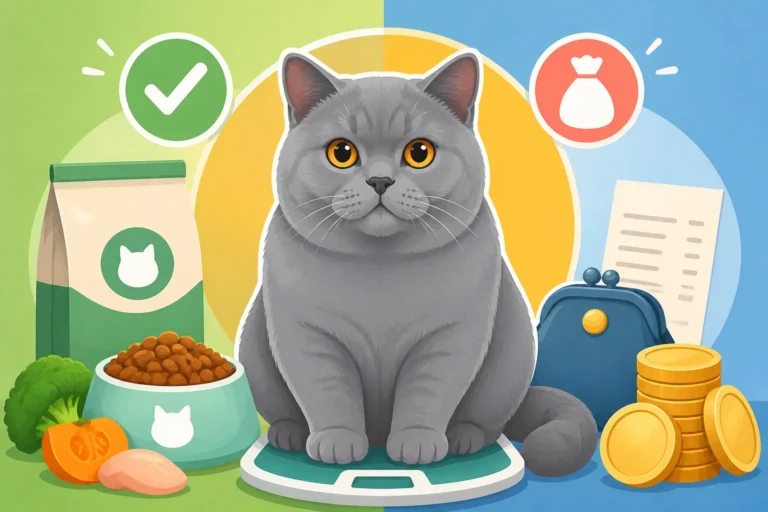
Think of it this way: buying a quality, appropriate cat food and a few engaging toys upfront might seem like an expense, but compare that to the potential costs of insulin, joint supplements, specialized diets, and frequent vet visits for an overweight cat. The difference is staggering. Investing in preventive care means providing a diet tailored to their needs post-neutering, encouraging physical activity, and regular monitoring of their weight. It's an investment in their long-term health and happiness, and ultimately, your peace of mind and your wallet.
For instance, you might choose to purchase a higher-quality wet food or a weight-management dry food. Online retailers like Chewy offer a wide variety of brands and often provide subscription services that can make these foods more affordable in the long run. While these might have a slightly higher per-bag or per-can cost than generic brands, the nutritional value often means your cat feels fuller on less, and the prevention of future health issues is invaluable. The costs associated with a cat on a prescription diet for diabetes or kidney disease are significantly higher than even the premium-quality, preventive foods.
Diet and Exercise Planning for a Neutered British Shorthair
Portion control becomes the absolute cornerstone of managing your British Shorthair's weight after neutering. Gone are the days of free-feeding, if you ever did that! You need to know How Many Calories a British Shorthair Needs to maintain a healthy weight, and then measure their food precisely. This means investing in a small digital kitchen scale to weigh out their kibble, rather than relying on scoops that can be inaccurate. Many vets recommend moving to a diet with a higher protein and lower carbohydrate content, or even transitioning partially or fully to wet food, which has a higher moisture content and can help them feel full.
Encouraging activity can be a bit of a challenge with a British Shorthair who would often rather nap. It's not about making them an athlete; it's about gentle, consistent engagement. This could mean wand toys that mimic prey, laser pointers (use them carefully to avoid frustration), or even puzzle feeders that make them "work" for their meals. Which Toys a British Shorthair Will Actually Chase can be a fun journey of discovery. The cost of these items is minimal compared to medical treatments, and they provide mental enrichment too. Regular, short play sessions (even just 10-15 minutes a day) can make a huge difference in burning off those extra calories and keeping their metabolism ticking over.
Financial Planning for Your British Shorthair's Lifelong Health
Understanding the costs associated with neutering and subsequent weight management isn't just about the immediate bill; it's about thinking long-term for your beloved British Shorthair. Their lifespan is typically quite good, often The Twelve to Seventeen Years a British Shorthair Gets, and you want to ensure they're healthy and happy for all of them.
Pet Insurance and Preventive Care Plans
Pet insurance can be a real lifeline when unexpected health issues arise, and it's definitely something to consider for your British Shorthair. While most pet insurance policies don't cover routine procedures like neutering directly (unless you opt for a specific wellness add-on, which is less common), they can be invaluable if your cat develops an illness later in life due to being overweight. For example, if your neutered British Shorthair develops diabetes, a good insurance plan could cover a significant portion of the ongoing vet visits, diagnostic tests, and medication costs. Companies like Healthy Paws are well-known for their comprehensive coverage for accidents and illnesses.
It's crucial to read policy details carefully, as pre-existing conditions are almost never covered. This means that if your cat is already showing signs of obesity-related issues before you get insurance, those specific conditions might be excluded. This is another strong argument for preventing weight gain early on, as it keeps your cat in a state where they are more likely to be fully insurable for future, unrelated illnesses. Some veterinary clinics also offer their own wellness plans, which might bundle preventive care like annual exams, vaccinations, and sometimes even a discount on neutering, but always compare these to full insurance plans.
Budgeting for a British Shorthair's Well-being
Owning a British Shorthair is a commitment, both emotionally and financially. Beyond the initial purchase price and neutering cost, there are ongoing expenses for food, litter, routine vet care, and enrichment. It's smart to create a budget that accounts for these regular costs, but also to set aside an emergency fund for unexpected illnesses or accidents. Knowing What a British Shorthair Costs Over Its Lifetime can be a sobering but necessary exercise.
Regular annual wellness exams are critical for detecting any health changes early, especially as your cat ages. These yearly check-ups, along with recommended bloodwork, can catch issues like Hyperthyroidism in an Older British Shorthair or early signs of kidney problems long before they become advanced and more costly to treat. Planning for these routine costs, and being diligent about maintaining a healthy weight for your British Shorthair from kittenhood right through their senior years, is the best way to ensure they lead a long, happy life, and you avoid the shock of large, unexpected veterinary bills.
| Cost Category | Initial Neutering Cost (Estimate) | Potential Obesity-Related Treatment Costs (Annual Estimate) | Notes |
|---|---|---|---|
| Veterinary Fees | Varies widely by location/clinic | Significantly higher, often recurring | Includes surgery, anesthesia, pain meds, monitoring |
| Pre-Surgical Bloodwork | Moderate | Included in diagnostic work-ups for new illnesses | Essential for anesthesia safety |
| E-Collar/Recovery Aids | Low | May be needed for other issues, e.g., skin infections | Prevents licking incision |
| Dietary Costs | Standard cat food | Higher for prescription weight-loss or therapeutic diets | Premium foods prevent, specialized diets treat |
| Medication | Short-term pain relief | Long-term for conditions like diabetes, arthritis | E.g., insulin, joint supplements, anti-inflammatories |
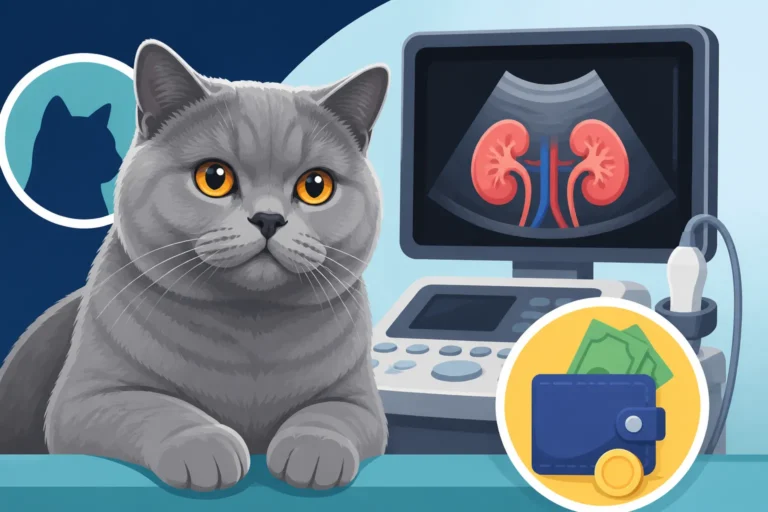
| Diagnostic Tests | Minimal (bloodwork) | Frequent, complex (e.g., blood panels, ultrasounds, X-rays) | Monitoring chronic conditions |
| Emergency Care | Very rare for routine neuter | High for diabetic crises, urinary blockages, liver issues | Can be thousands for a single emergency |
| Pet Insurance Premiums | May not cover neutering | Can offset major illness costs | Highly recommended for peace of mind, especially for BSH risks |
Disclaimer
This article is for general informational purposes only and does not constitute professional advice. Laws, prices and regulations vary by location and change over time. Consult a qualified professional for guidance on your specific situation.