How a British Shorthair Hides Pain
It’s a heartbreaking reality for many British Shorthair owners: your beloved furry companion could be experiencing pain right under your nose, and you might not even realize it. These magnificent, stoic cats are masters of disguise when it comes to discomfort, making it incredibly challenging for us humans to pinpoint when something is truly amiss. This comprehensive guide will walk you through the subtle, often overlooked signs of pain in British Shorthairs, helping you become a more attuned observer and a better advocate for your feline friend's well-being.
The Evolutionary Roots of Feline Pain Hiding
Cats, in general, are wired to conceal weakness. This isn't a unique trait to the British Shorthair, but it's certainly amplified by their naturally calm and composed demeanor. Understanding this fundamental instinct is the first step in recognizing when your fluffy family member isn't feeling their best.
Why Cats Are So Good at Masking Discomfort
Think back to their ancestors in the wild. A cat showing obvious signs of pain or illness would immediately become a target for predators or lose status within its own colony. Evolutionarily, it was a matter of survival to appear strong and capable, even when suffering internally. This deep-seated instinct persists even in our pampered house cats, who have never had to hunt for their supper or fear a lurking predator. They carry this ancient programming that tells them to "tough it out" and hide any vulnerability. It’s not that they don't trust you or want to keep secrets; it's just how their survival mechanisms work.
This means that by the time a cat exhibits overt signs of pain—like loud vocalizations, severe limping, or complete refusal to move—they're often in a significant amount of distress. It takes a truly severe level of pain to break through that evolutionary barrier of concealment. For owners, this can be incredibly frustrating and guilt-inducing, because we want nothing more than to protect our pets, but their natural inclination makes it feel like an uphill battle. It's a testament to their incredible resilience, but it also places a greater burden on us to be observant and proactive.
The British Shorthair's Stoic Nature
The British Shorthair's inherent personality only adds another layer to this pain-hiding conundrum. Known for their placid, easygoing, and independent temperament, they aren't typically a breed that cries out for attention or dramatically expresses discomfort. They're often described as quiet cats, less vocal than many other breeds, which means you might not hear a plaintive meow or a sudden yowl that would signal pain in a more expressive cat.
Their calm demeanor often leads owners to believe they are always content, perhaps even a bit lazy. This makes it harder to distinguish between their normal, relaxed state and a state where they are actively trying to suppress pain. A British Shorthair might simply retreat to a quiet corner, sleep more, or become a little less engaged, and an owner might easily attribute this to their typical, serene nature rather than a burgeoning health issue. It's a cruel irony that their wonderful, laid-back personality can inadvertently make it harder for us to help them when they need it most. This is why learning to spot the subtle shifts is crucial; their normal baseline is already quite calm, so any deviation, however small, can be a red flag.
Subtle Behavioral Cues: What to Look For
Since British Shorthairs are so adept at hiding pain, we need to become detectives, looking for tiny shifts in their day-to-day behavior. These aren't always dramatic changes, but consistent, subtle alterations in routine can speak volumes if you know how to interpret them.
Changes in Movement and Activity
One of the most common ways a British Shorthair will betray its discomfort is through changes in its movement patterns. These are often not obvious limps but rather a general reluctance or stiffness. You might notice they're less enthusiastic about jumping onto their favorite window perch or cat tree. Maybe they hesitate before going up or down stairs, or they simply choose to stay on the ground more often. This isn't just a sign of aging; even younger British Shorthairs can experience joint pain or discomfort. If you've got an older cat, these signs could point to issues like Arthritis in an Older British Shorthair.
Observe their gait carefully. Is it slightly altered? Are they taking shorter steps? Do they seem stiffer when they first wake up but then loosen up a bit? A British Shorthair, which typically moves with a solid, grounded grace, might start to move with a more guarded, hesitant quality. They might also stop engaging in their usual play sessions, even if those sessions were typically short and sweet to begin with. If you normally see them batting at a toy for a few minutes and suddenly they show no interest, or they stop mid-play, it could be a sign of pain. Remember, their baseline activity level is generally low, so any further reduction is significant.
Alterations in Grooming Habits
Grooming is a crucial part of a cat's daily life, not just for cleanliness but also for comfort and stress relief. Changes in grooming habits can be a major indicator of pain. On one hand, a cat in pain might neglect grooming altogether, especially if it hurts to stretch, bend, or reach certain parts of their body. For example, a cat with back pain or What Obesity Does to a British Shorthair's Joints might struggle to groom its hindquarters, leading to a dull or matted coat in those areas. Their beautiful, dense coat, which usually looks pristine, might start to appear unkempt.
Conversely, some cats will over-groom a specific area that is painful, licking it excessively, sometimes to the point of creating bald spots or skin irritation. This is their attempt to self-soothe or alleviate the discomfort by focusing on it. If you notice your British Shorthair constantly licking their paw, belly, or flank, and there’s no obvious wound, it could be a referred pain or discomfort from an underlying issue. It’s their way of trying to manage the pain themselves, often long before they'd ever make a sound.
Shifts in Eating, Drinking, and Litter Box Use
Basic physiological needs are often impacted by pain, and these changes are sometimes the easiest for owners to spot, though still subtle. A sudden change in appetite – either a decrease or, less commonly, an increase due to stress – can signal a problem. If your British Shorthair, typically a good eater, starts leaving food, or only picks at it, it’s worth investigating. Similarly, changes in drinking habits could be a sign. Are they drinking significantly more or less than usual? While these can indicate specific organ issues, pain can also cause a general malaise that affects thirst and hunger.
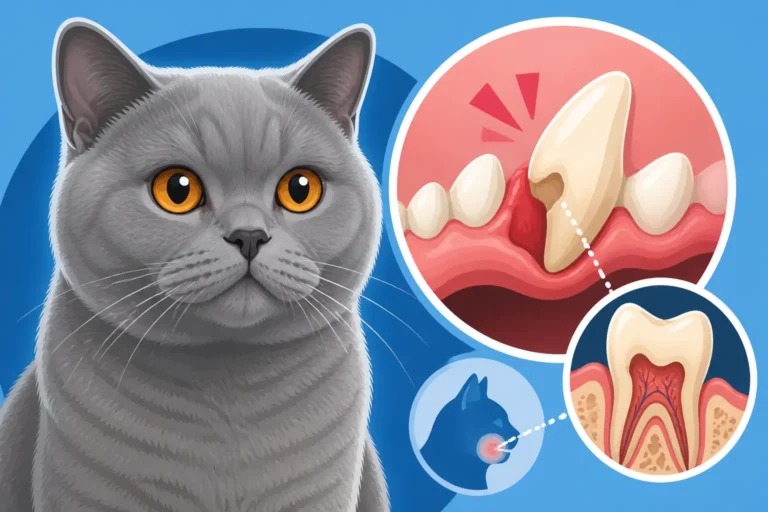
Litter box habits are another critical area. A cat in pain might avoid using the litter box if getting in and out is difficult, especially if they have joint pain. They might start urinating or defecating in unusual places. This isn't usually "spite" or bad behavior; it's often a desperate cry for help because the act of using the box causes discomfort. Sometimes, conditions like Gingivitis in a British Shorthair can cause so much oral pain that eating becomes unbearable, leading to weight loss and disinterest in food. Keep a close eye on the frequency, volume, and consistency of their eliminations, as these can provide vital clues to their internal state.
| Behavior Category | Normal British Shorthair | Potential Pain Indicator |
|---|---|---|
| Movement/Activity | Calm, deliberate, occasional short play bursts, agile jumps | Hesitant to jump, stiffness, limping (even subtle), reduced play, reluctance to use stairs |
| Grooming | Meticulous, even coat, soft fur | Matted/dull coat (especially hindquarters), over-grooming specific areas, bald patches |
| Eating/Drinking | Consistent appetite, regular water intake | Reduced/increased appetite, picking at food, changes in water consumption |
| Litter Box Use | Regular use of designated box, consistent output | Urinating/defecating outside box, straining, increased/decreased frequency |
| Social Interaction | Affectionate on their terms, observant | Hiding more, increased irritability, avoiding touch, seeking isolation |
| Sleeping Position | Relaxed, sprawled out, often near you | Hunched, rigid, tucked in, avoiding certain positions, sleeping in unusual spots |
Physical Indicators That Are Easy to Miss
Beyond behavior, there are subtle physical signs that your British Shorthair is in pain, many of which can be missed if you're not paying close attention to their body language and daily routines. These often require a keen eye and an understanding of normal feline posture and expression.
Posture and Resting Positions
A British Shorthair in pain might adopt unusual postures or resting positions to try and alleviate discomfort or protect a sensitive area. Instead of their usual relaxed, loaf-like posture, you might see them hunched with their back arched, tail tucked, and head lowered. This "pain posture" is often accompanied by tension in their muscles. They might also try to minimize movement by staying in one spot for longer periods, avoiding stretching, or even sitting with one paw slightly lifted if it's painful to put weight on it.
Another common sign is seeking isolation. While British Shorthairs appreciate their independence, a cat that suddenly starts hiding away more often, retreating under beds or into closets, could be trying to cope with pain. They're seeking a quiet, secure place where they won't be disturbed or forced to move. Conversely, some cats might seek more reassurance, but even then, their body language might still be tense. Pay attention to where and how they choose to rest, particularly if they're avoiding their usual comfy spots or seeking out warmer or cooler surfaces than normal. Sometimes, this can indicate discomfort rather than just a preference.
Eye and Facial Expressions
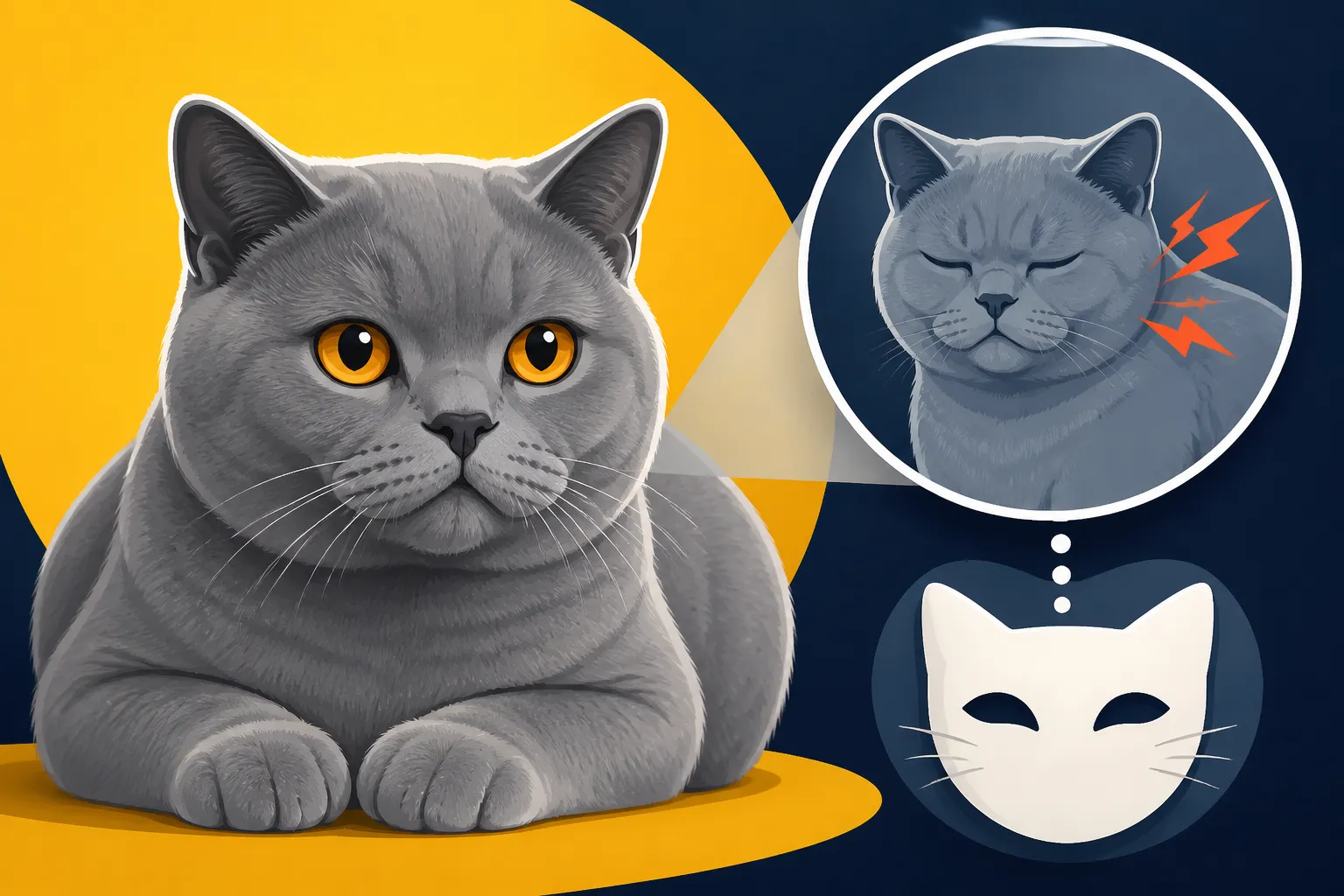
Cats have incredibly subtle facial expressions, and a British Shorthair's round, placid face can make these even harder to discern. However, experts have developed a "feline grimace scale" that can help owners identify pain. Look for signs like squinting or partially closed eyes, rather than wide, alert eyes. Their whiskers might be flattened against their face or held stiffly forward, instead of relaxed. Their ears might be slightly flattened or pulled back, rather than upright and attentive.
The mouth and muzzle area can also show tension. You might notice a slight tension around their lips or jaw. These combined facial cues can give your British Shorthair a look that is often described as "grimacing" or "tensed." It’s not about them actively trying to make a face, but rather the involuntary muscle tension that comes with discomfort. If your British Shorthair suddenly looks a bit "grumpy" or "unhappy" more often than usual, it could be a silent plea for help.
Sensitivity to Touch and Handling
This is a classic tell-tale sign that many owners encounter when a British Shorthair is in pain. While these cats are generally tolerant of handling, especially if they’ve been well-socialized, a painful area will often elicit a strong, negative reaction. If your cat flinches, pulls away, hisses, growls, or even swats when you touch a particular part of their body that they normally allow you to pet, it’s a clear indication of discomfort. This could be anything from back pain, dental issues, or an injury you can't see. Sometimes, the change is less dramatic, and they just shift uncomfortably or freeze.
Even just picking them up can become an issue. If your British Shorthair suddenly resists being lifted or if you feel them tense up or Why a British Shorthair Squirms When Lifted, it might be because the act of being held puts pressure on a painful area. For example, abdominal pain or spinal issues can make being picked up very uncomfortable. It’s important to respect these signals and not force interaction, but rather to use them as clues to investigate further. A cat that was once happy to cuddle, now suddenly shies away from touch, is almost certainly telling you something important about their health.
When to Call the Vet: Don't Wait and See
When you notice any of these subtle changes, it's natural to wonder if it's "serious enough" to warrant a vet visit. My advice, as a long-time cat lover, is always to err on the side of caution. Cats are so good at hiding pain that by the time you're sure something is wrong, the issue might be quite advanced.
The Importance of Early Intervention
Waiting to see if things improve can unfortunately lead to a worsening of the underlying condition and increased suffering for your British Shorthair. Early detection of pain means earlier diagnosis and treatment, which can significantly improve your cat's quality of life and potentially prevent long-term complications. For example, addressing dental pain early can prevent more severe infections or tooth loss. Similarly, recognizing the early signs of joint pain means you can start managing it with supplements or medication before it severely impacts their mobility.
Think of it this way: if you had a persistent ache, you wouldn't wait until you couldn't move before seeing a doctor. Your British Shorthair deserves the same proactive approach. Regular check-ups are key, even if your cat seems healthy. Make sure your British Shorthair gets How Often a British Shorthair Needs a Wellness Exam, as these visits often catch subtle issues before they become major problems. Don't underestimate the impact of chronic pain on a cat's overall well-being and lifespan.
Communicating Effectively with Your Veterinarian
When you call or visit the vet, be prepared to describe the changes you've observed in as much detail as possible. It can be incredibly helpful to keep a journal of your cat's behavior for a few days leading up to the appointment. Note down specific changes in:
- Activity levels: "He used to jump onto the sofa easily; now he hesitates and uses the ottoman."
- Eating habits: "She used to finish her wet food in one sitting; now she walks away and comes back multiple times."
- Grooming: "I noticed a matted patch on his lower back that wasn't there last week."
- Interactions: "She's been hiding under the bed more often and hisses when I try to pet her hindquarters."
- Litter box use: "He urinated outside the box twice yesterday, which is unlike him."
These specific examples are far more useful to your veterinarian than a vague statement like "I think he's in pain." Your vet might also ask about potential stressors or other changes in the home environment. Be honest and thorough. Don't dismiss a symptom just because it's intermittent; even occasional signs of discomfort are important. Tell your vet about everything you've noticed, no matter how small. They'll appreciate the detailed information and it will help them build a clearer picture of what might be going on.
Exploring Pain Management Options and Support
Once your veterinarian has diagnosed the cause of your British Shorthair's pain, they will discuss various treatment and management options. This could involve medications such as anti-inflammatories, pain relievers, or joint supplements. It might also include lifestyle adjustments, like elevated food bowls, softer bedding, or ramps to help them access favorite spots. For chronic conditions, a long-term management plan is often necessary.
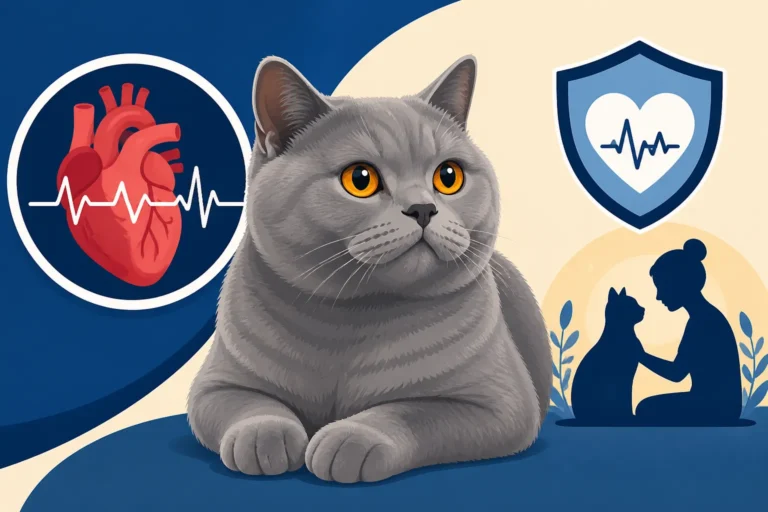
It’s also important to consider how you’ll manage the financial aspect of ongoing care. Vet bills for diagnostics, medications, and specialized treatments can add up, especially if your British Shorthair develops a chronic condition that requires consistent attention, such as The Age HCM Usually Appears in a British Shorthair or advanced arthritis. This is where pet insurance can be a real lifesaver, helping to alleviate the stress of unexpected or ongoing medical costs. Companies like Healthy Paws offer various plans that can cover accidents, illnesses, and even chronic conditions, which can be a huge relief when your British Shorthair needs consistent care. Having a plan like that from Healthy Paws can empower you to make treatment decisions based on what’s best for your cat, rather than solely on your budget. It’s definitely something to look into before any major health issues arise, as many policies have waiting periods. Ultimately, our British Shorthairs rely on us to interpret their silent signals and act swiftly when something is wrong.
Disclaimer
This article is for general informational purposes only and does not constitute professional advice. Laws, prices and regulations vary by location and change over time. Consult a qualified professional for guidance on your specific situation.